How Long Does It Take to Open a Bank Account in Malta?
Ah, the quest for a Maltese bank account! It’s a rite of passage for every expat arriving on these shores, and let me tell you, it's often more of an epic journey than a quick stroll. You’ve just landed, you're buzzing with excitement, and then reality hits: you need a bank account for your salary, to pay bills, and generally to function, but getting one isn't always as straightforward or speedy as you might expect. This guide is going to walk you through the realistic timelines, the hurdles you might face, and how to best prepare yourself for this quintessential Maltese administrative adventure.
The Reality of Maltese Bank Account Opening Times
Let's cut straight to it: asking "How long does it take to open a bank account in Malta?" is a bit like asking "How long is a piece of string?" There's no single, definitive answer, and anyone who tells you otherwise is probably selling you something or hasn't actually tried to open one themselves recently. What I can tell you from years of living here, and seeing countless friends and fellow expats go through it, is that it’s rarely a quick, "pop in and out" affair.
You might hear whispers of people getting an account opened in a couple of weeks, but often, the reality stretches to a month, or even longer, especially for non-EU citizens or those without an established presence. This isn't because the banks are being deliberately difficult, though it can certainly feel that way when you're caught in the bureaucratic cycle. It’s largely due to stringent 'Know Your Customer' (KYC) regulations and anti-money laundering (AML) policies, which have been significantly tightened in recent years. Maltese banks are very cautious, and for good reason, given the island's financial landscape. They need to verify every single detail about you, your source of funds, and your reason for being here. This level of scrutiny takes time and requires a robust set of documents, which we’ll delve into shortly.
For example, when I first arrived, I remember thinking I’d just pop into a branch with my passport and a utility bill, sign a few papers, and be done. Oh, the sweet naivety! I ended up making multiple trips, gathering more documents than I thought possible, and waiting weeks for final approval. It taught me patience, if nothing else, and a deep appreciation for the moment that welcome email finally landed in my inbox. So, manage your expectations: think in weeks, not days, and definitely prepare for a bit of back-and-forth.
Factors Influencing the Timeline
Several key elements play a significant role in how quickly your bank account application progresses in Malta. Understanding these can help you better prepare and potentially speed things up, even if only marginally.
Your Citizenship and Residency Status
This is arguably the biggest factor. If you're an EU/EEA citizen with a local job contract and an already-issued Maltese eResidence card, your path might be slightly smoother. The banks generally have clearer protocols for identifying and verifying EU citizens, as certain rights and data-sharing agreements are already in place. However, even for EU citizens, having your eResidence card is paramount. Don't even think about trying to open an account without one, or at least proof that your application for one is well underway and approved in principle.
For non-EU citizens, the process tends to be more rigorous and often takes longer. Banks will scrutinize your visa type, your residence permit (like a Single Permit), and your long-term intentions in Malta much more closely. They need absolute clarity that your stay is legitimate and that you meet all the necessary immigration requirements. This is where the 'chicken and egg' situation often arises: you need an ID card to open a bank account, but sometimes you need a bank account to receive a salary, which in turn helps solidify your residence permit application. It's a frustrating loop, and banks are often uncompromising on this.
Completeness and Accuracy of Your Documentation
This cannot be stressed enough: perfection is your goal when it comes to documents. Any missing paper, any expired ID, any discrepancy in names or addresses, will lead to delays. The banks are fastidious, and they will send you back to gather more if anything isn't exactly as they require.
Imagine showing up with a utility bill that’s over three months old, or a work contract that doesn’t clearly state your annual salary. These seemingly small details are red flags for banks. They need to see a clear, recent, and consistent picture of your identity, address, and financial standing. It’s not enough to have the documents; they need to be the right ones and up-to-date. This is also true if you're engaging with services like Wise for international transfers or even looking into specialized advice from firms like Taxes for Expats – they'll all require solid identification, and the banks are no different.
Bank's Internal Processes and Workload
Each bank in Malta – be it BOV, HSBC, APS Bank, or Lombard Bank – has its own internal processing times and procedures. Some might be more digitally advanced, allowing for initial online applications, while others might still rely heavily on in-person visits and paper forms. Their current workload also plays a huge part. During peak immigration seasons or times when there's a surge of new residents, their compliance departments can get swamped, causing inevitable backlogs.
A friend of mine, an IT professional, applied for an account with one of the larger banks in July, which is a busy time for arrivals. He was told to expect a 4-6 week wait just for the initial review, let alone final approval. Meanwhile, another friend who applied in a quieter period managed to get hers through in about three weeks. It's a lottery sometimes, but generally, expect a thorough process from all institutions.
Complexity of Your Financial Situation
If you're a straightforward employee with a single salary source, your application will likely be simpler. However, if you're self-employed, a freelancer with multiple income streams, or someone with significant international assets, expect an even deeper dive into your financial history. Banks need to understand where all your money is coming from to comply with AML regulations. This means providing evidence of client contracts, tax returns from your previous country, and detailed explanations of your business activities.
For instance, when I transitioned to freelance work here, I had to provide my business registration details, copies of invoices, and letters from clients explaining the nature of our engagement. It felt like a mini-audit, but it’s all part of ensuring legitimate financial activity on the island. This level of scrutiny is standard for anyone with a less conventional income source.
Navigating the Application Process
So, you're ready to tackle the banking bureaucracy. Here’s a typical, albeit sometimes frustrating, step-by-step guide on what to expect, keeping in mind that persistence and preparation are your best friends.
Step 1: Gathering Required Documents
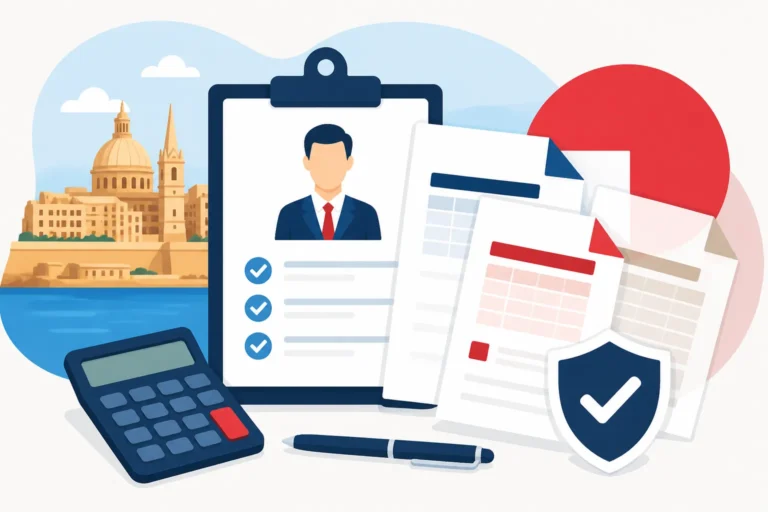
This is where the real work begins. Before you even set foot in a bank, make sure you have everything buttoned up. The exact list can vary slightly between banks and depending on your nationality, but generally, you'll need:
- Valid Passport/National ID Card (for EU citizens): Must be current, not expiring anytime soon.
- Maltese eResidence Card (or proof of application/approval): This is crucial. Banks almost universally require this for full account opening. If you’re still waiting for yours, you might be out of luck until it arrives. For more on getting this key document, check out my guide on getting your Maltese eResidence Card and ID Number.
- Proof of Maltese Address: A recent utility bill (electricity, water, or internet – not older than 3 months) in your name, or a registered lease agreement. Sometimes banks will accept an official letter from your employer confirming your address, but a utility bill is usually preferred.
- Proof of Income/Employment: Your employment contract clearly stating your salary and employer details, or a recent payslip. If self-employed, expect to provide business registration, client contracts, and past tax returns.
- Tax Identification Number (TIN): For Malta, this is usually your Maltese ID card number, but some banks might ask for additional proof of your tax registration. You'll definitely need to register for tax when you arrive in Malta.
- Reference Letter from Previous Bank (sometimes requested): Not always mandatory, but if you have one readily available, it can smooth things over. It acts as a character reference for your financial history.
- Justification of Source of Funds: Especially if you plan to transfer a large sum into your account. This could be a property sale agreement, an inheritance document, or payslips demonstrating accumulated savings.
Table: Common Documents Required for Bank Account Opening
| Document Category | Example Document | Notes |
|---|---|---|
| Identity | Valid Passport / EU National ID | Must be current. Non-EU citizens will need a passport. |
| Residency in Malta | Maltese eResidence Card | Crucial. Many banks won't proceed without it. Proof of application might be accepted initially, but final card needed for activation. |
| Proof of Address | Recent Utility Bill (electricity, water, internet) | Not older than 3 months. Must be in your name. A registered lease agreement or letter from employer might be accepted. |
| Proof of Income | Employment Contract / Payslips | Must clearly state employer, salary, and employment terms. Self-employed will need business registration, client contracts, and past tax returns. |
| Tax Information | Maltese Tax Identification Number (TIN) | Usually your eResidence ID number. |
| Source of Funds (if applicable) | Bank Statements, Property Sale Docs, Payslips | For significant transfers, banks need to verify where the money came from. |
| Bank Reference | Letter from Previous Bank | Not always required, but can be helpful, especially for non-EU or complex cases. |
Step 2: Making the Initial Application
Most banks now encourage or even require you to start the application process online or by booking an appointment. Walk-ins are generally discouraged or will result in being turned away to book an appointment. This is partly due to the extensive documentation checks.
When applying, be prepared to explain your purpose for opening the account (e.g., salary, daily expenses, savings) and your expected transaction activity. Be honest and clear. This is part of the KYC process to ensure you’re not using the account for purposes other than what you state. Some banks might allow you to submit documents electronically, while others will insist on original documents presented in person. This is often an iterative process; don't be surprised if they request more information or clarification after your initial submission.
Step 3: The Waiting Game (and Follow-ups)
Once you've submitted everything, the waiting game begins. This is where your patience will truly be tested. Banks will typically provide an estimated timeline, but remember, these are often estimates. During this period, their compliance teams are busy verifying your documents, running background checks, and assessing your risk profile.
Don't be afraid to follow up politely if you haven't heard anything within the stated timeframe. A quick call or email to the branch or contact person you dealt with can sometimes nudge things along, but avoid hounding them, as that can be counterproductive. Remember, they are dealing with many applications, and pushing too hard might not yield the desired result.
Step 4: Account Approval and Activation
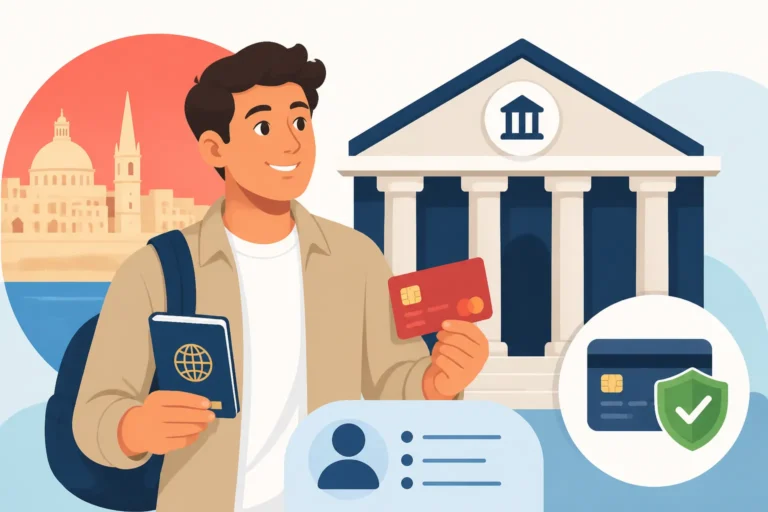
If all goes well, you'll eventually receive notification that your account has been approved. This could be an email, a phone call, or even a letter. They will then usually arrange for you to collect your debit card, PIN, and online banking credentials. This usually involves another visit to the branch.
Crucially, some banks will provide you with an account number upon initial approval, even before the physical card arrives. This is fantastic news because it means you can usually start receiving your salary. Make sure to get this detail as soon as possible so you can inform your employer. The bank card itself usually takes an additional week or two to be printed and mailed or ready for collection.
Alternatives and Tips for New Arrivals
While you navigate the sometimes-slow waters of traditional Maltese banking, there are some vital strategies and alternatives to ensure you're not left without financial means.
Digital Banking Solutions
In the interim, before your local bank account is fully operational, digital banking solutions are an absolute lifesaver. Companies like Wise (formerly TransferWise) and Revolut have become incredibly popular among expats in Malta precisely for this reason. You can often set up an account with them quickly, sometimes within days, using just your passport and proof of address from your home country or an initial Maltese address.
These services provide you with a multi-currency account, often including a Euro IBAN, which means you can receive your salary from your Maltese employer, albeit sometimes with a caveat. While they offer a quick solution, some employers still prefer to pay into a traditional Maltese bank account, and for certain official transactions (like setting up direct debits for utilities with ARMS, or local loan applications), a fully local account is often required. However, for everyday spending, international transfers, and receiving funds while you wait, they are indispensable. Wise is widely used by expats to send money home and to receive freelance payments, and it can help avoid excessive bank fees.
The "One-Off" Bank Account for Salary
Some employers, particularly larger ones, might have existing relationships with banks that can slightly expedite the process for their new hires. It’s always worth asking your HR department if they have any established contacts or preferred banking partners that might offer a slightly faster track. Sometimes, in urgent cases, banks might agree to open a very basic account solely for salary reception, but this is increasingly rare and relies heavily on your employer vouching for you.
Essential Cash and Foreign Card Management
Upon arrival, make sure you have enough cash for immediate expenses and a reliable international debit/credit card. While Malta is generally modern, and card payments are widely accepted, having some cash on hand for smaller purchases, market stalls, or places that prefer cash is always a good idea. Many new arrivals rely on their existing foreign bank cards for weeks, sometimes months, which is absolutely fine. However, be mindful of potential foreign transaction fees, which can quickly add up if you're not careful. This is another area where Wise or Revolut cards can be beneficial, as they often offer better exchange rates and lower fees for spending in Euro.
Financial Planning with Local Context
Remember that your bank account is not just for daily transactions, but also ties into your overall financial life in Malta. This includes your tax obligations and any potential investments. As an expat, understanding the nuances of Maltese tax residency and how your foreign income might be treated is crucial. Services like Taxes for Expats can provide specialized advice on navigating this complex landscape, which will eventually require a fully functional Maltese bank account for local tax payments or receiving any local benefits. Your bank account is a foundational piece of your financial puzzle here, so getting it right is worth the effort and patience.
Conclusion: Embrace the Process
Opening a bank account in Malta can be a test of patience, and it's certainly one of those administrative hurdles that almost all expats face. It's not a reflection of you, but rather of the stringent, albeit necessary, regulatory environment that Maltese banks operate within. The key takeaways are preparation, patience, and having solid interim solutions like digital banking platforms. Don't leave it to the last minute, gather all your documents, and be ready for a few rounds of back-and-forth. Once you have that Maltese bank account in hand, it truly feels like another significant step towards truly settling into your new life on the island.
Disclaimer
The information provided in this article is intended for general guidance and informational purposes only, and does not constitute financial, legal, or professional advice. While we strive to keep the information up to date and correct, we make no representations or warranties of any kind, express or implied, about the completeness, accuracy, reliability, suitability, or availability with respect to the website or the information, products, services, or related graphics contained on the website for any purpose. Therefore, any reliance you place on such information is strictly at your own risk. It is advisable to consult with relevant financial institutions, legal professionals, or immigration experts for advice tailored to your specific situation. Banking regulations and requirements in Malta can change, and individual circumstances will always vary.