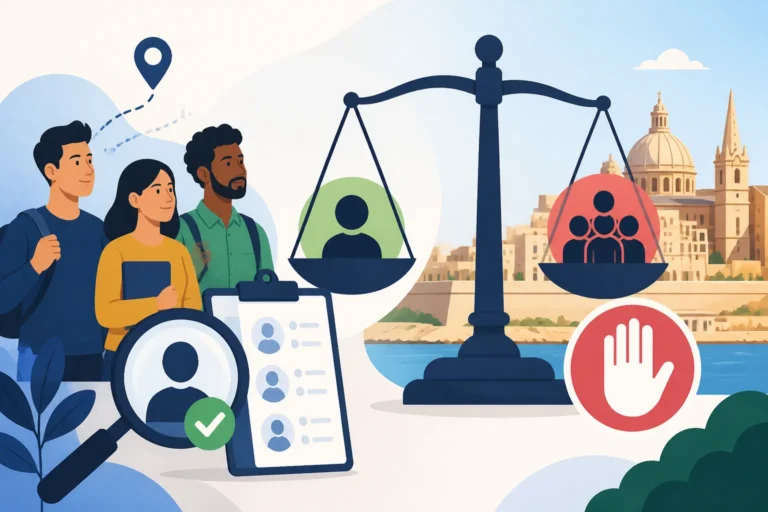
Freelancing and the iGaming, Fintech, and Maritime Sectors in Malta
Moving to Malta with the dream of striking out on your own, perhaps as a freelancer, is a vision many expats share. It's an island nation that often promises sunshine and a laid-back lifestyle, but the reality of setting up shop and navigating its unique industries like iGaming, Fintech, or the traditional maritime sector can feel like a labyrinth. This guide aims to cut through the noise, offering an honest, in-depth look at what it truly takes to freelance successfully in these dynamic Maltese fields.
The Lure of Freelancing in Malta
When you first land in Malta, the idea of freelancing here, especially in those buzzing sectors, is incredibly appealing. You picture yourself working from a sunny cafe, enjoying the Mediterranean breeze, and contributing to innovative industries. It's a dream that's certainly within reach, but it requires understanding the foundations first.
Why Malta Attracts Freelancers
Malta truly has a magnetic pull for international talent, and freelancers are no exception. For starters, English is an official language and widely spoken, making daily life and professional interactions incredibly smooth for most expats. This linguistic ease removes a significant barrier that often exists when trying to establish yourself in a new country. Furthermore, as a full member of the European Union, Malta offers a stable, familiar legal and economic framework, which can be reassuring for those used to EU standards.
Beyond the practicalities, there's a certain lifestyle appeal that's hard to ignore. The island offers a relatively low cost of living compared to many Western European capitals, especially when it comes to socialising and enjoying leisure activities. The climate is a huge draw, with abundant sunshine for most of the year, inviting an outdoor lifestyle that can be a welcome change from colder, busier locales. Many digital nomads and freelancers are drawn to the vibrant expat community, finding a ready network of like-minded individuals who understand the unique challenges and rewards of living and working remotely or independently on the island.
Navigating the Self-Employment Registration
So, you've decided to take the plunge and become self-employed in Malta. The first hurdle, and often the most confusing, is the registration process. It's not as simple as just declaring yourself a freelancer; there are official channels you need to go through to ensure you're operating legally. Your initial point of contact for self-employment registration will be Jobsplus, Malta's public employment service. You'll need to formally register your self-employed status with them, which essentially puts you on their radar as an independent worker.
Following this, you'll need to secure your Maltese Tax Identification Number (TIN) from the Inland Revenue Department, which is absolutely crucial for all your tax obligations. Once you have your TIN, you'll also need to register with the Commissioner for Revenue (CFR) as a self-employed individual. This process usually involves submitting an online form, and it's where you signal your intent to pay taxes on your freelance income. Remember, failing to register properly can lead to a heap of administrative headaches down the line, so it's vital to get this right from the start. You can find detailed guidance on how to register for free healthcare in Malta, but your self-employment registration with Jobsplus and the CFR is the very first step.
The next important step involves your social security contributions. As a self-employed person, you'll be classified under Class 2 Social Security Contributions. These contributions are mandatory and crucial, as they entitle you to various benefits down the line, including public healthcare and eventually a state pension. The rates are typically determined based on your income, so it's important to understand how these are calculated and paid. Don't underestimate the importance of these payments; they’re your safety net in Malta.
Diving into Malta's Niche Industries
Malta has carved out a name for itself in a few very specific sectors, making them prime territory for skilled freelancers. These industries are not just bustling with activity, but they're often at the forefront of innovation, attracting international talent and offering exciting opportunities.
The iGaming Sector: A Maltese Juggernaut
Malta’s iGaming sector is nothing short of a phenomenon. Over the past two decades, the island has transformed into a global hub for online gaming, attracting countless international companies and a highly diverse workforce. The sheer volume of operations, from online casinos and sports betting platforms to game development studios, means there's a constant demand for specialised skills. The sector is incredibly dynamic, with new technologies and regulations continually shaping the landscape.
For freelancers, this translates into a wealth of opportunities across various roles. Think about it: a company needs a new game developed, or a marketing campaign launched, or their website localised. This often means short-term projects that fit perfectly with a freelance model. Common freelance roles include software developers (front-end, back-end, full-stack), UI/UX designers, content writers (especially for SEO and marketing), graphic designers, digital marketing specialists, data analysts, and even legal consultants specialising in gaming regulations. Securing a contract often comes down to demonstrating a strong portfolio and understanding the fast-paced nature of the industry. The best approach to finding work here is often through industry-specific job boards, professional networking events, and direct outreach to companies.
However, it’s not all sunshine and big contracts. The iGaming sector is highly competitive, and while English is the working language, understanding the nuances of the industry and local expectations is key. Furthermore, the regulatory environment is stringent, and freelancers might need to be aware of licensing requirements or data protection laws, depending on the nature of their work. While you won't need your own gaming licence as a support freelancer, understanding the Malta Gaming Authority's (MGA) role is beneficial.
Fintech: Malta's Emerging Digital Finance Hub
Hot on the heels of iGaming, Malta is steadily positioning itself as an emerging hub for Financial Technology, or Fintech. This sector encompasses everything from blockchain and cryptocurrency companies to payment service providers, insurtech, and regulatory technology (RegTech). The Maltese government has been proactive in creating a supportive regulatory framework, particularly for blockchain technology, aiming to attract innovative companies to its shores. This makes it an exciting space for freelancers who thrive on cutting-edge developments and disruptive technologies.
The opportunities for freelancers in Fintech mirror many of those in iGaming but with a distinct financial and technological slant. We're talking about blockchain developers, smart contract auditors, cybersecurity experts, data scientists with financial sector experience, AI/machine learning specialists, and regulatory compliance consultants. There's also a demand for specialist financial writers and marketers who can articulate complex financial products and services. The growth in this sector is driven by Malta’s ambition to become a 'Blockchain Island' and its broader strategy to diversify its digital economy.
Working in Fintech requires a strong understanding of both technology and financial regulations. Freelancers should be prepared for projects that demand high levels of precision, security awareness, and compliance with local and international financial standards. Networking within Malta's growing tech scene is crucial, as is keeping up-to-date with the latest regulatory changes and technological advancements.
The Maritime Sector: A Traditional Powerhouse
While iGaming and Fintech represent the newer digital frontiers, Malta's maritime sector is a testament to its enduring historical significance as a strategic port in the Mediterranean. This isn't just about ships docking; it's a vast industry encompassing shipping registry, superyacht services, maritime law, logistics, port operations, and marine engineering. Malta boasts one of the largest shipping registries in the world, making it a significant player in global maritime affairs.
For freelancers, the opportunities here are perhaps less immediately obvious than in the digital sectors, but they are equally robust and often offer stable, long-term project work. Roles can include maritime lawyers, consultants specialising in shipping regulations, marine surveyors, yacht management professionals, logistics coordinators, and even technical writers for maritime documentation. With the increasing focus on sustainability, there's also a growing demand for environmental consultants and specialists in green shipping technologies. The sector is highly international, with many firms having global operations, providing an excellent platform for those with international experience.
Breaking into the maritime sector as a freelancer often requires a strong professional background and established networks within the industry. Attending industry conferences, engaging with local maritime associations, and leveraging platforms that connect maritime professionals can be effective strategies. While the industry is traditional, it is not static; ongoing digitalisation and environmental regulations mean there's always a need for specialized expertise.
Practicalities of Freelancing in Malta
Beyond the excitement of securing projects in these vibrant sectors, there are the day-to-day realities of being a self-employed individual in a new country. Malta has its own specific administrative requirements that you’ll need to understand to ensure a smooth and compliant operation.
Tax Obligations for Freelancers
Ah, taxes! The bane of many an expat's existence, and for freelancers, it can feel even more complex. In Malta, as a self-employed individual, you are subject to income tax on your earnings. Malta operates on a progressive tax system, with different tax brackets for single, married, and parent rates. It's crucial to understand these rates to accurately budget for your tax liabilities. For freelancers, the concept of "Provisional Tax" is particularly relevant; this is essentially an advance payment towards your expected income tax liability for the year, paid in instalments.
Another critical aspect for many foreign freelancers in Malta is the "remittance basis" of taxation. If you are considered a non-domiciled tax resident in Malta, you are generally taxed on income arising in Malta and on foreign income remitted to Malta. However, foreign capital gains are not taxable, even if remitted. This can be a huge advantage, but it comes with a few caveats, including a minimum tax of €5,000 for non-domiciled individuals who are resident in Malta but not ordinarily resident. Understanding the remittance basis: taxing only what you bring into Malta is essential to optimising your tax position and avoiding accidental remittances.
The tax year in Malta runs from January 1st to December 31st. You will typically need to file an annual tax return with the Commissioner for Revenue. Given the intricacies, especially with provisional tax and the remittance basis, many freelancers opt to work with a local accountant. Firms like Taxes for Expats can be incredibly helpful in navigating these waters, ensuring you stay compliant and don't miss out on any legitimate deductions or benefits. They understand the nuances that can catch newcomers out.
For certain services, especially if you're working with Maltese businesses or exceeding a certain turnover threshold, you might also need to consider VAT registration. The standard VAT rate in Malta is 18%, but lower rates apply to specific goods and services. Always check if your services fall under VAT obligations, as this impacts your invoicing and pricing.
Social Security and Healthcare for the Self-Employed
One of the most immediate concerns for any freelancer moving to a new country is often healthcare. In Malta, your eligibility for public healthcare is directly tied to your social security contributions. As a self-employed individual, you will pay Class 2 Social Security Contributions. These mandatory contributions are not just for your future pension; they are what help unlock your entitlement to Malta's public healthcare system.
Once you are regularly paying your Class 2 contributions, you generally become entitled to access public healthcare services. This means you can register with a local health centre and choose a GP, access Mater Dei Hospital for emergencies, and potentially benefit from the Pharmacy of Your Choice (POYC) scheme for free medicines, depending on your income and specific medical conditions. It's crucial to ensure your contributions are up-to-date, as any lapses can affect your eligibility.
However, even with public healthcare entitlement, many expats and freelancers choose to invest in private health insurance. This isn't usually mandatory for self-employed individuals (unless specified by your residence permit), but it can offer significant advantages, such as shorter waiting times for specialist appointments and access to private clinics and hospitals. For some, having the peace of mind that comes with private cover is worth the extra expense, especially given that public healthcare can sometimes have longer waitlists for non-urgent procedures.
Finding Clients and Building Your Network
Finding clients is, understandably, at the top of every freelancer's mind. In Malta, particularly within the niche sectors, it's a mix of traditional networking and leveraging digital platforms. Online platforms like Upwork, Fiverr, or specific industry job boards can be a starting point, but often the most lucrative and stable projects come through direct connections.
Local networking events, industry conferences (especially within iGaming and Fintech), and professional meetups are invaluable. Malta has a surprisingly active professional community for its size, and many opportunities are shared through word-of-mouth. Don't underestimate the power of simply grabbing a coffee with someone you've met at an event; these informal connections can often lead to referrals or direct project offers. Joining expat groups, both online and offline, can also lead to useful connections, as other freelancers and business owners might be looking to collaborate or outsource.
Another excellent strategy is to explore co-working spaces. Places like SmartCity Malta or various hubs around Sliema and St. Julian's are often teeming with other entrepreneurs, startups, and freelancers. These environments foster collaboration, provide a professional working space, and are natural breeding grounds for new client leads and partnerships. Simply by being present, you open yourself up to conversations that could lead to your next big project.
Overcoming Challenges and Thriving as a Freelancer
Freelancing anywhere comes with its unique set of challenges, and Malta is no different. It's not always the idyllic Mediterranean dream; there are practical hurdles to navigate that require resilience and a proactive approach.
Financial Planning and Managing Income Volatility
One of the most significant challenges for freelancers is the inherent unpredictability of income. One month you might have multiple high-paying projects; the next, things could be quiet. This income volatility can be particularly stressful when you're also navigating a new country's cost of living and financial systems. It’s absolutely essential to build a robust financial cushion – aim for at least 3-6 months of living expenses in savings, if possible, before fully relying on freelance income.
Budgeting becomes an even more critical skill. Track every single income and expense to truly understand your cash flow. Consider setting aside a fixed percentage of every payment specifically for taxes and social security, so you're not scrambling when those bills come due. Many freelancers also benefit from separating business and personal finances to simplify accounting and tax filing. Seeking advice from a local financial advisor who understands Maltese tax laws and investment opportunities can be incredibly beneficial for long-term planning, helping you think about pensions in Malta or other savings vehicles.
Language, Culture, and Integration
While English is widely spoken in Malta, especially in professional circles and tourist areas, immersing yourself in the local culture and even picking up some Maltese phrases can significantly enhance your experience. Knowing a few basic phrases can go a long way in daily interactions, showing respect and often opening doors to warmer responses from locals. Resources like iTalki can be fantastic for connecting with online tutors to learn conversational Maltese at your own pace, which can make navigating local services or even just making friends outside the expat bubble much easier.
Beyond language, understanding Maltese work culture and social norms is important. While generally friendly and welcoming, things can sometimes operate at a slower pace ("Malta time"), and direct confrontation is often avoided. Building personal relationships and trust can be just as important as the quality of your work, particularly for securing repeat business or referrals. Be patient, be open to new ways of doing things, and make an effort to integrate beyond just your professional bubble.
Legal and Administrative Hurdles
The administrative side of freelancing in Malta can, at times, feel like a bureaucratic maze. From ensuring your contracts are legally sound and compliant with Maltese law to correctly issuing invoices and understanding payment terms, there's a lot to keep track of. It's highly advisable to consult with a local lawyer or legal professional to draft or review your standard freelance contracts, especially if you're dealing with high-value projects or sensitive data within iGaming or Fintech.
Understanding data protection regulations (GDPR, which applies in Malta as an EU member state) is also paramount, particularly if you handle client data. Ensure your invoicing practices comply with local tax requirements, including VAT if applicable, and keep meticulous records of all your income and expenses. This diligence will save you immense stress when it comes to filing your tax return or if you ever face an audit. Don't be afraid to ask for help; Malta has a strong professional services sector designed to assist businesses, including sole traders and freelancers, with these very issues.
The Future of Freelancing in Malta's Key Sectors
Malta's economic landscape is dynamic, continually evolving and presenting new avenues for freelancers to explore. Staying attuned to these shifts is key to long-term success on the island.
Evolving Trends and Opportunities
The global move towards remote work has certainly bolstered the freelance market in Malta. Many international companies, even those without a physical presence on the island, are increasingly open to hiring Maltese-based freelancers. This expands the pool of potential clients beyond just local businesses. Furthermore, within the iGaming and Fintech sectors, there's a constant drive for innovation. New technologies like AI, machine learning, enhanced cybersecurity, and advanced data analytics are creating fresh demands for highly specialised skills. Freelancers who proactively upskill in these areas will find themselves in high demand.
The maritime sector, while traditional, is also undergoing a transformation with increased digitalisation and a strong emphasis on environmental sustainability. This means new opportunities for freelancers in areas like maritime tech development, regulatory compliance for green shipping, and data analysis for logistical optimisation. Malta's commitment to these evolving industries suggests a fertile ground for skilled independent professionals for years to come, particularly those who can adapt and specialise.
Malta's Support for Self-Employment and Startups
The Maltese government and various local entities are increasingly recognising the value that freelancers, startups, and self-employed individuals bring to the economy. There are various initiatives and schemes designed to foster entrepreneurship and support small businesses. While not always directly targeted at individual freelancers, these can provide a supportive ecosystem. For example, Malta Enterprise often has schemes or resources available for innovative startups that might attract freelancers as project partners or consultants.
Incubator programmes and startup accelerators are also emerging, particularly in the tech and finance sectors, which can provide networking opportunities, mentorship, and sometimes even direct funding or office space. These environments are excellent for freelancers looking to collaborate on new projects, gain exposure to cutting-edge ideas, or even eventually transition from freelancing to launching their own startup. Staying informed about these local initiatives through Jobsplus or Malta Enterprise websites can open doors to unexpected opportunities.
| Sector | Typical Freelance Roles | Key Skills Required | Growth Potential |
|---|---|---|---|
| iGaming | Software Dev, UI/UX Design, Content Writing, Digital Marketing, Data Analytics, Regulatory Consulting | Programming (Java, C#, Python), SEO, UX Principles, Creative Writing, Data Modelling, MGA Regulations | High & Established |
| Fintech | Blockchain Dev, Cybersecurity, Data Science, AI/ML, Regulatory Compliance, Financial Writing | Blockchain Tech, Encryption, Statistical Analysis, AI Frameworks, Financial Regulations, Technical Writing | High & Emerging |
| Maritime | Maritime Law, Marine Surveying, Logistics Consulting, Technical Writing, Environmental Consulting | International Maritime Law, Naval Architecture, Supply Chain Mgmt, Specialist Documentation, Environmental Science | Stable & Evolving |
Disclaimer
This article is for general informational purposes only and does not constitute professional advice. Laws, prices and regulations vary by location and change over time. Consult a qualified professional for guidance on your specific situation.