Is Childcare Really Free in Malta?
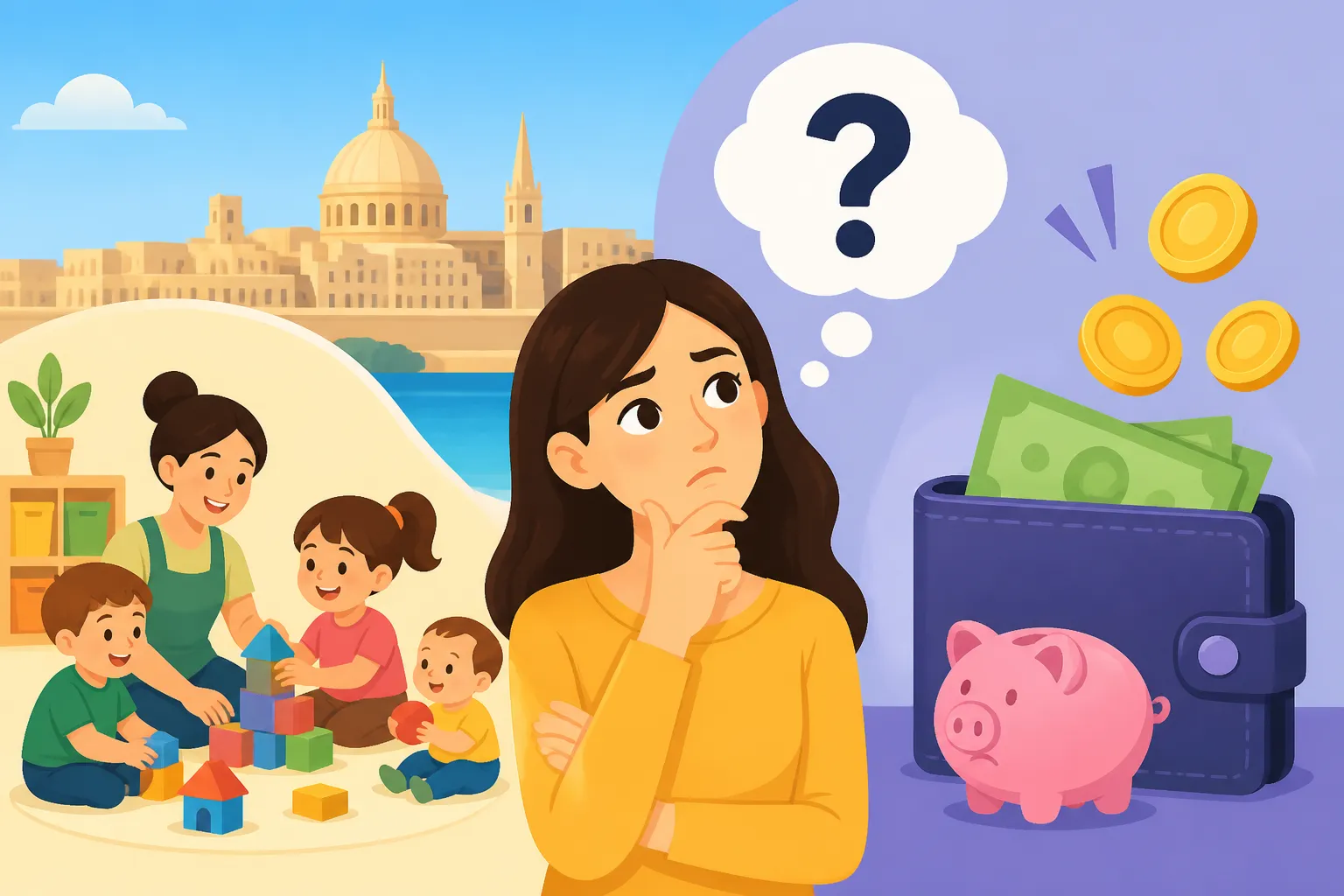
One of the most appealing benefits you might hear about for families moving to Malta is the promise of "free childcare." On the surface, it sounds like a dream come true for any parent, especially those of us who have juggled exorbitant childcare costs in other countries. But, as with many things on this beautiful island, the reality is a little more nuanced than the catchy phrase suggests. If you're wondering if childcare in Malta is really free, you're not alone – it's a question that perplexes many new arrivals. This guide is here to untangle the system, highlight what's truly covered, and prepare you for the actual costs and considerations when arranging care for your little ones.
Understanding Malta's Free Childcare Scheme: The Basics
Let’s get straight to it: Malta does indeed have a "Free Childcare Scheme," but the word "free" comes with a few important caveats and conditions. This isn't a universal handout, but rather a targeted initiative designed to support working or studying parents by providing access to approved childcare services without direct fees. The intention is fantastic – to help parents get back into employment or education without the prohibitive cost of childcare holding them back.
When my family first looked into it, we heard "free" and pictured open doors everywhere, but soon realised it's more like a specific pathway you need to qualify for. The scheme is administered by Jobsplus, which makes sense when you understand its primary goal is labour market participation. This means it's intrinsically linked to your employment status or educational commitments here in Malta. It’s a brilliant support for many, but it's crucial to understand the rules of the game before you count on it.
Who is Eligible for the Free Childcare Scheme?
Eligibility is probably the biggest hurdle for many expat families. It’s not simply about having a child; it’s about your status as a parent within the Maltese system. Generally, for parents to qualify for the Free Childcare Scheme, they must both be employed, self-occupied, or pursuing full-time education. This is where the Jobsplus link becomes clear – the scheme aims to facilitate parents' contribution to the economy or their personal development.
If one parent is not working or studying, or if you're not fully integrated into the Maltese social security system yet, you might find yourself outside the eligibility criteria. This can be a real point of frustration for families newly arrived or still in transition. For instance, if you're an accompanying spouse still looking for work, or if one parent works remotely for a non-Maltese company and doesn't contribute to Maltese social security, you might not tick all the boxes. Your child needs to be between three months and three years of age for the standard scheme, although some extensions can apply for children up to three years and eight months if they haven't started kindergarten. It’s important to remember that these schemes often require you to have your Getting Your Maltese eResidence Card and ID Number and be properly registered here. For a deeper dive into the exact application steps, you can check out this guide on How Do I Get My Child into the Free Childcare Scheme in Malta?.
What Services Does 'Free' Actually Cover?
When a childcare centre is part of the Free Childcare Scheme, it means the government subsidises the cost of a certain number of hours for eligible children. Typically, this covers the core care and educational activities during regular operating hours. Think of it as covering the "tuition" for the time your child spends at the centre, allowing you to work or study.
However, "free" rarely means everything is free. You'll quickly discover that while the direct hourly rate is covered, many centres will have additional costs. These can include registration fees, annual administrative fees, costs for specific extra-curricular activities (like music or movement classes), special outings, or even basic supplies like art materials or wipes. Often, food and snacks are an additional charge, or you're expected to provide them yourself. And don't even get me started on the dreaded "late pick-up" fees, which can add up startlingly fast if you hit traffic or have a meeting run over. It’s crucial to get a detailed breakdown from any prospective centre about what exactly is included in the "free" part and what constitutes an extra cost.
The Hidden Costs and Realities of "Free" Childcare
The "free" label can be quite misleading if you’re not prepared for the inevitable out-of-pocket expenses. When you consider the true cost of raising a family here, these small additions can accumulate, impacting your overall budget significantly. It’s not just about the monetary aspect; it’s also about navigating the system, which can sometimes feel like trying to solve a Rubik's Cube with your eyes closed. This is particularly true if you're fresh off the boat and still figuring out everything from where to buy decent produce to how to deal with ARMS bills.
Many families arrive in Malta with high hopes of zero childcare costs, only to find themselves paying hundreds of euros a month in "extras." This isn't to say the scheme isn't valuable; it absolutely is. But it’s essential to manage your expectations and budget for these frequently overlooked expenses.
Out-of-Pocket Expenses and What to Expect
Let's break down some of those often-unmentioned costs. First, many centres require a non-refundable registration fee, which can range from €50 to €200 or more, just to secure a spot. Then there's an annual administrative fee, which is essentially a yearly re-registration cost. Uniforms, if required by the centre, are another upfront expense. While not always mandatory, having a few branded t-shirts or aprons for your child can simplify mornings.
Daily necessities like nappies, wipes, and formula or special snacks are typically your responsibility. Some centres offer meal plans, which are an extra charge (and can be quite convenient but add significantly to the monthly bill). Imagine the scenario: you've got your child settled, you're back at work, but then you get the monthly invoice with line items for "sensory play materials" or "story time props" that suddenly make that "free" care feel a lot less so. These costs are often minimal individually but they quickly accumulate. You also need to factor in potential late fees if you can’t make it to pick up your child precisely on time. Believe me, Maltese traffic or an unexpected meeting can make those extra minutes tick by, and centres are often strict about their closing times. For a broader overview of family expenses, take a look at our guide on How Much Does Childcare Cost in Malta?.
The Waiting List Woes and Alternative Options
Another reality of the Free Childcare Scheme is demand. Popular centres, especially those in bustling areas like Sliema, St. Julian's, or central localities, often have long waiting lists. You might apply months in advance, only to find yourself without a spot. This can be incredibly stressful, especially if you have a job lined up or classes starting. Many expat parents have assumed they could walk into a spot, only to realise they needed to plan almost from conception!
What happens then? Many parents are forced to consider private childcare options while waiting, or if they don't qualify for the free scheme at all. This means shelling out significant sums. The ideal solution is to apply as early as humanly possible – even before you arrive in Malta, if feasible, and definitely as soon as you have your move dates and local address confirmed. Some families even put their children's names down when they're still pregnant, especially for highly sought-after centres. This need for careful planning also extends to other aspects of your move. When you're coordinating something as big as an international relocation, platforms like Sirelo can be incredibly helpful for managing all the logistical pieces, including factoring in childcare searches from afar. Don't leave it to the last minute; Malta's system, while generous, requires foresight.
Navigating Childcare Options Beyond the Free Scheme
So, what if the free scheme isn't for you, or you simply can't get a spot? Don't despair! Malta has a range of childcare options, though they typically come with a price tag. It’s all about weighing your budget against your needs and priorities. For many, a private solution offers flexibility and peace of mind that can be worth the investment.
The key is understanding that "free" isn't the only option, and sometimes, paying a bit more can genuinely simplify your life, especially if you have irregular working hours or prefer a different kind of environment for your child. It’s part of the broader journey of Raising Children in Malta: Childcare, Schools, and Family Life.
Private Childcare Centres: When the Free Scheme Isn't an Option
If you don't qualify for the free scheme or can't secure a place, private childcare centres are your primary alternative. These centres generally offer similar services to their subsidised counterparts but come with a direct cost. The benefits often include greater flexibility in terms of hours, potentially better staff-to-child ratios (though this varies), and sometimes a broader range of extra-curricular activities or specialised programmes. You might find a private centre that caters to specific philosophies, like Montessori, or offers longer operating hours.
The cost for private childcare can range significantly, but you can expect to pay anywhere from €400 to €800+ per month for full-time care, depending on the centre, its location, and the age of your child. This cost usually includes meals and basic activities, but you should always confirm everything upfront. When researching, make sure to visit a few centres, compare their offerings, and critically assess the environment. Look at the play areas, speak to the staff, and check their licences. This is an investment in your child's early development and your peace of mind, so don't rush the decision. For more detailed information, our guide to Childcare in Malta: Free Childcare Scheme and Early Years provides a comprehensive overview.
Nannies, Au Pairs, and Family Support: Other Avenues
Beyond organised childcare centres, some expat families opt for private nannies or au pairs. This offers the ultimate flexibility and often one-on-one care in your own home, which many parents find invaluable, especially with very young children or if they have multiple children. A live-out nanny's costs can vary significantly based on experience and hours, but you're looking at a minimum of €800-€1,500+ per month, plus taxes and social security contributions if you're employing them formally. Live-in au pairs can be a more affordable option as their compensation often includes room and board, but there are specific visa and cultural exchange requirements to consider.
Another aspect, particularly relevant in Malta's family-oriented culture, is the support network. While not always an option for new expats without family on the island, local families often rely heavily on grandparents or extended family for childcare. If you're building a strong local network, you might find informal arrangements, but for most expat families, professional care is the go-to.
Here's a quick comparison of the main childcare options in Malta:
| Feature | Free Childcare Scheme | Private Childcare Centres | Nanny/Au Pair (Live-out) |
|---|---|---|---|
| Eligibility | Both parents working/studying, specific age limits | Open to all, subject to availability | N/A (private arrangement) |
| Core Cost | Subsidised by government (appears "free" at point of use) | €400 – €800+ per month (full-time) | €800 – €1,500+ per month (full-time) |
| Hidden/Extra Costs | Registration, annual fees, food, special activities, late fees, supplies | Potentially registration, special activities, uniforms | Salary, taxes, social security, sick pay, annual leave |
| Availability | High demand, long waiting lists common | Generally better availability, but popular centres fill up | Requires active recruitment and vetting |
| Flexibility | Fixed hours, adherence to scheme rules | More flexible hours, often longer operating times | Highest flexibility, one-on-one care, in-home |
| Red Tape/Admin | Jobsplus application, proofs of employment/study | Direct contract with centre | Employer responsibilities, contracts, payments |
Practical Tips for Foreign Parents in Malta
Navigating childcare in a new country can feel like a full-time job in itself, on top of everything else that comes with settling in. From finding a place to live to figuring out the public transport, your plate is already full. But with a bit of foresight and the right information, you can make the process much smoother for your family. Remember, Malta is a small island, and word-of-mouth travels fast, so don't hesitate to tap into expat groups online for recommendations and real-life experiences.
The biggest takeaway here is to start early, gather all your documents, and be prepared for a journey that might not be as straightforward as you initially hoped. But rest assured, with some perseverance, you will find the right fit for your child.
Applying and Planning Ahead
The single most important piece of advice I can give you is to plan and apply early. Seriously, as soon as you know you're moving to Malta and have a rough idea of your start dates, start researching childcare centres. Contact them directly, inquire about their admission process, eligibility for the Free Childcare Scheme, and current waiting list situation. Don't be afraid to put your child's name down on multiple lists if possible. This significantly increases your chances of securing a spot that meets your needs.
Remember, the Free Childcare Scheme is tied to your employment or education. So, ensure all your paperwork is in order for your residence permit, employment contract, and social security registration. You'll need these documents to prove your eligibility to Jobsplus. Visiting centres in person is also highly recommended if you can. It gives you a feel for the environment, allows you to ask detailed questions, and helps you gauge if it's the right fit for your child. Thinking ahead to their next stage? You might also want to look into When Does My Child Start School in Malta? to understand the broader educational landscape.
Understanding Language and Communication
Malta has two official languages: Maltese and English. Most childcare centres, especially in expat-dense areas, will have English-speaking staff, and activities are often conducted in English. However, it's always worth confirming this during your enquiries. You want to ensure your child can communicate effectively with their carers and that you, as parents, can easily understand important updates about their day or any administrative matters.
While your child might pick up some Maltese phrases (which is fantastic!), having English as the primary language of instruction and communication can ease the transition, particularly for younger children who are already adapting to a new country and possibly a new culture. Building a good rapport with the centre staff is crucial, and clear communication is the foundation of that. And speaking of communication, having reliable mobile data is key for staying connected, whether you're calling a childcare centre, checking emails, or navigating a new part of the island. Services like Airalo for eSIMs can be a lifesaver for ensuring you have data from the moment you land, making those initial enquiries and arrangements so much easier.
Disclaimer
The information provided in this article is for general guidance only and does not constitute legal, financial, or immigration advice. While we strive to keep the information up-to-date and accurate, policies and regulations in Malta can change. It is always recommended to consult with official government sources, legal professionals, or relevant authorities for the most current and specific information pertaining to your individual circumstances.