The Single Permit in Malta: Combined Work and Residence, Step by Step
Moving to a new country always comes with a mountain of paperwork, and if you're looking to work and live in Malta, the thought of separate applications for work and residence can feel utterly overwhelming. Believe me, I've been there, staring at forms in triplicate, wondering if I'd ever get it right. Thankfully, Malta has streamlined this process for many non-EU/EEA nationals into one combined application: the Single Permit. This guide will walk you through every step, helping you navigate the system with confidence.
What Exactly Is the Single Permit in Malta?
When you first land in Malta, the administrative maze can feel daunting. You're trying to find your feet, and the last thing you want is to be juggling multiple applications for basic things like the right to work and the right to live here. That's where the Single Permit comes in, and it's a real game-changer for many.
The Concept: One Application, Two Outcomes
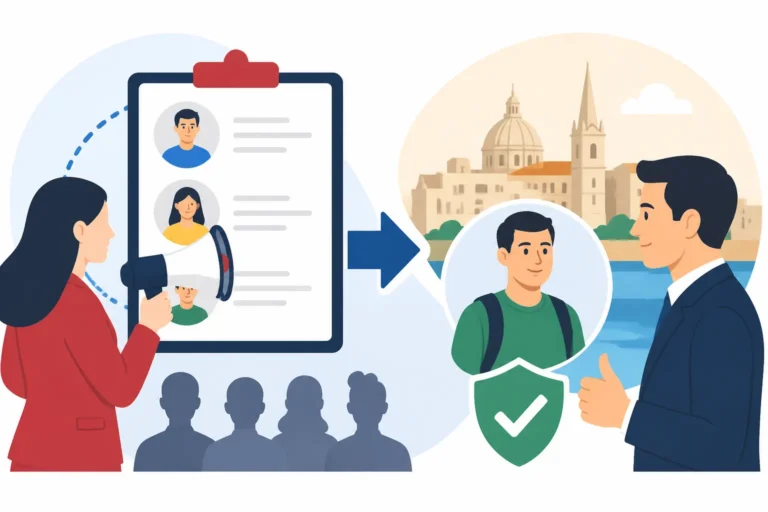
At its heart, the Single Permit in Malta is exactly what it sounds like: a single application that, if successful, grants you both a residence permit and a work permit. It's designed to simplify what was once a more convoluted process, meaning you don't have to apply to Jobsplus for a work licence and then separately to Identità for your residence document. Instead, you submit one comprehensive application to Identità, and they handle the entire assessment. This unified approach cuts down on bureaucracy, reduces duplication of effort, and, crucially, lessens the stress for newcomers. It's an all-in-one solution for non-EU/EEA citizens who have a job offer in Malta and intend to reside here for employment purposes. The permit is typically valid for one year initially, tied to your employment contract, and needs to be renewed if you continue working and living on the island.
Who Needs a Single Permit?
Essentially, if you're not a citizen of an EU/EEA country or Switzerland, and you have received a job offer from a Maltese employer, you will almost certainly need a Single Permit to legally work and reside in Malta. This includes a vast range of individuals: professionals from countries like the UK, USA, Canada, India, South Africa, and many others. It's specifically for those who will be employed directly by a company based in Malta. There are other permit types for specific situations, such as the Malta Nomad Residence Permit for remote workers or permits for investors, but for the vast majority seeking traditional employment, the Single Permit is your gateway. Even if you're switching from another permit type, like a student permit, to an employment-based one, the Single Permit process is usually what you'll go through.
Key Benefits of the Single Permit
The most obvious benefit, as touched upon, is the sheer simplicity of having a single application for both work and residence. It means fewer forms, one point of contact with the authorities (Identità), and a streamlined review process. This integration significantly reduces the time and effort you'd otherwise spend navigating two separate governmental departments. Beyond just convenience, the Single Permit offers legal certainty; once approved, you have clear authorisation to both live and work in Malta, which is essential for everything from opening a bank account to accessing public services. It also ensures that your stay is fully compliant with Maltese immigration and labour laws, giving you peace of mind. For employers, it simplifies the hiring of non-EU talent, making Malta a more attractive destination for international recruitment. Plus, for those planning a longer future on the island, the time spent on a Single Permit counts towards eligibility for Long-Term Residence Status After Five Years in Malta, which is a major milestone for many expats.
Eligibility and General Requirements: Do You Even Qualify?
Before you dive headfirst into gathering documents, it's crucial to understand if you even meet the fundamental criteria for a Single Permit. It’s not just about having a job offer; there are specific hoops you and your prospective employer need to jump through.
General Criteria for Applicants
As the applicant, your eligibility hinges on several factors. First and foremost, you must be a third-country national, meaning you are not a citizen of the EU, EEA, or Switzerland. You also need a valid passport that has sufficient validity remaining – typically, at least six months beyond your intended stay. Critically, you must have a genuine and valid offer of employment from a Malta-based employer. The job must be for a position that is deemed necessary and for which no suitable candidate could be found from the Maltese or EU/EEA labour market. This often means your employer will have had to advertise the position locally and within the EU before being permitted to offer it to a third-country national. You'll also need to demonstrate that you have adequate financial resources to support yourself in Malta, even if your salary covers it, and that you have suitable accommodation. Furthermore, you must possess a clean criminal record, usually evidenced by a Police Conduct Certificate from your home country.
The Employer's Role and Responsibilities
Your employer isn't just handing you a job; they play a central role in your Single Permit application. They are the ones who initiate the process by proving to Jobsplus (Malta's public employment service) that they genuinely need to hire a third-country national. This often involves conducting a Labour Market Test, where they advertise the position for a specific period (usually around three weeks) to ensure no suitable Maltese or EU/EEA candidate applies. They must also provide a detailed job description, your employment contract, and proof of their business's registration and good standing in Malta. The employer is responsible for ensuring the terms and conditions of your employment meet Maltese labour standards, including minimum wage requirements and working conditions. They effectively sponsor your permit, so their compliance and active participation are non-negotiable. It's a mutual commitment; they vouch for you, and you, in turn, fulfil the role they need.
The Importance of a Job Offer
Without a concrete job offer, applying for a Single Permit is a non-starter. This isn't a visa that lets you come and look for work; it's specifically for those who already have secured employment. The job offer needs to be formal, in the form of an employment contract or a formal engagement letter. This document is the cornerstone of your application and must clearly state your position, salary, working hours, and other terms of employment, all compliant with Maltese labour laws. Identità will scrutinise this document to ensure it's legitimate and that the salary is appropriate for the role. It’s important to remember that the employment contract must be signed by both you and your prospective employer before submission. This isn't something you can just cobble together. A strong, legally sound job offer demonstrates that there's a real need for your skills in Malta and that you won't be a burden on the state. It's the lynchpin holding your entire application together.
The Step-by-Step Application Process: Navigating Identità
Alright, you've got your job offer, and you're pretty sure you meet the general criteria. Now, let's get down to the nitty-gritty of the application itself. This is where Identità comes into play, and it’s where most of your interaction with the authorities will happen.
Before You Apply: Gathering Documents and Pre-screening
The golden rule of any immigration application is: prepare, prepare, prepare! Don't even think about submitting anything until you've meticulously gathered every single document required. This stage is where many applications get delayed or rejected. Start by getting a clear list of requirements from the Identità website, as these can sometimes change. Generally, you'll need your passport, a copy of your full employment contract, a detailed CV, relevant educational certificates and professional qualifications (often needing to be recognised by MQRIC, Malta's agency for academic recognition), a Police Conduct Certificate from your country of origin and any country you've resided in for over six months in the past year, and proof of accommodation in Malta (even a temporary rental agreement can suffice). If you’re self-employed, the requirements are slightly different, focusing more on your business plan and financial projections. It’s also wise to consider that for some roles, especially regulated professions, you might need to validate foreign teaching or medical licence in Malta. Make sure all foreign documents are translated into English by a recognised translator, and often notarised or apostilled. This pre-screening of your own documents is vital to ensure you present a complete and coherent application package.
Submitting Your Application: Online vs. In-Person
Once you have your ducks in a row, it's time to submit. For Single Permit applications, the process usually involves your employer submitting the application to Identità on your behalf, especially for the initial stage. Many employers or their appointed agencies handle the online submission to Identità's portal. This doesn't mean you're out of the loop, however; you'll be providing all the necessary documents to them. Always keep copies of everything you submit. After the initial online submission and review, Identità might ask you to attend an in-person appointment. This is where you’ll present your original documents, so make sure they are exactly as you scanned them. It's not uncommon for minor discrepancies to cause significant hold-ups. While the trend is towards digital submission, keep in mind that official visits to the Identità agency in Msida might still be necessary for certain stages or if clarifications are needed.
Biometrics and Interviews: What to Expect
A crucial step in the Single Permit process is the biometrics appointment. This typically occurs after your initial application has been reviewed and "Approval in Principle" may have been granted. This appointment is mandatory and involves taking your fingerprints and a digital photograph for your eResidence card. You'll usually receive an appointment letter or email detailing where and when to go. The Identità office in Marsa is the primary location for these. It’s important to be punctual and bring your passport and any requested documentation. While most Single Permit applications don't typically involve a formal "interview" in the traditional sense, case officers might ask clarifying questions about your employment, qualifications, or reasons for moving to Malta during your biometrics appointment or when collecting your eResidence card. It’s more of a verification process to ensure everything aligns with your submitted documents. Don't be alarmed; just be prepared to answer truthfully and clearly. This step is about confirming your identity and linking it to your application, paving the way for your physical permit card.
Key Documents Required: Your Paperwork Checklist
Getting your documents in order is half the battle. This isn't just a formality; it's how the Maltese authorities verify who you are, what you'll be doing, and that you meet all legal requirements. Any missing or incorrect document can send you back to square one, causing frustrating delays.
Personal Documents
Let's start with your personal file. This is usually the easier part, but accuracy is paramount.
- Valid Passport: This is non-negotiable. Ensure it's valid for at least six months beyond your intended stay in Malta. A full photocopy of all pages, including blank ones, is usually required.
- Passport-Sized Photos: Recent, compliant with Schengen visa photo requirements (usually 35x45mm, white background).
- Curriculum Vitae (CV): A detailed CV outlining your work history and education. Make sure it aligns with your employment contract and qualifications.
- Educational Certificates & Professional Qualifications: Copies of your degrees, diplomas, and any relevant professional certifications. These often need to be presented with translations if not in English, and sometimes verified by MQRIC (Malta Qualification Recognition Information Centre). For certain fields, like healthcare, you'll need to know How Do Healthcare Workers Get Registered to Practise in Malta?
- Police Conduct Certificate: A clean criminal record is a must. You'll need this from your country of origin and any country you've resided in for more than six months over the past year. This certificate usually has a validity period (e.g., 3-6 months), so apply for it relatively close to your submission date.
- Proof of Accommodation: A rental agreement (even a temporary one), a letter from a host, or a property purchase agreement. This shows you have a place to live in Malta.
- Marriage Certificate/Birth Certificates: If you are applying for family reunification as part of your permit, or if your spouse and children are joining you, you'll need certified copies of these documents. Remember to look into how to Register My Family Members for Health Entitlement in Malta once they arrive.
- Bank Statements: Sometimes requested to prove you have sufficient funds to support yourself, especially for initial expenses, although your employment income is usually the primary proof.
Employer-Specific Documents
Your employer carries a significant load of the documentation for your Single Permit, as they're essentially vouching for your employment.
- Employment Contract: A fully signed contract detailing your role, salary, working hours, and terms. This must comply with Maltese labour laws.
- Job Description: A detailed outline of your duties and responsibilities.
- Jobsplus Declaration: A form submitted by the employer to Jobsplus, declaring your employment and confirming that a Labour Market Test has been conducted (or deemed unnecessary for specific roles).
- Company Registration Documents: Proof that the employer's company is legally registered and operating in Malta. This includes a copy of the company’s Memorandum and Articles of Association and the company’s VAT registration certificate.
- Financial Viability Proof: Sometimes, the company might need to provide proof of its financial stability to demonstrate it can genuinely afford to employ you.
- Cover Letter from Employer: A formal letter from the employer addressed to Identità, explaining the necessity of hiring you and outlining your role and qualifications.
Financial and Accommodation Proof
Beyond your salary, Identità wants to see that you won't be a burden on the Maltese state.
- Proof of Financial Means: While your employment contract and stated salary are primary, occasionally supplementary bank statements might be requested, showing you have funds for the initial period before your first salary. This is particularly relevant if there's a delay in starting work or receiving your first paycheque. It’s also crucial for understanding your tax obligations once you start working, and resources like
Taxes for Expatscan offer valuable guidance on how to manage your financial situation effectively. - Accommodation Contract: As mentioned under personal documents, a signed rental agreement (Private Residential Leases Act compliant) is usually required. This needs to be registered with the Housing Authority. If you're staying with friends or family initially, a formal letter from them, along with their utility bills and ID, might be accepted, but a registered lease is always preferred. For non-EU tenants, there’s an additional Lease Agreement Attestation Requirement for Non-EU Tenants in Malta. This demonstrates stable living arrangements.
- Health Insurance: For non-EU nationals, private health insurance is often a mandatory requirement, especially if you are not yet contributing to social security or if your entitlement to public healthcare is not fully established. Even if you're eligible for some public services through your contributions, private cover offers faster access to specialists and a wider range of services. This is a critical piece of your application, ensuring you can cover any medical costs during your stay.
Here's a quick summary table of key documents:
| Document Category | Key Items Required | Notes |
|---|---|---|
| Personal Documents | Valid Passport, Photos, CV, Qualifications, Police Conduct, Accommodation Proof, (Marriage/Birth Certs if applicable), Health Insurance. | Translations for non-English docs. MQRIC recognition for qualifications. PCC must be recent. |
| Employer Documents | Signed Employment Contract, Job Description, Jobsplus Declaration, Company Registration Docs, Employer Cover Letter. | Contract must be compliant with Maltese law. Jobsplus declaration confirms Labour Market Test. |
| Financial Proof | Employment Contract (salary), Bank Statements (if requested). | Demonstrates ability to self-sustain. Taxes for Expats can help with understanding financial implications. |
| Accommodation Proof | Registered Rental Agreement (or formal letter + IDs from host). | Must comply with Private Residential Leases Act. Attestation needed for non-EU. |
Processing Times, Costs, and What to Do While You Wait
The waiting game is often the hardest part of any relocation. Maltese bureaucracy, while constantly improving, can still test your patience. Understanding the typical timelines and what you can and cannot do during this period is essential.
Realistic Timelines and Potential Delays
Currently, the official processing time for a Single Permit application can vary significantly. While Identità aims to process applications within a few weeks, especially for complete and straightforward cases, it's realistic to expect anything from 8 to 16 weeks or even longer during peak periods or if additional documentation is requested. What causes delays? Incomplete applications are the number one culprit. Missing signatures, outdated certificates, or unverified translations can all add weeks to the process. The workload at Identità also fluctuates, and complex cases requiring more scrutiny can take longer. It’s important to manage your expectations and factor in these potential delays when planning your move. Sometimes, employers can utilise initiatives like The Key Employee Initiative (KEI): Fast-Track Permits in Malta for highly skilled individuals, which can speed things up, but these are for specific criteria. Remember, constant badgering of Identità is unlikely to accelerate your application and might even be counterproductive. Patience, combined with thorough preparation, is your best ally.
Application Fees and Associated Costs
There are fees associated with the Single Permit application, and these are usually paid directly to Identità. The fee for a Single Permit application, including the eResidence card, is currently around €280. This fee is non-refundable, regardless of the outcome of your application. While the employer often covers certain costs related to the labour market test or their own administrative expenses, the application fee itself might be borne by you, or sometimes covered by the employer as part of your employment package. Beyond the direct application fee, you need to factor in other costs: obtaining a Police Conduct Certificate (costs vary by country), document translation and notarisation, courier fees for sending documents, and potentially fees for health insurance if it's required. Also, don't forget the cost of your D-Visa (national long-stay visa) if you're applying from outside Malta and need to enter the country to complete the process. Always budget for these supplementary expenses.
Interim Status and Travel Restrictions
This is a critical point that many newcomers misunderstand, often leading to stressful situations. If you apply for a Single Permit from outside Malta, you typically cannot enter Malta (or the Schengen area) to start work until your Approval in Principle is granted and, in most cases, you have obtained a D-Visa (National Long-Stay Visa) from a Maltese embassy or consulate in your home country. Once you have your Approval in Principle, you can enter Malta on the D-Visa, complete your biometrics, and await the final issuance of your eResidence card. During this interim period in Malta, while your permit is being finalised, you are generally allowed to reside but not to commence employment until your eResidence card is issued. If you've applied from within Malta (e.g., switching from a student visa), you may be able to stay in Malta while your residence permit is being processed, but you cannot legally start a new job until the Single Permit is fully approved and issued. Travelling outside Malta while your permit is being processed is highly risky; if you leave, there's no guarantee you'll be allowed back into the Schengen area, even with an Approval in Principle, until you have your physical eResidence card. It's best to avoid non-essential travel during this critical waiting period.
Life After Approval: Your eResidence Card and Responsibilities
The moment you get that notification of approval is exhilarating! But it's not the end of the journey; it's the beginning of your official life in Malta. There are still crucial steps and responsibilities to keep in mind.
Collecting Your eResidence Card
Once your Single Permit application is fully approved, you’ll receive notification to collect your eResidence card. This little plastic card is your official ID in Malta, serving as both your residence and work permit. You’ll typically need to go to the Identità Agency offices in Marsa to collect it. Make sure you bring your passport for identification. The collection process itself is usually straightforward and relatively quick, provided all your details are correct. Check the card immediately upon receipt to ensure there are no errors in your name, date of birth, or permit type. This card contains your unique Maltese ID Card Number, which is absolutely essential for almost every administrative task you'll encounter – from opening a bank account to registering with a health centre. Keep it safe, as replacing a lost or stolen eResidence Card in Malta is another bureaucratic hurdle you’ll want to avoid.
Understanding Your Permit's Validity and Conditions
Your eResidence card will clearly state the validity period of your Single Permit. Typically, the initial permit is granted for one year, aligning with the duration of your employment contract. It’s absolutely vital to know this expiry date and to begin the renewal process well in advance – usually at least two to three months before it expires. The permit is also subject to specific conditions: primarily, that you remain employed by the sponsoring company for the duration of the permit. If your employment status changes, you have a legal obligation to inform Identità. The Single Permit is non-transferable; it's tied to you and your specific employer. Understanding these conditions helps you avoid any nasty surprises down the line and ensures you remain compliant with Maltese immigration laws.
Changing Jobs or Renewing Your Permit
Life happens, and sometimes you might want to change employers or your contract might expire. If you wish to change jobs while holding a Single Permit, you cannot simply switch. Your current Single Permit is tied to your original employer. This means you will need to apply for a new Single Permit with your new employer. This can feel like starting from scratch, but the process might be slightly quicker as you're already in the system. Make sure you understand the rules for Changing Employers on a Single Permit in Malta: The Rules, as there are strict guidelines to follow to maintain your legal status. Similarly, for renewal, you and your employer must submit a renewal application before your current permit expires. The requirements will be similar to the initial application, needing updated employment contracts, proof of continued employment, and sometimes an updated Police Conduct Certificate. Failing to renew on time can lead to serious consequences, including overstaying your permit, which can jeopardise future applications.
Common Pitfalls and How to Avoid Them
Even with the most meticulous preparation, expats often stumble upon unexpected hurdles. Recognising these common pitfalls can save you a world of grief and keep your Single Permit journey on track.
Incomplete Applications and Missing Documents
This is, by far, the most frequent reason for delays or outright rejections. Identità is very particular, and if even a small piece of documentation is missing, incorrectly filled out, or not officially translated and certified, your application will be put on hold or sent back. It’s frustrating, I know, but they are dealing with hundreds, if not thousands, of applications. My advice? Double-check, then triple-check your entire package against the official checklist from the Identità website. Don’t assume anything. If a document needs to be apostilled or notarised, get it done. If a translation is required, use an official translator. Think of it as a competition: the cleanest, most complete application gets processed first. It's often worth paying an immigration consultant or legal expert to review your documents before submission, just for that extra layer of assurance.
Employer Issues and Compliance
Your employer is your co-pilot in this journey, and their compliance is as important as yours. Issues can arise if the employer hasn't properly conducted the Labour Market Test, if their company documents are not in order, or if the employment contract doesn't meet Maltese standards. Sometimes, employers might not be fully aware of their responsibilities or the specific nuances of hiring a third-country national. It's vital that your employer is proactive and understands their role in the process. If you notice delays that seem to stem from your employer’s side, a polite but firm follow-up is necessary. Ensure you have a clear understanding with them about who is responsible for each part of the application, especially regarding communication with Identità and Jobsplus. Also, be aware of unscrupulous employers; never pay an employer to "sponsor" your permit, and ensure your employment terms are fair and legal.
The Dangers of Overstaying or Unauthorised Work
This cannot be stressed enough: never overstay your visa or existing permit, and never work without the proper authorisation. The consequences in Malta are severe, ranging from heavy fines to deportation and even bans from re-entering the Schengen Area for several years. If your current visa is expiring, and your Single Permit application is still pending, you must seek advice from Identità or an immigration lawyer immediately. There are often provisions to extend your stay while a valid application is being processed, but you need to follow the correct procedures. Similarly, starting work before your Single Permit is officially issued (i.e., before you have your eResidence card in hand) is illegal and can lead to the cancellation of your application and further penalties. It’s a tough waiting game, but staying patient and strictly adhering to the rules is paramount for a smooth transition to life in Malta.
Special Considerations and Related Permits
The world of Maltese immigration has a few additional layers that might apply to your situation, or to those accompanying you. It’s good to be aware of these as they can impact your overall experience.
The Skills Pass and Other Pre-Requisites
Malta is constantly evolving its immigration policies to attract specific talent while also ensuring quality and integration. One such development is The Skills Pass: Malta's New Pre-Employment Requirement from 2026. This initiative aims to streamline the recognition of skills and qualifications for non-EU nationals and often involves completing a short online course. It's designed to provide a foundational understanding of Maltese life, culture, and basic working regulations. If your profession or nationality falls under the Skills Pass requirement, completing this before your Single Permit application can be a prerequisite, or at least highly beneficial, to speed up your overall process. Always check the latest Identità and Jobsplus guidelines to see if this applies to you. Other pre-requisites might include specific language proficiency tests, although for English-speaking roles in Malta, this is rarely an issue. However, if you are keen to learn the local language, platforms like iTalki can be a great resource to pick up some Maltese phrases, which can certainly help you integrate better into local life, even if not strictly required for your permit.
Family Reunification Under the Single Permit
For many, moving abroad means bringing their loved ones along. The Single Permit generally allows for family reunification, meaning your spouse and dependent children can apply for their own residence permits to join you in Malta. This process usually begins once your own Single Permit is approved and issued. The requirements for Family Reunification in Malta: Bringing Your Loved Ones typically include proving a stable and sufficient income to support your family without relying on social assistance, having adequate accommodation for all family members, and providing certified marriage and birth certificates. Each family member will also need their own set of personal documents, including passports and police conduct certificates. The process for family members is separate but linked to your permit, so it’s crucial to initiate their applications once yours is secure.
Transitioning from Other Permits (e.g., Student to Work)
It’s quite common for individuals to come to Malta on one type of permit – perhaps a student visa – and then, after completing their studies, transition to an employment-based Single Permit. This is definitely possible, but it requires a fresh application for the Single Permit. You cannot simply "convert" your student permit into a work permit. The process will largely mirror what’s outlined above, meaning you’ll need a valid job offer and your employer will need to go through the necessary steps. The main advantage of applying from within Malta is that you avoid the D-Visa requirement and potentially the need to leave and re-enter the country. However, as mentioned earlier, you typically cannot start working on your new employment until your Single Permit is fully approved and your eResidence card is issued. Plan this transition carefully, ideally starting your job hunt and application process while your current permit is still valid. For students who work while studying, remember that your 20-Hour Employment Licence for students is a different category entirely and doesn't automatically roll into a full-time work permit.
Disclaimer
Please remember that immigration laws and procedures are subject to change. While every effort has been made to provide accurate and up-to-date information, this guide serves as a general overview. Always consult the official Identità Agency website, Jobsplus, or a qualified immigration lawyer in Malta for the most current and specific advice pertaining to your individual circumstances.