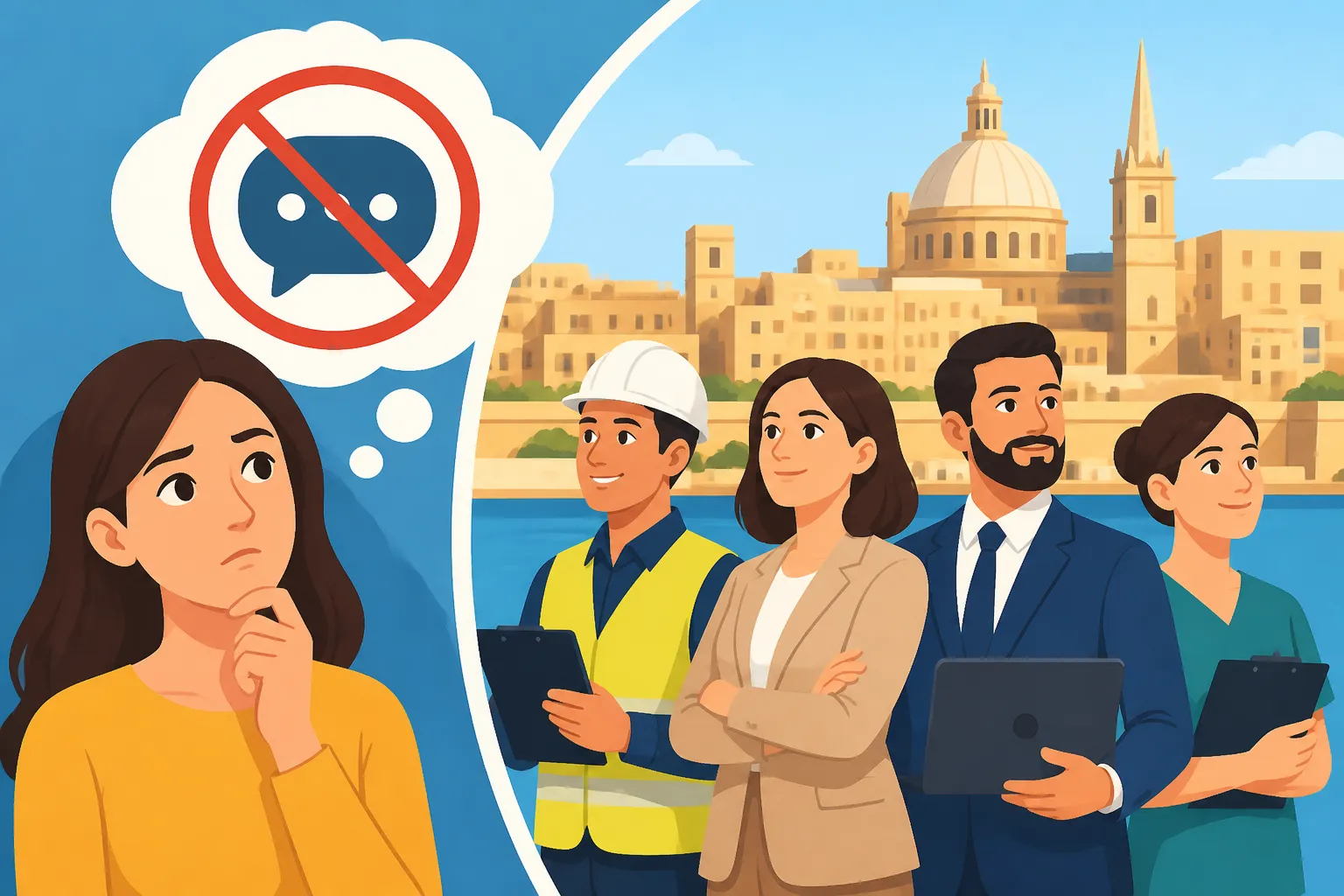
Do I Need to Speak Maltese to Get a Job in Malta?
Moving to a new country always brings with it a whole host of questions, not least about work. One of the biggest anxieties many expats arriving in Malta face is whether they'll be able to land a decent job without speaking Maltese. Let me tell you, it's a valid concern, but often one that's a bit overblown. This guide is going to cut through the noise and give you the real picture of language requirements in the Maltese job market, offering practical advice and dispelling some myths along the way.
The English Advantage: Malta’s Lingua Franca in the Workplace
Malta is a fascinating blend of cultures, deeply rooted in its history, and that's nowhere more evident than in its languages. While Maltese is the national language, English holds a very strong and official position, which is a massive relief for many of us who don't speak a lick of Maltese when we first arrive.
English as an Official Language and Business Language
You see, Malta spent over 150 years as part of the British Empire, and that legacy is still very much alive today. English isn't just a widely spoken foreign language here; it's an official language, on par with Maltese. This means all government documents, legal proceedings, and official communications are available in English. Critically for job seekers, this bilingual status extends seamlessly into the business world. Most companies, especially those dealing with international clients or operating within global industries, conduct their day-to-day operations entirely in English.
From team meetings to client pitches, internal memos to external reports, English is the default language of business across a significant portion of the Maltese economy. You'll find that even many local Maltese-run businesses, particularly those in tourist-heavy areas or with a diverse workforce, often default to English to ensure smooth communication among all employees. This makes the transition into the Maltese workplace far less daunting than in many other non-English speaking countries, as you won't constantly be battling a language barrier just to understand your colleagues or managers.
Sectors Where English is King
When you're looking for work in Malta, you'll quickly discover that certain sectors are almost exclusively English-speaking. These are often the same industries that attract a large international workforce and contribute significantly to Malta's economy.
The iGaming sector, for instance, is a massive employer of expats. Companies in this industry, which range from online casinos to sports betting platforms, operate globally, so English is the essential language for all internal and external communication. You'll find roles in customer support, marketing, IT, compliance, and management all conducted in English. Similarly, the Financial Services sector, including banking, insurance, and fintech, is heavily reliant on English. Malta aims to be a hub for international finance, and to do that, it needs to accommodate a global workforce and client base. You'll work with international regulations and communicate with diverse clients, making English proficiency paramount.
Beyond these, the IT and Tech industries thrive on English, as development teams often comprise individuals from various countries, and the technologies themselves are globally standardized in English. Even in Tourism and Hospitality, while a smattering of Maltese can be charming, English is the undeniable workhorse. Hotels, restaurants, tour operators, and resorts all depend on being able to communicate with a wide array of visitors, and English serves as the universal language. Furthermore, for those looking for remote work opportunities, Malta's status as a digital nomad-friendly country means many jobs, even if based in Malta, are for international companies where English is the sole language of operation. This is why many people can secure jobs here before even stepping foot on the island.
When Knowing Maltese Gives You an Edge (or is Essential)
While English opens many doors in Malta, pretending that Maltese isn't valuable would be a disservice. There are definitely situations where having Maltese can give you a significant advantage, and some where it's practically a non-negotiable requirement.
Roles Requiring Maltese Proficiency
Let's be realistic: if you're aiming for a job that involves direct, regular interaction with the general Maltese public, particularly those who might not be fluent in English, then Maltese becomes incredibly important. This is especially true for positions within the public sector. Government offices, local councils, and roles directly serving the Maltese citizenry will often list Maltese as a mandatory requirement. Think about working in a local post office, a social security office, or even some administrative roles within public hospitals or health centres – many people accessing these services will prefer to communicate in Maltese, especially the older generation.
Similarly, in healthcare, while many doctors and medical professionals are fluent in English, patient-facing roles in public health centres or certain community services might benefit greatly from, or even require, Maltese. Imagine a nurse trying to explain post-op instructions to an elderly patient who only speaks Maltese – it highlights the necessity. In education, if you're hoping to teach in a state school (as opposed to an international school), you'll almost certainly need to be fluent in Maltese, as a significant portion of the curriculum is taught in the national language. Even in certain customer service roles within local businesses that primarily cater to a Maltese clientele, being able to converse in Maltese will be a huge asset, if not a direct requirement. For instance, if you're working in a local boutique or a small grocery store outside the main expat hubs, connecting with customers in their native tongue can make all the difference.
Cultural Integration and Networking Benefits
Beyond the strict job requirements, embracing Maltese can profoundly enrich your life and career here. Learning the local language, even just a few phrases, demonstrates respect and a genuine interest in the culture. This can go a long way in building rapport with colleagues, clients, and superiors, making you feel more connected to your team and the wider community. It's not just about understanding words; it's about understanding nuances, jokes, and social cues that are often embedded in language.
Socially, being able to speak Maltese can unlock a deeper level of connection with locals. You might find yourself invited to more informal gatherings, understanding local gossip (in the best way!), and feeling more at home. Professionally, this improved integration can lead to better networking opportunities. Malta is a small island, and personal connections often play a significant role in career advancement. Being able to chat casually in Maltese at a work event or a local bar can open doors you might not even know existed. Think about it – if you're working in a mostly English-speaking company, but you're the one who can effortlessly switch to Maltese with a local supplier or a long-standing client, you instantly become more valuable to your employer. It’s an investment in your personal and professional growth.
Practical Strategies for Job Seekers (Whether You Speak Maltese or Not)
Navigating the job market in a new country can feel like a maze. But whether you're fluent in multiple languages or just sticking to English, there are definite strategies you can employ to boost your chances of finding meaningful employment in Malta.
Targeting English-Speaking Industries
Your first, and perhaps most obvious, strategy should be to focus your job search on those sectors where English is the primary language of business. We're talking about iGaming, finance, IT, tech, pharmaceutical, and tourism. These industries are booming in Malta and consistently seek international talent. Websites like Jobsplus, Malta's public employment service, as well as various private recruitment agencies and online job portals, are excellent places to start. Look for companies with a diverse workforce listed on their "About Us" pages, or those that explicitly state English as their working language in job descriptions.
Don't be afraid to cast a wide net initially, but quickly refine your search to roles that clearly align with your language profile. Many companies, especially international ones, have entire teams where English is the only language spoken, so don't let the idea that you must speak Maltese deter you from applying. Focus on your skills, experience, and what you can bring to an English-speaking team. When you're crafting your CV and cover letter, highlight your proficiency in English and any experience you have in multinational or diverse work environments. You can get more tailored advice on this by checking out our guide on how to Write a Maltese CV and Cover Letter That Get Noticed.
Learning Maltese: Resources and Benefits
Even if you secure a job in an English-speaking environment, making an effort to learn Maltese will undeniably enhance your experience on the island. You don't need to aim for fluency overnight; even basic conversational skills can make a huge difference. Imagine being able to order coffee, ask for directions, or chat with a shopkeeper in their native tongue – it truly makes you feel more connected to your new home.
There are numerous resources available for learning Maltese. The University of Malta offers courses, ranging from beginner to advanced. Local language schools, such as the Malta University Language School or other private institutions, also provide structured lessons. For a more flexible and personal approach, consider online platforms like iTalki, where you can find tutors for one-on-one lessons tailored to your schedule and learning style. Many expats swear by apps like Duolingo for starting with the basics, and local community centres sometimes offer informal conversation groups. The commitment doesn't have to be massive, just consistent. Even 15-20 minutes a day can build a surprising foundation over time, and the benefits for both your daily life and potential career progression are immense.
Essential Administrative Language
While your workplace might be entirely in English, some aspects of daily life, particularly administrative tasks, might involve a smattering of Maltese. While most official forms and government portals are bilingual, dealing with things like utility bills from ARMS, local wardens, or certain shop assistants might be smoother if you understand a few key Maltese phrases. You'll navigate setting up electricity and water with ARMS and Enemalta in Malta, or understand your utility tariffs more easily if you grasp the basic terms. This isn't about needing to conduct complex negotiations in Maltese, but rather feeling confident in everyday interactions.
You might also find that while your taxes are largely handled in English, understanding some of the local jargon can streamline things, especially if you're dealing with a local accountant. Companies like Taxes for Expats can certainly help you navigate the Maltese tax system, but a little local language knowledge is never a bad thing, even for understanding your payslip. It's about being proactive and making your life easier, not about fulfilling a strict job requirement.
Beyond Language: Other Factors for Employment Success in Malta
While language is a crucial aspect of job hunting, it's just one piece of the puzzle. Employers in Malta, like anywhere else, are looking for a comprehensive package of skills, experience, and attitude. Don't let your focus on language overshadow these other critical elements.
Qualifications, Experience, and Skills
Let's be clear: your professional qualifications, relevant work experience, and specific skills are, more often than not, the absolute bedrock of a successful job application in Malta. If you're highly skilled in a niche IT area, have extensive experience in international finance, or possess unique marketing expertise, these factors will weigh heavily in your favour, regardless of your Maltese language proficiency. Malta's economy relies on attracting skilled individuals to fill gaps in its workforce, particularly in high-growth sectors.
Employers are looking for talent that can contribute immediately to their business. Therefore, ensure your CV clearly articulates your educational background, previous roles, achievements, and any specialised certifications you hold. If you've worked for international companies or in diverse teams, highlight this, as it demonstrates your ability to integrate into a multicultural environment – a common scenario in Malta. Make sure your foreign qualifications are recognised in Malta through the MQRIC, which can be a key step. Think about what unique value you bring to the table. Are you a project manager with a proven track record? A software developer with expertise in a cutting-edge language? A multilingual customer service agent (even if Maltese isn't one of those languages, English and other European languages are highly valued)? These are the selling points that will make you stand out.
Networking and Application Tips
Job hunting in Malta, as with many places, isn't just about sending out CVs into the void. Networking can be incredibly powerful. Join expat groups on social media, attend industry events, and connect with people on LinkedIn who are already working in Malta. Many jobs are found through word-of-mouth or internal referrals, so building your network can open doors. You'll find many resources for Job Hunting in Malta: Recruiters, Portals, and Networking.
When applying for jobs, tailor your application to each role. Generic CVs rarely make the cut. Research the company, understand the job description, and highlight how your skills and experience directly match their needs. For many roles, especially in international companies, you can expect the interview process to be conducted entirely in English. Be prepared to discuss your experience, your motivations for moving to Malta, and your long-term career goals. Present yourself professionally, be enthusiastic, and demonstrate your cultural adaptability. Showing a genuine interest in living and working in Malta, rather than just seeing it as a stepping stone, can also leave a positive impression. Don't forget to understand the nuances of employment contracts and conditions of work in Malta, to ensure you're well-informed about your rights and responsibilities.
| Job Sector | Primary Language | Maltese Required/Advantageous? | Notes |
|---|---|---|---|
| iGaming | English | No (advantageous for some roles) | Predominantly English-speaking, global client base. |
| Financial Services / Fintech | English | No (advantageous for some roles) | International operations, complex regulations. |
| IT / Tech | English | No | Global industry standards, diverse teams. |
| Tourism & Hospitality | English | Advantageous (sometimes required) | Essential for general communication, but Maltese helps with locals. |
| Public Sector / Government | Maltese | Required | Direct service to local citizens, official communications. |
| Healthcare (patient-facing) | Both | Often required | Crucial for communication with non-English speaking patients. |
| Education (State Schools) | Maltese | Required | Curriculum taught in Maltese. |
| Retail (local clientele) | Both | Advantageous (sometimes required) | English for tourists, Maltese for local regulars. |
| Remote Work (foreign company) | English | No | Your employer is likely based outside Malta. |
The short answer is: no, you absolutely do not need to speak Maltese to get a job in Malta, especially if you're targeting the thriving international sectors like iGaming, finance, and IT. English is an official language and the lingua franca in a huge chunk of the Maltese economy, meaning there are plenty of opportunities for English-speaking expats. However, embracing the local language, even just a little, can significantly enhance your social integration, networking, and even open up new career avenues, particularly in public-facing roles. So, while you can definitely thrive here speaking only English, a bit of Maltese goes a very long way in making Malta truly feel like home.
Disclaimer
Please remember that the information provided in this guide is for general informational purposes only and does not constitute professional advice. While we strive to provide accurate and up-to-date content, circumstances, laws, and regulations in Malta can change. Always consult with relevant professionals, such as immigration lawyers, financial advisors, or recruitment specialists, for advice tailored to your specific situation.