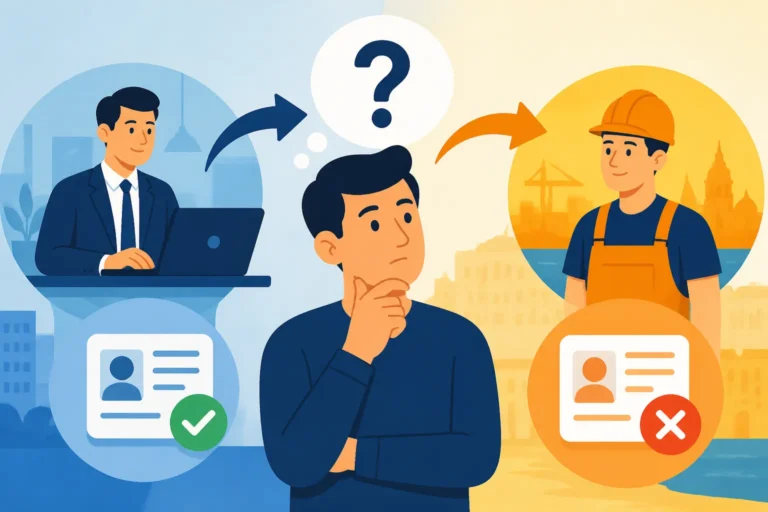
Can I Live and Work in Malta Using Only English?
One of the biggest worries many of you have when considering a move to Malta is the language barrier. You've heard Maltese is the national language, but what does that truly mean for your daily life and career here? This guide is going to walk you through the realistic experience of living and working in Malta as an English-only speaker, confirming that while knowing some Maltese is a lovely bonus, it’s absolutely not a prerequisite for thriving on the islands.
The Ubiquity of English: An Official Language, Not Just a Tourist Convenience
Let me put your mind at ease straight away: you absolutely can live and work in Malta using only English. I've been here for years, and I can tell you firsthand that it's the default language for countless expats, myself included. Malta isn't just a place where English is spoken; it's an official language alongside Maltese, enshrined in the constitution itself. This isn't like some European countries where English is only tolerated in tourist hotspots; here, it's deeply integrated into the fabric of society, from education to commerce to government.
A Lingual Legacy: History and Official Status
Malta's long history as a British colony has left an indelible mark on its language landscape. English isn't just a widely learned second language; it's practically a co-native language for many Maltese people. You'll hear it spoken everywhere – in conversations between locals, on television, in official announcements, and in pretty much every business interaction. It’s not uncommon to hear a fluid back-and-forth between Maltese and English within the same sentence, a phenomenon known as 'code-switching,' which is totally normal here. This official bilingualism means that all public services, official documents, and legal proceedings are available in both languages, removing a huge layer of stress for us foreigners.
Everyday Interactions: From Coffee to Groceries
Think about your average day: grabbing a coffee, doing your weekly shop, asking for directions, or just having a chat with a neighbour. All these interactions, 99% of the time, can be conducted perfectly in English. Staff in supermarkets like Lidl, Welbee's, or Scotts are fluent. Shopkeepers in Valletta or Sliema will switch to English without a second thought. Even in smaller, more traditional villages, you'll find that younger generations, in particular, have an excellent grasp of English, thanks to the education system. So, while a friendly "Bongu" (good morning) or "Grazzi" (thank you) in Maltese is always appreciated and will earn you a smile, it’s far from essential for basic communication.
Working Life in Malta: English as the Language of Business
For many of you coming to Malta, securing employment is a primary concern, and the good news is that English is overwhelmingly the language of business across the island. Malta’s economy is heavily reliant on international sectors like iGaming, Fintech, IT, and tourism, where English is not just preferred, but often a mandatory requirement.
Job Market Expectations and Key Sectors
If you're looking for work in Malta, your English language skills will be your most valuable asset. Most job descriptions explicitly state "fluency in English" as a requirement. In fact, for many roles, particularly in the tech and iGaming industries, English is the sole language of communication within the company. You'll find multinational teams where colleagues from all over the world communicate seamlessly in English. Even in more traditional sectors, or those geared towards the local market, English is almost always the common denominator for internal communication and dealings with international clients. This is excellent news for anyone trying to find a job in Malta without speaking Maltese. You'll often see roles advertised that also require other European languages like Italian, French, or German, but English is almost always the baseline.
Workplace Culture and Communication
Malta's workplaces are incredibly diverse, reflecting its expat population. This means that meetings, emails, team discussions, and social interactions within a professional context are almost exclusively conducted in English. It creates a very inclusive environment where everyone, regardless of their native tongue, can participate fully. Communication styles tend to be direct yet friendly, and a good grasp of English ensures you can navigate team dynamics and professional development opportunities without any language barriers holding you back. For those needing guidance on their employment rights, remember that resources like "The Maltese Workplace: Culture, Contracts, and Your Rights" are readily available in English.
Navigating Daily Life and Bureaucracy in English
One area where language can often become a hurdle in other countries is bureaucracy and essential services. Here in Malta, however, the government's commitment to bilingualism shines through, making administrative tasks manageable in English.
Government Services and Public Administration
When it comes to officialdom, you can breathe a sigh of relief. All government departments, from Identità (who handle your residence permits and eResidence cards) to the Inland Revenue Department (dealing with taxes), operate fully in English. Their websites are in English, their forms are in English, and the staff you interact with will speak English. I've personally handled countless applications, renewals, and queries at various government offices, and English has always been sufficient. If you need to register for health entitlement or get your Maltese ID card number, all the information and processes are accessible in English. This extends to things like registering your lease with the Housing Authority, applying for a single permit in Malta, or even appealing immigration decisions. The system is designed to accommodate English speakers.
Banking, Utilities, and Housing
Setting up your home life is equally straightforward. When you're trying to open a bank account in Malta, whether it's with HSBC, BOV, or APS, you’ll find all their services, online portals, and customer support are available in English. The same goes for utility providers like ARMS for electricity and water, and internet and mobile phone companies such as GO, Epic, or Melita. Their customer service lines and official communications are all in English. Finding a rental property in Malta and understanding your lease agreement will also be done in English, with agents and landlords accustomed to dealing with an international clientele.
Here’s a quick overview of essential services and the language you can expect:
| Service Category | Expected Language | Notes |
|---|---|---|
| Government & Public Offices | English | All official forms, websites, and direct communication. Staff are fluent. |
| Healthcare | English | Doctors, specialists, and hospital staff are proficient in English. MyHealth portal is also in English. |
| Banking & Finance | English | All major banks offer services, online platforms, and customer support in English. |
| Utilities & Telecoms | English | Bills, customer service, and online portals are provided in English. |
| Retail & Hospitality | English | Supermarket staff, restaurant servers, and shop assistants universally speak English. |
| Legal & Notarial Services | English | Lawyers and notaries conduct business and draft documents in English (often bilingual in formal settings). |
| Public Transport | English | Bus drivers, ticket machines, and route information are typically in English. See Public Transport in Malta: Free Bus Travel and the Tallinja Card for more. |
When a Little Maltese Might Still Be Handy (But Not Essential)
While English is perfectly sufficient for navigating Malta, there are certain situations where a few Maltese phrases can genuinely enhance your experience and help you connect on a deeper level. This isn't about necessity, but about enriching your immersion.
Connecting with Locals and Cultural Immersion
The Maltese are incredibly welcoming people, and while they appreciate any effort you make with their language, they’re also used to foreigners not speaking it. However, if you venture into a small village festa, or frequent a local bar away from the main tourist hubs, even a simple "Bongu" or "Kif int?" (How are you?) can break the ice and lead to a warmer interaction. It’s about showing respect for their culture and heritage, which goes a long way. Many expats find great joy in picking up conversational Maltese, not out of need, but out of a desire to integrate more fully. Resources like iTalki can be fantastic for finding local tutors to help you learn some basic phrases, or even delve deeper into the language if you feel inclined.
Understanding the Nuances of Maltese Culture
Language is inextricably linked to culture. While you won't miss out on essential information by only speaking English, understanding some Maltese can give you a richer appreciation for local humour, proverbs, and the rhythm of daily life. For instance, sometimes when ordering food in a very traditional eatery, having a basic grasp of menu items in Maltese can make the experience smoother, although staff will almost always translate for you. It's truly a personal choice; your ability to work and live here won't suffer if you don't pick it up. If you do decide to explore the language, there are many avenues for learning Maltese: Why and How Newcomers Pick It Up.
Final Thoughts on English in Malta
So, to definitively answer your question: yes, you can absolutely live and work in Malta using only English. It's a fundamental aspect of the country's national identity and its success as a European and international hub. From your job search and workplace interactions, to handling all your administrative tasks, banking, and daily errands, English will serve you perfectly.
Of course, like any expat in a new country, you'll still need to navigate the paperwork and systems. For example, understanding how your income is taxed or setting up your social security contributions will require careful attention, but all the official guidance for these processes, whether from the government or from specialist services like Taxes for Expats, is readily available in English.
Your journey in Malta will be rich and rewarding, and the language barrier, unlike in many other places, won't be one of your significant challenges. Embrace the experience, and enjoy this incredibly bilingual island!
Disclaimer
Please note that while this guide provides comprehensive information, regulations and procedures in Malta can change. It is always advisable to verify the latest requirements with official Maltese government sources or consult with legal and immigration professionals for advice tailored to your specific situation.