Can Malta Still Tax Me After I Leave?
Maltese tax obligations for departing expats cover worldwide income rules, the 183-day requirement, domicile differences, and ongoing property taxes.
Make your money work.
Banking, taxes, salary basics, payments, budgeting, and cost-of-living tips.

Maltese tax obligations for departing expats cover worldwide income rules, the 183-day requirement, domicile differences, and ongoing property taxes.

The 183-day rule for Malta tax residency explains ordinary residence, domicile, and how physical presence and lifestyle factors determine tax obligations.

Malta tax residency rules depend on the 183-day threshold, ordinary residence, intent, and domicile status affecting foreign income taxation.

Maintaining a home country bank account while living in Malta offers transitional support, helps manage foreign debts, and preserves financial security.

International money transfer options from Malta involve comparing exchange rate markups, fixed fees, and online services to reduce costs.
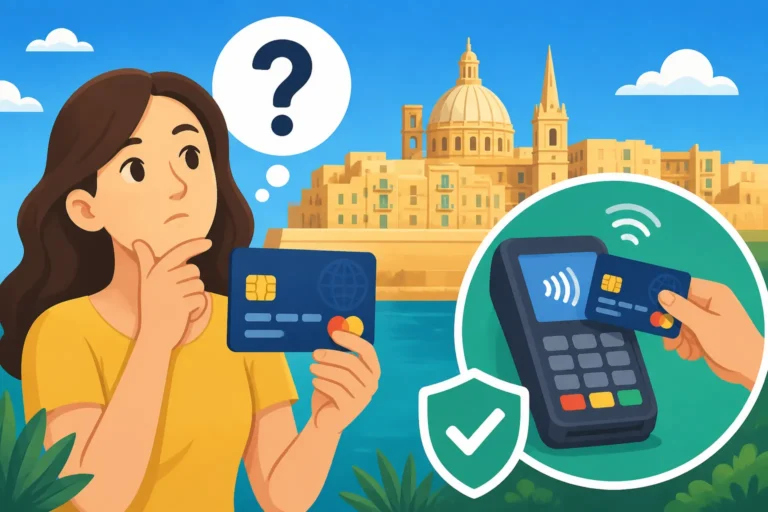
Foreign credit card use in Malta works well at major establishments, but high foreign transaction fees and cash-only vendors require careful budgeting.

Creditworthiness in Malta relies on local bank relationships, employment stability, and residency rather than a central credit scoring system.

Maltese rental credit checks rarely use formal scores, leaving tenants free to secure properties using proof of income and deposits.

Maltese bank loan approvals for expats depend on verifiable income, employment stability, debt ratios, local banking history, and residency status.
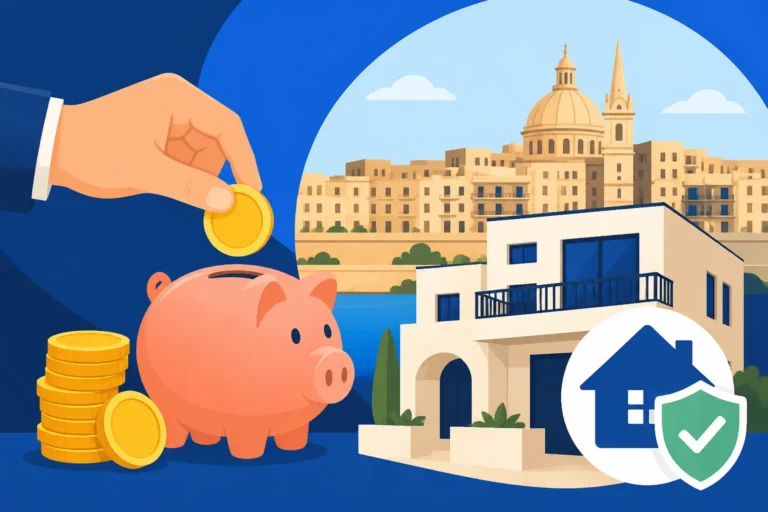
Property deposit requirements in Malta generally range from 10 to 20 percent of the purchase price, alongside additional legal and tax fees.