How Much Social Security Do I Pay as an Employee in Malta?
Employee social security contributions in Malta equal ten percent of basic weekly wages, subject to specific minimum and maximum caps.
Make your money work.
Banking, taxes, salary basics, payments, budgeting, and cost-of-living tips.

Employee social security contributions in Malta equal ten percent of basic weekly wages, subject to specific minimum and maximum caps.
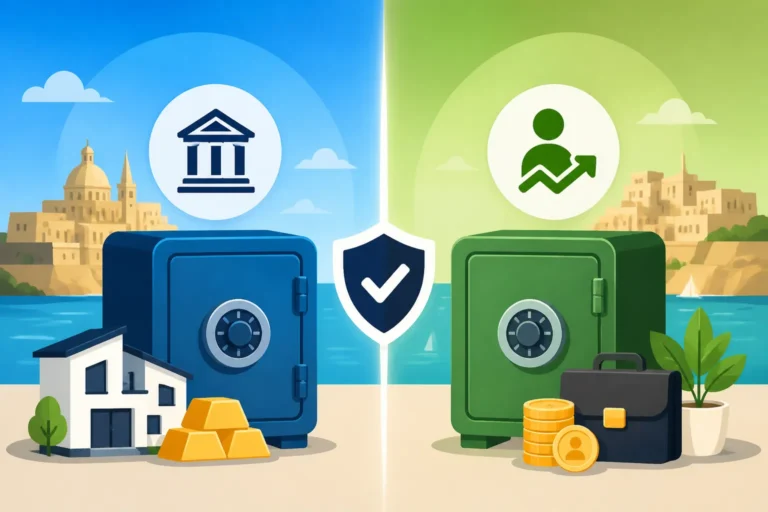
Maltese tax rules explain how expats can separate foreign capital and income to avoid tax liabilities on transferred funds.

Foreign dividend income taxation in Malta depends on your residency status, domicile, and whether those funds are brought into the country.

Foreign capital gains for non-domiciled residents in Malta are generally exempt from local taxation, regardless of whether funds are remitted.

Malta tax regulations on the five thousand euro minimum tax apply to non-domiciled residents meeting specific global income thresholds.

The €5,000 minimum tax applies to non-domiciled residents in Malta with foreign income exceeding €35,000 whose tax liability is below €5,000.

Foreign card spending in Malta generally does not constitute a taxable remittance when funds bypass local bank accounts entirely.

Malta tax regulations exempt foreign savings and pre-residence capital from taxation for non-domiciled residents, provided income remains separate.

Maltese tax rules explain how foreign income and capital gains affect residents who are not domiciled in Malta under the remittance basis.
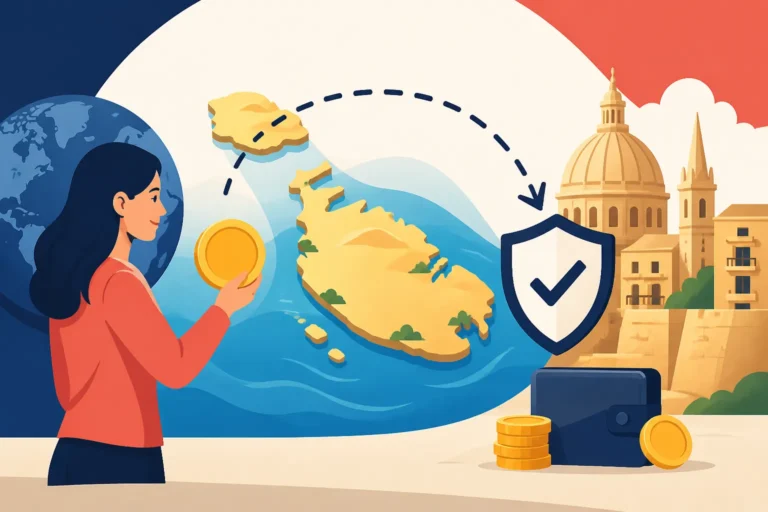
Malta’s remittance basis of taxation allows non-domiciled residents to tax foreign income and capital gains only when transferred onto the island.