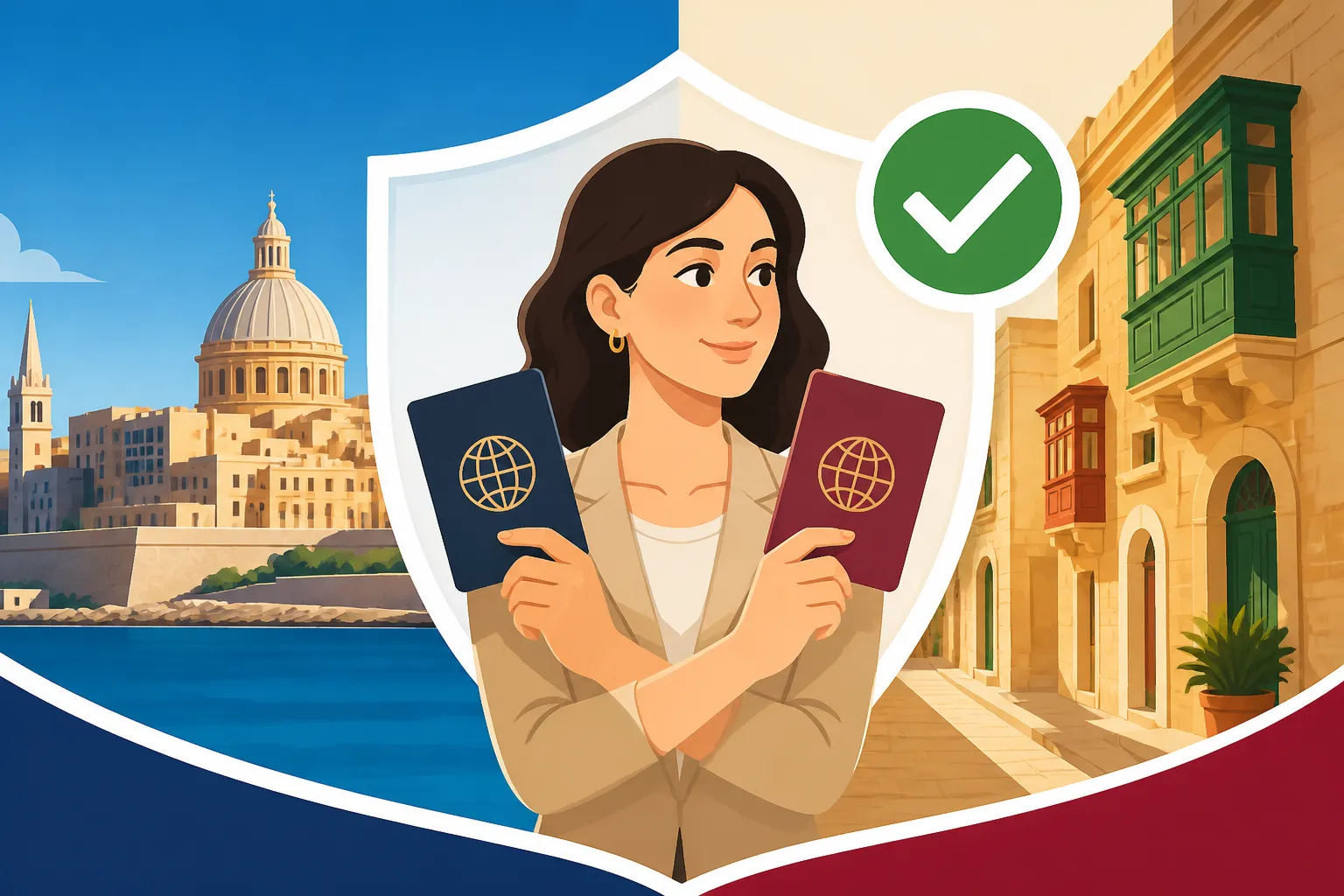
Dual Citizenship in Malta: What’s Allowed
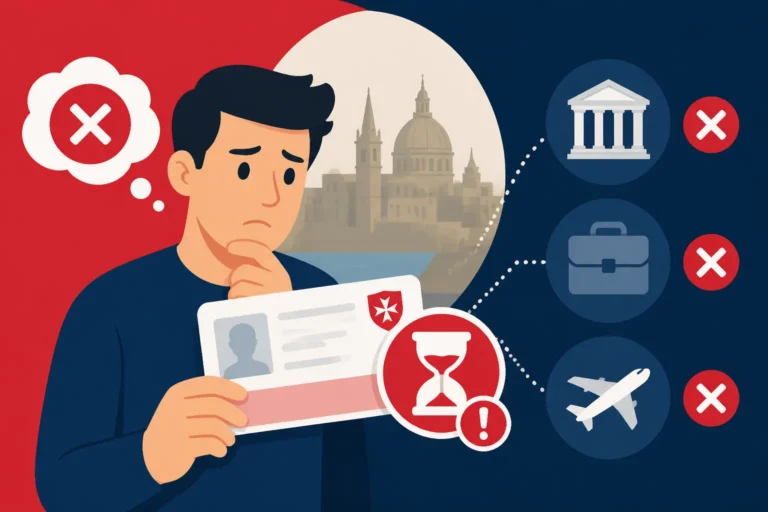
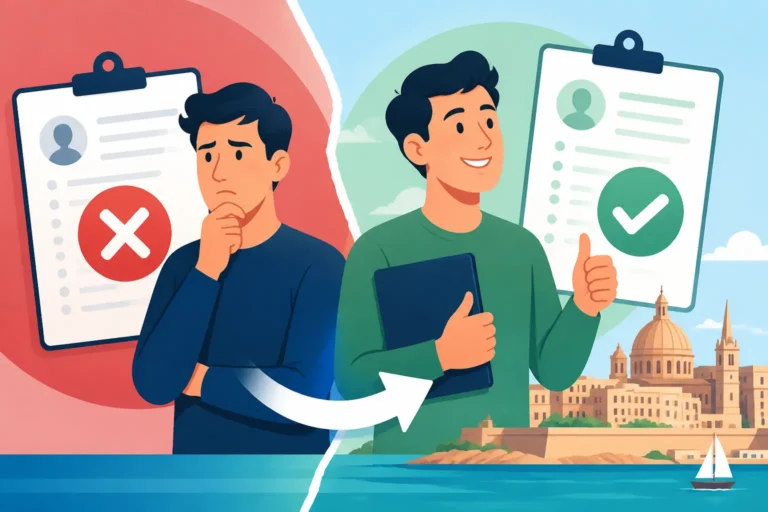
One of the most common anxieties I hear from people considering putting down roots here in Malta is the fear of losing their original nationality. The idea of becoming Maltese is exciting, but for many, giving up the passport they've always known feels like a huge step, or even a betrayal of their heritage. You spend all this time building a life abroad, and then suddenly, this big question mark looms over your head: "Will Malta let me keep both?" This guide is here to lay out the reality of dual citizenship in Malta, clarifying exactly what's allowed, the pathways, and what it all means for you.
Understanding Malta's Stance on Dual Citizenship
When you're looking at taking on a new nationality, one of the first things you have to figure out is how welcoming that new country is to the idea of you holding two passports, or even more. Many countries have strict rules, forcing you to renounce your previous citizenship. But Malta? Well, Malta is generally quite progressive on this front, which is a huge relief for many of us who consider this island home but still have deep ties to our country of origin.
The General Rule: Malta's Openness to Dual Nationality
For years, Malta has maintained a generally open policy towards dual citizenship. What this means in practice is that if you become a Maltese citizen, Malta won't typically require you to renounce your original nationality. Similarly, if you are born Maltese, or become Maltese through descent or marriage, you are generally allowed to hold another citizenship alongside your Maltese one, as long as your other country also permits it. This isn't a given in every nation, so it's a significant point of comfort for expats from places like the UK, Australia, Canada, the US, and many EU countries that also embrace dual nationality. It simplifies things immensely when you're thinking about long-term integration, making it feel less like a choice between two worlds and more like an expansion of your identity. You get to enjoy the benefits and responsibilities of both, which can be incredibly empowering.
Historical Context and Evolution of the Law
Malta's journey to embracing dual citizenship wasn't an overnight switch. Like many nations, its laws have evolved over time. Historically, there were periods when Malta was much stricter, generally requiring renunciation if an adult acquired foreign citizenship. This was often tied to concerns about loyalty or national identity. However, as Malta matured as an independent nation, especially with its entry into the European Union in 2004, its perspective broadened significantly. The world became more interconnected, global mobility increased, and the value of diasporas – people living abroad but maintaining ties – became more recognised.
The turning point for many was the amendments to the Maltese Citizenship Act. These changes reflect a modern understanding that people can have multiple allegiances and identities without diminishing their connection to Malta. The Maltese government realised that allowing dual citizenship could benefit the country by maintaining ties with Maltese emigrants and their descendants, attracting talented individuals, and fostering a more diverse and internationally-minded population. So, when you look at Malta's current policy, it's not just a casual allowance; it's a deliberate and considered approach that reflects the country's place in a globalised world. It means that the legal framework is solid, and you don't have to worry about the rules suddenly changing to your detriment, at least not without significant public and legislative debate.
Paths to Maltese Citizenship and Dual Nationality
There are several routes to becoming a Maltese citizen, and happily, most of them allow for dual nationality. Each path has its own set of requirements and considerations, but the common thread is Malta's general acceptance of you maintaining your original passport.
Citizenship by Birth and Descent
This is often the most straightforward path. If you were born in Malta before August 1, 1989, you are generally a Maltese citizen by birth. If you were born after this date, the rules became a bit more nuanced, typically requiring at least one parent to be a Maltese citizen or legally resident in Malta at the time of your birth. For those born abroad, citizenship by descent is a very strong route. If one of your parents or even grandparents was born in Malta, you might have a claim.
The beauty of citizenship by descent is that it’s often seen as an inherent right, and Malta explicitly allows individuals acquiring citizenship this way to retain their foreign citizenship. I've known so many people, particularly from Australia, Canada, and the UK, whose grandparents emigrated from Malta, and they've been able to successfully claim Maltese citizenship while keeping their original nationality. It’s a wonderful way to reconnect with your heritage and gain all the benefits of EU citizenship without having to give up your established ties to your home country. This recognition of ancestral ties is a testament to Malta's commitment to its diaspora.
Citizenship by Naturalisation for Residents
For many expats like us, who weren't born here but have fallen in love with the place, naturalisation is the main pathway. This is where the long-term commitment to Malta really pays off. Generally, to apply for Maltese citizenship by naturalisation, you need to have resided in Malta for a continuous period of at least five years immediately prior to your application. This usually means you've held residence permits, paid your taxes, and generally integrated into society.
The process involves proving your genuine connection to the island – showing you’re an active member of the community, have good character, and intend to continue residing here. The application is typically made to Identità, the national agency responsible for identity management. Once approved, you'll take an Oath of Allegiance. Crucially, at this stage, Malta typically does not demand that you renounce your previous citizenship. This is often where the biggest relief comes for applicants, knowing they can finally get that coveted Maltese passport while still keeping their Canadian, American, or other national passport safely in their drawer. It's a recognition of your contribution and integration, without demanding a complete severing of your past. For more details on the process, you might find "Becoming a Maltese Citizen: Naturalisation and the Requirements" a helpful resource.
Citizenship by Marriage
Marrying a Maltese citizen also offers a pathway to citizenship, and it’s one that generally allows for dual nationality. The requirements for citizenship by marriage are often a bit different from naturalisation. Typically, you need to have been married to a Maltese citizen for at least five years and still be married at the time of application. You also need to demonstrate continuous residence in Malta for those five years.
This route acknowledges the deep personal bond formed by marriage and the family unit. It recognises that by marrying a Maltese national, you're becoming an intrinsic part of Maltese society and culture. As with naturalisation, the Maltese authorities usually do not require you to give up your existing nationality when granted citizenship through marriage. This is fantastic for couples who come from different national backgrounds and want to ensure both partners can fully embrace their life in Malta without one having to sacrifice their heritage for the other. It means a simpler and more secure future for families here. You can learn more about this in "Citizenship by Descent and Marriage in Malta".
Implications and Benefits of Holding Dual Maltese Citizenship
So, you’ve navigated the bureaucracy and taken the oath – congratulations, you’re now a dual citizen! This isn't just a paper exercise; it opens up a whole new world of benefits and rights, not just in Malta, but across the European Union and beyond. It’s truly transformative for many expats.
Travel Freedoms and EU Rights
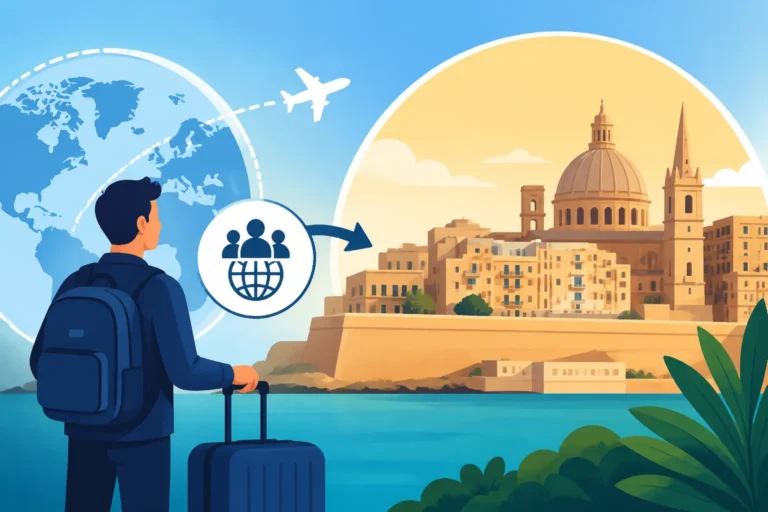
This is probably the biggest and most immediate benefit for anyone holding a Maltese passport alongside their original one. As a Maltese citizen, you are also an EU citizen. This means you have the fundamental right to live, work, study, and travel freely across all 27 member states of the European Union, as well as in Iceland, Liechtenstein, Norway (the EEA countries), and Switzerland. Imagine the ease of hopping over to Italy for a weekend without visa worries, or considering a job offer in Germany without immigration headaches.
For non-EU citizens who initially moved to Malta on work or residence permits, this is a game-changer. No more worrying about visa renewals for Schengen travel, no more restricted stays. You can simply pack your bags and go, just like any other EU national. This freedom extends beyond travel; it means access to public services, social security, and even political participation in other EU countries under certain conditions. For someone from, say, the United States or South Africa, gaining an EU passport through Maltese citizenship is a truly invaluable asset, massively increasing their global mobility and opportunities. It’s like having a master key to a continent.
Property Ownership and Residency Rights
While your initial residence permit in Malta allowed you to live here, becoming a citizen solidifies your right to permanent residency, which is a different beast entirely from long-term residence status. This means you can live in Malta indefinitely without needing to renew permits or meet specific conditions like employment or financial means (beyond general self-sufficiency). For many, this brings immense peace of mind. No more anxiously tracking permit expiry dates or dealing with the sometimes frustrating process with Identità.
When it comes to property, while non-EU citizens can buy property in Malta, they often face restrictions, such as requiring an Acquisition of Immovable Property (AIP) permit outside of Special Designated Areas (SDAs). As a Maltese citizen, these restrictions generally fall away. You can purchase any property without needing an AIP permit, which opens up far more options across the island, from a traditional townhouse in the Three Cities to a modern apartment in Mellieħa. This simplifies the buying process and gives you more flexibility and freedom in your investment choices. It ties you to the land in a way that mere residency never can, reinforcing your sense of belonging.
Voting Rights and Consular Protection
Another significant benefit is the right to vote in Maltese general elections and European Parliament elections. This means you have a direct say in the governance of the country you now call home and in the direction of the wider European Union. It’s about more than just casting a ballot; it's about active participation in civil society and having your voice heard on issues that directly affect your daily life here in Malta. You also gain the right to run for public office, should you ever feel the call to serve.
Furthermore, as a Maltese citizen, you are entitled to consular protection from any Maltese or indeed any EU embassy or consulate worldwide if you're in a country where your other nationality's consulate isn't present. This means if you get into trouble while travelling in a remote corner of the world, you have a much wider network of support to fall back on. It’s an added layer of security that often goes unmentioned but can be incredibly vital in unforeseen circumstances. This dual protection provides a powerful safety net.
Navigating Potential Challenges and Considerations
While Malta generally embraces dual citizenship, it’s not always a completely smooth ride. There can be implications, especially concerning your other nationality and certain administrative aspects. It's vital to do your homework and understand both sides of the coin.
Tax Implications for Dual Nationals
This is probably the most complex area when it comes to dual citizenship, and honestly, it can be a real headache if you don’t get proper advice. While Malta's tax system operates on a residence and domicile basis – meaning you're generally taxed on worldwide income if you're resident and domiciled, or on a remittance basis if you're resident but not domiciled – your other country might have different rules. For example, the United States taxes its citizens worldwide, regardless of where they live. So, if you’re a US citizen who also becomes Maltese, you’ll still have US tax obligations, even if you live full-time in Malta. This often means filing tax returns in both countries.
It’s absolutely crucial to consult with a tax advisor who specialises in international taxation. They can help you understand Malta's tax treaties, how to avoid double taxation, and how your income and assets will be treated by both jurisdictions. You don't want any nasty surprises. Remember that even if you're on Malta's remittance basis of taxation, meaning you only pay tax on foreign income brought into Malta, your other country might still demand declarations on your worldwide income. This needs careful planning. For more on Malta's tax system, take a look at "The Maltese Tax System Explained: Residence, Domicile, and Remittance" and "How Foreign Income and Capital Gains Are Treated in Malta".
Impact on Original Citizenship: Country-Specific Rules
While Malta allows you to keep your original citizenship, your home country might not be so flexible. Some countries automatically revoke citizenship if you voluntarily acquire another. For instance, some specific countries in Asia, Africa, and even a few in Europe might still have this policy. It's not about Malta; it's about their laws. Before you go down the path of acquiring Maltese citizenship, it is imperative that you thoroughly research the citizenship laws of your country of origin.
You might need to contact their embassy or consulate, or even a lawyer specialising in their nationality laws. Imagine going through the entire Maltese naturalisation process, only to find out that by taking the oath, you've inadvertently lost your original nationality. That would be a truly devastating discovery. So, this due diligence on your original citizenship is arguably the most critical step in the entire journey. Do not assume; verify everything.
Military Service and Other Obligations
This is another aspect that often gets overlooked in the excitement of obtaining a second passport. Depending on your original nationality and its laws, acquiring Maltese citizenship could trigger new obligations. The most common one that comes to mind is military service. Some countries have mandatory military service for their citizens, and if you're a dual national, you might find yourself theoretically liable in both countries. While Malta doesn't have mandatory military service, your original country might.
It’s rare, but it’s a possibility worth investigating. Beyond military service, consider other civic duties, such as jury duty, or specific reporting requirements for dual nationals. Some countries might require you to inform them when you acquire a new citizenship. It's all about understanding the full picture of what it means to be a citizen of two nations. Most of these obligations are manageable, but knowing about them in advance allows you to plan and avoid any future complications.
Applying for Maltese Citizenship: What to Expect
The process of applying for Maltese citizenship, especially by naturalisation, can feel daunting. It's a bureaucratic journey, often taking significant time, but with careful preparation and realistic expectations, it's entirely navigable. Just be prepared for the paperwork!
Gathering Documentation and Application Process
Applying for Maltese citizenship means gathering a mountain of documents. This isn't just a casual form submission; it's a comprehensive dossier designed to prove your identity, your good character, and your genuine connection to Malta. You'll need original birth certificates, marriage certificates (if applicable), police conduct certificates from every country you’ve lived in for a certain period, proof of continuous residence in Malta (lease agreements, utility bills, etc.), evidence of financial stability, and detailed travel histories. And yes, expect to pay a good number of fees along the way – for applications, processing, and swearing the oath.
The application form itself requires meticulous completion. Any discrepancies or missing information can cause significant delays. It's not uncommon for Identità to come back with requests for further documentation, sometimes several times. My advice? Start gathering everything well in advance. Ensure all foreign documents are apostilled or legalised and officially translated into English or Maltese if they aren't already. Patience is definitely a virtue here. The agency responsible is Identità, and their processes can be quite detailed. For a deeper dive into the required documents, check out "Do My Documents Need Certified English Translations for Malta?" and "Do I Need a Clean Criminal Record for Maltese Citizenship?".
Biometrics and Oath of Allegiance
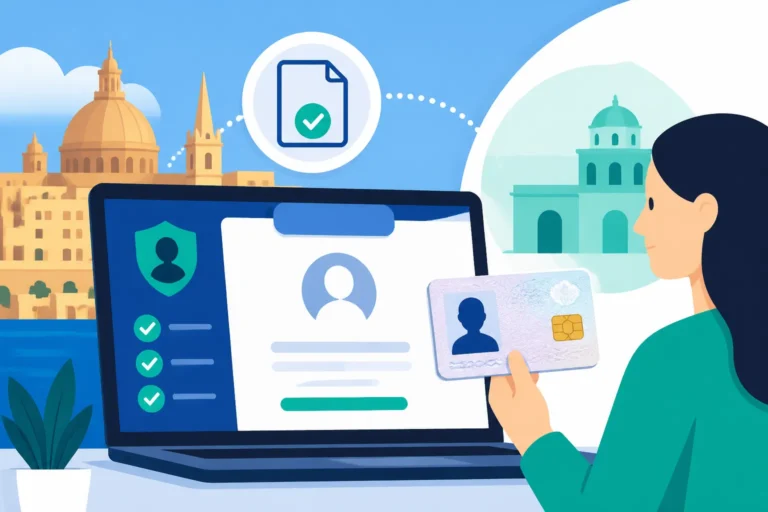
Once your application has been processed and you've received initial approval, the next major steps typically involve biometrics and the Oath of Allegiance. Biometrics usually involve providing your fingerprints and a digital photograph, which are then stored in your eResidence card and in national databases. This is a standard security measure and part of verifying your identity as a new citizen.
The Oath of Allegiance is a formal ceremony where you solemnly swear or affirm your loyalty to the Republic of Malta and its Constitution. This is a significant moment, marking your official entry into Maltese citizenship. You'll typically do this before a Commissioner for Oaths or other authorised official. It’s a moment that really brings home the reality of your new status. While it’s a formal affair, it’s also a time for celebration, often shared with other new citizens. After taking the oath, you will eventually be issued with your Maltese certificate of naturalisation and can then apply for your Maltese passport and eResidence card, finally solidifying your dual national status.
Maintaining Your Dual Citizenship Status
Once you've successfully acquired Maltese citizenship and retained your original nationality, you might think the journey is over. In many ways, it is, but there are still a few ongoing considerations to keep in mind to ensure everything runs smoothly and you remain compliant with the laws of both countries.
When you're a dual national, it's essentially like having two sets of responsibilities and two sets of rights. This often means staying informed about legislative changes in both nations. For example, if your original country introduces new requirements for its citizens living abroad, or if Malta amends its own citizenship laws (though this is less frequent for existing citizens), you'll want to be aware of those changes. Subscribing to government updates or expat forums can be helpful.
One practical aspect for those who travel frequently is deciding which passport to use. Generally, when entering or exiting Malta, you should use your Maltese passport. When travelling to your original country, it’s usually best to use that country's passport. For travel to other countries, you can typically choose, often opting for the passport that grants you easier visa-free access or meets specific entry requirements. For example, as a Maltese citizen, you have extensive visa-free access across the globe, including countries like the United States (under the Visa Waiver Program) and Canada, which might be more extensive than your original passport. When you’re dealing with international moves, companies like Sirelo, a moving comparison platform, often provide resources on navigating paperwork for different nationalities, which can be surprisingly helpful even for ongoing matters.
It’s also crucial to remember that your personal details, such as address changes, should ideally be updated with both sets of authorities. While Malta’s Identità tracks your residence, your original country’s embassy might also appreciate updates, especially if you plan to access consular services. Similarly, if you renew one passport, be mindful of how that might impact any travel plans where you've used the other passport for visa applications. This doesn't mean it's overly complicated, but it does require a slightly higher degree of attentiveness than being a single national. Being proactive in managing your documents will save you a lot of potential headaches in the long run.
| Citizenship Pathway | General Maltese Stance on Dual Nationality | Typical Residence Requirement in Malta | Key Documentation | Primary Benefit for Expats |
|---|---|---|---|---|
| By Birth / Descent | Allowed | None (if born/descended from Maltese parent/grandparent) | Birth certificates, proof of parent/grandparent’s Maltese citizenship | Reconnection with heritage, automatic EU rights |
| By Naturalisation | Allowed | 5+ years continuous residency immediately prior to application | Police conduct, residence proof, financial stability, character references | Securing long-term future in Malta/EU, voting rights |
| By Marriage | Allowed | 5+ years continuous residency and marriage to Maltese citizen | Marriage certificate, spouse’s Maltese ID, residence proof | Family unity, full integration into spouse’s nation |
Disclaimer
The information provided in this guide is for general informational purposes only and does not constitute legal, financial, or immigration advice. While every effort has been made to ensure accuracy, laws and regulations can change. Always consult with qualified legal and immigration professionals, especially Identità, the Department for Citizenship and Expatriate Affairs, and a tax advisor, regarding your specific circumstances before making any decisions related to citizenship or taxation in Malta.