Getting Around Malta: Buses, Ferries, Driving, and the Gozo Connection
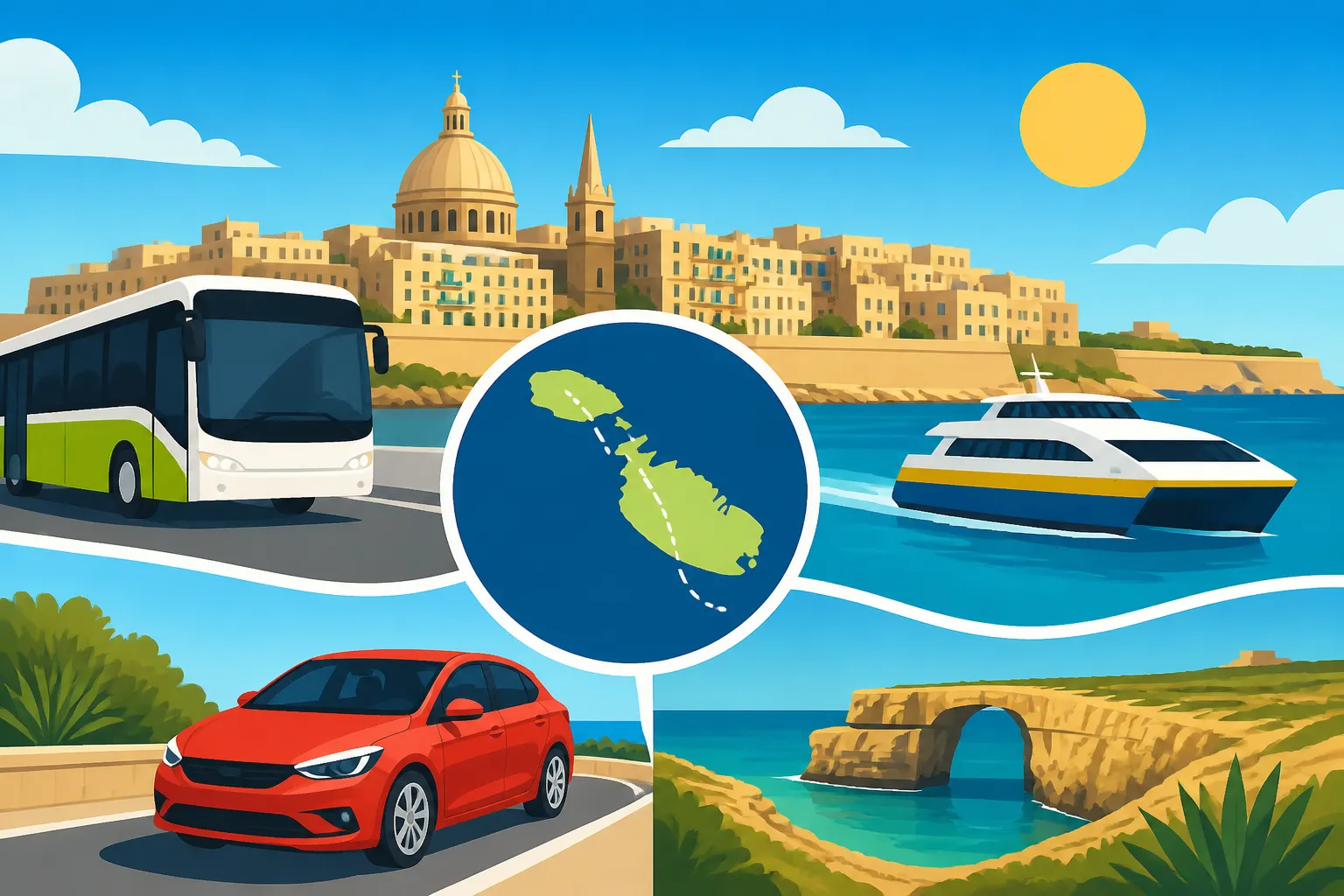
Oh, the joy of getting around Malta! If you've just arrived, or even if you've been here a little while, you've probably already experienced that unique blend of charm and chaos that defines Maltese transport. One minute you’re cruising along with a sea view, the next you're stuck in traffic wondering if you’ll ever make it to your appointment on time. It’s a common expat frustration, believe me, but don't despair! This comprehensive guide will peel back the layers of Malta's transport system, exploring everything from public buses and various ferry services to the distinct challenges and triumphs of driving here, and of course, how to seamlessly connect with our beloved sister island, Gozo, helping you move like a local in no time.
Navigating Malta's Public Transport Network: The Bus System
Let's face it, the public bus system is often the first real interaction most newcomers have with Maltese transport, and it can be a bit of a baptism by fire. You've probably heard stories – delays, crowded buses, "interesting" driving – but honestly, once you get the hang of it, the buses can be a surprisingly effective and certainly the most economical way to get around the islands. It’s not Rome, but it’s not Switzerland either. It’s Malta, and it has its own rhythm.
Understanding the Tallinja Card and Free Public Transport
For anyone living here, your Tallinja Card is your golden ticket, literally. In a fantastic initiative launched in 2022, Malta became one of the few countries to offer free public transport for all residents. This is a massive boon for your wallet, especially when you consider the rising cost of living. To qualify, you need to be a resident with a valid Maltese ID Card number and hold a personalised Tallinja Card. Once you've got your ID number, applying for the card is straightforward online or at one of the Malta Public Transport offices.
Before this initiative, you’d be topping up your card regularly, but now, as long as you tap your card every time you board, your fare will be zero. It's truly life-changing for many, particularly those without a car or who are conscious of their environmental footprint. If you're wondering how to get one, check out our guide on how to get a Tallinja Card in Malta? It really demystifies the process. Just remember, tapping your card isn't optional – it's how they track usage and maintain the free service. So, even if the driver waves you through, tap that card!
Routes, Schedules, and Real-Time Information
Malta Public Transport operates an extensive network covering pretty much every corner of Malta and Gozo, even if some routes feel like they take the scenic route through every village. Major hubs like Valletta, Mater Dei Hospital, Sliema, and St. Julian's are well-connected, often with frequent services. However, if you're venturing to more rural areas or during off-peak times, the frequency can drop significantly. This is where a bit of planning, or a lot of patience, comes in handy.
The Tallinja app is an absolute must-have on your phone. It provides real-time bus tracking, so you can see exactly where your bus is and if it's running late (which, let's be honest, happens). You can also plan your journeys, view timetables, and find nearby bus stops. While the app is generally reliable, remember it’s Malta: sometimes buses just… disappear from the map, or an unexpected festa procession reroutes everything. Always allow extra time for your journeys, especially if you have an important appointment. For insights into bus punctuality, our article on how reliable are the buses in Malta? offers a realistic look.
Tips for a Smooth Bus Journey in Malta
My top tip? Be prepared for crowds, especially during rush hour or on popular routes like those connecting Sliema/St. Julian's to Valletta. During summer, buses heading to beaches or tourist spots can be packed. If you're travelling with luggage, try to avoid peak times. Also, keep an eye out for your stop! Buses don't always announce stops, and it's easy to miss yours if you're not paying attention, especially on routes you're unfamiliar with. Using the Tallinja app's live map feature can help you track your progress.
Another piece of advice is to familiarise yourself with the bus etiquette. You queue at the bus stop, obviously, but sometimes when a busy bus arrives, it can feel a bit like a free-for-all. Be assertive but polite. And always have some form of mobile data on your phone – for the Tallinja app and general navigation. I've found an Airalo eSIM invaluable for quick data access when I first arrive, or when my regular plan is playing up, ensuring I can always find my way, even if it's just checking the bus map when I'm hopelessly lost in a new village.
Exploring the Maltese Islands by Ferry and Water Taxi
While buses traverse the land, Malta’s archipelago nature means that ferries are an integral part of getting around, offering scenic views and often quicker connections across short stretches of water. They're not just for tourists; many locals and expats rely on them daily for commuting, particularly between the main island and Gozo, or across the Grand Harbour.
The Gozo Ferry: Your Gateway to Malta's Sister Island
Ah, the Gozo ferry – a true lifeline for our sister island and an essential part of the Maltese experience. If you’re living in Malta, a trip to Gozo isn't just a holiday; it's a breath of fresh air, a slower pace, and a chance to experience a different side of the country. The Gozo Channel Company operates large car ferries regularly between Cirkewwa (Malta) and Mġarr (Gozo). The journey takes about 25 minutes and is incredibly picturesque, especially if you can snag a spot on the upper deck.
What's unique about the Gozo ferry is that you generally pay on the return journey from Gozo to Malta. This means you just drive or walk straight onto the ferry at Cirkewwa, and only buy your ticket when you leave Mġarr. It’s a convenient system, reducing congestion on the Malta side. Prices are quite reasonable, especially if you're travelling as a foot passenger. For up-to-date schedules and fares, which can fluctuate slightly seasonally, consult the Gozo Channel website directly. Our guide on getting to Gozo: The Ferry, Fast Ferry, and Inter-Island Travel provides even more detail on this vital link.
Fast Ferries and Harbour Ferries: Connecting Key Locations
Beyond the main Gozo ferry, Malta has invested in faster ferry services that have significantly cut down travel times for commuters and tourists alike. The Valletta-Gozo fast ferry service, operated by two companies (Gozo Highspeed and Virtu Ferries Gozo), connects the capital city directly to Mġarr, Gozo, in just under 45 minutes. This is a game-changer for day-trippers and those working in Valletta who live on Gozo. Unlike the car ferry, these are passenger-only services.
Within the Grand Harbour area, smaller harbour ferries offer charming and efficient connections. The Sliema-Valletta ferry and the Three Cities-Valletta ferry are incredibly popular. They save you from navigating congested roads and provide stunning views of Valletta’s fortifications from the water. They run frequently throughout the day and are also covered by your Tallinja Card, though you still need to tap on and off. These are not just transport options; they're experiences in themselves, offering a unique perspective of Malta's historic waterfronts.
Private Boat Trips and Water Taxis
For a more personalised or direct water crossing, private boat trips and water taxis are also an option, though naturally, they come at a higher cost. These can be particularly useful for reaching smaller coves, isolated beaches, or for customised tours around the islands. You’ll find numerous operators around the main tourist areas like Sliema, St. Julian's, and the various yacht marinas. They can take you to places like Comino's Blue Lagoon directly, often avoiding the larger, more crowded tour boats.
While not a daily commute option for most, a private water taxi can be a lifesaver if you're in a hurry and need to get from one harbour town to another without dealing with traffic. Imagine needing to cross the Grand Harbour quickly – instead of a potentially long bus ride around the perimeter, a 10-minute water taxi ride does the trick. It’s also a fantastic way to treat yourself to a sunset cruise or a special day out, offering unparalleled views of Malta’s coastline.
Driving in Malta: The Good, The Bad, and The Utterly Confusing
Okay, let's talk about driving in Malta. This is where opinions truly diverge. Some expats swear by having a car, while others wouldn't touch it with a ten-foot pole. It’s true that having your own wheels offers unparalleled freedom, allowing you to explore hidden gems and navigate areas less served by public transport. However, it also comes with its own set of… unique challenges.
Driving Licences and International Permits for Expats
First things first: your driving licence. Malta drives on the left, just like the UK, Australia, and a few other countries. If your licence is from an EU/EEA country, you can use it here indefinitely. However, it’s highly recommended to exchange it for a Maltese one, especially if you plan to stay long-term. This simplifies things like insurance claims and avoids any confusion with local authorities. Our guide on importing or exchanging your driving licence in Malta has all the step-by-step details you'll need.
For non-EU/EEA citizens, the rules are a bit more nuanced. Generally, you can drive on your foreign licence for up to 12 months from your arrival date. After that, you must exchange it for a Maltese licence. Depending on your country of origin, this might involve taking a Maltese driving test (both theory and practical), which can be a significant hurdle. Make sure to check the specific requirements for your nationality well in advance with Transport Malta to avoid any nasty surprises.
Road Conditions, Parking, and the Infamous Maltese Driving Style
If you've driven in Southern Europe before, you might have a vague idea of what to expect, but Malta often takes it to another level. The roads themselves vary wildly – from newly paved stretches in urban areas to narrow, winding, pothole-riddled country lanes. Speed limits are generally low (50km/h in urban areas, 80km/h outside), but enforcement can feel… inconsistent. Indicators are sometimes seen as optional, and horn usage is an art form. It really takes some getting used to.
Parking is often the biggest headache. In popular towns like Sliema, St. Julian's, and Valletta, finding a spot can feel like winning the lottery, especially after working hours. Residential areas often have controlled parking zones (RPZs) for residents, and many streets have limited time parking. Private car parks exist but can be expensive. Many expats eventually adapt by developing a keen eye for parallel parking in impossibly tight spots, or simply accepting that they'll be walking a bit further than planned. This is definitely one of those aspects where you might wonder if you even need a car to live in Malta.
Buying, Renting, or Leasing a Car: Weighing Your Options
So, if you decide to brave the roads, what’s the best way to get a car?
Renting is great for short stays or if you just need a car occasionally. There are numerous car rental agencies, from international brands to local operators. Ensure you understand the insurance excess and fuel policies. However, for anything longer than a few weeks, daily rental costs quickly add up.
Buying a used car is a popular option for residents. The second-hand market in Malta is quite active, with popular models being smaller, fuel-efficient cars that can navigate narrow streets and tight parking. Facebook Marketplace, local classifieds, and used car dealerships are common places to look. Be prepared for potentially higher prices compared to some other European countries due to import duties and Malta's insular market. Don't forget to factor in insurance, road tax, and VRT (vehicle roadworthiness test) costs. Our article on is it worth buying or renting a car in Malta? delves deeper into this dilemma.
Leasing, though less common for private individuals, is an alternative for businesses or long-term residents who want a newer car without the upfront purchase cost and the hassle of maintenance. It offers fixed monthly payments and often includes servicing, which can provide peace of mind in a place where mechanics might charge a 'Malta price'.
| Feature | Public Bus System | Gozo Ferry / Fast Ferries | Driving a Private Car | Ride-Hailing Apps / Taxis |
|---|---|---|---|---|
| Cost | Free for residents (with Tallinja Card) | Low (esp. foot passenger) | High (purchase/rent, fuel, insurance, tax) | Moderate to High (per trip) |
| Speed | Variable (traffic, many stops) | Moderate (fixed route & time) | Variable (traffic, but direct) | Moderate to High (direct, but traffic dependent) |
| Convenience | Good coverage, frequent routes in main areas | Scenic, essential for Gozo | Max flexibility, reach remote areas | Door-to-door, on-demand, no parking hassle |
| Comfort | Can be crowded, standing often | Generally comfortable, indoor/outdoor | As comfortable as your own car | Comfortable, private |
| Accessibility | Generally good, but older buses may lack ramps | Good, ramps for vehicles/foot passengers | Dependent on individual mobility, parking an issue | Good, can specify needs in some apps |
| Environmental | Low impact (electric buses being introduced) | Moderate (diesel, but shared transport) | High (individual emissions) | Moderate (can be electric, but still individual) |
| Main Use | Daily commute, general travel | Inter-island travel, scenic trips | Full freedom, rural exploration | Late nights, emergencies, avoiding parking |
Alternative Transport Options and Ride-Sharing Services
Beyond the traditional buses, ferries, and private cars, Malta has seen a rise in alternative transport options that cater to different needs, offering flexibility and, in some cases, a greener way to get around. It's a testament to the island's evolving urban landscape and the continuous demand for better mobility solutions.
Ride-Hailing Apps: Bolt, eCabs, and the Taxi Experience
When you need to get somewhere quickly, don't fancy battling for a bus seat, or it's simply too late for public transport, ride-hailing apps are your saviour. Bolt and eCabs are the dominant players in Malta, offering on-demand rides that you book through their respective apps. You'll find them readily available across the main island, less so in Gozo, but they're still expanding there. The convenience of seeing your fare upfront and tracking your driver on a map is a huge plus, removing much of the guesswork and potential for overcharging that historically plagued traditional taxi services.
These services are especially popular for airport transfers, late-night outings, or simply when you're loaded with groceries and can't face the bus. Prices are generally reasonable, though they surge during peak demand (like Friday and Saturday nights) or during bad weather. While not the cheapest option for daily commuting, they offer a comfortable, door-to-door service that can be invaluable. Traditional white taxis are also available, often found at taxi stands or booked by phone, but they tend to be pricier and less transparent with fares than the app-based services.
Scooters, Bicycles, and Walking: Eco-Friendly Exploration
For shorter distances, or for those who prefer an active lifestyle, scooters, bicycles, and simply walking can be excellent ways to explore Malta. The pedestrian infrastructure, particularly in older towns and villages, can be a mixed bag of narrow pavements, uneven surfaces, and occasional obstacles, but walking through Valletta or the Three Cities is a truly rewarding experience, allowing you to soak in the history and atmosphere.
Electric scooters, like those offered by companies such as Bolt and other local operators, have become a common sight in urban areas. They're rented via an app and can be a fun, fast way to zip through traffic for short distances. However, be mindful of pedestrian areas, designated parking zones, and, frankly, the often-sketchy road surfaces. Cycling is growing in popularity, but Malta's hilly terrain, often narrow roads without dedicated bike lanes, and the assertive local driving style mean it’s not for the faint of heart, or for those new to cycling. That said, Gozo offers more serene cycling routes for a leisurely ride.
Car-Sharing and Other Innovative Mobility Solutions
Beyond standard rentals, car-sharing services are emerging, providing a flexible alternative to car ownership. Companies like GoTo Malta offer a fleet of electric cars and scooters that you can pick up and drop off at various designated spots around the islands. This model is perfect for those who only need a car for a few hours or specific errands, without the commitments of owning, insuring, or maintaining a vehicle. You pay for the time you use, often by the minute, and it includes fuel/charging and insurance.
While still a relatively new concept in Malta, car-sharing aligns with a more sustainable urban living approach and can significantly reduce the number of private cars on the road. It also addresses the parking nightmare: you pick up and drop off in dedicated spaces. This innovative approach to mobility is particularly appealing to environmentally conscious expats or those living in apartments without private parking.
The Gozo Connection: Making the Most of Inter-Island Travel
Gozo is not just a destination; it's a completely different vibe, and for many, a necessary escape from the hustle and bustle of Malta. While it’s only a short ferry ride away, effectively navigating this connection and exploring Gozo itself requires a bit of planning to truly appreciate its charm.
Planning Your Trip to Gozo: Logistics and What to Expect
A trip to Gozo usually starts at Cirkewwa in northern Malta. The Gozo Channel ferry terminal is well-signposted. If you're going by bus, several routes terminate here. If driving, follow the signs for the Gozo Ferry. It’s always a good idea to check the Gozo Channel website for the ferry schedule before you leave, especially if you're travelling late in the evening or during public holidays. While ferries are frequent, knowing the exact timings can save you a wait. Our specific guide on getting to Gozo: The Ferry, Fast Ferry, and Inter-Island Travel elaborates on the ins and outs.
Once on board, the journey is a pleasant 25 minutes. There’s a cafeteria, restrooms, and indoor and outdoor seating. You can even spot Comino and the Blue Lagoon as you sail past. The key thing to remember, as mentioned, is that you don't pay until you leave Gozo, which often confuses first-timers. This means no ticket queues at Cirkewwa, just drive or walk on. For a unique experience, consider taking the fast ferry from Valletta, which offers a direct and quick crossing if you're coming from the capital.
Getting Around Gozo Once You Arrive
Upon arrival at Mġarr Harbour in Gozo, you'll find various transport options. If you brought your car, you're all set to explore. Gozo's roads are generally quieter than Malta's, making driving a more relaxed experience, though some rural lanes are still very narrow. If you arrived as a foot passenger, you have choices:
- Public Buses: Gozo has its own bus network, also covered by the Tallinja Card. Routes connect Mġarr to Victoria (Rabat), which is the capital, and then branch out to other villages and attractions. Buses are less frequent than in Malta, so plan your journeys.
- Hop-On Hop-Off Buses: These are great for tourists wanting to see the main sights without navigating public transport.
- Taxis/Ride-Hailing: Taxis are available, and Bolt/eCabs are also present, though with fewer drivers than in Malta.
- Car/Scooter Rental: You can rent a car or scooter directly at Mġarr Harbour or in Victoria if you want more independence.
- Walking/Cycling: Gozo is far more walkable and cyclable than Malta, with beautiful coastal paths and country lanes perfect for leisurely exploration.
Many expats find that hiring a quad bike for a day in Gozo is a fantastic way to explore, combining adventure with the ability to reach secluded spots.
Why a Gozo Getaway is Worth the Journey
Gozo truly offers a different rhythm of life. It’s greener, quieter, and feels more traditional. The pace is slower, the landscapes are more dramatic, and there’s a sense of calm that can be a welcome contrast to Malta’s more densely populated areas. From the stunning cliffs of Dwejra to the ancient Ggantija Temples, the quaint villages, and the beautiful Ramla Bay, Gozo is packed with natural beauty and historical sites.
For those considering where to settle, or for anyone needing a break, Gozo provides a genuine escape. It's not uncommon for expats to spend long weekends there, or even consider living there part-time. The journey itself becomes part of the experience, transitioning from the bustling mainland to the tranquil charm of the sister island. Just remember to check the return ferry schedule; missing the last ferry could mean an unexpected overnight stay! Speaking of crucial journeys, even medical transfers between the islands are streamlined, as outlined in "How Do I Get to Mater Dei from Gozo for Treatment?".
Practical Considerations for Maltese Commuting
Living and moving around in Malta involves more than just picking a mode of transport. There are practicalities that impact your daily life, from dealing with the infamous traffic to ensuring you’re connected while on the go. These are the little things that, once you master them, make your life as an expat much smoother.
Dealing with Traffic and Peak Hours
Let's not sugarcoat it: traffic in Malta can be horrendous. The island is small, the population dense, and the number of cars per capita is high. Rush hours (typically 7:00 AM – 9:00 AM and 3:00 PM – 6:00 PM on weekdays) see major arteries, especially around the harbour area (Sliema, St. Julian's, Msida, Valletta), grind to a halt. Accidents, even minor ones, can cause significant delays. This affects everything: buses run late, ride-hailing app prices surge, and your journey times can double or triple.
The best strategy is avoidance. If possible, adjust your work or daily routine to travel outside peak times. If you have a flexible schedule, this can be a huge benefit. Utilise the Tallinja app's real-time tracking for buses or check Google Maps for live traffic updates before you leave. Sometimes, walking a bit further to catch a bus from a less congested stop, or even walking part of your journey, can be quicker than sitting in a vehicle. Always factor in extra time for any critical appointments – seriously, always.
Accessibility Challenges for Different Mobility Needs
Malta has been making strides in improving accessibility, but there’s still a way to go. For those with mobility issues, navigating the island can present challenges. Public buses are generally equipped with ramps, but space for wheelchairs can be limited, especially on older or crowded buses. Bus stops sometimes lack proper kerb cuts or have uneven surfaces.
Pedestrian areas, particularly in older towns, are often characterised by narrow pavements, steps, and uneven cobblestones, making them difficult for wheelchair users or parents with pushchairs. When choosing accommodation, it’s vital to consider the local infrastructure and whether it meets your accessibility needs. Ride-hailing services like Bolt do have an 'Assist' option for accessible vehicles, but their availability can vary. Always call ahead if you need specific assistance, whether it's for transport or visiting a particular venue.
Staying Connected on the Go: Mobile Data for Navigation
In this day and age, a smartphone with reliable mobile data is practically another essential item for getting around. From navigating with Google Maps to tracking your bus on the Tallinja app or booking a ride with Bolt, staying connected is crucial. Thankfully, Malta has excellent mobile network coverage, with major providers like GO, Vodafone, and Epic offering competitive plans.
As a newcomer, you might initially rely on Wi-Fi or roaming, but getting a local SIM card is highly recommended for convenience and cost-effectiveness. You can pick up a prepaid SIM easily from shops or the airport, or if your phone supports it, consider an eSIM for instant activation. For those who are constantly on the move, especially if you're travelling between countries or haven't settled on a long-term local plan yet, an eSIM from a provider like Airalo can be a lifesaver, providing instant data connectivity without the hassle of physical SIM cards or expensive roaming charges. This ensures you're never stranded without access to maps or essential transport apps.
Making the Most of Your Maltese Mobility: Tips from an Expat
After years of navigating these islands, I've picked up a few tricks. It's not just about getting from A to B; it's about making the journey part of the experience, embracing the local quirks, and finding what works best for you in this unique environment.
Combining Modes of Transport for Efficiency
One of the smartest ways to conquer Maltese mobility is to adopt a multi-modal approach. Don't limit yourself to just one type of transport. For example, you might take a bus into Valletta, then hop on a harbour ferry to the Three Cities. Or drive to Cirkewwa, leave your car, and take the Gozo ferry as a foot passenger to avoid driving on Gozo. If you're heading to a specific appointment, a combination of a bus and a short Bolt ride for the 'last mile' can often be quicker and less stressful than a single, long bus journey through traffic.
Think strategically about your daily routes. Perhaps cycling is feasible for your morning coffee run, but for your evening grocery shop, a car-sharing service or a bus is more practical. The trick is to be flexible and open to switching modes based on your destination, the time of day, and how you feel. This adaptability is key to reducing frustration and making your commutes more efficient and often more enjoyable.
Essential Apps and Resources for Navigating Malta
Beyond the obvious Google Maps, there are a few apps and resources that will become your best friends:
- Tallinja App: For all things public transport – real-time bus tracking, routes, and schedules. Absolutely essential.
- Bolt/eCabs: For ride-hailing when you need a taxi quickly. Always compare prices between the two if you have time, as they can vary.
- Transport Malta Website: For official information on driving licences, vehicle registration, and road safety.
- Gozo Channel Website: For up-to-date ferry schedules to Gozo.
- Waze: Some drivers prefer Waze over Google Maps for its community-driven traffic updates, which can sometimes be more current in localised areas.
- Local Weather Apps: Malta's weather can impact ferry services or make walking less pleasant, so a good local weather app is handy.
Beyond apps, connect with expat groups on social media. You'll find a wealth of real-time information, local tips, and sometimes even carpooling opportunities. Being part of the community is often the best resource for navigating local life. If you’re at the very beginning of your journey to Malta, even before you arrive, services like Sirelo can be invaluable. They provide resources and advice for international removals, which indirectly helps you plan your initial local transport needs like airport transfers and getting settled without immediate access to a car. Knowing you have your larger logistics handled allows you to focus on the smaller day-to-day transport decisions.
Embracing the Maltese Pace of Travel
Finally, and perhaps most importantly, embrace the Maltese pace. Things here often move a little slower, sometimes unexpectedly. Buses might be late, traffic jams can appear out of nowhere, and a quick trip to the shops might take longer than anticipated. Trying to rush or fight against it will only lead to frustration.
Instead, build extra time into your schedule. Use unexpected delays as an opportunity to people-watch, read a book, or simply enjoy the moment. The island’s charm lies not just in its sights but in its unique way of life. Once you accept that "soon" in Malta can mean anything from five minutes to an hour, your stress levels will drop significantly. After all, you're living in a beautiful Mediterranean country – take a deep breath, look at the sea, and enjoy the ride, no matter how long it takes.
Disclaimer
Please note that while this guide aims to provide comprehensive and up-to-date information, transport regulations, schedules, and services in Malta can change. It is always advisable to check official sources like Transport Malta, Malta Public Transport, and Gozo Channel Company websites for the very latest information before making travel plans.