Everyday Living in Malta: Shopping, Climate, and Local Customs
Ah, settling into Malta! It’s an adventure, isn't it? You arrive, probably dazzled by the sun and the turquoise sea, and then reality hits. Suddenly, you're faced with everything from deciphering grocery store aisles to figuring out why your utility bill looks like it was written in ancient Phoenician. Trust me, I’ve been there – the initial excitement mixed with a healthy dose of "how does this even work?". This guide is all about cutting through the confusion of everyday living in Malta, giving you the insider lowdown on everything from your weekly shop to navigating the wonderfully unique local customs, so you can stop stressing and start truly living the island dream.
Navigating the Maltese Retail Scene: From Supermarkets to Markets
One of the first things you’ll need to master when you move to a new country is where and how to get your grub, and Malta is no different. It's not just about finding food; it's about understanding the rhythm of Maltese shopping, which can be a delightful mix of modern convenience and traditional charm. You’ll quickly learn that "just popping to the shops" can mean a variety of experiences here.
The Supermarket Experience: Your Weekly Shop
Malta has a pretty decent range of supermarkets, so you won’t be left wanting for choice, especially if you're coming from another European country. You'll find familiar names like Lidl and Iceland, which often offer great value, particularly for staples and frozen goods. Then there are the larger local chains such as Smart Supermarket, Pama, Pavi, and Maypole, which provide a broader selection, including fresh produce, local delicacies, and often a decent international aisle. My advice? Spend a few weeks trying out different ones. Pama and Pavi, for instance, are massive, often resembling the superstores you might be used to, with everything from electronics to fresh fish counters. They're great for a big weekly shop, especially if you have a car.
However, brace yourself for a few nuances. Aisles can be narrower, parking can be a bit of a gladiatorial sport in peak hours, and while many staff are lovely, some might seem a bit… direct. Don't take it personally; it's just the way it is sometimes. You'll often find that certain items you consider "standard" might be pricier or harder to locate, especially specific international brands. This is where your shopping habits will adapt – you'll start appreciating the local equivalents, or learning to stock up when you do find that elusive ingredient. For those really niche items, don't despair; you'll often find them in smaller specialty shops or in the bigger supermarkets during specific "international food weeks."
When it comes to paying, card payments are widely accepted, but it's always handy to have some cash on you, especially for smaller purchases or if a machine decides to have a momentary lapse. Also, be mindful of opening hours. While the larger supermarkets tend to have longer hours, including Sundays for some, smaller ones might close for lunch or earlier in the evening. There's nothing worse than planning your dinner around a specific ingredient only to find your local shop shut! Remember to bring your own reusable bags, too; Malta is trying to reduce plastic, and while bags are available for purchase, it’s always good to be prepared. For more on navigating your grocery runs, check out our guide on Grocery Shopping in Malta: Supermarkets, Markets, and Saving Money.
Embracing Local Markets and Specialty Stores
Beyond the regular supermarkets, Malta truly shines when you delve into its local markets and independent specialty stores. This is where you connect with the real pulse of Maltese life and discover ingredients you might not find elsewhere. The Marsaxlokk fish market on Sundays, for instance, is an experience in itself – a vibrant, bustling affair where you can buy incredibly fresh fish directly from the fishermen. Just be prepared for crowds and go early if you want the best catch! Then there are the myriad fruit and vegetable trucks or vans, known as tal-ħaxix, that stop in residential areas, selling seasonal produce often grown locally. These are fantastic for fresh, affordable fruit and veg, and it’s a great way to practice a few Maltese phrases if you're feeling brave.
But it’s not just about produce. Malta has a strong tradition of small, independent shops for specific needs. You’ll find ħwienet tal-grocer (small grocery shops) that might look unassuming but stock a surprisingly wide range of items, often with a personal touch that you won't get in larger stores. There are also butcher shops, bakeries (which are incredible for fresh Maltese bread, or Ħobż Malti, baked daily), and delis that specialise in cheeses, cold cuts, and antipasti. These are the places where you build relationships, where the owner remembers your preference, and where you truly feel part of the community. Yes, it might take a little longer than a one-stop supermarket dash, but the quality and experience are often worth it. Don't overlook the pastizzeriji either – these tiny shops are everywhere and sell traditional savoury pastries (pastizzi) and other snacks, perfect for a quick, cheap bite.
For specific dietary needs or gourmet ingredients, you'll find an increasing number of health food stores and organic shops, particularly in areas like Sliema and St Julian's. While these might be a bit pricier, they cater to a growing demand for niche products. The beauty of Malta's retail scene is its diversity; you can mix and match your shopping habits – big supermarket for bulk items, local market for fresh produce, and specialty shops for those unique treats.
Online Shopping and Delivery Services
In today's digital age, online shopping has become an indispensable part of everyday life for many, and Malta is slowly but surely catching up. For groceries, several local supermarkets now offer online ordering and home delivery, such as Pama, Pavi, and Smart. This can be a godsend if you don't have a car, hate battling for parking, or simply want to save time. The ordering process is generally straightforward, and delivery slots can be booked in advance, though popular times can fill up quickly. Do check minimum order values and any delivery fees, as these vary. While it might not be as instant as some larger countries' services, it’s a convenient option that many expats rely on.
Beyond groceries, Malta's online retail scene is a mixed bag. You'll find local businesses with online stores for clothing, electronics, and home goods, often with same-day or next-day delivery options. However, for a wider selection or specific international brands, many residents still turn to larger international online retailers like Amazon, though shipping costs and delivery times can be higher than what you might be used to. Some savvy shoppers even use parcel forwarding services to get items from the UK or other EU countries more cost-effectively.
Food delivery from restaurants has absolutely boomed in Malta, mirroring global trends. Apps like Wolt and Bolt Food are incredibly popular, offering a vast array of cuisines delivered right to your door. From a quick pizza to a gourmet meal, you can find almost anything on these platforms. This convenience is a huge plus, especially after a long day or when you're craving something specific. So, while traditional shopping still holds a strong place, the digital convenience of online groceries and food delivery is definitely making everyday life in Malta a bit easier for busy expats.
Coping with Malta's Distinctive Climate: Sun, Sea, and Humidity
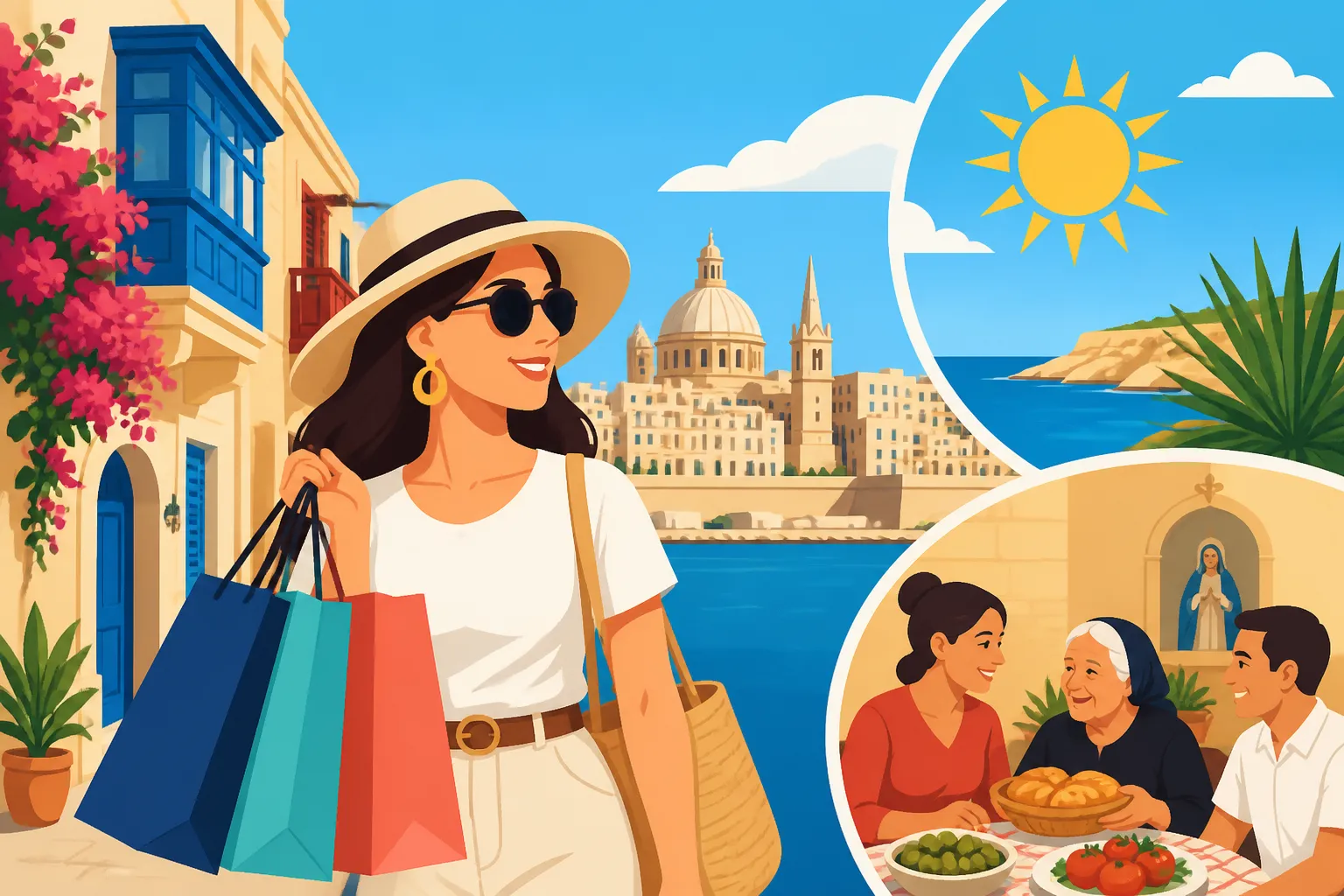
Oh, the Maltese climate! It’s one of the biggest draws, with over 300 days of sunshine a year. But it’s also something you need to learn to live with, not just in. It's not always the idyllic, breezy Mediterranean dream you see in postcards. There are real extremes, particularly in summer, and the humidity can be a silent adversary you never anticipated.
Mastering the Maltese Summer: Heat and Hydration
When summer hits Malta, it hits. From June to September, temperatures regularly soar into the mid-30s Celsius, often peaking higher, and combined with high humidity, it can feel sweltering. It’s not just about hot sunny days; the nights can remain oppressively warm, making sleep a challenge if you're not prepared. Air conditioning quickly becomes your best friend, not a luxury, especially if you have an apartment that bakes in the sun all day. Before you even unpack, check your AC unit. If your place doesn't have it, consider portable units or ask your landlord about installation. Trying to sleep in a sticky, 30-degree room is a quick way to lose your zen.
Hydration is absolutely paramount. Always carry water with you, even for short walks. You'll sweat more than you think, and dehydration can creep up quickly, leading to fatigue, headaches, and general malaise. Embrace the siesta culture – schedule your errands and outdoor activities for the early mornings or late evenings. The midday sun is brutal, and trying to power through it like you would a mild summer's day back home is a recipe for heatstroke. Beaches and swimming become a daily ritual, a necessity for cooling down. Also, invest in light, breathable clothing made from natural fibres like cotton or linen. And for goodness sake, wear sunscreen! The Maltese sun is strong, even on cloudy days. Many rosy-red newcomers end up wondering why they feel so rubbish; it's usually a combination of sun exposure and not enough water. For more specific survival tips, read our guide on How Do I Cope with the Summer Heat in Malta?.
Beyond personal comfort, consider your home. Keep blinds and windows closed during the day to prevent heat from building up, and open them at night to let any cooler air circulate (if there is any!). Electricity bills can skyrocket with constant AC use, so find a balance. Many expats learn to live strategically: enjoying the beach in the morning, retreating indoors for the hottest part of the afternoon, and then venturing out again in the evening. It’s a lifestyle adjustment, but once you adapt, you learn to appreciate the unique rhythm of a Maltese summer.
The Mild, Yet Damp, Maltese Winter
You might arrive in Malta in autumn, basking in what feels like an extended summer, and think "winter? What winter?". And while it's true that Malta doesn't experience snow or freezing temperatures, the winter (roughly November to March) brings its own set of climatic challenges, primarily dampness and cold indoor temperatures. Average winter temperatures hover around 10-15°C, but with persistent humidity and often strong winds, it can feel much colder than the thermometer suggests.
Many Maltese homes are built for summer heat, not winter warmth. This means poor insulation, single-pane windows, and often no central heating. The result? A pervasive dampness that seeps into everything. Clothes take ages to dry, mould can be a real issue, and the cold indoors can feel more biting than the crisp outdoor cold you might be used to. You’ll quickly learn to appreciate portable heaters and dehumidifiers. Running a dehumidifier, especially in bedrooms and bathrooms, can make a huge difference to both comfort and preventing mould growth. Layering clothing, even indoors, becomes the norm, and a good pair of warm slippers is a must. Don't underestimate the Maltese winter; it's a different kind of cold, but a cold nonetheless.
Rainfall, while not constant, can be torrential when it does come, often leading to flash flooding in certain areas. The roads become incredibly slippery, and driving can be treacherous. It’s not uncommon for storms to cause power outages or internet disruptions, so it’s good to be prepared. While the sun often reappears quickly after a downpour, those wet periods can make the island feel rather grey. Despite these challenges, Maltese winters do have their charm. The island becomes green and lush, perfect for hiking and exploring without the searing heat. The clear, bright winter days are beautiful, and you'll find locals enjoying long walks and outdoor cafes, just with an extra layer on. Our article on Coping with Malta's Climate: Summer Heat, Humidity, and Winters delves deeper into these seasonal shifts.
Seasonal Health Considerations and Preparation
Living in Malta means understanding how the climate impacts your health and taking proactive steps. In summer, the primary concerns are heatstroke, severe sunburn, and dehydration. Always use high-SPF sunscreen, wear a hat, and seek shade during peak hours. If you're exercising outdoors, do it at dawn or dusk, and drink electrolyte-rich fluids. Another common summer ailment is "holiday tummy" or various stomach upsets, often due to changes in diet or the hotter weather affecting food preservation. Be mindful of where you eat and how food is stored, especially from street vendors.
Winter brings its own health challenges. The dampness contributes to respiratory issues, particularly for those prone to asthma or allergies. Mould spores, if left unchecked in your home, can also trigger health problems. Ensuring good ventilation, using dehumidifiers, and keeping your home as dry as possible are key. Colds and flu are, of course, common, and with the cooler, damper air, they can sometimes feel more persistent. While Malta has good healthcare, prevention is always better. Consider getting a flu vaccine, which is often offered for free to residents, especially the elderly and vulnerable. You can usually book these at local health centres or through your GP.
Beyond the seasonal specifics, general well-being is important. The Mediterranean diet is fantastic for health, and fresh local produce is readily available. Embrace the outdoor lifestyle when the weather permits – walking, swimming, and enjoying the natural beauty of the island. Being mindful of these seasonal shifts and preparing accordingly will help you enjoy Malta's climate, rather than just enduring it.
Immersing in Maltese Culture: Customs, Etiquette, and Social Life
Malta is steeped in history and tradition, a beautiful blend of Mediterranean, European, and North African influences. As an expat, understanding and appreciating these nuances will significantly enrich your experience and help you integrate more smoothly into local life.
Understanding Local Social Etiquette and Family Values
The Maltese are, on the whole, a warm, hospitable, and friendly people, but like any culture, they have their own unwritten rules. Family is absolutely central to Maltese life. You’ll quickly notice that large extended families are incredibly close-knit, often living near each other and gathering frequently. This emphasis on family often extends to a general sense of community and looking out for one another. When interacting with locals, politeness goes a long way. Simple greetings like "Bongu" (good morning) or "Bonswa" (good evening) are always appreciated, even if your Maltese pronunciation isn't perfect. English is widely spoken, so language barriers are rarely an issue, but a little effort in the local tongue shows respect.
Punctuality can be a bit more relaxed here compared to Northern European standards, especially for social gatherings. "Malta time" is a real phenomenon, meaning a 7 PM invite might see guests arriving closer to 7:30 or 8 PM. Don't get too stressed about it, but equally, don't be late for official appointments! Handshakes are common, and a kiss on each cheek is typical among friends and family. Personal space can also be a little closer than some might be used to, and conversations can be lively and passionate, often involving hand gestures. It's a sign of engagement, not aggression!
Religious customs also play a significant role. Malta is predominantly Roman Catholic, and while society is modernising, traditional values are still strong. Respect for religious sites, events, and symbols is expected. Dress modestly when visiting churches, covering shoulders and knees. You'll also notice many religious statues and niches on street corners, and during village festas, religious processions are a key part of the celebrations. Understanding these aspects will help you navigate social situations and appreciate the depth of Maltese culture.
Embracing Festas and Public Holidays
If there's one thing that truly encapsulates Maltese culture and community spirit, it's the festa. These vibrant village feasts, held throughout the summer months (and some scattered throughout the year), celebrate the patron saint of each parish. They are an explosion of colour, sound, and festivity. Think elaborate street decorations, marching bands parading through the streets, delicious street food, and dazzling fireworks displays that light up the night sky. Each village tries to outdo the next, and the rivalry can be quite entertaining! It’s loud, it’s crowded, and it’s an absolute must-experience. Don’t just stand and watch; get involved, eat some imqaret (date cakes), and soak it all in.
Beyond the festas, Malta has a generous number of public holidays, many of which are religious observances. These days are often treated as opportunities for family gatherings, church services, or simply a day off work to relax. Banks, government offices, and many shops will be closed, so always check ahead if you need to run errands. Major holidays like Christmas, Easter, and the Feast of the Assumption (Santa Marija on August 15th, a massive public holiday) are significant events. Understanding the schedule of these holidays is not just about knowing when you have a day off, but also about appreciating the rhythms of Maltese life and the importance of these traditions to the local population. It’s a chance to see a different side of the island and often participate in unique cultural events.
Building Connections: Making Friends and Community
Moving to a new country can feel isolating, and building a social network is crucial for settling in. Fortunately, Malta has a vibrant expat community, and locals are generally welcoming. One of the easiest ways to meet other expats is through online groups – Facebook is particularly active for various expat communities in Malta, catering to different nationalities, interests, and even specific residential areas. These groups are fantastic resources for asking questions, sharing tips, and organising meet-ups. There are often regular pub quizzes, coffee mornings, or group activities specifically for newcomers. Our guide on How Do I Find Other Expats in Malta? is full of useful tips.
Beyond the expat bubble, integrating with locals can take a bit more effort, but it's incredibly rewarding. Getting involved in local community activities is a great start. Join a sports club, take a class (cooking, art, or even Maltese language lessons!), or volunteer for a local charity. Frequent your local bakeries, cafes, and pastizzeriji and strike up conversations. Many Maltese people are curious and friendly, and once you get past any initial shyness, you'll find them eager to share their culture and make you feel at home. Even just being a regular face at your local shop can open doors to casual chats and connections.
Making friends in Malta, whether expat or local, requires patience and an open mind. Don't expect instant deep friendships; like anywhere, these take time to nurture. Embrace the slower pace of life, accept invitations, and be willing to step outside your comfort zone. The island's size means you'll often bump into people you know, fostering a lovely sense of community that can turn strangers into familiar faces and eventually, good friends. For a broader perspective on adjusting, you might want to read What Is Daily Life Like for Expats in Malta?.
Managing Daily Logistics: Utilities, Waste, and Communication
Beyond the cultural charm and climate, there's the nitty-gritty of everyday life: getting your basic services sorted. This often feels like a steep learning curve in any new country, and Malta has its own unique systems that can sometimes test your patience.
Utility Bills and Energy Management
Ah, ARMS Ltd – the name that will become intimately familiar if you live in Malta. They are the sole provider of electricity and water services, and navigating their system can be, shall we say, an experience. The biggest hurdle for many expats is ensuring they are registered under the correct residential tariff, as there are different rates for registered residents versus non-residents/summer residences, with the latter being significantly more expensive. You absolutely must ensure your landlord registers you as a resident with ARMS. This involves providing your lease agreement and eResidence card details. If your landlord is hesitant or slow, be persistent. It can take time, and until it's done, you'll be paying higher rates. Our article on Setting Up Electricity and Water with ARMS and Enemalta in Malta goes into detail on this.
Once you’re set up, understanding your bill can be a bit of an art form. Bills are typically issued every two months, and they are notoriously opaque for new arrivals. The tiered tariff system means you pay different rates depending on your consumption, which can make predicting costs tricky. Hot water is usually electric, and air conditioning is a major power consumer in summer, so expect higher bills during those months. Gas is primarily used for cooking and is supplied in cylinders which you buy from vendors who drive around in trucks or from local shops. You swap an empty cylinder for a full one.
Energy conservation isn't just good for the planet; it's good for your wallet in Malta. Turn off lights, unplug unused electronics, and be mindful of your AC usage. While solar panels are becoming more common, most rentals won't have them. The quality of tap water is generally safe to drink in most areas, but many people prefer to buy bottled water for drinking due to taste or to avoid limescale. Large water dispensers with refillable bottles are a common sight in Maltese homes. Paying your ARMS bill can be done online through their portal, via direct debit, or at local payment points. For practical advice on payments, check out How Do I Pay My ARMS Bill in Malta?.
Waste Management and Recycling Realities
Waste management in Malta is a system that has evolved significantly in recent years, but it still requires a clear understanding of the rules to avoid fines and be a responsible resident. Malta now operates a mandatory waste separation scheme, and it's essential to follow it. Generally, there are different coloured bags for different types of waste, collected on specific days:
- Black Bag (Mixed Waste/Non-Recyclable): Collected usually three times a week (e.g., Monday, Wednesday, Friday). This is for general household waste that cannot be recycled.
- Grey/Green Bag (Recyclables – Plastic, Metal, Paper, Cardboard): Collected once a week (e.g., Tuesday). All these dry recyclables go into one bag.
- White Bag (Organic Waste – Food Scraps): Collected three times a week (e.g., Monday, Wednesday, Friday, often the same days as black bag but for organic waste). This is for all food waste.
- Glass: Collected once a month on a specific day, usually the first or last Thursday.
Collection days vary by locality, so you'll need to check your local council's schedule. Leaving the wrong bag out on the wrong day, or at the wrong time (usually after 7:30 PM the night before or before 7:30 AM on the day of collection), can result in a fine. Trust me, they do check! Our article on Waste Separation and Recycling Rules in Malta offers a comprehensive breakdown.
Beyond the daily collections, you'll find civic amenity sites for larger items, electronics, and other specific waste types that don't go into regular bags. There are also bring-in sites with dedicated bins for glass, plastic, paper, and metal. Learning these routines takes a little effort initially, but it quickly becomes second nature. It's about being a good neighbour and contributing to keeping Malta clean.
Staying Connected: Phone and Internet
Getting connected in Malta is relatively straightforward, thankfully. There are a few main providers for mobile and internet services, primarily GO, Epic, and Melita. All offer a range of plans, from pay-as-you-go mobile options to fibre optic internet packages, so you'll have plenty of choice depending on your needs and budget. Competition is fairly healthy, so you can often find good deals.
For mobile services, you can easily pick up a local SIM card from any of the provider stores or even at the airport upon arrival. Pay-as-you-go is a popular choice for new arrivals, allowing you to top up as needed, or you can opt for monthly contract plans. Coverage across the islands is generally excellent, even in more rural areas and on Gozo. If you're a digital nomad or travel frequently, consider an eSIM for convenience, something like Airalo could be a good option for data when you first arrive or for seamless international travel, allowing you to stay connected without having to swap physical SIM cards. Once settled, a local plan is usually more cost-effective for daily use.
When it comes to home internet, fibre optic is widely available, offering good speeds. Installation can sometimes take a week or two, so factor that into your moving plans. You'll typically sign up for a contract, often for 12 or 24 months, which might include bundled TV and phone services. Again, shop around and compare prices and speeds. Customer service can sometimes be a test of patience, as with any utility provider, but English-speaking staff are always available. Reliability is generally good, though occasional outages can occur during bad weather. Overall, staying connected in Malta isn't difficult, and it's certainly more reliable and faster than it was a decade ago. For more on this, consult Getting Internet and Mobile Service in Malta.
Food and Drink: A Taste of Maltese Life
Malta’s culinary scene is a delicious reflection of its history, a fascinating fusion of Mediterranean flavours, Sicilian influences, and hints of North African spices. As an expat, exploring the food and drink here isn't just about eating; it's a deep dive into the island's soul.
Traditional Maltese Cuisine and Dining Out
Maltese cuisine is hearty, flavourful, and often showcases fresh, seasonal ingredients. You'll find a strong emphasis on seafood, given the island's location, alongside rabbit (fenek), pork, and a variety of vegetables. The national dish, fenkata (rabbit stew), is a must-try, often slow-cooked with garlic, wine, and herbs, served with chunky Maltese bread for dipping. Another staple is lampuki pie (dolphin fish pie, made with the dorado fish when in season), a delicious savoury pie filled with fish, olives, capers, and vegetables.
Beyond these, don't miss pastizzi, those ubiquitous diamond or round-shaped flaky pastries filled with ricotta cheese or mushy peas – they are a cheap, satisfying snack found everywhere. Ftira is another local delight: a flattened sourdough bread, often served as a sandwich with tuna, tomatoes, capers, onions, and olives. Dining out in Malta offers a huge range of experiences, from rustic village eateries serving traditional fare to upscale fine dining establishments in Valletta and St Julian's. Prices can vary greatly, but you can always find good value, especially if you venture a little off the main tourist drags. Many restaurants also offer delicious pizza and pasta, a legacy of the strong Italian influence.
Eating out is a social affair in Malta, a chance to gather with family and friends. Portions can be generous, so come hungry! Dietary restrictions are becoming more understood, but it’s always wise to clearly communicate your needs, especially in smaller, traditional establishments. Exploring the local restaurants is one of the best ways to understand the culture and enjoy the island's bounty.
Coffee Culture and Social Gatherings
While Italy might be famous for its coffee culture, Malta definitely embraces it with gusto. You'll find cafes on almost every street corner, ranging from modern, trendy spots serving artisanal brews to old-school local bars where elderly gentlemen gather for their morning espresso and a chat. Coffee isn't just a drink; it's an excuse to pause, connect, and observe the world go by. Espresso and cappuccino are standard, but the Maltese also have a fondness for kafè b'ħalib (coffee with milk), often served in a glass. In summer, iced coffee or kafè kiesaħ becomes incredibly popular.
These cafes, along with bars and piazzas, are central to Maltese social life. They are places where friends meet for a quick catch-up, where business deals are informally discussed, and where the community congregates. Don't be surprised to see families with children, teenagers, and older relatives all enjoying a coffee or a soft drink together in the afternoon or evening. It’s a very inclusive, intergenerational social scene. If you're looking to meet people or simply feel the pulse of local life, pulling up a chair at a bustling cafe is a great way to do it.
Alcohol consumption is common, but generally, Malta has a responsible drinking culture. Local wines are surprisingly good, and there's a growing craft beer scene. The local soft drink, Kinnie, a bittersweet orange-based beverage, is also a must-try. Whether it’s a quick coffee, a leisurely lunch, or an evening drink, Malta's food and beverage scene is deeply intertwined with its social fabric, offering endless opportunities for connection and enjoyment.
Navigating Dietary Needs and Options
For those with specific dietary needs, Malta is increasingly accommodating, though it still has some way to go to match larger, more diverse cities. If you're vegetarian or vegan, you'll find options growing, especially in the more expat-heavy areas like Sliema, St Julian's, and Valletta. Many restaurants now clearly mark vegetarian dishes, and dedicated vegan eateries are slowly appearing. However, in more traditional Maltese restaurants, vegetarian options might be limited to pasta dishes without meat, salads, or certain vegetable-based starters. Always ask if something contains meat or fish broth, as it might not be obvious.
Gluten-free options are also becoming more prevalent. Larger supermarkets stock a range of gluten-free products, and some restaurants offer gluten-free pasta or pizza bases. Again, communication is key – ask "mingħajr glutina?" (without gluten) or "hemm glutina f'dan?" (is there gluten in this?). For serious allergies, always be vigilant and explain your needs clearly. English being widely spoken is a huge advantage here.
The availability of organic and health foods has also expanded. Health food stores and certain sections within larger supermarkets cater to these demands, though prices can be higher than in other European countries. Farmers' markets and independent greengrocers are good sources for fresh, often pesticide-free produce, though it's not always certified organic. Overall, while Malta might require a little more proactivity in seeking out specific dietary options, it is becoming increasingly easier to manage various needs, reflecting the growing diversity of its population.
Pet Ownership in Malta: Rules, Care, and Enjoying Island Life with Your Furry Friends
Bringing your beloved pet with you to Malta, or adopting one once you're here, is a common consideration for expats. While it's certainly doable, it comes with its own set of rules and unique island challenges.
Bringing Your Pet to Malta: Regulations and Preparations
If you're thinking of relocating to Malta with your furry companion, be prepared for some bureaucracy. The regulations for importing pets are strict and follow EU guidelines, even for pets coming from other EU countries. Generally, your pet will need to be microchipped, have an up-to-date rabies vaccination, and a pet passport or official veterinary health certificate. There might also be a waiting period after vaccination before your pet can travel. For dogs, certain breeds are considered dangerous and may have additional restrictions or requirements. It's crucial to check the latest official requirements from the Maltese Veterinary Regulation Directorate well in advance of your move, as rules can change.
Flying with pets often means they travel in the cargo hold, which can be stressful for both pet and owner. Some airlines have breed restrictions or temperature limitations. If your pet is small enough, some airlines might allow them in the cabin, but this is rare and subject to strict weight and size limits. Upon arrival in Malta, your pet may need to undergo a veterinary check, and you'll need to declare them. Using a professional pet relocation service, like the ones recommended by Sirelo for overall moving logistics, can significantly ease the stress and ensure all paperwork is correctly handled. They understand the intricacies of international pet travel and can guide you through the process, often making arrangements for flights and local customs clearance. This isn't just about avoiding issues; it's about making the transition as smooth and safe as possible for your animal.
Once your pet is here, registering them with a local vet is important for their ongoing care and to ensure they remain compliant with local laws, such as annual vaccinations. For a detailed rundown of the requirements, check out Bringing a Pet to Malta: Rules, Microchips, and Pet Passports.
Local Pet Services and Community
Malta has a good range of pet services, from veterinary clinics to groomers and pet shops. You'll find English-speaking vets readily available, particularly in the more expat-dense areas. Many clinics are well-equipped, offering everything from routine check-ups and vaccinations to emergency care and surgical procedures. It’s a good idea to research and find a vet you trust shortly after arriving, especially if your pet has any ongoing health conditions. Pet shops are also widely available, stocking various brands of food, toys, and accessories, though some specific international brands might be harder to find or more expensive.
Grooming services are also common, with many local groomers offering baths, trims, and other services for dogs and cats. For those who work long hours, pet sitting or dog walking services can be found, often through local expat Facebook groups or dedicated pet service platforms. The pet community in Malta is growing, and you'll often see fellow dog walkers chatting in parks or at the beach. There are also several animal rescue organisations and shelters, like AAA (Association for Abandoned Animals) and Noah's Ark, which are always grateful for volunteers or donations if you want to get involved and give back. Adopting a local stray is also a wonderful way to give a home to an animal in need.
However, be mindful that not all public spaces are universally pet-friendly. While many outdoor cafes and restaurants now welcome well-behaved dogs in their outdoor seating areas, some places still have restrictions. Beaches often have designated sections for dogs, especially during summer months, so always check signage. The community is generally accepting of pets, but always be respectful of others, especially those who may not be as comfortable around animals.
Pet-Friendly Living and Challenges
Living with pets in Malta presents unique challenges, primarily related to housing and the climate. Finding pet-friendly rental accommodation can be tough. Many landlords are reluctant to accept tenants with pets, and those who do often require a higher deposit or charge a "pet rent." This is certainly something to address upfront when searching for a property. Be prepared to search longer and possibly pay a bit more for a place that welcomes your animal companion. It's not impossible, but it does narrow your options.
The Maltese climate also plays a significant role in pet care. Summers are incredibly hot, meaning walks need to be limited to early mornings or late evenings to protect paws from burning on scorching pavements and to prevent heatstroke. Always carry water for your pet during walks, and ensure they have plenty of shade and fresh water at home. Some breeds, especially brachycephalic (flat-faced) dogs, are particularly vulnerable to the heat. Winters, while mild, can be damp, and managing humidity in your home can also affect your pet's comfort and health. Fleas, ticks, and sand flies (which can transmit diseases like Leishmaniasis) are year-round concerns, so regular preventative treatments are crucial. Your local vet can advise on the best products for Malta.
While there are designated dog parks in some localities, green spaces for off-leash exercise can be limited in urban areas. Many owners take their dogs to the countryside or designated dog-friendly beaches. Despite these challenges, many expats successfully and happily live with their pets in Malta, adapting to the local conditions and finding ways to ensure their furry friends enjoy island life as much as they do. It just requires a bit of planning and a lot of love!
Disclaimer
The information provided in this guide is intended for general informational purposes only and does not constitute legal, financial, or professional advice. While we strive to ensure the information is accurate and up-to-date, rules, regulations, and procedures in Malta can change frequently. Readers are strongly advised to consult with official government sources, legal professionals, financial advisors, or other relevant experts for specific advice pertaining to their individual circumstances before making any decisions based on the content of this article. We assume no responsibility for any errors or omissions, or for the results obtained from the use of this information.