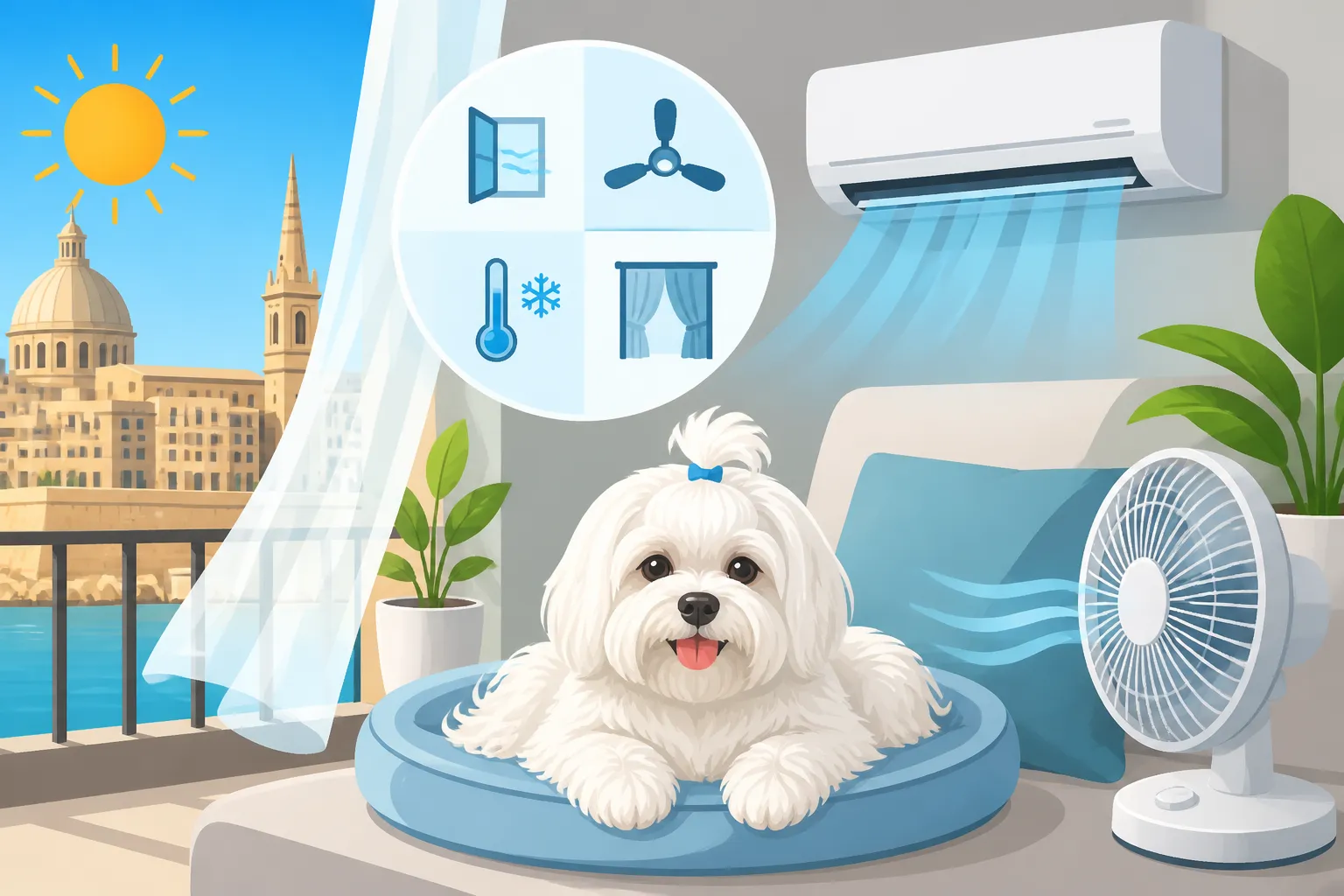
How Do I Keep My Maltese Apartment Cool in Summer?
Ah, the Maltese summer. I remember my first one. I thought I was prepared, but nothing quite prepares you for the relentless sun, the stifling humidity, and the unique challenge of keeping your apartment from turning into a human-sized oven. Many expats arrive here, excited by the endless sunshine, only to find their living space becoming almost unbearable from June to September. This guide is all about sharing the practical, lived-in strategies to reclaim your cool and make your Maltese apartment a comfortable sanctuary, even when the thermometer is pushing past 35°C.
The Unique Challenges of Summer Heat in Maltese Apartments
Let's be honest, those beautiful limestone buildings look picturesque, but they weren't always designed with modern comfort in mind, especially when it comes to battling extreme heat. You're not imagining things if your apartment feels hotter inside than out; there are very real reasons for it, and understanding them is the first step to conquering the heat.
Why Maltese Buildings Get So Hot
Malta's traditional architecture, with its thick limestone walls, was originally excellent for insulation, keeping homes warm in winter and cool in summer if managed correctly. The problem is, many modern apartments, or older ones that have been "renovated" without true understanding of the climate, often lack proper insulation in roofs and thinner external walls. You might find that your apartment bakes all day, soaking up the sun's energy, and then radiates that heat back into your living space long into the night. It's like living inside a giant storage heater that never switches off.
Beyond the structural issues, Malta's pervasive humidity is a massive factor. Even if the air temperature isn't astronomical, high humidity makes it feel much hotter because your body can't cool itself effectively through sweat evaporation. You might feel sticky, sluggish, and constantly uncomfortable. This combination of structural heat retention and high humidity creates a very specific, often frustrating, environment that many foreigners are simply not used to. It's a far cry from the dry heat you might find in other hot climates, and it requires a different approach to staying cool.
The Impact on Daily Life
Living in a constantly hot and humid environment takes a serious toll, not just on your comfort but on your overall well-being. Sleep becomes a distant dream for many. You toss and turn, waking up drenched in sweat, feeling unrested and irritable. Your concentration at work, if you're working from home, plummets. Basic tasks feel like monumental efforts. Even simple pleasures like relaxing on the sofa with a book become a sticky, uncomfortable ordeal.
This isn't just about feeling a bit warm; it's about the mental and physical exhaustion that comes from your body constantly trying to regulate its temperature. You might find your mood dips, your energy levels are consistently low, and you start dreading going home. Trust me, I've been there, staring at the ceiling fan wishing it would morph into a giant ice cube. It impacts everything, from your social life (who wants to go out after cooking dinner in a sauna?) to your ability to enjoy the beautiful island itself. It can even affect your utility bills, as you might crank up the AC out of desperation, leading to those surprisingly high Why Are Electricity Bills Unpredictable in Malta? that catch many new residents off guard.
Smart Strategies for Passive Cooling
Before you blast the air conditioning and watch your electricity meter spin like a race car, let's talk about passive cooling. These are the unsung heroes of Maltese summer survival, working with your apartment and the climate to reduce heat without burning through your wallet. A little strategic thinking can go a long way.
Mastering Window and Shading Techniques
This is probably the most crucial, yet often overlooked, strategy. It's counter-intuitive for many coming from cooler climates, but during the day, your windows are your enemy.
- Seal it Up During the Day: From sunrise until well after sunset, keep all windows and doors closed. Seriously. Don't open them thinking you'll "let some air in." What you're doing is letting in hot, humid air, which will immediately warm up your apartment and increase that sticky feeling. Close everything up tight.
- Embrace Blackout: Invest in good quality blackout curtains or blinds. They are a game-changer. These aren't just for blocking light; they create a crucial barrier against the sun's radiant heat. Draw them fully during the day on any windows receiving direct sunlight. Even if your apartment has external persjani (shutters), make sure they're closed.
- The Evening Vent: Once the sun has well and truly set, and the outside temperature has finally dipped below the inside temperature (often not until 9 PM or later, sometimes even midnight!), then you can open things up. This is your chance to flush out the day's accumulated heat. Create a cross-breeze by opening windows on opposite sides of your apartment. Even if you don't have direct opposites, open a window and a door to get some airflow going.
Maximizing Airflow with Fans and Cross-Ventilation
Fans don't cool the air, but they move it around, which makes you feel cooler by helping sweat evaporate. Used correctly, they are indispensable.
- Ceiling Fans are Your Friend: If your apartment has ceiling fans, use them! They're generally more efficient than stand-alone fans for circulating a larger volume of air. Keep them on at a low setting throughout the day if you're home, and definitely at night.
- Strategic Placement of Stand-Alone Fans: Position a fan near an open window during those precious cooler evening hours to pull in any cooler air from outside. You can also place a fan facing out of a window to push hot air out of your apartment. Another trick is to place a bowl of ice water in front of a fan; as the ice melts and evaporates, the air blown over it will be slightly cooler.
- Creating a "Wind Tunnel": When you do open windows in the evening, use fans to enhance the natural cross-ventilation. Place one fan pushing air into one window, and another fan pulling air out of an opposite window. This creates a stronger airflow, helping to expel the day's heat faster.
- The "Chimney Effect": If you have multiple levels or windows at different heights, open lower windows on one side and higher windows on the opposite side. Hot air rises, so this setup encourages hot air to exit through the higher openings, drawing cooler air in from below. Remember, even a slight breeze feels like a godsend when it's stifling, so explore every angle to get that air moving. If you're looking for new apartments, considering Choosing Where to Live in Malta: Towns, Regions, and Gozo might help you find locations that are naturally breezier, reducing the need for constant fanning.
Battling Humidity: The Unseen Enemy
Humidity is the silent killer of comfort in Malta. It makes 28°C feel like 35°C and can lead to mould issues, particularly in winter (hence why you might hear people ask Why Do Maltese Homes Feel Damp in Winter?). Tackling humidity directly significantly improves your comfort.
- Dehumidifiers Are Worth It: If you're really struggling, especially if you feel that clammy, sticky heat, a dehumidifier is a fantastic investment. It pulls moisture out of the air, making the temperature feel more bearable and reducing that awful stickiness. You'll be amazed at how much water these machines collect, even in a seemingly dry room. Look for one with a good capacity for your apartment size.
- Ventilate After Showers and Cooking: Immediately after showering, open the bathroom window or turn on the extractor fan. Do the same when cooking. All that steam adds moisture to the air inside your apartment, which you absolutely want to avoid during summer.
- Air Dry Laundry Outside: Whenever possible, dry your clothes outside. Hanging wet laundry indoors releases a huge amount of moisture into your apartment, making it feel even more humid and uncomfortable. If you absolutely must dry indoors, do it in a room with a dehumidifier running or an open window (if it's cooler outside).
Active Cooling and Lifestyle Adjustments
Sometimes, passive methods just aren't enough, especially during heatwaves or if your apartment is a sun trap. This is when you might need to lean on active cooling solutions and adapt your daily routines.
Navigating Air Conditioning Use and Costs
Air conditioning is often seen as a luxury, but in Malta's summer, it can become a necessity for health and sanity. However, it's also a major contributor to those eye-watering utility bills.
- Efficient AC Use: If you have AC, use it wisely. Don't set it to arctic temperatures; a setting of 24-26°C is usually comfortable enough and significantly more energy-efficient than trying to reach 20°C. Use the timer function to cool your bedroom just before you go to sleep, or for an hour or two in the evening. Don't leave it running all day when you're out.
- Maintenance Matters: Ensure your AC unit's filters are clean. Dirty filters reduce efficiency and increase energy consumption. A well-maintained unit cools more effectively and costs less to run.
- Understanding Utility Tariffs: It's vital to understand How Do ARMS Utility Bills Work in Malta? and particularly the Understanding Tiered Utility Tariffs and Registered Residents in Malta. Registering as a resident (not just a summer let) can drastically reduce your per-unit cost of electricity, making AC more affordable. Otherwise, you'll be paying tourist rates, which are significantly higher.
- Checking Your Rental Agreement: If you're Renting a Home in Malta: Contracts, Deposits, and Tenant Rights, make sure to check if air conditioning is included and if there are any specific clauses regarding its use or maintenance. Some landlords specify that tenants are responsible for AC maintenance, which is something you'll want to be aware of.
Table: Cooling Methods at a Glance
| Method | Pros | Cons | Cost (Initial) | Cost (Running) | Effectiveness |
|---|---|---|---|---|---|
| Blackout Curtains | Highly effective at blocking radiant heat | Doesn't cool air, darkens room during day | Low to Medium | Very Low | High |
| Fans (Ceiling/Desk) | Cheap to run, creates airflow | Doesn't lower air temp, less effective in high humidity | Low to Medium | Low | Medium |
| Dehumidifier | Significantly improves comfort in humid climates | Can add slight heat, requires emptying/drainage | Medium to High | Medium | High |
| Air Conditioning | Most effective at lowering temp and humidity | High electricity consumption, requires maintenance | High | High | Very High |
| Evaporative Cooler | Cheaper to run than AC, adds moisture (can be good in dry heat) | Less effective in Malta's high humidity, needs water refills | Medium | Low to Medium | Low to Medium |
Personal Habits for Staying Cool
Your apartment isn't the only thing that needs cooling; your body does too! Simple lifestyle adjustments can make a world of difference.
- Hydrate, Hydrate, Hydrate: This isn't just a suggestion; it's critical. Drink plenty of water throughout the day, even if you don't feel thirsty. Keep a water bottle with you at all times. Avoid excessive sugary drinks and alcohol, which can dehydrate you.
- Cold Showers and Foot Soaks: A cool shower before bed or a quick cold foot soak during the day can lower your core body temperature and provide immense relief. Keep a spray bottle with water in the fridge for a refreshing spritz.
- Light Clothing and Bedding: Wear loose-fitting, light-coloured clothing made from natural, breathable fabrics like cotton or linen. Ditch the heavy duvets and opt for just a sheet or a thin cotton blanket.
- Eat Light, Cook Smart: Heavy, hot meals contribute to feeling sluggish. Embrace salads, fruits, and lighter fare. Avoid using the oven or stove during the hottest parts of the day if possible. Consider preparing meals in the early morning or opting for no-cook options. For more general advice on dealing with the heat, you might find How Do I Cope with the Summer Heat in Malta? helpful.
Apartment Modifications and Long-Term Solutions
For those planning to stay longer or considering a move, thinking about the apartment itself can lead to greater comfort down the line.
- Check for Insulation and Double Glazing: When viewing apartments, ask about insulation, particularly in the roof, and look for double-glazed windows. These make a significant difference in both summer and winter by reducing heat transfer.
- Consider a Breeze-Friendly Location: Some areas in Malta are naturally breezier due to their elevation or proximity to the sea. If you're in the process of moving, or contemplating a change, exploring locations known for better airflow can be a smart move. Think about areas on the coast or higher up, away from densely packed streets. If moving seems like a big hurdle, remember companies like Sirelo can help make the transition smoother, taking the stress out of relocating your belongings to a cooler pad.
- Invest in Smart Home Tech: With a reliable internet connection (perhaps facilitated by an Airalo eSIM if you're newly arrived and setting up!), you can integrate smart thermostats or smart plugs for your fans and AC. This allows you to control cooling remotely, ensuring your home is comfortable right when you walk in, without wasting energy by leaving things on all day.
- Portable Solutions for Immediate Relief: While not long-term, consider a small, personal evaporative cooler for your desk or bedside table. They use water to cool the air slightly and are much less energy-intensive than AC. However, in Malta's high humidity, they are less effective than in dry climates, so manage expectations.
The Maltese summer can be brutal, but with a combination of smart strategies, a bit of investment, and a willingness to adapt your daily rhythm, you can certainly make your apartment a cooler, more enjoyable place to live. It’s all about working smarter, not just harder, against the heat.
Disclaimer
The information provided in this guide is for general informational purposes only and does not constitute professional advice. While we strive to offer accurate and up-to-date guidance for expats and tourists in Malta, situations can vary greatly. We recommend consulting with local professionals or official authorities for advice tailored to your specific circumstances.