How Much Should I Budget for Groceries in Malta?
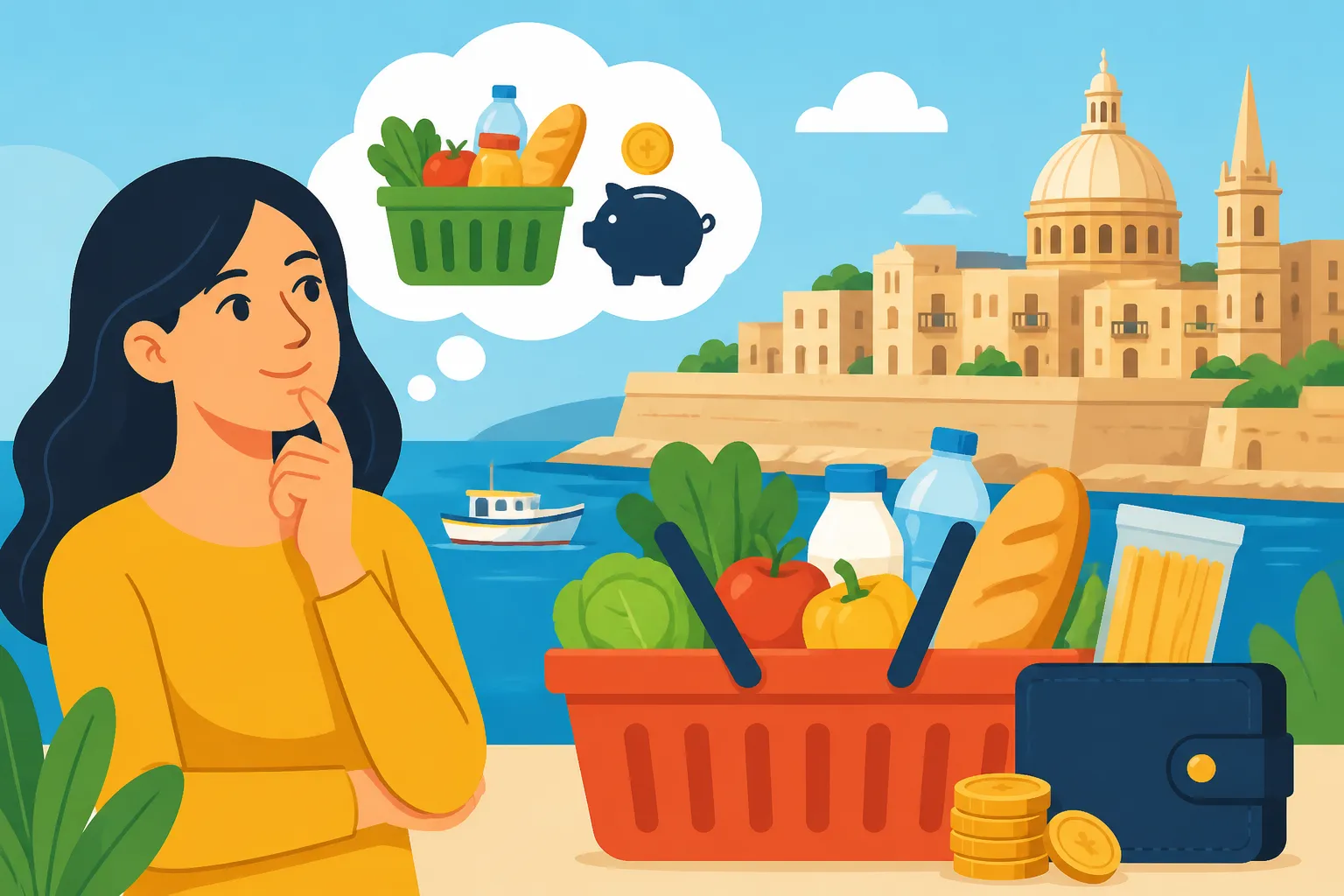
One of the first realities that hits you when you move to Malta, especially if you’re coming from a larger European country or North America, is the sheer cost of some everyday essentials. While some things are surprisingly affordable, the grocery bill can often be a source of genuine sticker shock for newcomers. This guide aims to pull back the curtain on how much you should realistically budget for groceries in Malta, sharing insights from years of navigating local supermarkets and markets.
The Reality of Grocery Costs in Malta
When you first arrive on these beautiful islands, you might expect everything to be wonderfully cheap, given its Mediterranean location. However, many expats quickly realise that this isn't always the case, particularly when it comes to food. The truth is, Malta presents a unique set of challenges that drive up the price of your weekly shop.
Why Malta Might Surprise You It's Not Always Cheap!
Malta is an island nation, and that simple fact dictates a lot about its economy, especially regarding food. Most of what we consume here has to be imported. Think about it: everything from your favourite brand of cereal to certain types of fresh produce, even a good cut of beef, often travels a fair distance to get to our shelves. This reliance on imports means added transportation costs, customs duties, and the general logistics of operating in a smaller market. It’s what many of us affectionately (or perhaps exasperatedly) refer to as the "island tax."
You'll notice this most acutely with highly processed goods or specific international brands. While you might find a decent range, those familiar items from home often come with a significantly inflated price tag. Fresh produce, too, can be pricier if it's not in season or locally grown. This can be a tough pill to swallow when you're used to sprawling continental supermarkets with endless, cheap options. Don't worry, you're not alone in feeling this initial pinch; it's a common experience for those of us who've settled here.
Average Weekly/Monthly Spend Estimates
So, what can you actually expect to pay? Of course, this varies wildly depending on your dietary habits, whether you cook at home every day, and if you have a family to feed. But based on my own experience and chatting with countless fellow expats, here are some general estimates for what you might budget:
- Single Person: If you're single and cook most of your meals at home, focusing on local produce and smart shopping, you could probably get by on €50-€70 per week. This would be for basic groceries, perhaps one or two treats, and cooking from scratch. If you're buying more convenience foods, imported items, or dining out occasionally, this could easily jump to €80-€100+ per week.
- Couple: For a couple who enjoys cooking and balances local buys with some preferred imported items, a reasonable weekly budget would be €100-€140. Again, this assumes home cooking is the norm. If you frequently buy premium cuts of meat, organic goods, or have specific dietary requirements, expect this to increase to €150-€200 per week.
- Family with Young Children: This is where it gets trickier. With young children, snack foods, specific brands, and larger quantities really add up. A family budget for essentials, milk, fruits, vegetables, and some treats might start around €180-€250 per week. If you have teenagers, specific dietary needs, or opt for a lot of convenience foods, you could easily be looking at €250-€350+ per week.
These are just starting points, of course. Your actual spend will depend on how savvy you become with local shopping, your willingness to adapt your diet, and whether you see groceries as simply sustenance or an indulgence. Remember, being smart about your spending here means getting to know the local rhythms and where the real value lies.
Where to Shop for Groceries in Malta: Navigating Your Options
Finding your footing in Malta's grocery scene is key to managing your budget. It's not just about one big supermarket; it's about knowing which shops excel at what, and when to visit them.
Supermarkets: The Big Players and Their Offerings
Malta has a decent selection of supermarkets, each with its own vibe, price point, and product range. Getting to know them will save you a lot of hassle and money.
- Lidl: This German discount giant is probably your best friend for staple items. Lidl in Malta, much like elsewhere in Europe, offers incredibly competitive prices on fresh produce (though quality can sometimes vary), dairy, bread, and many pantry essentials. Their weekly specials are fantastic for stocking up on non-perishables or trying new things. If you're looking to keep costs down, a significant portion of your weekly shop will likely happen here. You'll find stores in various locations, often with ample parking, which is a blessing in Malta!
- Pama and Pavi: These are two of the larger, more conventional supermarkets, often found outside the main urban hubs like Mosta or Qormi. They offer a very wide selection, including many international brands, and the shopping experience is generally pleasant with spacious aisles. Prices here tend to be a notch higher than Lidl, but you'll find a better variety of certain specialty items, fresh meat counters, and often a deli. Their bakery sections are usually quite good too.
- Greens and Smart Supermarket: Located more centrally, especially in the Sliema/St. Julian's area, these cater to a more urban clientele and often have a wider array of imported goods, organic options, and gourmet items. They're great for when you need a specific ingredient you can't find elsewhere, or if you prefer a more premium shopping experience. Naturally, the prices reflect this, so expect your bill to be higher if you do your full shop here. They're good for convenience, but not necessarily for budget shopping.
- Maypole: While primarily a bakery chain, Maypole stores also function as mini-markets, especially in residential areas. They're excellent for fresh bread, traditional Maltese pastries, and a quick grab of milk or eggs. Prices are fair for what they offer, and they're invaluable for those last-minute essentials or a delicious ħobż biż-żejt (Maltese bread with oil).
It's really about mixing and matching. Many expats I know do their main bulk shop at Lidl and then pick up specialty items, fresh meat, or specific brands from Pama, Greens, or a local butcher.
Local Markets and Grocers: Unearthing Value and Freshness
Beyond the big supermarkets, Malta boasts a vibrant network of local options that can offer better value and fresher produce if you know where to look.
- Local Fruit and Vegetable Vendors (Tal-Ħaxix): These small, independent shops, often family-run, are scattered throughout every town and village. You'll also spot mobile vans, especially in residential areas, selling fresh fruit and vegetables. This is where you'll often find the freshest seasonal produce at better prices than the supermarkets, particularly for items grown locally. Build a rapport with your local tal-ħaxix (greengrocer), and you might even get tips on what’s best that week. This is an authentic slice of Maltese life and a great way to support local businesses.
- Farmers' Markets (Pitkalija): While not as common as in some countries, there are efforts to promote direct-from-farm sales. The main wholesale market, the Pitkalija, near Ta' Qali, is open early morning to traders, but some small farmers' markets pop up on certain days in different localities. While it might take a bit of searching, these can be goldmines for super-fresh, local produce and a more direct connection to where your food comes from. Keep an eye on local community pages for announcements.
- Butchers (Tal-Laħam) and Fishmongers (Tal-Ħut): For fresh meat and fish, bypassing the supermarket and heading to a dedicated butcher or fishmonger is often the best choice. The quality is usually superior, and prices can be competitive. Maltese butchers are known for their fresh cuts and often offer services like mincing or custom preparation. For fish, head to places like Marsaxlokk or Marsascala early in the morning for the freshest catches directly from the fishermen – it's an experience in itself!
Embracing these local options isn't just about saving money; it's about immersing yourself in the local culture and enjoying truly fresh, seasonal ingredients.
Specialty Stores and Online Delivery
Malta's culinary scene is growing, and with it, the availability of specialty items and convenient online services.
- International Food Stores: For those very specific tastes, you'll find a few stores dedicated to Asian, Middle Eastern, or other international cuisines. These are invaluable for spices, sauces, and ingredients that mainstream supermarkets might not carry. While prices can be higher, they open up a world of cooking possibilities.
- Organic and Health Food Shops: If organic or specific health foods are a priority, you'll find dedicated shops like Holland & Barrett, or smaller independent stores that cater to these needs. Be prepared for higher prices, but these provide essential options for those with dietary restrictions or specific health goals.
- Online Grocery Delivery: This has become increasingly popular and convenient. Major supermarkets like Pama and Greens offer online ordering and home delivery, often with a minimum spend and a delivery fee. This can be a lifesaver, especially if you don't have a car, struggle with carrying heavy bags, or just want to save time. Services like Wolt and Bolt Food also partner with smaller convenience stores for quicker, smaller deliveries, though often at a slight premium. Using these services can help you avoid impulse buys that often inflate your bill in-store.
- Vegetable Box Schemes: Some local farms offer weekly vegetable box deliveries, providing seasonal produce directly to your door. This is an excellent way to support local agriculture, eat seasonally, and can sometimes offer better value than picking individual items in a supermarket, especially if you plan your meals around the contents.
Smart Shopping Strategies to Save Your Cents (and Sanity)
Living in Malta means learning to adapt, and grocery shopping is no exception. A few savvy strategies can make a big difference to your monthly budget and reduce potential frustrations.
Meal Planning and Bulk Buying
One of the biggest money-savers, no matter where you live, is good old-fashioned meal planning. In Malta, with its sometimes fluctuating stock and prices, it's even more crucial.
Before you step foot in a supermarket, take stock of what you already have and plan your meals for the week. This prevents impulse purchases and ensures you’re buying exactly what you need. Think about versatile ingredients that can be used in multiple dishes, like a large batch of roasted vegetables that can be a side one day and part of a pasta dish the next. When you have a plan, you're less likely to grab expensive ready-meals or resort to takeaway when you're tired. This disciplined approach not only helps your wallet but also cuts down on food waste, which is a win-win.
For non-perishable items like rice, pasta, tinned goods, and cleaning supplies, consider buying in bulk, especially when they're on offer. Lidl and larger Pama/Pavi supermarkets often have multi-buy deals. While your upfront cost might be higher, the per-unit price is usually significantly lower in the long run. Just make sure you have the storage space in your Maltese apartment, which can sometimes be a challenge!
Seasonal and Local Produce: The Freshest and Often Cheapest Option
This is perhaps the most impactful tip for saving money on fresh food in Malta. Embrace the seasons! What’s grown locally is almost always cheaper, fresher, and tastes better than imported equivalents.
Malta has fantastic tomatoes, potatoes, onions, watermelons, strawberries, and various greens depending on the time of year. Learning what's in season and adjusting your cooking accordingly will drastically cut your produce bill. Head to your local tal-ħaxix or even roadside stalls – they'll often display what’s fresh and local. Not only is it budget-friendly, but it’s also a delicious way to experience the authentic flavours of the island. You might even find some fascinating new ingredients you wouldn't typically encounter in your home country.
For example, don't expect cheap blueberries in January, but come spring and summer, local strawberries are abundant and affordable. Similarly, Maltese potatoes are excellent and a staple, so leaning into those rather than imported varieties is a smart move.
Utilising Supermarket Loyalty Schemes and Promotions
Just like anywhere else, Maltese supermarkets love to entice you with loyalty programmes and promotions. It pays to pay attention!
Most larger supermarkets, including Pama and Greens, offer loyalty cards. Sign up for them. They often provide points that convert to discounts, or special member-only prices on certain items. While the savings might seem small on each transaction, they accumulate over time and can make a noticeable difference to your monthly budget.
Keep an eye out for weekly flyers and online promotions. Lidl, in particular, is famous for its non-food "middle aisle" deals, but also has great weekly food specials. Planning your shop around these promotions can lead to significant savings on items you would buy anyway. Don't be afraid to try different brands when your usual is expensive – you might discover a new favourite that’s more budget-friendly. This is where a little flexibility in your brand loyalty can really pay off.
The Hidden Costs: Plastic Bags, Delivery, and Impulse Buys
It's often the small, almost unnoticed costs that stealthily inflate your grocery bill. Malta is no different.
- Plastic Bags: While efforts are being made to reduce plastic, many shops still charge a small fee for plastic bags. It's a minor cost individually, but if you're not careful, it adds up. Get into the habit of bringing your own reusable shopping bags – not only is it eco-friendly, but it saves you those few cents each time.
- Delivery Fees: While online grocery delivery is incredibly convenient, remember that most services charge a delivery fee, and sometimes a service fee on top of that. Factor this into your budget. If you're only ordering a few items, the delivery fee can make them disproportionately expensive. It's usually more cost-effective for larger, less frequent shops.
- Impulse Buys: The beautifully arranged displays at the checkout, the tempting aroma from the bakery section, or that shiny new gadget in Lidl's middle aisle – these are designed to make you spend more. Stick to your list! If you find yourself consistently buying things you don't need, try shopping with a strict budget in mind or even using cash to limit your spending. It’s amazing how much less tempting those extra items become when you know you only have a certain amount of cash in your hand.
These seemingly small habits can collectively save you a substantial amount of money over a month or a year, allowing you to perhaps put those savings towards exploring more of Malta or even investing with platforms like Wise to make your money work harder for you.
Beyond the Basics: What Affects Your Grocery Bill?
It's not just where you shop; several personal factors significantly influence how much you'll spend on groceries in Malta. Understanding these can help you tailor your budget more accurately.
Dietary Choices and Preferences
Your dietary habits are perhaps the single biggest determinant of your grocery bill. Malta offers a diverse range of food, but certain choices come at a premium.
If you adhere to a specific diet, like gluten-free, vegan, or organic, be prepared for higher costs. While more options are becoming available, specialty products like gluten-free pasta, plant-based milks (beyond basic soy or almond), or certified organic produce are generally more expensive due to import costs and smaller market demand. For instance, a small packet of gluten-free bread could be double the price of regular bread. Similarly, imported organic vegetables might be significantly pricier than their conventional, locally grown counterparts.
Conversely, if you're open to adapting your diet to what's local and seasonal, your bill will be considerably lower. Embracing the Mediterranean diet staples – fresh vegetables, legumes, local fish, olive oil, and hearty bread – is not only healthy but also budget-friendly. Learning to cook with ingredients like gbejna (Maltese cheeselets) instead of imported feta, or using local broad beans in season, can lead to delicious and economical meals.
Your Location in Malta
Believe it or not, where you live on the island can subtly impact your grocery costs. While Malta is small, there are still differences.
- Touristic Hubs (Sliema, St. Julian's, Bugibba): Supermarkets in these areas often cater more to tourists and expats, stocking a wider range of imported and convenience items. While convenient, this often comes with slightly higher prices. Smaller convenience stores in these zones, while great for last-minute purchases, will almost always be more expensive than larger supermarkets. You're paying for the location and accessibility.
- Residential Areas (Mosta, Birkirkara, Qormi): These towns tend to have more local fruit and vegetable shops, butchers, and larger, value-oriented supermarkets like Pama or Lidl. Prices here can be slightly lower, and you'll find a stronger emphasis on local produce. If you have a car, venturing to these areas for your main shop can yield savings.
- Gozo: Living on Gozo can be a mixed bag. For local produce and some basics, it might be marginally cheaper. However, the selection of specialty or international items is often more limited, and those that are available can sometimes be pricier due to the extra logistics of inter-island transport. Many Gozitans still do a big shop on Malta if they're over for other errands to get better selection or specific items.
So, while not a drastic difference, being mindful of your shopping location can contribute to overall savings.
Family Size and Consumption Habits
This might seem obvious, but it's crucial to acknowledge the multiplying effect of family size and individual consumption habits on your grocery bill.
Feeding a growing family means buying in larger quantities, and if everyone has different preferences or demands, it can quickly escalate costs. Children, especially, often have preferences for specific brands of cereals, snacks, or yogurts that can be more expensive. Larger families might benefit even more from bulk buying and rigorous meal planning to keep their budget in check.
Consider consumption habits too. Do you make packed lunches for work and school, or do you buy lunch out? Do you snack frequently, and are those snacks healthy or pre-packaged? Are you a household that regularly hosts friends or family, leading to larger shops? These lifestyle choices, while small on their own, collectively form a significant part of your overall food expenditure. Being honest about these habits can help you identify areas where you might be able to cut back or make more economical choices. For instance, making your own coffee at home rather than buying it daily can add up to huge savings over a year. Many expats also find that understanding their financial footprint, from groceries to larger outlays, is vital for long-term planning, and resources like How Much Does Private Health Insurance Cost in Malta? or What Is the Cost of Living in Malta Each Month? can help round out the picture.
Here's a quick comparison of approximate costs for common grocery items you might find across different types of shops in Malta (prices are illustrative and can fluctuate):
| Item (Typical Quantity) | Lidl (Budget-Friendly) | Pama/Pavi (Mid-Range) | Greens/Smart (Premium/Convenience) | Local Market/Greengrocer |
|---|---|---|---|---|
| Milk (1 litre, regular) | €0.85 – €1.00 | €0.95 – €1.20 | €1.10 – €1.40 | N/A |
| Bread (Loaf, local) | €0.70 – €1.00 | €0.80 – €1.10 | €1.00 – €1.50 | €0.60 – €0.90 |
| Eggs (6-pack, local) | €1.50 – €1.80 | €1.70 – €2.00 | €1.90 – €2.50 | €1.40 – €1.70 |
| Chicken Breast (1kg) | €6.00 – €7.50 | €7.00 – €9.00 | €8.00 – €10.00 | €6.50 – €8.50 |
| Tomatoes (1kg, seasonal local) | €1.50 – €2.50 | €1.80 – €3.00 | €2.50 – €4.00 | €1.20 – €2.00 |
| Potatoes (1kg, local) | €0.80 – €1.20 | €0.90 – €1.50 | €1.20 – €2.00 | €0.70 – €1.00 |
| Apples (1kg, imported) | €1.80 – €2.80 | €2.00 – €3.20 | €2.50 – €4.00 | €1.80 – €2.80 |
| Pasta (500g, basic) | €0.60 – €0.80 | €0.70 – €1.00 | €0.90 – €1.50 | N/A |
| Rice (1kg, basic) | €1.20 – €1.80 | €1.50 – €2.20 | €1.80 – €2.80 | N/A |
| Olive Oil (1 litre, local) | €5.00 – €7.00 | €6.00 – €8.00 | €7.00 – €10.00 | €5.50 – €7.50 |
| Bottled Water (6x2L pack) | €2.00 – €3.00 | €2.50 – €3.50 | €3.00 – €4.50 | N/A |
| Coffee (250g, ground) | €2.50 – €4.00 | €3.00 – €5.00 | €4.00 – €7.00 | N/A |
As you can see, shopping smart across different outlets really does make a difference! Once you get the hang of it, grocery shopping in Malta becomes less of a chore and more of a strategic game. Remember that managing your finances effectively involves understanding not just your outgoing costs, but also how you manage incoming funds, especially if you're receiving money from abroad. Services like Wise can be invaluable for making international money transfers without getting stung by exorbitant bank fees. And for broader financial planning, especially if you're dealing with income from multiple sources or different tax jurisdictions, professional advice from specialists like Taxes for Expats can be incredibly helpful. Navigating your tax obligations, perhaps relating to How Foreign Income and Capital Gains Are Treated in Malta, becomes much simpler with expert guidance.
Disclaimer
Please note: The information provided in this guide is for general informational purposes only and does not constitute financial, legal, or professional advice. Grocery prices in Malta are subject to change based on market fluctuations, seasonal availability, specific brands, and individual store policies. It is always recommended to verify current prices and seek professional advice for any specific financial or legal concerns.