Where Do I Turn for Eating-Disorder Support in Malta?
The moment you realise you need help for an eating disorder, especially when you're far from your usual support networks and familiar healthcare systems in a new country like Malta, can feel incredibly isolating and overwhelming. I've been there, staring at a blank screen, wondering where to even begin in a place where everything feels just a little bit different. This guide is here to help you navigate the options for eating disorder support in Malta, shedding light on both public and private avenues to ensure you find the care you deserve.
Understanding Eating Disorder Support in Malta: A Nuanced Landscape
Navigating healthcare, particularly for something as complex and deeply personal as an eating disorder, can be a real challenge for expats in Malta. It's not always as straightforward as walking into a clinic back home. The Maltese healthcare system, while comprehensive, requires a bit of understanding, and when it comes to specialised mental health services, including those for eating disorders, you'll find a blend of public provisions and private practices. The key is knowing how to access each and what to expect.
The initial step is often the hardest: acknowledging the problem and deciding to seek help. Then comes the practical side of figuring out where to go. For many, the idea of discussing such intimate struggles with a new doctor, possibly in a different cultural context, adds another layer of anxiety. But rest assured, there are dedicated professionals here who understand and are ready to assist. Malta has been working to improve its mental health services, and while there might be waiting lists or a learning curve to the system, support does exist.
Initial Steps: Where to Begin Your Search for Help
When you're ready to reach out, your first point of contact will largely depend on your residency status, health entitlement, and personal preference for public or private care. Don't be discouraged if the first door you knock on isn't the perfect fit; persistence is often part of the journey here.
Your General Practitioner as the First Port of Call
For most residents, whether you're looking into public or private routes, your GP (General Practitioner) is typically the recommended starting point. Think of them as your gatekeeper to the wider healthcare system. If you've already registered with a health centre and chosen a GP, this process will be much smoother. If not, finding a doctor in Malta might be your very first task.
Your GP can conduct an initial assessment, discuss your symptoms and concerns, and help you understand the next steps. They can also rule out any underlying physical conditions that might be contributing to your symptoms. Crucially, a GP can provide a referral to specialist services, which is often a mandatory step to access public mental health support in Malta. This referral is vital because without it, you might find yourself hitting a bureaucratic wall. It's important to be open and honest with your GP about the full extent of your struggles, as this will help them make the most appropriate referral. They can also advise on immediate concerns, such as nutritional deficiencies or other physical health complications that often accompany eating disorders.
Self-Referral and Emergency Situations
While a GP referral is standard, there might be situations where you feel you need more immediate assistance. In cases of severe crisis or immediate danger to your physical or mental health, emergency services are available. You can always call 112 for an ambulance or head to the Accident & Emergency department at Mater Dei Hospital. They are equipped to handle acute medical and psychiatric emergencies, and while it might not be a long-term solution, it can stabilise a crisis.
For less acute but still urgent situations, or if you prefer to bypass the GP initially for a direct mental health assessment, some private clinics might allow for self-referral to a psychologist or psychiatrist. However, this often comes at a higher cost. It's also worth noting that if you're feeling overwhelmed and just need to talk, there are mental health support hotlines available in Malta that can offer immediate, confidential listening and guidance, such as Dar Kenn Għal Saħħtek. These services can be a valuable first step when you're feeling lost and unsure who to turn to.
Public Support Services: Accessing Care Through the State System
Malta's public healthcare system offers support for mental health conditions, including eating disorders, primarily through specialist clinics and hospital-based services. Accessing these services usually requires a referral, as mentioned, and understanding how the system works is key.
Mental Health Services and Mater Dei Hospital
The main hub for mental health services within the public system is Mount Carmel Hospital, which provides inpatient and outpatient care. However, for eating disorders, particularly those requiring a multi-disciplinary approach, services are also integrated within Mater Dei Hospital or through community mental health clinics. When your GP refers you to a specialist, they will typically refer you to the mental health services provided by the public health system. This might be to a psychiatrist, a psychologist, or a specialised eating disorder team if one is available and suitable for your case.
The type of treatment available can range from individual therapy sessions, group therapy, nutritional counselling, and medical monitoring for physical complications. Public services aim to provide comprehensive care free at the point of use for those with health entitlement in Malta. However, it's a reality that public services can sometimes involve waiting lists. This can be frustrating, especially when you're feeling vulnerable, but it's important to keep your GP updated on your condition while you await your appointment. Exploring mental health support in Malta: Services, Therapy, and Mount Carmel Hospital provides further details on the public provisions available.
Navigating Waiting Lists and the Role of the Entitlement Unit
One of the biggest frustrations for expats and locals alike is the potential for waiting lists for specialist appointments in the public system. I've heard countless stories, and experienced some myself, of the waiting game. It requires patience and sometimes a bit of proactive follow-up. While you wait, your GP can be a vital resource, offering ongoing support and monitoring, and potentially prescribing medication if deemed necessary to manage associated symptoms like anxiety or depression.
Your entitlement to public healthcare is linked to your social security contributions. If you're contributing to social security, you generally have access to the public system. However, for new arrivals, there might be a period before your full entitlement is processed. Understanding how to register for health entitlement with the Entitlement Unit in Malta is crucial for ensuring you can access public services. During this initial period, or if you're on a permit that doesn't grant full public health access (like some Nomad Residence Permit holders), private options or robust expat insurance like SafetyWing become incredibly important. SafetyWing, for instance, could provide a bridge to private care while your public entitlement is pending or cover you if your permit doesn't include it.
Private Healthcare Options: Quicker Access and Specialised Care
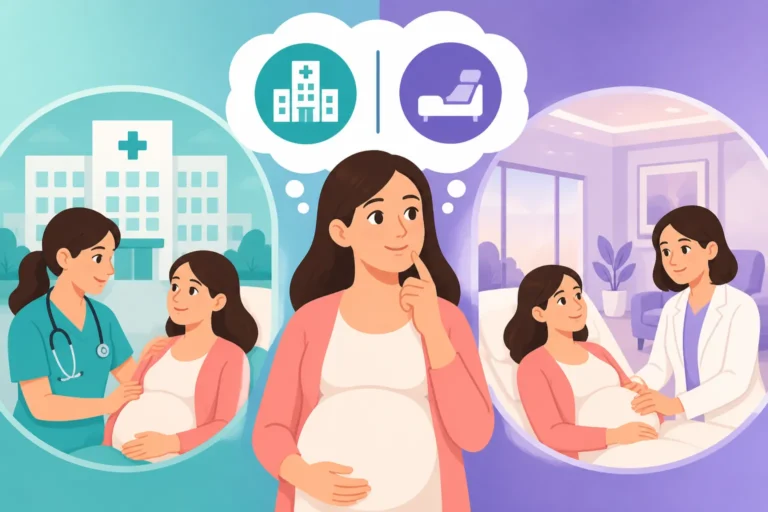
For those who can afford it, or who prefer to avoid waiting lists and seek more immediate, tailored support, private healthcare is a robust alternative in Malta. This route offers a wider choice of practitioners and often quicker access to appointments.
Finding Private Practitioners and Clinics
Malta has a growing number of private psychologists, psychotherapists, and psychiatrists who specialise in eating disorders or related mental health conditions. Many of these professionals are highly qualified, often having trained abroad, and are accustomed to working with an international clientele. You can find private practitioners through online directories, expat community groups, or by asking your GP for private referral options. Clinics such as the Richmond Foundation are well-regarded for their mental health services and can be a good starting point for enquiries, even if they don't exclusively specialise in eating disorders, they might offer relevant therapeutic approaches.
When searching for a private professional, don't hesitate to ask about their experience with eating disorders, their therapeutic approach, and whether they offer initial consultations to see if you're a good fit. It's also perfectly acceptable to ask about their fees and payment options upfront. Some private clinics may also offer a multidisciplinary team approach, similar to public services, providing access to dietitians and other specialists under one roof, which can be incredibly beneficial for holistic recovery.
Costs and Insurance Considerations
The cost of private therapy and psychiatric consultations in Malta can vary significantly. A single session with a psychologist or psychotherapist might range from €40 to €80 or more, while psychiatric consultations can be higher. If you're looking at a comprehensive treatment plan, these costs can quickly add up. This is where private healthcare and insurance in Malta becomes a crucial consideration.
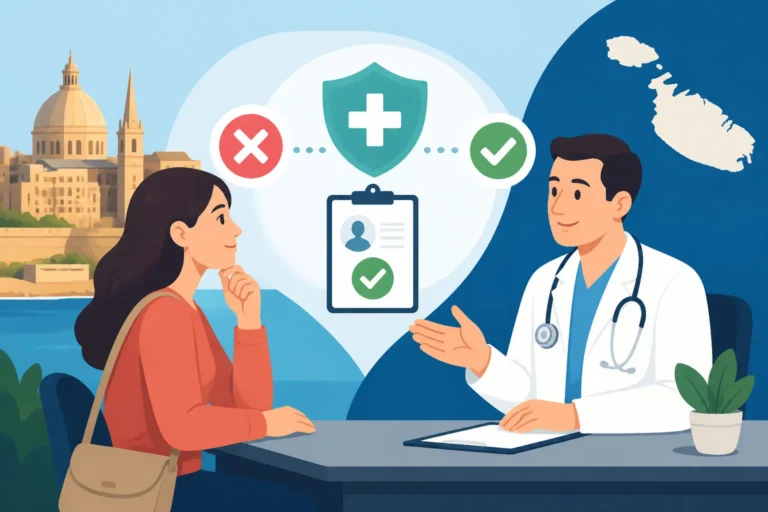
Many expats opt for private health insurance to cover these costs, either as a primary form of coverage or as a supplement to public healthcare. Policies can vary widely in what they cover for mental health services, so it's essential to scrutinise the terms and conditions carefully. Some policies might cover a certain number of therapy sessions, while others might have limits on psychiatric care. For those who are digital nomads or frequently travel, options like SafetyWing offer travel medical insurance that can include some limited coverage for mental health crises or unforeseen medical needs, which could be a lifeline when you're away from your primary healthcare system. While SafetyWing isn't a replacement for comprehensive long-term eating disorder treatment, it can offer peace of mind for initial assessments or urgent situations when you're in a new place.
The Role of Therapy and Support Groups
Regardless of whether you choose the public or private route, therapy will likely be a cornerstone of your recovery journey. Various therapeutic modalities have proven effective for eating disorders, and finding the right fit for you is paramount.
Types of Therapy Available
Malta offers access to a range of therapeutic approaches that are commonly used in eating disorder treatment, including:
- Cognitive Behavioural Therapy (CBT): This is a widely used therapy that focuses on identifying and changing negative thought patterns and behaviours associated with eating disorders.
- Family-Based Treatment (FBT): Particularly effective for adolescents, FBT involves the family in the recovery process, empowering them to help their loved one regain healthy eating patterns.
- Dialectical Behaviour Therapy (DBT): Often used for co-occurring conditions like self-harm or emotional dysregulation, DBT teaches skills in mindfulness, emotional regulation, distress tolerance, and interpersonal effectiveness.
- Nutritional Counselling: Working with a registered dietitian or nutritionist is often a critical component of recovery, helping to re-establish healthy eating habits, challenge food rules, and restore nutritional balance.
When seeking a therapist, don't be afraid to ask about their specific experience and training in treating eating disorders. A good therapeutic relationship is built on trust and understanding, so finding someone you feel comfortable with is vital.
Support Groups and Community Resources
Beyond individual therapy, connecting with others who understand what you're going through can be incredibly powerful. While formal eating disorder-specific support groups might not be as widely advertised as in larger countries, expat communities in Malta are generally very supportive. Online forums and local expat groups on social media can be excellent resources for finding informal meet-ups or shared experiences.
Additionally, some local NGOs or foundations focused on mental health may offer general support groups that can provide a safe space to share and feel less alone. While not solely dedicated to eating disorders, these groups can still offer immense value in fostering a sense of community and reducing isolation. Asking your therapist or GP if they know of any such groups or resources is always a good idea.
Practical Considerations for Expats
Dealing with an eating disorder is tough enough, but doing it in a foreign country adds layers of complexity. Here are some practical tips specifically for expats in Malta.
Language and Cultural Nuances
The good news is that English is an official language in Malta, and most healthcare professionals, particularly in the private sector, are fluent. So, language barriers are generally not a major concern. However, cultural nuances around food, body image, and mental health can still exist. Be prepared for potentially different attitudes or approaches to care than you might be used to. It's always okay to ask questions and seek clarification if something feels unfamiliar.
Maintaining Continuity of Care
If you're coming to Malta already in recovery or receiving treatment, maintaining continuity of care is paramount. Before you move, ask your current healthcare providers for detailed medical records, including diagnoses, treatment plans, and medication lists. Having these documents readily available will significantly streamline the process of finding new care in Malta and help your new practitioners understand your history. If you're on specific medication for your eating disorder or co-occurring conditions, knowing about prescriptions in Malta is also essential to ensure you can continue your regimen without interruption.
Travel and Temporary Stays
For those on short-term visits or temporary residence permits, accessing comprehensive long-term care for an eating disorder through the public system might be challenging due to entitlement rules. This is another scenario where travel insurance like SafetyWing can be a crucial safety net for unexpected medical needs, including mental health emergencies, although it's important to understand the limits of such policies for chronic conditions. If you anticipate needing ongoing support during a temporary stay, it's best to research private options and potentially arrange for remote therapy with a practitioner from your home country if that's an option.
| Feature | Public Healthcare System (Malta) | Private Healthcare System (Malta) |
|---|---|---|
| Access | Requires GP referral to specialist; entitlement based on SS contributions. | Self-referral often possible; direct access. |
| Cost | Free at point of use for entitled residents. | Out-of-pocket expenses; varies by practitioner/clinic. |
| Waiting Times | Can be significant for specialist appointments. | Generally shorter; quicker access to appointments. |
| Practitioner Choice | Limited to available public health professionals. | Wider choice of psychologists, psychiatrists, dietitians. |
| Multidisciplinary Team | Available in some cases, often through Mater Dei/Mount Carmel. | Some private clinics offer integrated teams, others require separate appointments. |
| Language | English widely spoken. | English widely spoken. |
| Insurance Coverage | Covered by social security; private insurance may supplement. | Often covered by private health insurance (check policy carefully). |
Disclaimer
The information provided in this guide is for general informational purposes only and does not constitute medical advice. While every effort has been made to ensure accuracy and relevance to Malta, individual circumstances may vary. Always consult with a qualified healthcare professional for diagnosis and treatment of eating disorders or any other medical condition. The references to specific brands are for contextual illustration and not an endorsement. Healthcare policies and services in Malta can change, so it's always advisable to verify information with official sources and healthcare providers.