How Do I Access Addiction or Substance-Use Support in Malta?
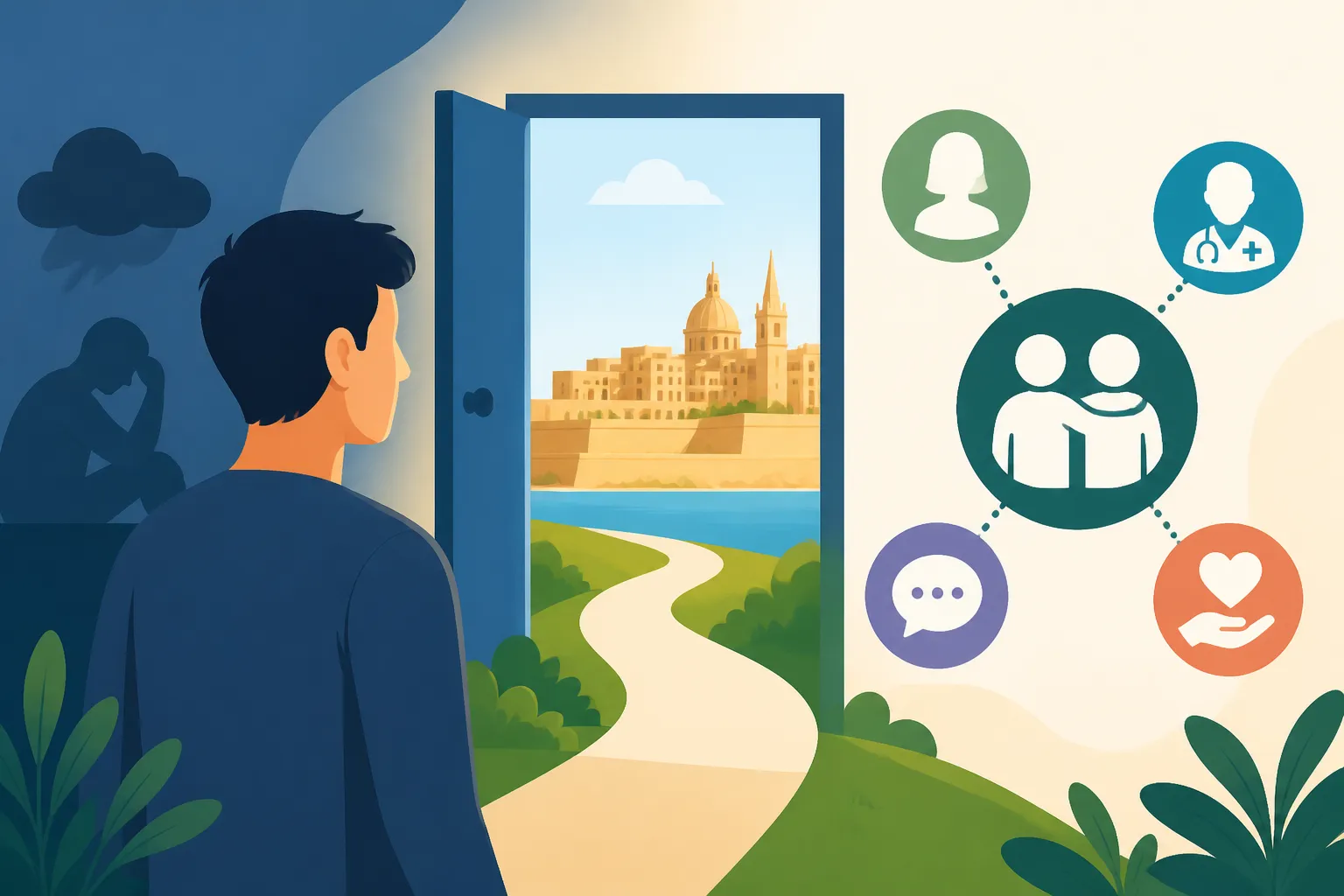
It's incredibly tough when you're facing something as personal and challenging as addiction, especially when you're living in a new country and trying to figure out how the local support systems work. Believe me, I've seen firsthand how disorienting it can be to navigate sensitive health issues when you're far from your usual support network. This guide is here to walk you through the various avenues for addiction and substance-use support available in Malta, aiming to make that first step feel a little less daunting.
Understanding Addiction Support in Malta: An Overview
When you're dealing with addiction or substance abuse, whether it's for yourself or a loved one, finding the right help can feel like an insurmountable task. In Malta, the support landscape for addiction is diverse, blending public health initiatives with robust non-governmental organisations (NGOs) and private treatment options. Understanding this ecosystem is your first step towards finding the help you need, and it's important to remember that you are not alone in this journey.
The Landscape of Care: Public, Private, and NGOs
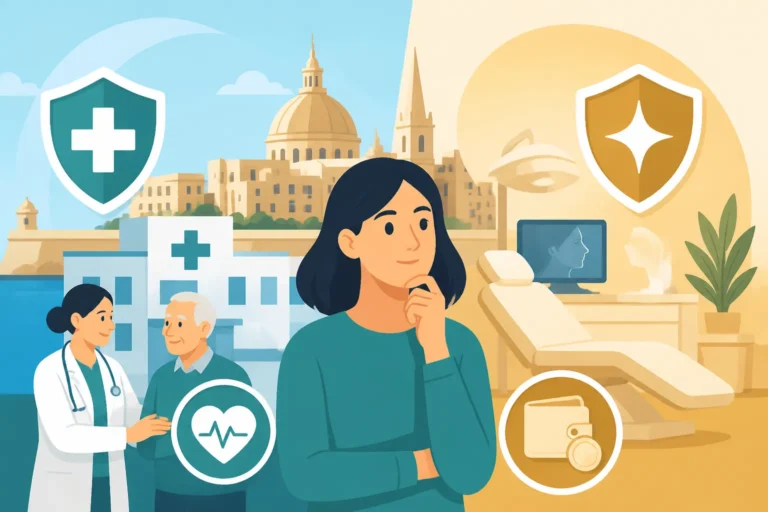
Malta has developed a multi-faceted approach to tackling addiction, ensuring that various levels of care are available, from prevention to long-term rehabilitation and aftercare. The primary public entity responsible for addiction support is Agenzija Sedqa, which falls under the Foundation for Social Welfare Services. They are the backbone of Malta's public response, offering a wide array of services designed to meet different needs and stages of addiction. Beyond the public sector, several dedicated NGOs play a crucial role, often providing specialised or faith-based support, and filling gaps in services with their unique community-focused programs. Then, of course, there are private options, which, while coming at a cost, can sometimes offer more immediate access or specific types of therapy that might not be as readily available through public channels.
One of the biggest hurdles many foreigners face is simply knowing where to begin. The system can seem opaque from the outside, and concerns about language barriers, confidentiality, or even the potential stigma associated with seeking help in a smaller community can be overwhelming. However, I can assure you that most professionals in Malta's addiction support sector are empathetic and operate with the utmost discretion, often being fluent in English. They are acutely aware of the challenges faced by individuals seeking help and are committed to providing a safe space.
Initial Steps: Where to Begin When You Need Help
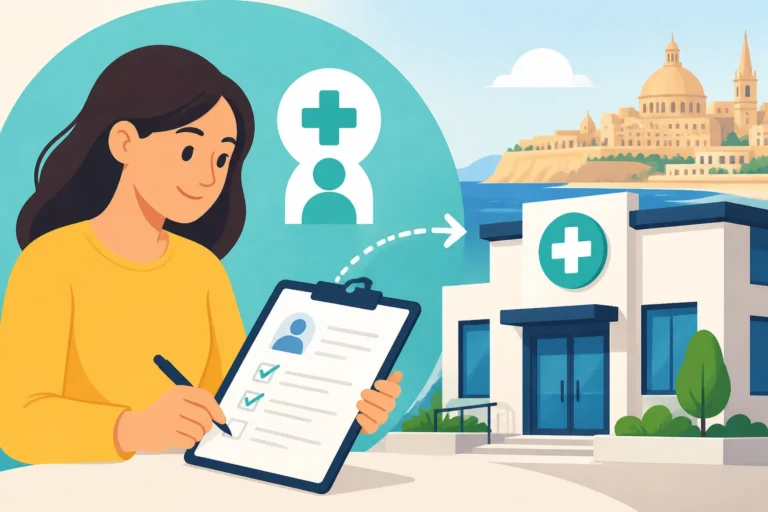
The very first step is often the hardest: acknowledging the problem and reaching out. When you decide to seek help for addiction or substance use in Malta, it’s crucial to know that your privacy is protected, and you will be met with professionalism, not judgment. The Maltese healthcare system, much like others, encourages starting with a general practitioner (GP) for many health concerns, and addiction is no exception. A GP can provide a confidential initial assessment, offer guidance, and make referrals to specialised services. This is often the quickest way to get started, especially if you have already registered with a local health centre. For a comprehensive look at how general practice works here, you can refer to our guide on Finding a Doctor in Malta: GPs, Specialists, and the Referral System.
Beyond a GP, there are direct helplines offered by NGOs and public services where you can speak to someone anonymously and get immediate advice or information about available programs. These helplines are designed to be a safe harbour, allowing you to discuss your situation without any pressure. They can be invaluable for gathering information, understanding your options, and taking that tentative first step towards recovery.
Public and NGO Services: Your Main Avenues for Support
Malta’s commitment to addressing addiction is evident in the comprehensive services offered by its public agency, Agenzija Sedqa, and various dedicated non-governmental organisations. These entities form the core of the support structure, offering accessible and often free-of-charge services to residents.
Agenzija Sedqa: The National Lifeline
Agenzija Sedqa is the principal national agency in Malta dedicated to preventing and treating substance abuse and addiction. They cover a broad spectrum of services, designed to support individuals and their families through every stage of recovery. Their approach is holistic, understanding that addiction impacts not just the individual but their entire support system.
Their services include prevention programmes aimed at educating the public, particularly youth, about the dangers of substance abuse. But more directly relevant for those seeking help, Sedqa offers robust residential and community-based treatment programs. For instance, they operate detox centres, providing medically supervised withdrawal in a safe environment. Following detox, individuals can transition into rehabilitation programs, which might be residential (meaning you live on-site) or community-based (where you attend day programs while living at home). These programs focus on therapy, skill-building, and addressing the underlying causes of addiction. They also have dedicated aftercare services, recognising that recovery is a lifelong journey requiring ongoing support to prevent relapse.
To access Sedqa's services, the initial step is usually to contact their helpline. A confidential assessment will follow, where professionals will evaluate your specific situation and recommend the most appropriate path forward. This could involve direct admission to a program, referral to a different service, or participation in their community support initiatives. It's a structured but compassionate process aimed at getting you the right kind of help.
Other Key NGOs and Community Support
While Sedqa is a major player, several other NGOs in Malta contribute significantly to the addiction support landscape, often bringing specialized expertise or a particular community focus.
Caritas Malta is another prominent organisation that offers extensive support for individuals struggling with substance abuse. They are well-known for their residential rehabilitation programs, which are often long-term and focus on personal development, spiritual growth, and reintegration into society. Caritas also provides support for families of individuals with addiction, understanding the ripple effect this disease has on loved ones. Their programs often have a strong community and therapeutic element, building a supportive environment for recovery.
The OASI Foundation, based in Gozo, is specifically dedicated to preventing drug and alcohol abuse and providing rehabilitation services. They run residential treatment programs, offering a serene and supportive environment for recovery, particularly beneficial for those who might benefit from a change of scenery away from the main island of Malta. OASI also places a strong emphasis on education and community outreach, working to reduce stigma and promote healthy lifestyles.
Beyond formal programs, peer support groups like Alcoholics Anonymous (AA) and Narcotics Anonymous (NA) are vital resources. These groups provide a safe, anonymous space where individuals can share their experiences, strength, and hope with others facing similar challenges. They operate on a 12-step model, fostering mutual support and accountability. Finding AA or NA meetings in Malta is relatively easy, with meetings held regularly across the islands in various locations, often with English-speaking sessions. These groups are free to attend and are an excellent complement to professional therapy or rehabilitation programs.
For more general advice on navigating the broader healthcare system, particularly regarding public and private options, our Healthcare in Malta for Foreign Residents: The Complete System Guide (2027) provides an excellent foundation.
Private Care and Insurance Considerations
While Malta's public and NGO-led addiction support services are extensive and often free, there are situations where private care might be considered. Understanding these options, and how they intertwine with health insurance, is key for many expats.
When Private Options Might Be Necessary
Choosing private addiction support in Malta typically comes down to several factors:
- Faster Access: Waiting lists, though not always long, can sometimes exist for public residential programs. Private clinics might offer quicker admission, which can be crucial in times of crisis.
- Specific Therapies: Some private practitioners or clinics might offer highly specialized therapeutic approaches or alternative treatments that are not always available within the public system.
- Privacy and Comfort: While public services are confidential, some individuals prefer the enhanced privacy and often more comfortable, less institutional environment of a private facility.
- Tailored Programs: Private providers often have the flexibility to create highly individualized treatment plans, catering precisely to a person's unique needs, co-occurring disorders, or specific substance use patterns.
Private care could involve individual therapy sessions with psychologists or counsellors specialising in addiction, private detox facilities, or even short-term residential programs. The costs can vary significantly depending on the service provider, the type of therapy, and the duration of the program. A single session with a private therapist might range from €40-€80, while more intensive programs could cost significantly more.
Navigating Insurance and Costs
This is where things can get a little tricky for expats. If you are legally employed and paying social security contributions in Malta, you are generally entitled to access the public healthcare system, which includes the services offered by Agenzija Sedqa. This means that, for many, public detox and rehabilitation programs are free at the point of use. Our guide on What Public Healthcare Costs in Malta: Free Services and Paid Extras offers more details on this.
However, when it comes to private care, the picture changes. Public healthcare entitlement typically does not cover private medical expenses. This is where private health insurance comes into play. If you have chosen to take out private health insurance, it's absolutely vital to scrutinize your policy documents carefully. Many standard private health insurance policies, especially basic ones, might have exclusions for pre-existing conditions or for long-term treatment of chronic conditions like addiction. Some might cover initial consultations with a mental health professional or a short-term inpatient stay for acute issues, but comprehensive, long-term addiction rehabilitation is often excluded or requires a very specific, high-tier policy.
For those just arriving or on certain permits, like the Nomad Residence Permit, private health insurance is often a mandatory requirement. While a travel insurance like SafetyWing is an excellent choice for immediate, acute medical emergencies and covers unforeseen illnesses or accidents during travel or early stages of residence, it's generally not designed to cover chronic addiction treatment. SafetyWing, like most travel insurance policies, is about covering sudden, unexpected medical needs, not ongoing or pre-existing conditions that require long-term structured care. If your residence permit necessitates private health insurance, make sure to choose a policy that is robust enough for your needs, possibly looking into local providers for more comprehensive coverage beyond just emergency care. Our article on Private Health Insurance Requirements for Non-EU Permit Holders in Malta offers more specific advice on this. Always read the fine print and speak directly with insurance providers about addiction-related coverage.
Here's a quick comparison of the types of support available:
| Feature | Public Services (e.g., Agenzija Sedqa) | NGOs (e.g., Caritas, OASI) | Private Services |
|---|---|---|---|
| Cost | Generally free for entitled residents | Often free or low-cost; may have donation requests | Fee-based, can be expensive |
| Access | Via GP referral or direct helpline; may have waitlists | Direct contact or referral; may have waitlists for residential | Direct access, often quicker; no waitlists for consultations |
| Confidentiality | High, legally protected | High, ethically protected | High, ethically protected |
| Services Offered | Prevention, detox, residential/community rehab, aftercare, family support | Residential rehab, community programs, family support, spiritual guidance | Individual/group therapy, specialised treatments, private detox, tailor-made plans |
| Eligibility | All residents with health entitlement (SS contributions) | Open to all, often prioritising those most in need | Anyone who can pay or has suitable private insurance |
| Insurance Coverage | Covered by public health entitlement | Rarely covered by private insurance | May be partially covered by comprehensive private health insurance; check policy carefully |
Practical Steps and Overcoming Hurdles
Navigating addiction support in a foreign country comes with its own set of unique challenges. Being prepared for these can make the process smoother and more effective.
Language Barriers and Stigma
One of the first concerns many expats have is the language barrier. While English is one of Malta's official languages and is widely spoken, especially in urban areas and within the healthcare sector, you might occasionally encounter situations where Maltese is the primary language, particularly in community-based groups or with older practitioners. However, rest assured that professionals within Sedqa, Caritas, OASI, and private clinics are highly likely to be fluent in English. If you ever feel misunderstood or prefer to communicate in English, simply state your preference. Many places will actively provide English-speaking staff or services. For general medical appointments, you can often find a GP who speaks English with ease, as detailed in our guide Can I See a Doctor in English in Malta?.
Another significant hurdle can be the stigma surrounding addiction. While attitudes are evolving, some cultural sensitivities might exist, and the smaller nature of the Maltese community can sometimes lead to concerns about privacy. However, the professional bodies and NGOs providing addiction support adhere to strict confidentiality protocols. They are dedicated to creating a safe, non-judgmental space for recovery. Your information will be handled discreetly, and professionals are trained to offer empathetic care regardless of background. Focusing on the fact that you are taking a courageous step towards health and recovery is paramount.
Supporting Loved Ones and Accessing Family Resources
Addiction is often referred to as a "family disease" because its effects ripple through the lives of everyone close to the individual. Recognising this, many of Malta's addiction support services also extend their help to family members and loved ones. Agenzija Sedqa, for instance, offers family support programs, counselling, and educational resources designed to help families understand addiction, cope with its challenges, and learn how to best support their recovering loved one while also taking care of their own well-being.
Similarly, organisations like Caritas Malta understand the importance of a strong family unit in the recovery process and provide avenues for family members to access support groups and counselling. These resources can be invaluable for partners, parents, children, and friends who are often struggling with feelings of helplessness, anger, guilt, and grief. Seeking support for yourself as a loved one is not a sign of weakness; it's a vital part of creating a healthier environment for everyone involved in the recovery journey. Always remember that seeking help, whether for yourself or for someone you care about, is a sign of immense strength.
Disclaimer
Please note that this guide provides general information and should not be considered as professional medical or legal advice. Healthcare services and regulations in Malta can change, and individual circumstances vary. Always consult with qualified medical professionals, legal experts, or the relevant authorities (such as Agenzija Sedqa or Identità) for advice tailored to your specific situation. While efforts have been made to ensure accuracy, this content is for informational purposes only.