Avoiding Rental and Property Scams in Malta
Dreaming of Malta's sun-drenched shores, envisioning a quaint apartment in Valletta or a spacious flat in Sliema, only to hit a wall of suspicion with dodgy rental ads or too-good-to-be-true property listings, is a harsh reality many of us expats have faced. This guide is here to arm you with the essential knowledge to navigate Malta's property market safely, whether you're looking to rent a place for a few months or buy your forever home, helping you spot the glaring red flags and protect your hard-earned money from unscrupulous individuals.
Understanding the Maltese Property Market Landscape
Malta's allure as a beautiful, English-speaking island with a booming economy unfortunately makes it a prime target for opportunistic scammers. The high demand for rental properties, especially in popular areas, and the fast-paced nature of the market can create an environment where caution is easily thrown to the wind by eager newcomers. It's a tale as old as time: you're excited, you're looking for a place to call home, and you might overlook details in your rush to secure accommodation.
The property market here is vibrant, with constant movement, but it's also relatively small. Word travels fast, but so do scams. You'll find a mix of legitimate real estate agencies, private landlords, and unfortunately, a scattering of individuals ready to exploit those unfamiliar with local customs and legalities. Being aware of the common tactics employed by these scammers is your first line of defence. They prey on desperation, ignorance, and the desire to save a quick buck.
Common Scam Types Targeting Foreigners
Expats here often encounter or hear about almost every trick in the book. The most prevalent scams often revolve around rental properties, primarily because the transactional barrier is lower than buying property outright. You're usually dealing with smaller sums for deposits and initial rent, making it seem less risky on the surface.
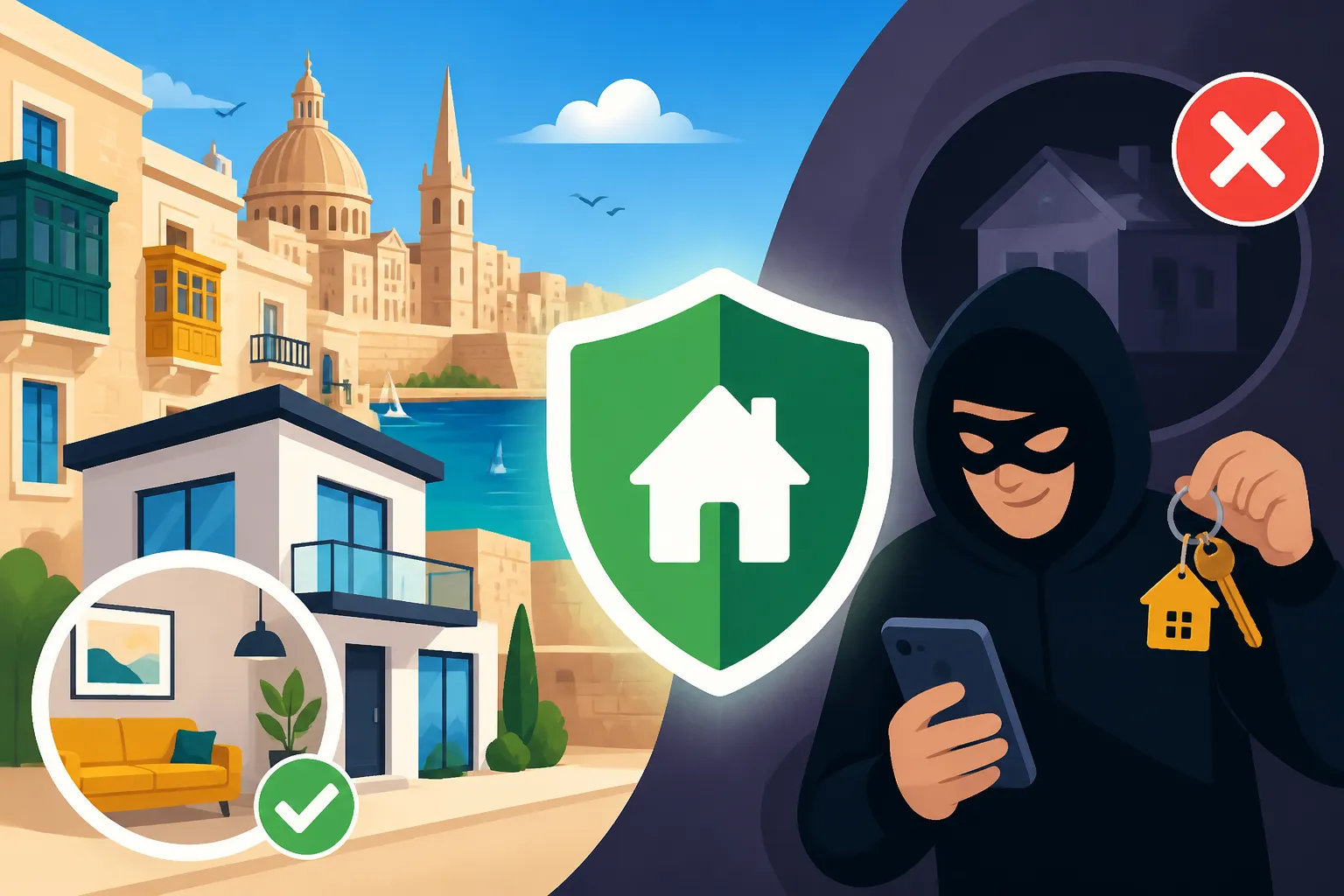
One classic is the "phantom property" scam, where a non-existent apartment is advertised with alluring photos and an unbeatable price. The scammer insists on a deposit to "hold the property" or "secure a viewing slot," often claiming high demand. Another common one involves "remote landlords" who claim to be out of the country and unable to show the property, pushing for money transfers for keys to be mailed or left somewhere. This also extends to listings that are real but not actually available, sometimes managed by people who are simply fishing for personal details or other malicious intent.
For those looking to buy, while less frequent due to the more involved legal process, "title scams" or misrepresentations about property ownership can occur. This might involve someone trying to sell a property they don't legally own, or concealing significant issues with the property's legal standing. The good news is that Malta has robust legal frameworks for property transactions, but bypassing the correct channels or cutting corners in due diligence can leave you exposed.
Why Malta is a Target for Scammers
Malta's unique appeal to foreigners creates a fertile ground for scams. Firstly, the transient nature of many expats means there's a constant influx of new, sometimes less-informed individuals who are eager to settle in quickly. Secondly, the language barrier, although English is widely spoken, can still be a subtle point of confusion, especially with legal jargon or specific colloquialisms that might mask deceit.
Thirdly, the perception of a relaxed Mediterranean lifestyle can sometimes lead to a relaxed approach to administrative processes. People hear "Malta" and think sun and sea, perhaps forgetting to apply the same critical thinking they would in their home country. Plus, the sheer volume of online property groups and portals, while helpful, also provides anonymity for scammers. The market moves fast; a good deal can be snapped up in hours, which fuels a sense of urgency that scammers exploit. They know you're probably stressed about finding a place, and that stress can cloud judgment.
Spotting the Red Flags in Rental Listings
When you’re scrolling through endless property listings, everything can start to blend into one big blur. But trust me, some details should immediately jump out as suspicious. It’s all about being vigilant and critically assessing every piece of information. Don't let your excitement override your common sense.
Too-Good-To-Be-True Deals
This is probably the most obvious, yet often the most tempting, red flag. You'll see a stunning, modern apartment in a prime location like Sliema or St. Julian's, advertised at a price significantly lower than anything else on the market. We're talking hundreds of euros less than comparable properties. It’s a classic bait tactic. Scammers know that everyone is looking for a bargain, especially in Malta where rental prices have seen a steady increase.
Think about it: why would a landlord offer an immaculate property for well below market rate? There’s almost always a catch. They might claim they’re in a hurry to rent it out, that they’re incredibly generous, or that they just want "good tenants" more than high rent. These stories are designed to disarm you and make you overlook the fundamental economic principle that prices reflect demand. If it looks too good to be true, it almost certainly is. Always research average rental prices in the areas you're considering. For a broad overview, check out our guide on Cost of Living in Malta: Budgeting for the Real Numbers to get a sense of typical expenses.
Pressure Tactics and Unusual Requests
A common scammer tactic is to create a false sense of urgency. They might tell you there are "many other interested parties" and you need to pay a deposit right now to secure the property. They'll push you to make a decision without a proper viewing or without reviewing a contract. Any agent or landlord putting undue pressure on you to commit financially before you've completed all your checks should raise immediate alarm bells. A legitimate agent or landlord understands that finding a home is a significant decision and requires due diligence.
Then there are the unusual payment requests. Legitimate landlords in Malta typically request payment via bank transfer for rent and deposits. Be extremely wary of requests for payments via untraceable methods like Western Union, MoneyGram, cryptocurrency, or gift cards. These methods offer no protection or recourse if something goes wrong. If a "landlord" insists on being paid this way, walk away immediately. It's also unusual for a landlord to ask for copies of your passport and bank statements before you've even viewed the property or expressed serious interest. They're often fishing for personal data to use for identity theft.
Remote Landlords and Unverified Viewings
The "I'm out of the country" story is another classic. The scammer claims to be abroad, perhaps working, studying, or on a long holiday, and cannot personally show you the property. They'll offer to send keys via mail after you've transferred a deposit, or arrange for a "friend" or "cleaner" to meet you, but only after you’ve made a payment. This conveniently allows them to avoid a physical meeting and prevents you from verifying the property's existence or their identity.
Never, ever pay a deposit or sign anything for a property you haven't personally viewed, or had a trusted representative view on your behalf. If someone claims to be a remote landlord, insist on a video call where they show you around the actual property in real-time. Even better, use a reputable local real estate agent who can verify the landlord's identity and property ownership. Remember, seeing is believing, especially in the rental market.
Navigating the Rental Process Safely
Once you’ve identified a potential property, the real work of due diligence begins. Don’t rush this phase; it’s where you protect yourself from becoming a victim. Every step needs to be thorough, from verifying the property to signing the lease.
Verifying Property and Landlord
The first thing you absolutely must do is verify the property’s existence and who actually owns it. If you're working with an agent, ensure they are licensed and reputable. Malta has many legitimate agencies like Frank Salt Real Estate, Remax Malta, and Dhalia, but there are also many smaller, less regulated players. Always do a quick online search for reviews and check their official presence.
When viewing a property, pay attention to details. Does it match the photos exactly? Are there any obvious discrepancies? Ask specific questions about utilities, maintenance, and the neighbourhood. A genuine landlord or agent will be able to answer these without hesitation. Critically, before handing over any money, ask for proof of ownership. A legitimate landlord should be able to provide an energy performance certificate (EPC) or a copy of the property's title deeds (with sensitive information redacted, of course) or their identity document. While this might seem like a lot to ask, it’s a reasonable request for someone about to entrust them with a significant deposit and months of rent. Your Maltese ID card number, which you'll need for various official processes, can also indirectly help verify identity with trusted entities, but never share it freely. For more details on what landlords typically require, consult What Landlords in Malta Require Before They Rent to You.
The Importance of a Proper Contract
Never, under any circumstances, agree to rent a property without a written lease agreement. This isn't just a piece of paper; it's your legal protection. Malta's Private Residential Leases Act (PRLA) mandates that all private residential leases must be registered with the Housing Authority, and the contract must meet certain standards. A legitimate landlord will be fully aware of this and comply. If they resist a formal contract or suggest a "gentleman's agreement," run!
A proper contract should clearly outline:
- The names and ID numbers of both landlord and tenant.
- The address of the property.
- The duration of the lease (usually 1 year minimum for short-term, 6 months for long-term if specific conditions are met, but typically 1 year).
- The amount of rent and due dates.
- The amount of the security deposit and conditions for its return.
- An inventory of furnishings and their condition.
- Who is responsible for repairs and utility bills.
- Notice periods for termination.
I cannot stress enough how vital this is. Without a registered contract, you have very little legal recourse if things go wrong. Your rights as a tenant are largely enshrined in this document and the PRLA. For more information, read up on Your Rights Under Malta's Private Residential Leases Act and Renting a Home in Malta: Contracts, Deposits, and Tenant Rights.
Handling Deposits and Payments
This is where many scams hit home. The standard practice in Malta is for landlords to request a security deposit, usually equivalent to one month's rent, plus the first month's rent upfront. This is normal. What’s not normal are requests for multiple months of rent upfront, exorbitant "holding fees," or anything significantly outside this norm without a clear, justifiable reason.
Always ensure that any payment you make, especially the deposit and first month's rent, is transferred via a traceable bank transfer to the landlord's personal bank account or a designated agency account. Get a receipt for every payment. It’s a good idea to ensure the bank account name matches the landlord's name on the contract. Avoid cash payments unless absolutely necessary, and if you do pay cash, demand a signed, dated receipt detailing the amount, purpose, and property address.
One of the most crucial protections under the PRLA is that deposits must be registered with the Housing Authority along with the lease. This means the deposit isn't just sitting in the landlord's personal account, making it harder for them to unfairly withhold it. Make sure your landlord registers the lease and the deposit within 10 days of signing. This protects you immensely when it comes time to move out and claim your deposit back.
| Scam Type | Red Flags | Recommended Action |
|---|---|---|
| Phantom Property | Unbelievable price, generic photos, no physical viewing allowed. | DO NOT PAY ANY MONEY. Insist on an in-person viewing. If not possible, it's a scam. Verify with a reputable agent. |
| Remote Landlord | Claims to be abroad, offers to mail keys, asks for untraceable payment. | NEVER PAY BEFORE VIEWING. Ask for video tour. Insist on using a local agent. Do not use Western Union/MoneyGram. |
| Pressure Tactics | "Act now or lose it!" demands, rushed decisions, no contract review. | TAKE YOUR TIME. A legitimate process respects your need for due diligence. Decline rushed requests. |
| Fake Agent | Unlicensed, no office, poor online presence, asks for upfront fees. | VERIFY LICENCE. Check online reviews. Visit their physical office. Use well-known agencies like Frank Salt Real Estate or Remax Malta. |
| Deposit Fraud | Asks for excessive deposit, untraceable payment, no deposit protection. | PAY VIA BANK TRANSFER. Ensure deposit is one month's rent. Insist on a registered lease with Housing Authority. Get receipts. |
| Identity Theft | Asks for sensitive documents (passport, bank statements) too early. | LIMIT SHARING. Only provide necessary documents after commitment. Blackout sensitive info (e.g., specific account numbers) where possible. |
| Illegal Subletting | "Landlord" offers cheap rent, won't provide formal contract, avoids owner. | REQUEST PROOF OF OWNERSHIP. Ensure the person renting to you has the legal right to do so. A registered lease is key. |
Protecting Yourself When Buying Property
Buying property in Malta is a significant investment and a more complex process than renting. While less prone to quick scams, it’s crucial to have the right support and follow the established legal procedures to avoid costly mistakes.
Engaging Reputable Professionals
This cannot be overstated: when buying property in Malta, you absolutely must engage a reputable notary public and, ideally, a lawyer as well. The notary public in Malta plays a crucial role; they are a public official responsible for ensuring the legality of the transaction, verifying ownership, checking for encumbrances (such as mortgages or liens), and registering the deed. They are not there to represent your interests solely, but to ensure the transaction is legally sound for all parties.
Therefore, having your own independent lawyer is also highly recommended. Your lawyer will specifically represent your interests, advising you on the contract terms, checking for any clauses that might disadvantage you, and clarifying any legal complexities. Do not rely solely on the vendor’s notary or agent. Seek recommendations for notaries and lawyers from trusted sources or expat groups. Choosing the right professionals is paramount, as they are your shield against potential pitfalls.
Understanding the Promise of Sale (Konvenju)
The "Promise of Sale Agreement," locally known as the Konvenju, is the most critical document in the Maltese property purchasing process after an initial verbal agreement. This legally binding agreement sets out the terms and conditions of the sale, including the price, completion date, any conditions precedent (like obtaining an AIP permit for non-EU citizens), and the deposit amount. This is when you typically pay a 10% deposit, which is held by the notary in an escrow account, not given directly to the seller.
Before signing the Konvenju, your notary will conduct preliminary searches on the property to verify its title, check for any third-party rights, and ensure there are no outstanding debts or legal issues. It's during this phase that any red flags regarding ownership or property status should surface. Make sure all agreed-upon conditions, such as necessary permits or repairs, are explicitly detailed in the Konvenju. If you're a non-EU citizen, you might need an Acquisition of Immovable Property (AIP) permit, so ensure this is a condition of the sale. You can learn more about this process in our comprehensive guide The Property Purchase Process in Malta: Notary, Promise of Sale, and Deed.
Due Diligence and Title Checks
Beyond the notary’s initial searches, a thorough due diligence process involves several layers of checks. This includes verifying the property's boundaries, ensuring all necessary building permits and planning permissions are in order (especially for older properties or those that have undergone recent renovations), and confirming that there are no pending legal disputes. Your architect can verify structural integrity and adherence to planning regulations.
For foreigners, understanding the intricacies of Maltese property law, including aspects like pre-emption rights (where certain individuals might have a right to buy the property before you) or ground rent (cens), is vital. A good lawyer will explain all these potential complexities. Do not hesitate to ask questions, no matter how small they seem. Remember, you're making a significant financial commitment. The more transparent and well-documented the process, the safer your investment will be. If anything feels rushed or details are vague, take a step back and seek further clarification.
What to Do If You Suspect or Fall Victim to a Scam
Even with the best precautions, sometimes things go wrong. Knowing what steps to take if you suspect a scam or have unfortunately fallen victim is crucial for damage control and seeking justice.
Reporting Scams
The very first step, if you suspect a scam or have been defrauded, is to report it to the local police. Head to your nearest police station to file a report. Bring all available evidence: screenshots of advertisements, communication (emails, WhatsApp messages, social media chats), bank transfer confirmations, copies of any "contracts," and details of the individuals involved. The more information you can provide, the better their chances of investigating.
Secondly, if the scam involved an online platform (like Facebook Marketplace, popular property groups, or specific rental websites), report the fraudulent listing or profile to the platform administrators. This helps them remove the content and prevent others from falling victim. If you used a bank transfer, contact your bank immediately to report the fraudulent transaction. While recovery might be difficult, especially for international transfers, they can sometimes flag the recipient account or offer advice.
Legal Recourse and Seeking Help
Malta has legal frameworks in place to address fraud and consumer protection. Once you've filed a police report, it's highly advisable to seek legal advice from a Maltese lawyer specializing in civil law or property disputes. They can assess your specific situation, explain your legal options, and guide you through the process of potentially recovering your funds or seeking damages. Be prepared that legal processes can be lengthy and potentially costly, but having professional legal guidance is invaluable.
For rental disputes, the Housing Authority in Malta is a crucial resource. They mediate landlord-tenant disputes and oversee the registration of lease agreements and deposits. If your deposit was not returned unfairly or your lease wasn't registered, they can assist. Also, don't underestimate the power of expat communities. While not a legal authority, sharing your experience (without naming individuals to avoid libel) in trusted expat groups can warn others and sometimes lead to helpful advice or connections to reputable professionals.
Leveraging Resources and Local Knowledge
Prevention is always better than cure, and in Malta's property market, this often means tapping into local knowledge and official resources. Don’t try to navigate this complex landscape completely on your own.
Official Bodies and Trusted Agents
When looking for a rental or property to buy, always prioritise official channels. Start with established and reputable real estate agencies. Names like Frank Salt Real Estate, Remax Malta, Dhalia, and Engel & Völkers are well-known and generally adhere to professional standards. While agency fees are a standard part of renting through an agent, the peace of mind and legal protection they offer are often worth it. They verify properties, draw up legitimate contracts, and act as an intermediary, reducing your direct exposure to potential scammers.
For any legal queries, refer to official government websites, specifically those of the Housing Authority and Identità (for residence permits, as your permit type can impact property rights). These are the most reliable sources of up-to-date information on property laws and regulations. Don't solely rely on anecdotal evidence from social media groups, as information can sometimes be outdated or misconstrued.
Expat Communities and Word of Mouth
While caution is advised when taking advice from unverified sources online, expat groups on platforms like Facebook can be incredibly useful for gathering general market insights, asking questions, and getting recommendations for reputable agents, notaries, and lawyers. Just ensure you filter the advice critically and always verify information with official sources or professionals. These groups are also excellent for understanding common pain points and learning from others' experiences, both good and bad.
When engaging with others in these communities, look for consistent recommendations for particular professionals or agencies. If multiple people vouch for someone, that’s a good sign. Be wary of individuals who push aggressively for specific, lesser-known services.
Remember, building a network in Malta takes time. Services like Sirelo can provide valuable insights into moving processes and connecting with reliable movers, which is often the first step before tackling the property market. Using such platforms to find trusted partners for your entire relocation can significantly reduce overall stress and potential exposure to scams. Similarly, ensuring you have reliable connectivity with services like Airalo allows you to conduct your online research and communicate effectively throughout your property search.
Don't be afraid to ask for advice from fellow expats you meet in person. Many of us have been through the same struggles and are more than willing to share our experiences and point you in the right direction. It’s all part of settling into the Maltese way of life, warts and all!
Disclaimer
The information provided in this guide is for general informational purposes only and does not constitute legal, financial, or professional advice. While every effort has been made to ensure accuracy and relevance, property laws and regulations in Malta can change. It is highly recommended to consult with qualified Maltese legal and real estate professionals for advice tailored to your specific situation. Reliance on any information in this article is solely at your own risk.