Do I Need Home Insurance When Renting in Malta?
Ah, the joys of renting in a new country! You’ve finally landed, found your perfect little place, signed the lease, and then the question hits: "Do I really need home insurance here in Malta?" It's one of those administrative hurdles that often sneaks up on expats, and trust me, you're not alone in feeling a bit confused. Navigating the nuances of Maltese rental agreements and local expectations can feel like trying to untangle a fishing net in a gale. This guide is here to untangle that particular knot for you, explaining not just the legalities, but the very real reasons why home insurance for renters here is far more than just a suggestion – it’s a crucial safety net for your peace of mind and your wallet.
The Bare Essentials: Is Home Insurance a Legal Requirement for Renters in Malta?
Let’s cut straight to the chase because this is usually the first question on everyone's mind. In Malta, there isn't a specific law that forces a tenant to take out home insurance. You won't find a government decree stating "Thou shalt have renter's insurance." This might seem like good news at first, right? One less thing to worry about. But hold your horses, because the practical reality on the ground, and what your potential landlord expects, is often a very different story.
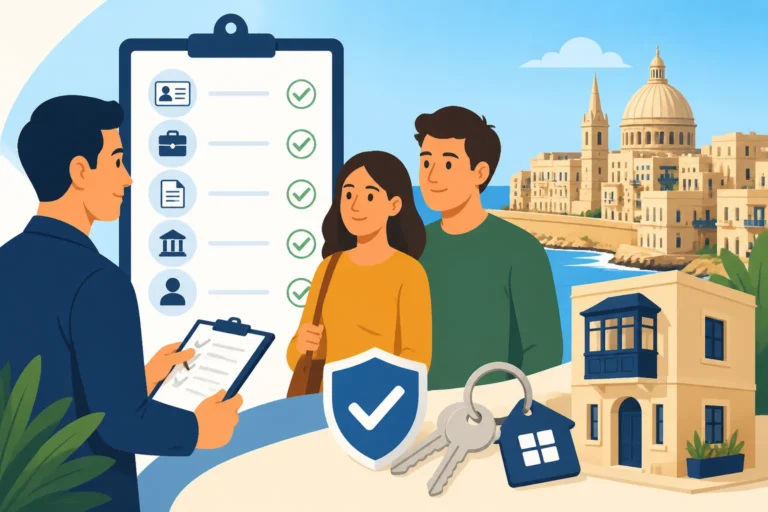
While the law doesn't explicitly mandate it for you as a tenant, most landlords in Malta, especially those who are professional or renting out higher-value properties, will require you to have some form of insurance as part of your rental agreement. Think of it as a standard clause in their lease contracts, much like stipulating when rent is due or how many pets you can have. They're trying to protect their investment, and rightly so. So, while you might not face a fine from the authorities for not having it, you might very well struggle to secure a decent rental property, or worse, find yourself in a sticky situation with your landlord down the line. It's always best to be prepared, especially when you're still getting settled.
Most private residential lease agreements in Malta, particularly those drafted post-2020 under the Private Residential Leases Act, will contain clauses about maintaining the property and liability for damages. This is where your potential need for insurance often comes in. The landlord's primary concern isn't usually your personal belongings; it’s the structural integrity of their property and any damage you might cause to it, or even to neighbouring properties. If you accidentally leave a tap running and flood the apartment below, the landlord could be held liable, and they will certainly come looking to you for reimbursement. Having insurance is their way of mitigating that risk, and it should be yours too.
Deconstructing Home Insurance for Renters: What Are We Actually Talking About?
When we talk about "home insurance" for renters, it’s not a single, monolithic product. It typically breaks down into two or three distinct components, and understanding each one is crucial to figuring out what you truly need and what your landlord might expect. This isn't just about covering your fancy gadgets; it's about protecting yourself from financial ruin if something goes wrong.
Contents Insurance: Protecting Your Personal Belongings
This is probably what most people think of first when they hear "home insurance." Contents insurance covers all the personal items you bring into the rental property – your clothes, furniture (if the place is unfurnished or partly furnished), electronics, jewellery, kitchenware, and anything else that isn't part of the building itself. Think about it this way: if you picked up the house and shook it, everything that falls out is typically considered your "contents."
Imagine arriving in Malta, perhaps after using a relocation service like Sirelo to bring your cherished possessions, only for an unforeseen event to occur. A fire could break out, a pipe could burst and flood your apartment, or, unfortunately, a burglar could pay a visit. Without contents insurance, replacing all those items, from your laptop and phone to your entire wardrobe, would fall entirely on your shoulders. This can amount to thousands of euros, a sum that very few people have readily available for such an emergency. It's not just about the big-ticket items; the cumulative cost of replacing everything you own quickly adds up, and it's a burden you absolutely do not want to bear alone.
Even if your rental property came fully furnished, you still have your personal effects. Your passport, important documents, jewellery, watch, designer clothes, and all your personal electronics like tablets, cameras, and gaming consoles – these are often irreplaceable or extremely costly to replace. Many expats underestimate the value of their belongings until they’re faced with the prospect of replacing them from scratch. Contents insurance provides that vital financial cushion, allowing you to recover without facing severe financial stress. It’s also worth noting that some policies offer 'new for old' replacement, meaning you get the cost of a brand new item, not just the depreciated value of your old one.
Third-Party Liability Insurance: The Unsung Hero for Renters
This type of insurance is often the most overlooked by tenants, yet it's arguably the most critical for protecting your relationship with your landlord and your security deposit. Third-party liability insurance (sometimes called tenant’s liability or public liability) covers you for accidental damage you cause to the landlord's property, or to other people's property or even injury to someone else, while you are occupying the rented premises.
Let's run through a common scenario in Malta: You accidentally leave a candle too close to a curtain and it causes a small fire, scorching the wall and some of the landlord’s furniture. Or perhaps your washing machine leaks, and the water seeps through the floor, damaging the ceiling of the apartment below. These are not far-fetched scenarios; they happen more often than you’d think. In such cases, your landlord (and the neighbour downstairs) would seek compensation from you for the repairs. Your deposit might cover some of it, but if the damage is extensive, you could be liable for costs well beyond that deposit, potentially leading to a drawn-out and unpleasant legal battle.
This is exactly where third-party liability insurance steps in. It covers those costs, protecting your security deposit and preventing you from having to pay out of pocket for potentially very expensive repairs. Many landlords specifically ask for this type of coverage because it directly addresses their primary concern: the integrity of their property. It assures them that if an accident happens while you're living there, they won't be left with a substantial bill. This type of insurance can save you a significant amount of stress and money, especially if you're dealing with multiple parties or complex damages.
Building Insurance: The Landlord’s Responsibility (But Good to Know About)
Building insurance covers the physical structure of the property itself – the walls, roof, floors, fixtures, and fittings that are permanently attached. This is unequivocally the landlord's responsibility. As a tenant, you do not need to take out building insurance; your landlord should already have this in place. However, it's good practice to understand that it exists and what it covers, as it forms part of the overall protection for the property you're living in.
It’s worth clarifying the distinction with your landlord or reviewing your lease agreement to ensure they do indeed have building insurance. This ensures that if the property is damaged by something outside your control – like a major storm, structural issue, or subsidence – the landlord has the means to repair it, and you’re not left in a compromised living situation. While not your direct concern financially, it impacts the safety and habitability of your home, so it's a detail worth being aware of, just to make sure all bases are covered from a broader perspective.
The Real-World Impact: Why Skipping Insurance is a Risky Gamble in Malta
Okay, so we've established it's not strictly legally required for tenants, but it's often a contractual expectation and a really, really good idea. But why is it such a big deal for expats in particular? Well, living in a foreign country adds an extra layer of complexity to any mishap. You're already navigating a new culture, language (even if English is widely spoken, official documents can be tricky), and administrative systems. The last thing you need is a massive unexpected bill.
Protecting Your Valuables: Replacing a Life, Not Just Possessions
Think about everything you've brought with you to Malta, or everything you've accumulated since arriving. Your expensive laptop for work, your smartphone that keeps you connected (especially with a reliable eSIM from a provider like Airalo when you first arrived!), that fancy camera you use to capture Malta’s stunning scenery, perhaps some jewellery, or even just your decent quality wardrobe. The collective value of these items is often far higher than people realise until they have to replace them.
Imagine a power surge fries all your electronics, or a minor kitchen fire destroys your cooking equipment and personal effects. The financial hit to replace these items could be devastating. For many expats, starting a new life in Malta often involves a significant upfront investment in relocation costs, deposits, and initial living expenses. Adding the unforeseen burden of replacing all your belongings from scratch can wipe out your savings and put immense pressure on your finances. This isn't just about possessions; it’s about replacing the tools that allow you to work, communicate, and enjoy your new life. Without insurance, you're essentially betting against life's unpredictable moments, and that's a bet that rarely pays off.
Safeguarding Your Deposit and Avoiding Landlord Disputes
This is where the rubber meets the road. When you move into a rental property in Malta, you almost certainly pay a security deposit, typically equivalent to one or two months' rent. This deposit is your money, held by the landlord to cover any damages or unpaid rent when you eventually move out. If you accidentally damage the property – perhaps a clumsy spill permanently stains a rug, or you chip a bathroom tile – the landlord will deduct the cost of repair or replacement from your deposit. You'll find a lot of useful information on this in guides like Deposits, Agency Fees, and Upfront Costs When Renting in Malta.
Now, consider a more serious incident, like a burst pipe (a common occurrence in older Maltese buildings) or an overflowing bath that causes significant water damage to the property’s walls, floor, or even the apartment below. The repair costs for such incidents can easily run into thousands of euros, far exceeding your security deposit. Without third-party liability insurance, you would be personally responsible for covering the difference. This can lead to bitter disputes with your landlord, legal action, and a very unpleasant exit from your rental. Having the right insurance means these costs are covered, protecting your deposit and, more importantly, protecting you from potentially ruinous financial claims. It’s a practical step to ensure you can get your deposit back in Malta without undue hassle, assuming you’ve otherwise upheld your end of the lease.
Peace of Mind and Navigating Unforeseen Circumstances
Moving to a new country like Malta brings enough challenges without adding the constant worry of potential financial catastrophe if your apartment suffers damage or your belongings are stolen. Having comprehensive home insurance for your rental property provides an invaluable layer of peace of mind. You know that if the unexpected happens, you're not facing it alone. This allows you to focus on enjoying your new life, exploring the island, and building your community, rather than stressing about what could go wrong.
Furthermore, dealing with unexpected events in a foreign country can be particularly daunting. Language barriers, unfamiliar legal systems, and just not knowing "how things work" can amplify stress. An insurance policy often comes with assistance services, making the claims process clearer and more manageable. It effectively removes a significant layer of risk, allowing you to settle in more smoothly. It’s about building a stable foundation, much like how important it is to Understand the Cost of Living in Malta: Budgeting for the Real Numbers from the outset.
Navigating the Maltese Insurance Market: How to Get Covered
So, you're convinced (and you should be!). Now, how do you actually go about getting this elusive home insurance when renting in Malta? It's not as complicated as it might seem, but it does require a bit of homework to ensure you get the right coverage.
Finding a Policy: Local Insurers and Comparison
Malta has a robust and competitive insurance market, with several reputable local and international providers. Some of the prominent players include Atlas Insurance, GasanMamo Insurance, and Mapfre Middlesea. These companies offer various home insurance packages designed for both property owners and tenants. It’s always a good idea to approach a few different providers to get quotes and compare their offerings. Don't just look at the price; delve into what exactly is covered, the exclusions, and the excess (the amount you have to pay yourself before the insurer pays out).
You can usually get quotes online through their websites or by visiting one of their branches. Speaking to an agent can be beneficial, especially if you have specific questions about your particular rental situation or valuable items you want to ensure are covered. Make sure to clarify that you are a tenant looking for contents and tenant's liability insurance, rather than building insurance. They are accustomed to dealing with foreigners, so don't hesitate to ask for explanations in English. This proactive approach is key, just like being thorough when you are Choosing a Private Health Insurer in Malta: Cover, Costs, and Claims.
What Information You'll Need: Be Prepared
When you apply for a quote, insurers will typically ask for a range of information about the property and your circumstances. Having these details ready will make the process much smoother:
- Property Address: The full address of your rental property.
- Type of Property: Is it an apartment, maisonette, townhouse, or villa?
- Number of Bedrooms: This gives an indication of the property's size.
- Construction Type: Is it a modern build or older stone construction?
- Security Features: Details of locks on doors and windows, alarm systems, and whether the building has a main door.
- Value of Your Contents: You’ll need to estimate the total replacement value of all your personal belongings. It’s a good idea to walk through your home and make a list of major items with their approximate values. Don't forget clothes, books, and smaller electronics, as their collective value can be substantial.
- Your Occupation: Sometimes, your profession can influence the premium, as some jobs might be perceived to carry higher or lower risks (e.g., if you travel frequently, leaving the property vacant).
- Claim History: Any previous insurance claims you've made, even in other countries.
- Policy Start Date: When you want the coverage to begin.
It might also be useful to have a copy of your signed rental agreement to hand, as it may outline any specific insurance requirements from your landlord, or provide details about the property itself. This is particularly relevant given the What Landlords in Malta Require Before They Rent to You aspects of securing a lease.
Understanding Exclusions and Policy Limits: Read the Fine Print!
Like all insurance policies, home insurance for renters comes with exclusions and limits. It's absolutely vital to read the policy document carefully – not just the summary – to understand what is not covered and under what circumstances. Common exclusions might include:
- Wear and Tear: Damage caused by the normal aging and deterioration of items.
- Gross Negligence: Damage resulting from your extreme carelessness.
- Unattended Valuables: Theft of items left unsecured or unattended, especially outside the property.
- Floods from External Sources: Some policies differentiate between damage caused by a burst pipe inside your apartment versus a major external flood.
- High-Value Items: Very expensive jewellery, art, or collections might require separate, specified coverage or have a maximum claim limit per item.
Pay close attention to the "excess" amount – this is the first part of any claim that you have to pay yourself. A higher excess usually means a lower premium, but it also means you'll pay more out of pocket if you make a claim. Also, understand the overall policy limits – the maximum amount the insurer will pay out for a single incident or over the policy year. Ensure these limits are sufficient to cover the replacement cost of your belongings and any potential liability claims. Don't be shy about asking the insurer to explain anything you don't understand. Your peace of mind is worth the extra effort to get clarity.
Handy Comparison Table: Renter's Insurance Components
| Insurance Type | What it Primarily Covers | Who is Responsible for it (Usually) | Key Reason for Tenant to Have It | Typical Scenarios |
|---|---|---|---|---|
| Contents Insurance | Your personal belongings (furniture, electronics, clothes, etc.) | Tenant | Protects your assets from theft, fire, flood, etc., reducing financial burden of replacement. | Theft of laptop, fire damage to wardrobe, water damage to personal documents from burst pipe. |
| Third-Party Liability | Accidental damage you cause to the landlord's property or to third parties. | Tenant | Safeguards your security deposit and prevents huge out-of-pocket expenses for damages you cause. | Over-flowing bath floods apartment below, accidental kitchen fire damages landlord's fixtures, breaking a window. |
| Building Insurance | The physical structure of the property (walls, roof, pipes, etc.) | Landlord | Ensures landlord can repair major structural issues; good for tenant to confirm it exists. | Storm damage to roof, structural collapse, major foundational issues. |
Ultimately, getting home insurance as a renter in Malta isn't just about ticking a box; it's about making a sensible, responsible decision that protects your finances, your peace of mind, and your relationship with your landlord. While you're busy setting up your digital life with services like Airalo for connectivity, remember to secure your physical space too. It’s an investment that can save you a world of trouble down the line, allowing you to truly embrace your new life in Malta without unnecessary financial worry.
Disclaimer
Please note that this article provides general information and guidance based on typical practices in Malta. Insurance policies and regulations can change, and individual circumstances vary. It is always recommended to seek independent professional advice from a qualified insurance broker or legal professional in Malta to ensure your specific needs are met and to confirm the most up-to-date requirements. This content does not constitute financial or legal advice.