Public Transport in Malta: Free Bus Travel and the Tallinja Card
Ah, the joys (and occasional frustrations!) of getting around in a new country. When you first arrive in Malta, one of the biggest initial hurdles is figuring out how to navigate. You’re trying to find your new home, get to work, or simply explore, and suddenly you're faced with an unfamiliar bus system, a sea of yellow and green, and whispers of "free transport" that sound too good to be true. This guide is going to strip away the confusion and give you the real lowdown on Malta's public transport, focusing on the buses, the Tallinja Card, and how to make this system work for you.
Navigating Malta's Bus System as a Newcomer
When you first land in Malta, especially if you’re coming from a country with a highly efficient or very different public transport infrastructure, the bus system here can feel like a bit of a labyrinth. It's not always intuitive, and there are definitely some quirks you'll need to get used to. But trust me, once you get the hang of it, it becomes an indispensable part of living on these islands.
The Initial Learning Curve and Common Challenges
Let's be honest, that initial period of trying to figure out Malta's bus routes can be a real head-scratcher. You might find yourself staring at a bus stop sign, utterly bewildered by the route numbers, or anxiously waiting for a bus that seems to be running on its own unique Maltese time. I remember my first few weeks, constantly checking Google Maps, then cross-referencing with the official Tallinja app, and still feeling a pang of panic wondering if I’d actually end up in the right place. It's okay to feel a bit overwhelmed; it's a rite of passage for many expats here!
One of the most common challenges is simply the sheer number of routes, all seemingly converging in Valletta or Mater Dei. The system is designed somewhat like a hub-and-spoke model, meaning you often have to go into a central hub to get to another destination, even if it feels geographically close. This can mean longer journey times than you might expect for relatively short distances. Then there’s the waiting. Buses don't always run with metronomic precision, especially outside of peak hours or on Sundays. And in the scorching summer heat, standing at a bus stop with minimal shade, watching the minutes tick by, can test anyone's patience. It's not uncommon to see a bus scheduled for 10 minutes from now, only for another to appear for the same route almost immediately, followed by a long lull. It's part of the island charm, some might say, but it's certainly something to mentally prepare for.
Key Terminology: Malta Public Transport and Tallinja
To cut through some of the initial confusion, let’s clarify the key players. When you see those distinct yellow and green buses, you’re looking at Malta Public Transport, which is the company that operates the island’s entire bus network. They’re responsible for the routes, the vehicles, and getting you from A to B.
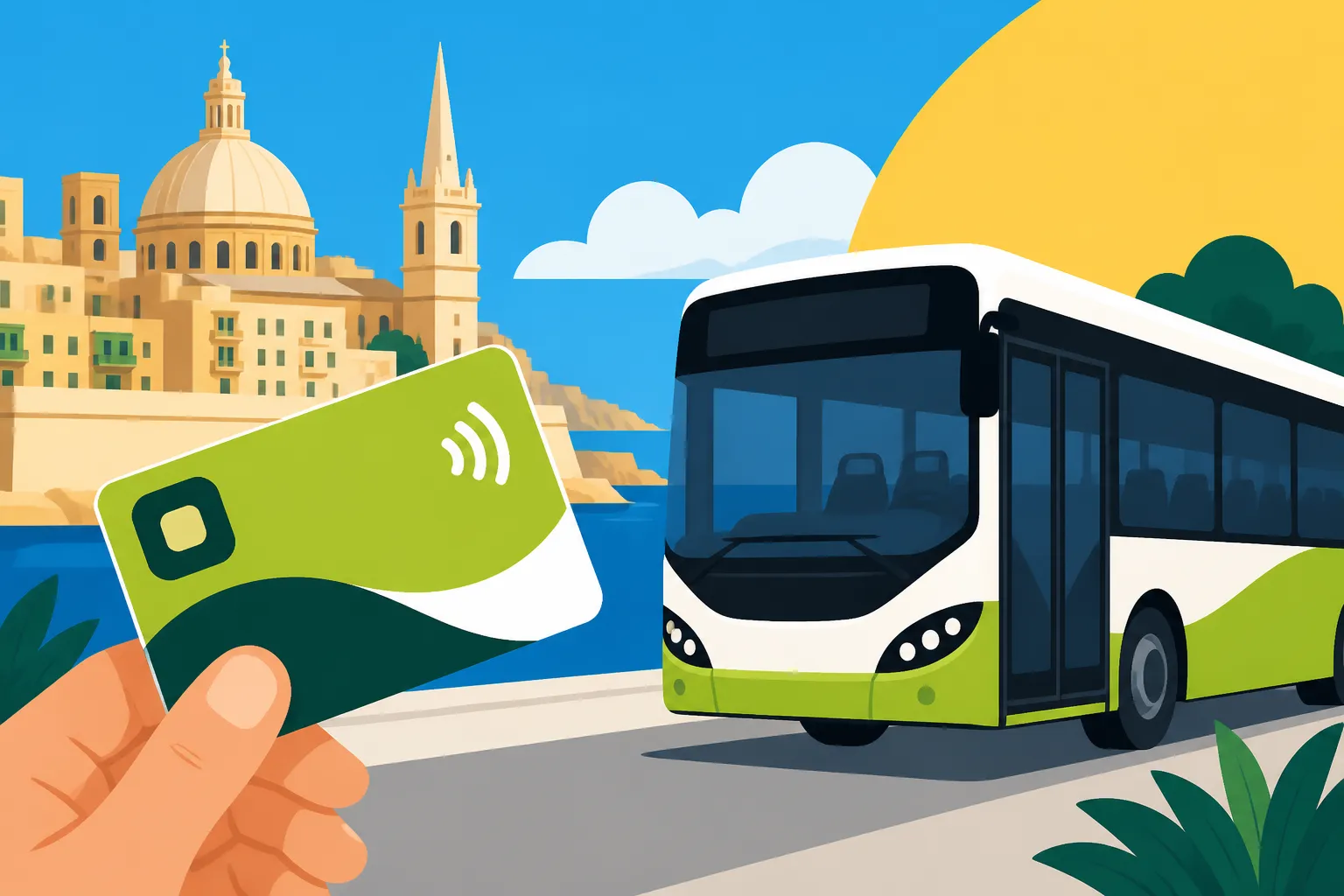
Then there’s Tallinja. This isn't a separate bus company; it's the brand name used for Malta Public Transport's ticketing and cashless travel system. So, when you hear "Tallinja card," people are referring to the personalised travel cards that allow you to travel on Malta Public Transport buses. Think of it like "Oyster Card" for London Transport or "Clipper Card" in San Francisco – it’s the smart card that unlocks your journeys. The Tallinja system also extends to their official app and website, which are crucial tools for planning your travels, checking your balance, and seeing real-time bus locations. Understanding this distinction from the get-go will save you a lot of head-scratching when you're looking for information or trying to buy a ticket. It's all interconnected under the umbrella of making public transport accessible.
Unlocking Free Bus Travel for Residents
This is probably one of the most exciting aspects of Malta’s public transport for anyone planning to stay long-term. In recent years, Malta has introduced a fantastic initiative: free public transport for all residents. It's a game-changer for budgeting and really encourages people to leave their cars at home, which, let's face it, is a blessing given the traffic sometimes!
Who Qualifies for Free Public Transport in Malta?
The free travel scheme is available to pretty much anyone who is a registered resident of Malta. This includes Maltese citizens, of course, but also all permanent residents, whether you’re an EU/EEA/Swiss national or a third-country national holding a valid residence permit. The key is that you must have a valid Maltese ID card or an eResidence card. This card serves as your proof of residency and is the cornerstone for activating your free travel benefits.
The scheme isn't just a nod to environmental sustainability; it’s a tangible benefit that genuinely helps with the cost of living. Imagine being able to hop on any bus, any time, without having to worry about fares. For those on a tight budget or families with multiple members travelling, this adds up to significant savings. It removes the stress of needing exact change or topping up frequently, and it simply makes exploring the islands that much easier and more spontaneous. Before this scheme, bus fares, while not exorbitant, were an ongoing expense that could mount up, especially if you relied solely on public transport. Now, it's just one less thing to think about once you're properly set up.
The Process of Activating Your Free Travel Benefits
So, how do you get this magical free bus travel? It all hinges on your personalised Tallinja Card. If you’re a new arrival and you’ve just received your shiny new Maltese ID card or eResidence card – congratulations, you’re halfway there! Your eResidence card is essential for so many administrative processes here, from healthcare to tax, and now, free transport.
If you already have a personalised Tallinja Card that you used to top up, the free travel should be automatically applied once your residency status is updated in the Identità system (the agency responsible for identity documents and residence permits). Essentially, the Malta Public Transport system 'talks' to Identità to confirm your eligibility. If you don't have a personalised Tallinja Card yet, you'll need to apply for one. The application process is typically done online via the Malta Public Transport website. You'll need to provide some personal details, a digital photo (think passport photo style), and, crucially, your Maltese ID or eResidence card number. The card will then be produced and mailed to your registered Maltese address. This is why having your address officially registered and in order is so vital, not just for utilities like ARMS, but for receiving important documents like your Tallinja card. Once you receive your card, you just need to tap it on the bus card reader, and off you go – no more worrying about fares!
The system is designed to be as seamless as possible, but like all administrative processes in a new country, it can sometimes feel a bit clunky. Don't be afraid to follow up if your card doesn't arrive in the expected timeframe or if the free travel doesn't seem to be activated. A quick call or email to Malta Public Transport customer service can usually clear things up. Remember, the journey to becoming a fully integrated resident means navigating these small administrative victories, and getting your free bus travel sorted is definitely one of them!
The Tallinja Card: Your Gateway to Maltese Buses
The Tallinja card isn't just a piece of plastic; it's your key to unlocking mobility and independence on the island. It’s important to understand that while free travel for residents is a huge perk, there are still different types of Tallinja cards designed to cater to various needs, especially for those who aren't yet residents or are just visiting.
Different Types of Tallinja Cards and How They Work
Malta Public Transport offers a range of Tallinja cards, each tailored for different user profiles. Choosing the right one depends on your residency status and how long you plan to be in Malta.
First up is the Personalised Tallinja Card. This is the star of the show for residents. It’s linked to your identity and, once you’re registered as a Maltese resident with a valid eResidence card, it grants you free travel. Before the free travel scheme, residents would top up this card with credit, and a fixed fare would be deducted per journey. Now, for residents, it's essentially a free pass that still requires a tap for every journey.
Then there’s the Explore Card, which is a popular choice for tourists. This card offers unlimited travel for 7 days, providing excellent value if you plan to use the buses extensively during a short visit. You buy it for a fixed price, and you can hop on and off as many times as you like within that week. It's perfect for those who want to see all the sights without the hassle of individual tickets.
For those who use the bus occasionally or haven't gotten their personalised card yet, there's the Flex Card. This is a top-up card that works on a pay-as-you-go basis. You load credit onto it, and a standard fare is deducted for each trip. It's a convenient option if you're not eligible for free travel or if you're awaiting your resident card. You can also buy single journey tickets directly from the bus driver, but these are generally more expensive than using any form of Tallinja card.
Finally, there are Tallinja Cards for Students and Concessions. These offer reduced fares for specific groups, like students enrolled in educational institutions in Malta, or elderly individuals. These also require a personalised application and proof of eligibility.
Here’s a quick overview of the main card types:
| Card Type | Best For | Cost & Validity | Key Feature |
|---|---|---|---|
| Personalised Tallinja | Maltese Residents (EU/Non-EU with eResidence) | Free (once registered as resident) | Unlimited free travel on all routes (day & night) after initial registration. |
| Explore Card | Tourists/Short-Term Visitors | Fixed price (e.g., €21 for 7 days) | Unlimited travel for 7 consecutive days from first use. |
| Flex Card | Occasional Users/Non-Residents | Top-up credit (pay-as-you-go) | Deducts fare per journey; can be topped up at various outlets. |
| Student/Concession | Registered Students/Elderly/Disabled | Reduced fares per journey | Personalised with photo, offers discounted rates. |
| Cash Ticket | One-off travellers (least cost-effective) | Higher fare than card (e.g., €2.50 summer day) | Bought directly from the driver; valid for 2 hours. |
Applying for and Topping Up Your Tallinja Card
If you need a personalised Tallinja Card (which you will need for free travel as a resident), the most straightforward way to apply is online through the Malta Public Transport website. The process typically asks for your personal details, your Maltese ID card or eResidence card number, and a recent passport-style digital photograph. Make sure the photo is clear and meets standard passport photo requirements to avoid delays. Once your application is submitted and approved, the card will be printed and sent to your registered residential address in Malta. This is where having a stable address and ensuring it’s correctly linked to your Identità records is crucial. It can take a couple of weeks for the card to arrive, so apply well in advance of when you plan to rely on public transport.
For topping up any credit-based Tallinja card (like the Flex Card or if you need to pay for night routes before free travel was extended to them for residents), you have several convenient options. The easiest for many is online via the Malta Public Transport website or their mobile app. You can link a debit or credit card for quick top-ups. Alternatively, you can top up at various points across the island: at the main bus terminals (like Valletta, Mater Dei, or Victoria in Gozo), at many small shops, newsagents, and pharmacies displaying the Tallinja logo. You'll often see "Top Up Tallinja Card" signs. It's always a good idea to keep a little buffer credit if you're on a pay-as-you-go card, just in case you run low when you need it most.
Using Your Tallinja Card on the Bus and Best Practices
Using your Tallinja card is pretty simple, but there are a few things to remember to ensure a smooth journey. When you board the bus, you’ll see a card reader usually located near the driver. Simply tap your Tallinja card on the reader. For residents with free travel, the screen will typically display "Valid" or "Free Travel." If you're on a credit-based card, it will show the fare deducted and your remaining balance. It usually only requires a tap on when boarding, unlike some systems where you tap on and off.
It’s absolutely vital to always tap your card, even if your travel is free. This isn't just about fare collection; it's how Malta Public Transport gathers data on passenger numbers and popular routes, which helps them plan and improve services. If an inspector comes on board, they'll ask to see your card to verify you've tapped in. Failure to tap, even if you're eligible for free travel, could result in a fine. Trust me, you don't want that hassle!
What happens if you forget or lose your card? If you forget it and you’re a resident, you’ll unfortunately have to pay for a cash ticket from the driver for that journey. Keep your card safe! If you lose your personalised card, you should report it to Malta Public Transport as soon as possible. They can block the old card and issue a replacement, though there might be a small fee for this. It’s always good to have a backup plan, whether that’s keeping some spare change for a cash ticket or having a ride-sharing app installed on your phone.
Navigating Routes, Schedules, and Real-Time Information
Understanding how the bus system is structured, and more importantly, how to track your bus, will save you a lot of stress and waiting time. This is where modern technology really comes to the rescue, making it far easier than it used to be.
Understanding Malta's Bus Routes and Destinations
Malta's bus network primarily operates on a hub-and-spoke model. The main hubs are Valletta, the capital city, and Mater Dei Hospital, which is centrally located. From these two points, routes fan out across the island. You'll also find smaller regional hubs like St Julian's, Sliema, Bugibba, and Cirkewwa (for the Gozo ferry). This means that if you’re trying to get from, say, Marsaskala in the south to Mellieha in the north, you’ll very likely need to go via Valletta or Mater Dei, which can add significant time to your journey.
Bus routes are numbered logically, though it might not seem that way at first glance. Single-digit routes (e.g., 1, 2) often operate within the immediate Valletta region or connect nearby towns directly to Valletta. Double-digit routes (e.g., 13, 22, 51) generally cover longer distances, connecting various towns to Valletta, Mater Dei, or other major areas. Then you have the 'X' routes (e.g., X1, X2, X3, X4) which are express services, often connecting the airport to different parts of the island, or major transport hubs with fewer stops. For expats, routes like the 13 and 22 are incredibly popular as they connect the bustling Sliema and St Julian's areas with Valletta, passing through many residential and commercial zones. Understanding these patterns, even broadly, helps you anticipate journey times and potential transfers.
Essential Tools: The Tallinja App and Google Maps
In this digital age, trying to navigate Malta's buses without a smartphone app is akin to trying to sail the Mediterranean with just a compass and no charts. You need the Tallinja App and Google Maps. These aren't just helpful; they're absolutely essential for a stress-free experience.
The official Tallinja app, available for both iOS and Android, is your real-time companion. It allows you to:
- Plan your journey: Input your start and end points, and it will suggest routes, including any necessary transfers.
- View real-time bus locations: This is a lifesaver! You can see exactly where your bus is on the map and get an accurate estimate of its arrival time. This avoids those frustrating moments of endless waiting.
- Find nearby bus stops: Great for when you're exploring a new area.
- Check your card balance: If you're still on a credit-based card or want to confirm your free travel status, you can do it here.
Google Maps, on the other hand, is excellent for its broader context. While the Tallinja app is specific to buses, Google Maps integrates bus routes with walking directions and even ferry services. It often provides reliable estimates of journey times, though you should always factor in a little extra Maltese time! Using both apps in tandem is the optimal strategy. For instance, I often use Google Maps for the overall journey plan and then switch to the Tallinja app to track the specific bus I need. Remember, having a reliable internet connection is crucial for using these apps. For new arrivals, considering a local SIM card or an eSIM service like Airalo can ensure you always have data on the go to avoid getting lost.
Timetables, Frequencies, and Expecting Delays
While online tools give you real-time data, it's good to have a general understanding of how timetables and frequencies work. Most routes have more frequent services during peak commuting hours (early morning and late afternoon/early evening on weekdays) and significantly reduced frequencies during off-peak times, weekends, and public holidays. Night services, marked with an 'N' prefix (e.g., N13), are less frequent and generally cover major nightlife areas, often incurring a separate fee (though this has also been changing for residents to be free with personalised Tallinja cards).
The biggest factor to consider in Malta is traffic. The islands are small, densely populated, and roads can get incredibly congested, especially during peak hours, school runs, or when there are accidents or roadworks. This means that a bus that was 5 minutes away can suddenly become 15, or even 30 minutes away. Heavy rain can also turn roads into rivers and bring traffic to a standstill. My advice? Always add a buffer. If you have an important appointment, aim to arrive early or consider an alternative transport method. While the free bus travel is amazing, it requires a certain amount of patience and flexibility. Don't plan tight connections, especially if you're travelling across major towns.
Beyond the Buses: Other Public Transport Options
While the buses are undoubtedly the workhorse of Malta’s public transport, they’re not the only way to get around. The island’s unique geography and urban centres offer some charming and often faster alternatives, especially when it comes to navigating the harbours or hopping between islands.
The Valletta and Grand Harbour Ferry Services
One of the most enjoyable ways to bypass the sometimes-infamous traffic around the Grand Harbour area is by taking a ferry. There are two main ferry routes that are particularly useful for residents and tourists alike:
- Valletta – Sliema: This ferry offers a scenic and swift connection between the capital city, Valletta, and the bustling commercial and residential hub of Sliema. It docks near the Sliema Ferries area and lands in Marsamxett Harbour in Valletta, close to the city gates and the main bus terminal. The journey is short, typically less than 15 minutes, and offers stunning views of the Valletta fortifications and Manoel Island.
- Valletta – Three Cities (Birgu/Isla/Bormla): This route connects Valletta to the historic Three Cities across the Grand Harbour. It’s an excellent way to explore Vittoriosa (Birgu), Senglea (Isla), and Cospicua (Bormla) without having to navigate the often-congested roads. The ferry terminal in Valletta is located below the Upper Barrakka Gardens, with a lift available to take you up to the city centre.
You can often use your Tallinja card on these ferry services, which is incredibly convenient. Simply tap and go, similar to the buses. However, it's worth checking the specific rules for your card type, as sometimes special promotions or unlimited passes might not cover ferry travel, or a separate ticket might be required if you don't have a personalised resident Tallinja card. For those who enjoy taking in the sights, these ferries are not just transport but a mini-cruise experience.
Gozo Public Transport and Inter-Island Connections
If you're heading to Malta's sister island, Gozo, you'll find a public transport system that mirrors Malta's, albeit on a smaller, more relaxed scale. The Gozo bus network is also operated by Malta Public Transport, and your personalised Tallinja Card works seamlessly there for free travel (or standard fares if you’re using a credit-based card). The main bus terminus in Gozo is in Victoria (Rabat), from which routes radiate to all major towns and villages, as well as the Gozo ferry terminal in Mgarr.
The primary way to get between Malta and Gozo is via the Gozo Ferry service, which operates between Cirkewwa in Malta and Mgarr in Gozo. These large car ferries run very frequently, especially during peak season, and the journey takes about 25-30 minutes. You typically pay for your ticket on the return journey from Gozo.
In addition to the traditional ferry, there are also Fast Ferry services that connect Valletta directly to Mgarr, Gozo. Operators like Gozo Fast Ferry and Virtu Ferries Gozo offer passenger-only catamaran services that are significantly quicker than going via Cirkewwa, taking around 45 minutes to an hour. These are perfect if you're making a day trip from Valletta or if you live near the capital and want a speedier inter-island commute. Tickets for the fast ferry services are purchased separately and are not integrated with the Tallinja card, though residents often get a discounted rate.
Ride-Sharing and Taxi Services as Alternatives
Let’s be real, sometimes you just need to get somewhere fast, or late at night when bus services are sparse, or you're carrying too much shopping to face a crowded bus. This is where ride-sharing apps and traditional taxis come into their own.
Bolt and eCabs are the dominant ride-sharing apps in Malta, functioning much like Uber or Lyft in other countries. You download the app, set your pickup and drop-off points, see the estimated fare, and a driver will come to you. They are usually very efficient, especially in the more populated areas, and offer a transparent pricing structure. For a long-time expat, these services have become indispensable for those times when public transport simply isn't feasible or convenient. Whether it's a late-night dinner, an urgent appointment, or simply avoiding the summer heat, these apps provide a reliable alternative.
Traditional white taxis are also available, usually found at designated taxi stands (e.g., at the airport, Valletta, St Julian's). While they can be very convenient, especially if you hail one, they are generally more expensive than ride-sharing apps, and it's always advisable to confirm the fare before you start your journey to avoid any surprises. They are generally metered, but a fixed price for common routes (like to/from the airport) is often available.
For those considering moving to Malta, knowing all your transport options is key. Services like Sirelo, a relocation platform, can help you plan your entire move, including considerations for getting around once you arrive, ensuring you’re well-prepared for life on the islands. While ride-sharing might not be free, it offers flexibility that rounds out the public transport landscape beautifully.
Tips, Tricks, and Troubleshooting for Expats
Living in Malta, you quickly learn that success often lies in adapting and having a few insider tips up your sleeve. Public transport is no exception. While free bus travel is fantastic, there are still some common pitfalls to watch out for and strategies to help you navigate the system like a seasoned local.
Common Pitfalls and How to Avoid Them
Even with the free travel, there are a few snags that newcomers (and even long-timers!) can encounter:
- Forgetting to Tap or Losing Your Card: This is number one. As discussed, always tap your personalised Tallinja card when boarding. If you forget, technically you're travelling without a valid ticket, which can lead to fines if caught. If you misplace your card, you'll need to pay for a cash ticket from the driver until you get a replacement. Keep your card safe and treat it like your ID – because it's linked to your residency status!
- Missing Your Stop: Buses don't always announce stops, and sometimes the display screens aren't working. It's easy to get absorbed in your phone or the scenery and miss your destination, especially on a new route. To avoid this, use your Tallinja app or Google Maps with GPS tracking turned on. It will show you exactly where you are and alert you as you approach your stop.
- Buses Not Stopping: During peak times or on very popular routes, buses can sometimes be full and simply drive past a stop without picking up more passengers. This is incredibly frustrating, particularly if you’ve been waiting a while. There’s not much you can do except wait for the next bus or consider a ride-sharing alternative if you're in a rush. This is also why having those apps downloaded is a good safety net.
- Underestimating Journey Times: Don’t assume a 10km journey will take 10-15 minutes by bus. With traffic, frequent stops, and potentially indirect routes, it could easily be 30-45 minutes or more. Always build in extra time, especially for appointments.
- Summer Heat: During the hot Maltese summer, buses can get very crowded and air conditioning might not always be sufficient. Carry water, dress lightly, and try to travel during cooler parts of the day if possible. Waiting at exposed bus stops in direct sun can also be brutal.
Making the Most of Public Transport in Malta
To truly embrace Malta’s public transport, a bit of strategic thinking and a healthy dose of patience are required.
First, embrace the journey. While not always the fastest, bus travel offers a unique window into Maltese life. You'll see parts of the island you might otherwise miss, listen to local chatter, and experience the rhythm of daily life. Enjoy the often stunning coastal views or the charming village landscapes as you go.
Second, always have a backup plan. This cannot be stressed enough. Whether it's the option of a Bolt or eCabs ride for emergencies, knowing a walkable alternative route, or simply having enough buffer time to wait for the next bus, preparedness is key. Thinking ahead prevents stress when things inevitably don't go exactly as planned.
Third, master the Tallinja app. Regularly check the real-time map to track your bus and anticipate its arrival. Use the journey planner for routes you're unfamiliar with. The more you use it, the more confident you'll become.
Fourth, understand the vital role your eResidence card plays. It's not just for healthcare or tax; it's the proof of your residency that unlocks your free bus travel. So, understanding Getting Your Maltese ID Card Number: The Key to Accessing Healthcare or The eResidence Card: What It Shows and How to Read It is really about unlocking your life in Malta, including easy transport. If you're a new resident and you still need to get your documents in order, understanding processes like How Do I Get a Maltese eResidence Card? is an essential first step.
Finally, patience is your best friend. The bus system isn't perfect, but it's a huge asset, especially for residents. A relaxed mindset will make all the difference to your experience.
Customer Service and Support for Tallinja Card Issues
If you encounter issues with your Tallinja card – perhaps it hasn't arrived, the free travel isn't activated, or you've lost it – don't panic. Malta Public Transport has a customer service department that can assist.
You can usually reach them through:
- Their website: Most issues can be reported via their online contact forms.
- Phone: They have a dedicated customer service hotline.
- Social Media: Sometimes their social media channels are responsive for general queries.
- Main Termini: In person at major bus termini like Valletta or Mater Dei, where there might be a customer service desk.
When contacting them, have your personal details, your Maltese ID/eResidence card number, and any relevant application reference numbers ready. Be clear and concise about the problem you're experiencing. For lost or stolen cards, reporting it promptly is crucial to prevent any potential misuse. Remember, like many services in Malta, a bit of polite persistence usually gets the job done.
Disclaimer
Please note that while every effort has been made to provide accurate and up-to-date information, rules and regulations regarding public transport, residency benefits, and associated services in Malta can change. It is always recommended to verify specific details with official sources such as Malta Public Transport and Identità for the most current information. This guide is for informational purposes only and does not constitute official advice.