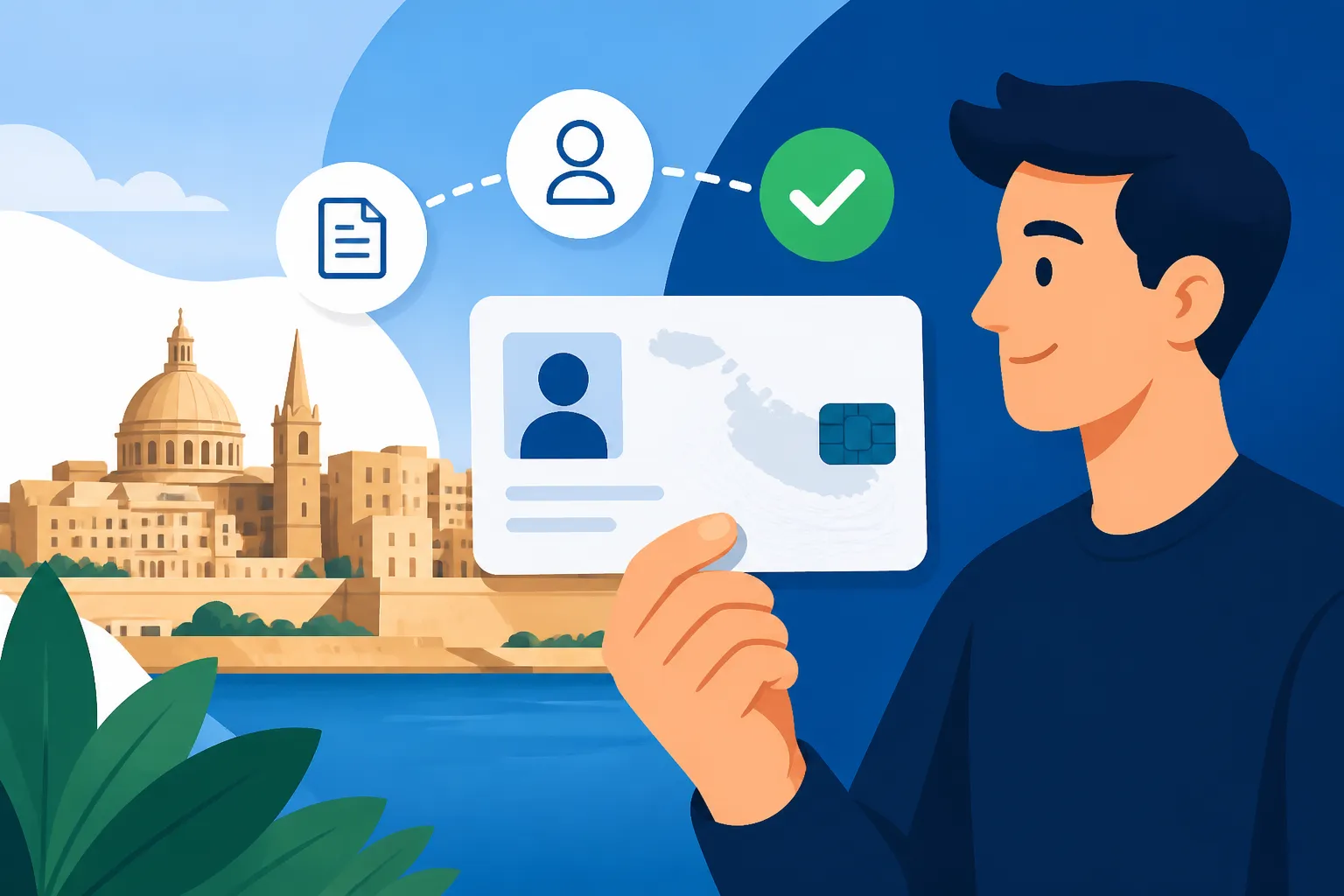
How Do I Get a Maltese eResidence Card?
Ah, the Maltese eResidence Card. If you’ve just landed on these beautiful islands, or you’re planning your big move, this little piece of plastic can feel like the holy grail, the key that unlocks everything from setting up utilities to finally getting that elusive bank account. And let me tell you, navigating the bureaucracy to get it can be a source of genuine head-scratching and frustration. But don't you worry, because I've been through it, and I'm here to walk you through every bend in the road to getting your very own Maltese eResidence Card.
Understanding the Maltese eResidence Card: Your Gateway to Life in Malta
Let's be real, when you first arrive, you might think, "I've got my passport, what else do I need?" But in Malta, that eResidence Card isn't just a fancy ID; it's your official proof of residence, your ticket to living and working here legally, and your direct link to countless essential services. Without it, you’re essentially operating in limbo, unable to fully integrate into daily life.
Why the eResidence Card is So Important
Think of your eResidence card as your golden key to Maltese society. Without it, you’ll hit roadblocks at almost every turn. Trying to open a bank account? They’ll ask for your eResidence card. Need to register with a local health centre? Yep, you guessed it. Applying for the amazing free public transport Tallinja Card? It's essential. Even something as fundamental as setting up your internet or utilities, or perhaps applying for a mobile phone contract, often requires this card to verify your identity and residential status. It connects you to the entire administrative ecosystem of Malta.
It's not just about proving who you are; it's about proving you have a legal right to reside here, which then entitles you to access services that contribute to your quality of life. For instance, your entitlement to public healthcare in Malta is directly linked to your legal residency status, which is evidenced by this card. It streamlines so many processes that would otherwise be complicated or impossible with just a foreign passport.
Who Needs an eResidence Card?
In short, almost every non-Maltese national who intends to live in Malta for more than a few months will need an eResidence Card. The specific type of card and the application process, however, differ depending on your nationality and the purpose of your stay.
If you’re an EU/EEA/Swiss national, your right to reside in Malta comes from your treaty rights. You still need to register your presence and obtain an eResidence Card, but the requirements are generally less stringent than for those from outside the EU. Your card will typically state "Permanent Resident" or "Resident" and confirm your right of abode. This process is usually managed by Identità, the agency responsible for identity management. If you’re an EU citizen, understanding your rights and how to navigate this process is crucial for your smooth transition, and there’s specific guidance on eResidence for EU/EEA and Swiss Nationals in Malta.
For Third-Country Nationals (TCNs), which is anyone from outside the EU/EEA/Switzerland, the eResidence Card is intrinsically linked to your specific residence permit. This could be a Single Permit for work, a Student Permit, a Nomad Residence Permit, or a Family Reunification Permit. Each of these permits grants you a legal basis to reside, and the eResidence Card is the physical manifestation of that permit. The application for the permit itself is the application for the card, and it dictates what your card will say (e.g., "Worker," "Student"). The requirements are far more detailed, often involving proof of employment, sufficient funds, health insurance, and accommodation, among other things. For those moving to Malta from outside the EU/EEA, this document is your lifeblood.
The Application Journey: Step-by-Step for Newcomers
Alright, let's get down to the nitty-gritty of actually applying. This is where patience becomes your best friend and meticulous organisation your superhero power. The process typically involves an online application, gathering a mountain of documents, and a physical appointment at the Identità Agency offices in Marsa.
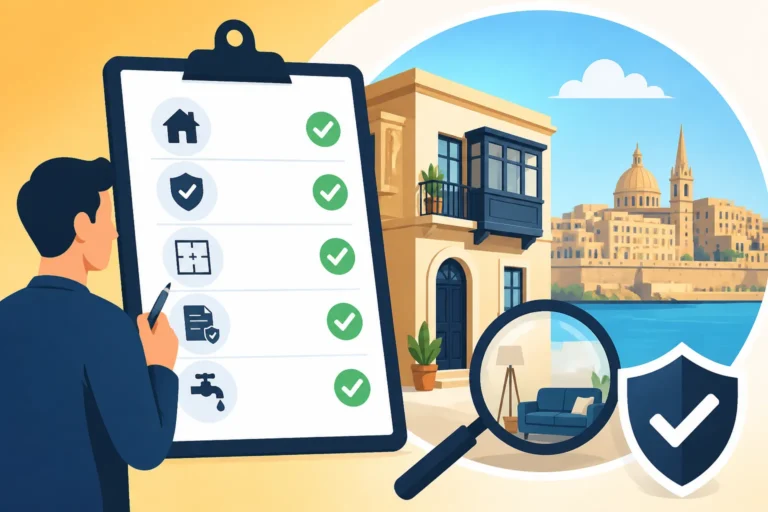
Pre-Application Checklist: Gather Your Arsenal
Before you even think about hitting the "submit" button, you need to compile a comprehensive dossier of documents. This isn't a suggestion; it's a non-negotiable requirement. Missing a single piece of paper can, and often will, lead to delays or outright rejection, sending you back to square one. This happens often to well-meaning expats.
Here's a general list of what you'll likely need, though exact requirements vary based on your nationality and permit type:
- Valid Passport: A copy of all pages, not just the biodata page. Ensure it has sufficient validity remaining.
- Proof of Accommodation: This is critical. It could be a rental agreement, a declaration from your landlord, or a property deed if you own. For non-EU nationals, this often needs to be registered with the Housing Authority, and for some permits, even attested. For anyone on a visa-based permit, the Lease Agreement Attestation Requirement for Non-EU Tenants in Malta is a common hurdle.
- Proof of Financial Means: Bank statements showing sufficient funds to support yourself and any dependents. The exact amount varies, but it needs to demonstrate you won't be a burden on the state.
- Health Insurance: Comprehensive health insurance coverage is mandatory for most non-EU permit types. This is distinct from public healthcare entitlement and needs to meet specific criteria. For non-EU permit holders, there are specific Private Health Insurance Requirements for Non-EU Permit Holders in Malta.
- Employment Contract / Job Offer (if applicable): For work permits (Single Permits), this is fundamental. It will detail your role, salary, and employment conditions.
- University Acceptance Letter (if applicable): For student permits, proof of enrollment at a recognised Maltese educational institution.
- Police Conduct Certificate: For certain permit types and nationalities, you might need a police certificate from your home country, and sometimes even from Malta if you've been here for a while.
- Photos: Passport-sized photos that meet biometric standards.
- Application Forms: Duly filled and signed forms, specific to your permit type.
- Supporting Documents for Dependents: If you're applying for family reunification, you'll need marriage certificates, birth certificates for children, and additional proof of funds and accommodation to cover everyone.
Insider Tip: Get everything translated into English by a certified translator if it's not already in English. Keep digital copies and physical copies of everything. A dedicated folder (physical and digital) for your immigration documents will save you immense stress.
Navigating the Identità Portal and Booking Your Appointment
Once you have your documents in order, the next step is often to initiate your application online through the Identità Agency's portal. This is where you’ll usually upload initial documents and, crucially, book an appointment for your biometrics submission.
The Identità portal (formerly Identity Malta) is the central hub for most residence permit applications. It's often where the first wave of expat frustration truly hits, as the system can be… let's say, temperamental. It might not always be intuitive, and finding available appointment slots can feel like winning the lottery during peak seasons. You might find yourself refreshing the page repeatedly, hoping for a cancellation. Remember, Booking Appointments and Submitting Documents to Identità is a process in itself.
For many Third-Country Nationals, particularly those on Single Permits, the initial application is often submitted by your employer through the Jobsplus system, which then interfaces with Identità. However, you will still need to book an appointment for your biometrics eventually.
Patience is key here. Don't get discouraged if you can't immediately book an appointment. Keep trying, look at different times of day, and be prepared to wait a few weeks, or even months, for an available slot. This wait time is part of the standard process, so factor it into your moving timeline.
The Biometrics Appointment: What to Expect at Identità
The biometrics appointment is the moment you physically present yourself at the Identità offices in Marsa. This is a crucial step where your identity is officially recorded.
When you arrive, expect security checks and a waiting area. You’ll be called up to a desk where an officer will review your original documents. This is why having everything meticulously organised is vital. They will compare your uploaded documents with the originals. Be prepared for questions about your purpose of stay, your accommodation, and your employment or studies. The officers are generally professional, but they are thorough, and any inconsistencies or missing documents will be flagged.
After the document review, you'll proceed to another station for your biometrics. This involves:
- Fingerprints: All ten fingers will be scanned.
- Photograph: A digital photo will be taken on the spot for your eResidence Card.
- Signature: You'll provide a digital signature.
This process is usually quick and straightforward once you're at the station, provided all your paperwork is in order. It's the queuing and the document verification that can take time. Make sure you dress appropriately (no hats, scarves covering face, etc., as per passport photo guidelines) and be polite and patient. Remember, everyone else there is going through a similar experience.
Post-Application: The Waiting Game and Card Collection
You’ve submitted your documents, your fingerprints are in the system, and you’ve left Identità feeling a mix of relief and exhaustion. Now comes arguably the hardest part: the wait.
The Agonising Wait: Processing Times and What to Do
Ah, the Maltese waiting game. It's a rite of passage for every expat. Once your biometrics are submitted, your application enters the processing queue. And this queue, my friend, is not known for its speed. Processing times can vary wildly – from a few weeks to several months, depending on the time of year, the volume of applications, and the complexity of your specific permit. You might hear stories of people getting theirs quickly, and others waiting for what feels like an eternity.
During this time, you won't typically receive real-time updates. The portal might not change status for weeks, which can be incredibly frustrating and anxiety-inducing. My advice? Breathe. You've done everything you can. If you need proof that your application is in process (for example, to show to your employer or for travel purposes), ask Identità for a confirmation letter or a stamp on your passport at your biometrics appointment. This can be a lifesaver when dealing with other authorities or even just trying to get a local mobile plan.
While waiting, you might be wondering about Can I Stay in Malta While My Residence Permit Is Being Processed?. The general rule is that if you applied for your permit before your current legal stay expired (e.g., your visa or initial 90-day Schengen stay), you are usually allowed to remain in Malta while your application is under review. However, travelling outside Malta during this period can be risky, as there's no guarantee you'll be allowed back in without a valid residence document. It's best to avoid international travel if possible until you have your physical card.
Collecting Your Precious Card
Eventually, after what will feel like an eternity, you’ll receive an SMS notification or an email (or sometimes both, or sometimes neither, and you just have to keep checking the portal/calling) informing you that your eResidence Card is ready for collection. This is a moment of pure joy, trust me!
The collection point is usually the same Identità offices in Marsa. You’ll need to bring your passport for identification. The collection process itself is typically much faster than the application appointment. You show your ID, sign for your card, and voilà! You are officially a legally resident expat in Malta. Take a moment to celebrate; you've earned it.
Essential Uses of Your New eResidence Card
With your eResidence Card finally in hand, a whole new world of convenience opens up. This isn't an exaggeration; it genuinely streamlines almost every administrative interaction.
- Banking: Opening a proper Maltese bank account with local banks like BOV, HSBC, or APS becomes much smoother. They need this card to comply with anti-money laundering regulations and to verify your identity and address.
- Healthcare: You can now properly Register with a Health Centre and Choosing a GP in Malta, accessing public healthcare services for which you are entitled through your Social Security contributions. Your card confirms your eligibility.
- Utilities: Registering for residential utility rates with ARMS (for electricity and water) is contingent on having your eResidence Card, ensuring you get the cheaper resident tariffs rather than the higher commercial rates.
- Driving: If you plan to drive, your eResidence Card is required for exchanging your foreign driving licence for a Maltese one.
- Travel: While it's not a passport, your eResidence Card serves as an identification document for travel within the Schengen Area. Always carry your passport when travelling outside Malta, even within the EU, but your eResidence card is proof of your right to reside here.
- Government Services: Any interaction with government departments, be it for social benefits, taxes, or other administrative tasks, will require your eResidence Card as primary identification. Your Maltese ID Card Number on the card is the central reference point for many of these services.
You’ll find yourself whipping out that card far more often than you ever imagined!
Common Challenges and Insider Tips
The journey to getting your eResidence Card is rarely without its bumps. It's part of the expat experience in Malta, and knowing what to expect can help you mitigate the stress.
Dealing with Missing Documents or Rejections
It's not uncommon for Identità to request further documentation, even after your biometrics appointment. This usually comes via email or SMS. Don't panic, but respond promptly. Gather whatever they're asking for and submit it as quickly as possible, usually via their online portal. Delaying this will only prolong your wait.
Outright rejection is less common if you’ve followed all the steps, but it can happen. Reasons often include insufficient funds, inadequate health insurance, fraudulent documents, or failing to meet specific criteria for your permit type. If your application is refused, you usually have the right to appeal the decision. This is where seeking legal advice from an immigration lawyer can be invaluable. It’s a stressful situation, but there are avenues to challenge the decision. Understanding the Appealing to the Immigration Appeals Board in Malta process is crucial.
Keeping Your Details Updated
Life in Malta is dynamic, and your circumstances might change. It’s absolutely vital to inform Identità of any significant changes to your personal details or circumstances.
- Change of Address: If you move house, you must inform Identità. Your eResidence Card is linked to your registered address. You'll need to update your details and potentially get a new card issued. Failing to do so can lead to issues with other services like utilities and even your permit renewal.
- Change of Employment: For those on a Single Permit, changing jobs usually requires applying for a new Single Permit. This is a big deal and not just a simple update. Your permit is tied to your specific employer. You can read more about Changing Employers on a Single Permit in Malta: The Rules.
- Passport Renewal: If you renew your passport, you’ll need to inform Identità and get your details updated on their system, and potentially get a new eResidence Card issued to reflect your new passport number.
- Marital Status/Family Additions: If your marital status changes or you have a baby, these updates are essential, especially if you plan on future family reunification applications. Remember, How Do I Register a Newborn for Healthcare in Malta? is also something you'll need to consider.
Staying on top of these updates prevents problems down the line when it's time to renew your permit or deal with other government agencies.
Top Tips from a Veteran Expat
Having navigated these waters myself, and watched countless others do the same, here are my tried-and-tested tips for a smoother eResidence Card journey:
- Start Early, Always: Don't wait until the last minute. The process is lengthy and unpredictable. Apply well in advance of any visa expiry dates or deadlines.
- Organise, Organise, Organise: Create a physical folder and a digital folder for ALL your documents. Label everything clearly. This will save your sanity.
- Triple-Check Requirements: Before submitting, go over the official Identità checklist for your specific permit type three times. Ask someone else to check it too. Better safe than sorry.
- Embrace the Digital Age (with caution): While the Identità portal is the primary channel, always keep physical copies. Technology sometimes fails.
- Be Polite, Be Patient: The staff at Identità deal with hundreds of applications daily. A calm and polite demeanour will go a long way. They are just doing their jobs within the constraints of the system.
- Consider a Local SIM: Get a local phone number as soon as you arrive. This is crucial for receiving SMS notifications about your application status. Brands like GO, Epic, or Melita are common. You might even consider an eSIM from a provider like Airalo for immediate connectivity upon arrival, so you're not scrambling for a physical SIM card right away.
- Proof of Application: Always ask for proof that your application has been submitted and is being processed. This can be a life raft in various situations.
- Don't Assume: Just because something worked for your friend or in another country, doesn't mean it will work here. Malta has its own unique way of doing things.
- Ask for Help: If you’re truly stuck, don’t hesitate to ask for help in expat groups online or consider consulting an immigration advisor. There are companies that specialise in helping foreigners with permit applications. If you've recently moved, or are planning to move, remember that companies like Sirelo can help with the logistics of international relocation, which takes one big stressor out of the equation while you tackle this administrative monster.
Here's a quick reference for common document categories:
| Document Category | EU/EEA/Swiss Nationals (e.g., Resident) | Third-Country Nationals (e.g., Single Permit) |
|---|---|---|
| Passport/ID | Valid National ID Card or Passport | Valid Passport (with visa if applicable) |
| Proof of Address | Rental Agreement, Property Deed, or Declaration of Accommodation | Registered Rental Agreement (often attested), Property Deed |
| Financial Means | Bank Statements (sufficient funds, employment/self-employment proof) | Bank Statements (meeting specific thresholds), Employment Contract/Payslips, Scholarship Letter |
| Health Cover | EHIC (initial 3 months), or private health insurance, or social security entitlement | Comprehensive Private Health Insurance (mandatory for permit type) |
| Purpose of Stay | Proof of employment, self-employment, study, or sufficient resources (e.g., pension) | Employment Contract, University Acceptance, Business Plan (self-employed), Proof of Remote Work (Nomad) |
| Additional | Marriage/Birth Certificates (for family) | Police Conduct Certificate, Marriage/Birth Certificates (for family), CV, Qualifications |
| Application Fees | Varies (e.g., around €27.50 for EU registration) | Varies significantly by permit type (e.g., €200-€300+ for Single Permit) |
Disclaimer
The information provided in this guide is intended for general informational purposes only and does not constitute legal advice. While we strive to keep the content accurate and up-to-date, immigration laws and procedures in Malta can change. It is always recommended to consult with the official Identità Agency or a qualified immigration lawyer for the most current and specific advice regarding your individual circumstances.