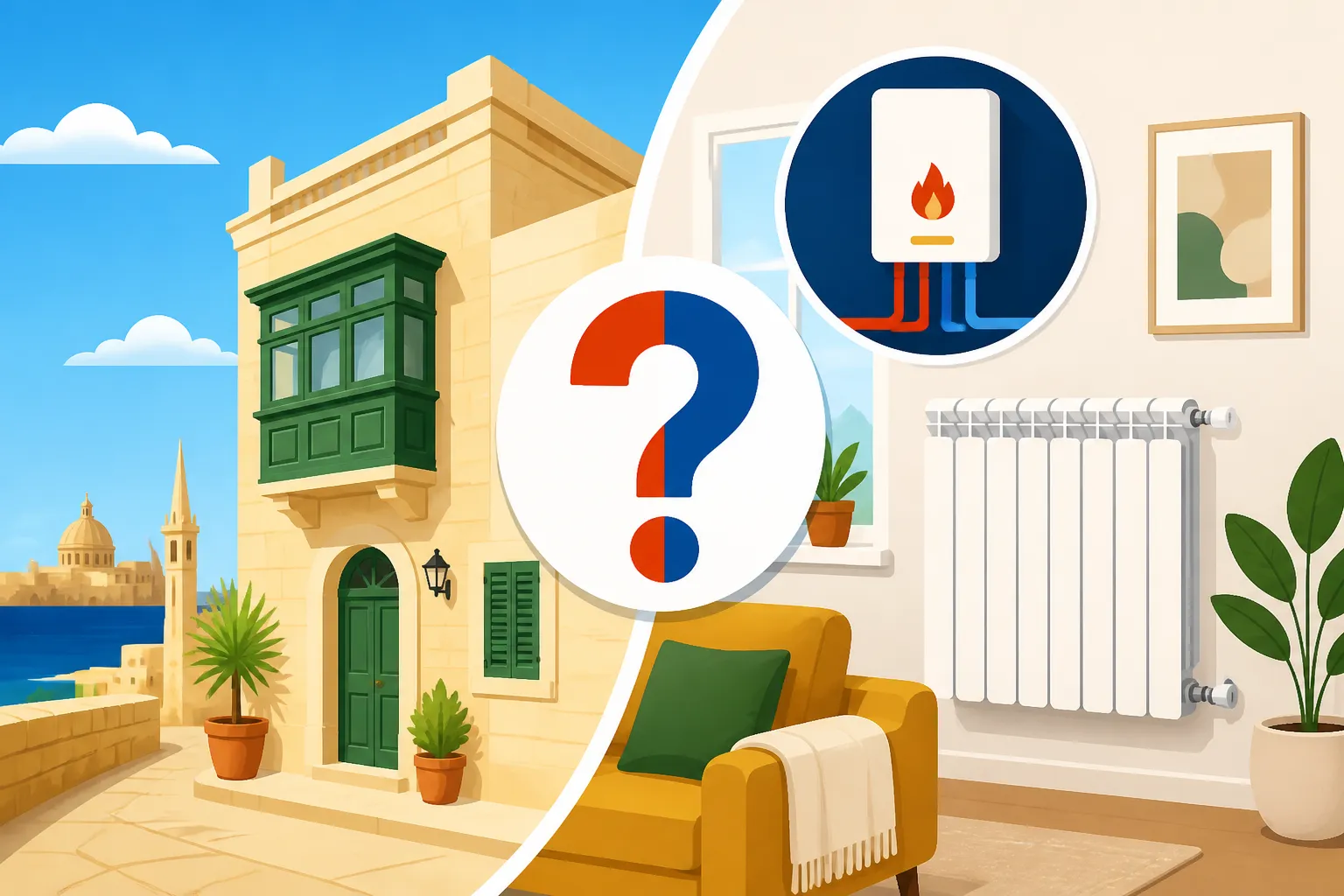
Is There Central Heating in Maltese Homes?
The first winter you spend in Malta can be a real eye-opener, especially if you’ve arrived from a place where central heating is simply a given. Many newcomers are genuinely surprised, and often quite chilly, to discover that this little island, famous for its sunshine, has homes that can feel colder indoors than out during the cooler months. This guide is here to shed some light on the reality of heating in Maltese homes and, more importantly, equip you with the knowledge and practical tips to stay warm and comfortable.
The Reality of Heating in Maltese Homes
Let's face it, when you picture Malta, you're probably envisioning endless sunny days, swimming in the Mediterranean, and al fresco dining. And for much of the year, that's absolutely accurate! However, the perception that Malta is never cold can lead to a rude awakening when winter arrives. The reality of heating, or the lack thereof, in many Maltese properties is one of the most common frustrations for expats and a topic that frequently pops up in expat forums.
Why Central Heating is a Rarity
The simple truth is that central heating, in the conventional sense you might be used to, is exceedingly rare in Malta. If you're coming from northern Europe, North America, or anywhere with proper four seasons, this can be quite a shock. The primary reason for this absence lies in Malta's traditional climate and construction methods. For centuries, homes were built with thick limestone walls designed to keep the heat out during the long, scorching summers. They do an excellent job of this, often maintaining a pleasant coolness even on the hottest days.
The flip side, however, is that these same thick, uninsulated walls and often single-glazed windows also struggle to retain heat during the colder, damper winter months. Installing a full central heating system in such a structure would be an incredibly expensive and largely inefficient undertaking. The energy costs to maintain warmth in a house not designed for it would be astronomical. Furthermore, the cultural norm has simply never necessitated it; locals historically relied on layers, hearty food, and perhaps a small heater in one room. This might feel like a huge step backward if you’re accustomed to uniform warmth throughout your home.
The Dominant Alternatives to Central Heating
So, if no central heating, what do people use? The undisputed champion of indoor heating in modern Maltese homes is the air conditioning (AC) unit with a reverse cycle function. Essentially, most AC units installed today can blow hot air just as effectively as they blow cold. These are typically wall-mounted units found in living areas and bedrooms, often one per main room. They offer instant, directed heat, which is perfect for quickly taking the chill out of a specific space.
Beyond AC, portable heaters fill in the gaps. You’ll find a mix of electric oil-filled radiators, ceramic fan heaters, and sometimes gas heaters (fueled by butane or propane cylinders). These are brought out as needed, often moved from room to room to provide targeted warmth. Underfloor heating exists but is firmly in the realm of luxury, almost exclusively found in high-end, newly built, or significantly renovated properties. For most people, a combination of the AC in heat mode and a trusty portable heater or two is the standard approach to combat the winter chill.
Surviving the Maltese Winter: Practical Heating Strategies
Once you’ve accepted that radiators aren’t likely to be part of your Maltese home, it’s time to get pragmatic. The good news is there are plenty of ways to keep warm, even if it requires a bit of an adjustment period. It’s all about smart usage of what’s available and some clever tactics.
Making the Most of AC Units for Heating
As mentioned, your AC unit is your best friend when it comes to heating. Most modern units come with a heat pump function, which is surprisingly efficient. When winter starts to bite, typically from late November through to March, you’ll find yourself relying heavily on these. The key is to understand how to use them effectively. Instead of trying to heat your entire apartment, focus on the rooms you’re actively using. For instance, if you're working from home, heat your office. In the evenings, warm up the living room and then your bedroom before you sleep.
It’s worth noting that while effective, running AC units for heating does consume electricity, and your utility bills from ARMS can quickly climb if you’re not mindful. It might feel a bit counterintuitive compared to a constantly warm house, but switching the AC on for an hour or two to bring a room up to temperature, then turning it off and letting residual heat and warm blankets do their work, is a common strategy. You can always turn it back on for a short burst if you start feeling too cold again. Keeping track of your Understanding Tiered Utility Tariffs and Registered Residents in Malta is crucial here, as the higher tiers can make heating quite costly.
Supplemental Heating Options and Energy Efficiency
Beyond the AC, portable heaters are essential. Oil-filled radiators are a popular choice because they emit a gentle, consistent heat and are relatively safe to leave on for longer periods, quietly radiating warmth. They’re excellent for bedrooms or smaller living spaces. Fan heaters, on the other hand, provide instant, intense heat, making them great for quickly warming up a bathroom before a shower or a chilly corner. Just be mindful that they can be noisy and consume a fair bit of electricity.
Gas heaters, while offering a powerful and quick blast of warmth, come with specific considerations. They require good ventilation, as they produce carbon monoxide, and you’ll need to manage gas cylinder refills, which can be an unexpected chore if you're new to the system. Safety is paramount with any heater, so always ensure proper placement and avoid covering them. Alongside these, don't underestimate the power of good old-fashioned insulation, even if it's makeshift. Heavy curtains can help retain heat, and draught excluders (those long fabric tubes you put at the bottom of doors) are surprisingly effective at preventing cold air from seeping in. Embracing layers, warm blankets, and a constant supply of hot drinks also become integral to adapting to How Cold Does It Get in a Maltese Winter?
Long-Term Considerations and What to Look For in a Rental/Purchase
When you’re house hunting in Malta, especially if you’re from a colder climate, it’s easy to get swept up in the sunshine and sea views. But take it from me, that winter chill is real, and it’s important to factor heating into your decision-making, even if you’re viewing properties in the height of summer.
What to Ask About Heating When Viewing Properties
During your property viewings, make it a non-negotiable to ask about the heating situation. Don't assume anything. Specifically, ask if there are AC units with heating functions, and crucially, in which rooms they are installed. Some landlords might only provide one in the living room, leaving bedrooms to fend for themselves. If you’re looking at a larger property, consider the number of units versus the number of rooms you'd realistically want to heat. You might find some apartments have more modern, efficient units than others.
Another excellent question to ask the landlord or agent is for an estimate of utility bills during winter months. This can give you a realistic idea of the running costs associated with the heating solutions provided. While Malta's construction means proper insulation is rare, it's still worth asking about double-glazing on windows, as this makes a significant difference in heat retention and noise reduction. For those looking at Renting a Home in Malta: Contracts, Deposits, and Tenant Rights, checking these details before signing is vital to avoid a chilly surprise down the line. Remember, it's a completely different experience viewing an apartment in the scorching August heat compared to a damp, breezy February afternoon.
Investment in Personal Comfort: Portable Solutions and Beyond
If you move into a place with minimal heating options, don't despair. Investing in your own good-quality portable heaters can be a game-changer. An efficient oil-filled radiator or a modern ceramic heater can make a world of difference for a few hundred euros. These are items you can easily move with you if you relocate within Malta, or even consider shipping with reputable services like Sirelo if you’re moving internationally and want to bring your creature comforts from home.
Beyond hardware, think soft furnishings. A good, thick duvet (often called a 'duvet' or 'quil' here, as a 'quilt' can mean a lighter cover), warm blankets, and even indoor slippers or warm socks will become your best friends. It’s also worth considering a dehumidifier, as Why Do Maltese Homes Feel Damp in Winter? can make the cold feel much more bone-chilling. Being prepared for this aspect of Maltese living is key to a comfortable winter.
Common Misconceptions and Expat Experiences
The topic of heating, or the lack of it, is a recurring theme among the expat community in Malta. There are certain myths and realities that everyone eventually learns, usually after shivering through their first winter.
The "It Never Gets Cold in Malta" Myth
This is perhaps the biggest misconception. While it's true that Malta rarely sees freezing temperatures or snow, the humidity combined with uninsulated homes makes the indoor cold feel significantly more intense than the actual thermometer reading. A sunny winter day might be 15°C outside, but inside a poorly insulated apartment, it can easily hover around 10-12°C. This phenomenon is often more jarring than consistent cold because the expectation of warmth from the sun outside doesn't translate indoors.
Many expats recount stories of wearing jumpers, thick socks, and even hats indoors during the winter months, something they’d never do in their home countries. The cold here is often described as a "damp cold" that seeps into your bones. This is why investing in personal comfort items and understanding How Do Maltese Apartments Have Air Conditioning? and their heating capabilities is so crucial. Don't be fooled by the bright skies; the reality inside can be very different.
Adapting to Maltese Winter Living
Adapting to Malta’s heating situation is a process. It means a shift in mindset, from expecting uniform warmth to embracing zonal heating and personal warmth strategies. You’ll learn to appreciate the brief bursts of warmth from a fan heater, the slow, steady heat of an oil radiator, and the sheer comfort of a plush blanket. For staying connected while you research the best heating solutions or vent about the cold to fellow expats, having reliable mobile data is key. Services like Airalo can provide an eSIM, ensuring you’re always online to share tips or find local deals on heaters.
Many expats find community in sharing tips and tricks on social media groups – from where to buy the best slippers to which local stores have the most efficient portable heaters. It’s part of the charming, if sometimes chilly, experience of What Is Daily Life Like for Expats in Malta?. You’ll quickly discover that while the summers are glorious, the winters teach you resilience and the art of staying cozy with smart, targeted heating.
Here’s a quick comparison of common heating methods in Malta:
| Heating Method | Initial Cost (Estimate) | Running Cost (Estimate per hour) | Effectiveness | Pros | Cons |
|---|---|---|---|---|---|
| AC Reverse Cycle | €500 – €1500 per unit | €0.20 – €0.60 | Good for zone heating | Quick heat, dual-purpose (cooling & heating) | Can be costly if used extensively, dries air |
| Portable Electric Heater | €50 – €200 | €0.15 – €0.45 | Good for small, targeted areas | Mobile, easy to use, no installation | Can be expensive to run, limited range, some are noisy |
| Portable Gas Heater | €80 – €250 | €0.10 – €0.30 (plus cylinder) | Very quick, powerful heat | Immediate warmth, relatively low running cost | Requires ventilation, refilling gas cylinders, safety concerns |
| Underfloor Heating | €5000+ (installation) | €0.30 – €0.80+ (for a room) | Excellent, even heat | Discreet, consistent comfort, efficient in insulated spaces | Very high initial cost, rare, slow to heat up |
Note: Running costs are approximate and depend heavily on electricity/gas rates, unit efficiency, and usage. Always check specific appliance ratings and local utility tariffs.
Disclaimer
The information provided in this guide is intended for general informational purposes only and does not constitute professional advice. While we strive to provide accurate and up-to-date information, local regulations, prices, and services can change. We recommend consulting with local experts or official sources for specific advice related to your personal circumstances.