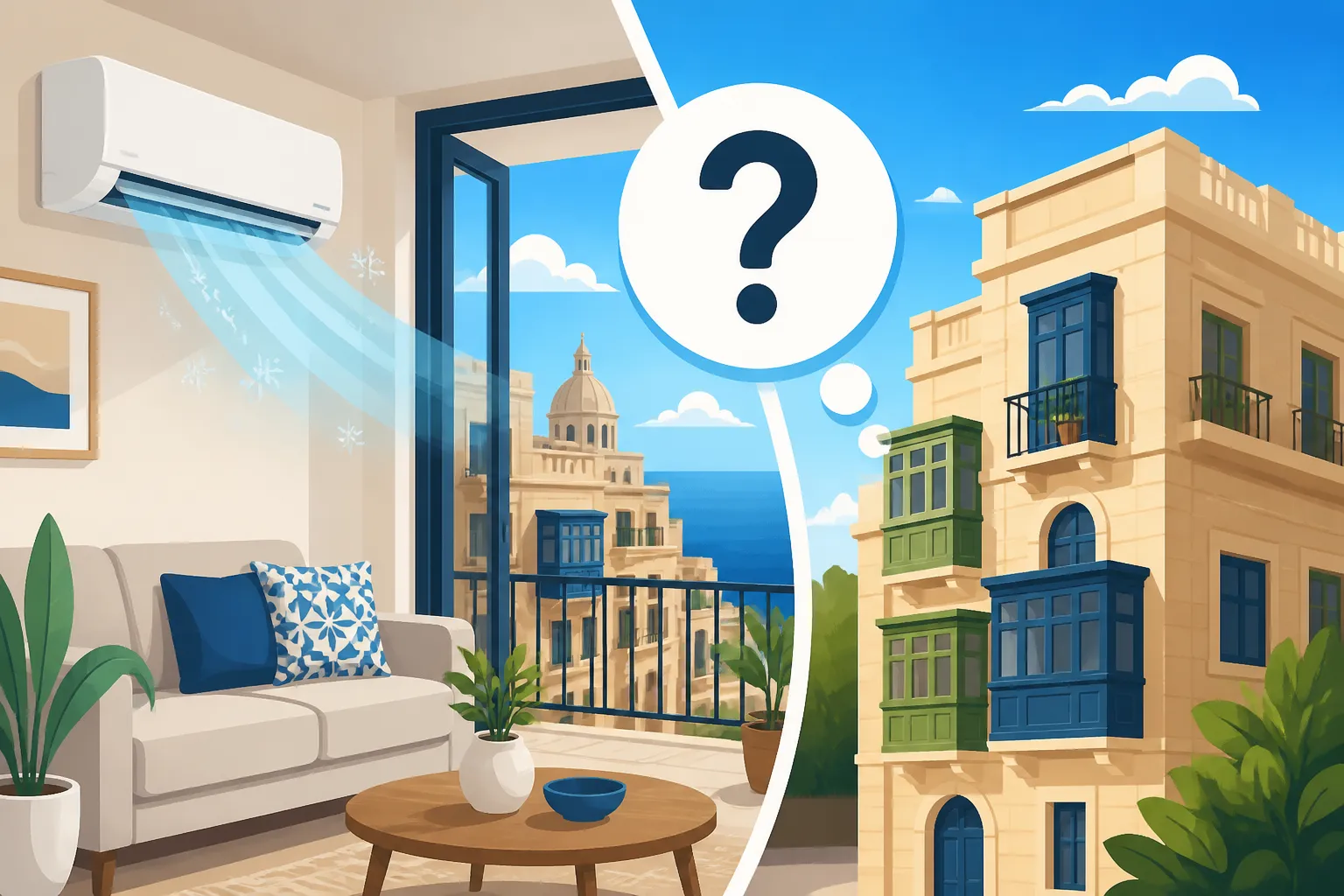
Do Maltese Apartments Have Air Conditioning?
When you're first dreaming of Malta, you probably picture endless sunshine, turquoise waters, and balmy evenings. And while that's certainly part of the magic, the reality of a Maltese summer, with its intense heat and often stifling humidity, quickly brings one question to the forefront of every expat's mind: "Do Maltese apartments have air conditioning?" Navigating the world of rental properties here means facing this crucial question head-on, as your comfort – and sanity – during the hotter months will heavily depend on it. This guide will help you understand the AC landscape in Maltese rentals, from what to expect to how to manage the costs and make informed decisions for your new home.
The Essential Role of Air Conditioning in Malta's Climate
Ah, Malta! It’s a beautiful rock, isn’t it? But beneath that dazzling Mediterranean sun lies a climate that can be surprisingly challenging, especially for those of us not accustomed to such sustained heat and humidity. Air conditioning isn't just a luxury here; it’s practically a survival tool for much of the year.
Malta's Scorching Summers: A Reality Check
Let's be brutally honest: Maltese summers are hot. We're talking average daily temperatures from June through September often hovering around 30-35°C (86-95°F), frequently peaking much higher, sometimes even scraping past 40°C. And it’s not just the daytime. The nights offer little reprieve, with temperatures often remaining in the mid-20s, making sleep an elusive dream for many without proper cooling. Imagine trying to settle into your new home after a long day, perhaps after having organized your move with assistance from services like Sirelo, only to find your apartment feels like an oven. That initial excitement can quickly turn into sheer exhaustion if your living space isn’t adequately cooled.
This isn't a brief heatwave; it's a marathon. From late May right through to late October, the sun means business. For those of us used to milder climates, this sustained heat can be relentless. It affects everything: your energy levels, your productivity if you work from home, and even your mood. The idea of just "toughing it out" often evaporates after the first few sweltering nights. So, yes, having a reliable way to cool down your home becomes less about indulgence and more about maintaining a decent quality of life.
Beyond Cooling: Humidity Control and Comfort
It’s not just the raw heat that gets you; it’s the humidity. Malta is an island, surrounded by the sea, and that means high humidity levels are a constant companion, especially during the warmer months. This humidity makes the heat feel even more oppressive, making you sweat more and making clothes feel damp even after just stepping out of the shower. It’s that sticky, clammy feeling that permeates everything.
Here’s where a good air conditioning unit truly shines. Most modern AC systems in Malta aren't just about blowing cold air; they also act as dehumidifiers. By removing moisture from the air, they don’t just lower the temperature, they drastically improve the feel of the air, making it crisp, dry, and infinitely more comfortable. This is a game-changer. Without proper dehumidification, even a room that feels cool might still feel sticky and unpleasant. The added benefit of AC in countering Malta’s humidity also helps prevent mould, a common issue in older, poorly ventilated buildings, particularly during the humid winter months too. If you're struggling with dampness, understanding how AC can help is crucial, and you might want to look into "Why Do Maltese Homes Feel Damp in Winter?".
Navigating Air Conditioning in Maltese Rental Properties
So, the big question: how common is AC in Maltese apartments? The good news is, in most modern developments and newly renovated properties, you’ll find air conditioning as a standard feature. However, it's not a universal guarantee, especially in older, more traditional homes or cheaper rentals.
Prevalence and Types of AC Units
When you're browsing properties online or through an agent, you'll generally find that the vast majority of apartments, especially those aimed at the expat market in popular areas like Sliema, St. Julian's, Gzira, and Swieqi, come equipped with air conditioning. It's become an expectation rather than an exception. In fact, if a property doesn't have AC in these areas, it often raises a red flag for prospective tenants. However, venture into more traditional villages or older buildings, and you might encounter apartments that rely solely on ceiling fans or cross-ventilation, which, as we’ll discuss, simply isn't enough for the peak summer heat.
The most common type of AC you'll find is the split-system unit, consisting of an indoor wall-mounted unit and an outdoor compressor. These are efficient and effective for individual rooms. Some larger or newer properties might have multi-split systems, where several indoor units connect to a single outdoor unit, or even central ducted systems, though these are less common in standard rental apartments. Less frequently, you might find window-mounted units or portable AC units. Portable units are a mixed bag; while they offer flexibility, they are often less efficient and noisier, and require a window or door vent for the hot air exhaust, which isn't always practical. It’s essential to confirm not just if there's AC, but what kind and how many units are present. Is it just one unit in the living room, or are there units in all the bedrooms too? This makes a huge difference to your daily comfort.
The Cost Factor: Electricity Bills and Landlord Agreements
Here's where the rubber meets the road, or rather, where the cool air meets your wallet. While having AC is fantastic, running it in Malta can significantly impact your utility bills. Malta's electricity tariffs are structured in a tiered system, meaning the more electricity you consume, the higher the rate you pay per unit. This can lead to surprisingly steep bills, particularly if you're running multiple AC units continuously. Many expats have been caught off guard by these costs. It's a topic that frequently pops up in expat groups, often alongside the question, "Why Is My Electricity Bill So High in Malta?". Understanding "How Does the Tiered Utility Tariff Work in Malta?" is absolutely crucial for budgeting.
The key thing to clarify with your landlord before signing anything is how utilities are handled.
Generally, tenants are responsible for electricity consumption. However, there are nuances:
- Standard Meter: Most common, you’ll pay ARMS (the utility provider) directly based on your consumption.
- Landlord-Controlled Meter: Some landlords, especially in shared accommodations or properties divided into smaller units, might have one main meter and then bill tenants individually. This can be tricky as you lose direct visibility and control over your consumption records and the tariff structure applied. Always push for a direct ARMS account in your name if possible.
- Included in Rent: Very rare, but some short-term or serviced apartments might include a cap on utility usage. If this is the case, understand the cap and what happens if you exceed it.
Always ask for a recent utility bill to get an idea of past consumption, especially for the summer months. Be prepared for your electricity bill to jump substantially during summer if you rely heavily on AC, potentially hundreds of euros per month for a larger apartment with multiple units running regularly. Budgeting for this reality is essential when considering your overall cost of living.
Practicalities and Alternatives for Staying Cool
Even with AC, it's wise to be strategic about its use to save money and ensure it lasts. And for those moments when AC isn't an option, or you want to minimise reliance, having a few tricks up your sleeve can make all the difference.
Maximising AC Efficiency and Minimising Bills
Nobody wants a shock when the ARMS bill arrives. So, if you've got AC, learn to use it smartly. The biggest mistake people make is blasting the AC on the lowest setting all day long. Here are some tips that are useful:
- Set a Sensible Temperature: Aim for a comfortable but not frigid 24-26°C (75-79°F). Every degree lower significantly increases energy consumption. A difference of even 2 degrees can lead to a 10-15% increase in energy usage.
- Use the Timer Function: Most modern AC units have timers. Set it to cool your bedroom an hour before you go to sleep and perhaps switch off after a few hours, or set it to come on for a brief period in the evening before you get home.
- Keep Doors and Windows Closed: This seems obvious, but people forget! You're cooling your apartment, not the entire street. Ensure all windows and external doors are tightly shut when the AC is running.
- Draw Curtains/Blinds: Block out direct sunlight during the hottest parts of the day. Heat from the sun streaming through windows can quickly negate your AC's efforts. Thermal blinds or blackout curtains are a fantastic investment for renters.
- Clean Filters Regularly: Dirty filters restrict airflow, making your unit work harder and less efficiently. Most landlords will arrange for annual servicing, but a quick clean of the removable filters every few weeks during heavy use can be done yourself. This can improve efficiency by 5-15%.
- Don't Over-Cool Empty Rooms: If you have multiple units, only switch on the ones in the rooms you are actively occupying.
These simple habits can shave a good chunk off your monthly electricity expenditure, preventing those dreaded spikes during the peak summer months.
Alternative Cooling Strategies and When They Fall Short
What if your apartment doesn't have AC, or you want to reduce your reliance on it? There are some alternatives, but it’s vital to manage expectations – none are a perfect substitute for proper AC during a Maltese summer. If you're wondering "How Do I Keep My Maltese Apartment Cool in Summer?", these might offer some relief.
- Fans (Ceiling and Portable): A good quality fan can circulate air, creating a perceived cooling effect. Ceiling fans are excellent for steady airflow, and portable fans can be directed where needed. They’ll help you feel cooler by evaporating sweat, but they don't actually lower the ambient temperature. On a really hot, humid day, they can feel like they're just blowing hot air around.
- Dehumidifiers: If humidity is your primary concern, a standalone dehumidifier can make a room feel less sticky. However, it will generate a small amount of heat itself and won't cool the air significantly.
- Strategic Ventilation: Try to open windows and doors to create a cross-breeze during the cooler parts of the day (early morning or late evening). As soon as the sun is strong, or the outside air temperature rises above the inside, close them up to trap the cooler air.
- Wet Sheets/Towels: Some people drape wet sheets in front of open windows or fans, as the evaporation can provide a slight cooling effect. This is a very temporary and often impractical solution.
- Cool Showers: Frequent cool showers are a must, especially before bed.
- Hydration: Drink plenty of water throughout the day to help your body regulate its temperature. This isn't a cooling method for your home, but it's essential for your personal well-being.
The reality is, when temperatures hit 35°C and humidity is high, fans and strategic ventilation offer limited relief. While they can make some difference, nothing truly compares to the deep, dry coolness provided by an efficient AC unit. Many expats, myself included, have started with the best intentions of living without AC, only to surrender to its undeniable necessity when the heat truly kicks in. If you're moving to Malta, seriously consider bringing a good quality portable fan, and perhaps even a travel eSIM from Airalo so you can easily research local shops for more substantial units or stay in touch with your real estate agent if your initial apartment doesn't meet expectations regarding cooling.
| Cooling Method | Pros | Cons | Ideal Use Case |
|---|---|---|---|
| Split-System AC | Effective cooling, dehumidification, precise temperature control | High electricity consumption if used carelessly, initial cost/installation | Primary cooling solution for sustained comfort in summer. |
| Portable AC Unit | Flexible, no installation (just window vent), can be moved room-to-room | Less efficient, noisier, requires window vent, takes up floor space | Temporary solution, supplemental cooling, or for rooms without built-in AC. |
| Ceiling Fan | Low running cost, good air circulation, subtle breeze | Does not lower air temperature, limited relief in extreme heat | Supplemental to AC, comfortable breeze during milder days/evenings. |
| Portable Fan | Very low cost, portable, direct airflow | Does not lower air temperature, limited relief, can feel like hot air | Personal cooling, short-term relief, or for small, well-ventilated spaces. |
| Dehumidifier | Controls humidity, reduces dampness | Generates some heat, does not cool air, only tackles humidity | Tackling humidity-related dampness, improving perceived comfort in humid air. |
Before You Sign: What to Check Regarding AC
This is probably the most important section of this entire guide. Don't leave your comfort to chance! When you're frantically looking for a place, especially if you're navigating the process of finding a rental property in Malta, it's easy to overlook crucial details. But overlooking the AC situation can lead to months of discomfort and unexpected expenses.
Inspecting the AC Unit and Understanding Your Lease
Before you put pen to paper on that lease agreement, you absolutely must inspect the air conditioning units in person. Don't just take the landlord's or agent's word for it.
Here’s your checklist:
- Functionality Test: Turn on every single AC unit in the apartment. Ensure it powers on, blows cold air, and that the remote control works. Listen for any strange noises, like loud rattling or grinding, which could indicate a problem. Check if the oscillation function works, if applicable.
- Coverage: Verify which rooms have AC. Is it just the living room, or are all bedrooms covered? If you plan to work from home, is there a unit in your designated office space? Don't assume.
- Condition: Are the units clean? Are they visibly old and worn out? While cosmetics aren't everything, an ancient, dusty unit might be inefficient or prone to breaking down.
- Drainage: AC units produce condensation. Ensure the drainage pipes are properly installed and not leaking or dripping inside the apartment.
- Noise Level: While running, assess the noise level. Some units are quieter than others. A very loud unit in your bedroom could disrupt sleep.
Beyond the physical inspection, delve into your lease agreement with a fine-tooth comb when it comes to utilities and appliances. This is part of the broader considerations covered in "What to Check Before Signing a Rental Contract in Malta".
- Maintenance Clause: Does the lease specify who is responsible for AC maintenance and repairs? Typically, the landlord is responsible for structural repairs and major appliance malfunctions (including AC), but you (the tenant) might be responsible for basic cleaning (like filters) or for repairs if damage is due to your misuse. Make sure this is explicitly clear. A common point of contention arises when a unit stops working mid-summer; knowing who to call and who pays is paramount.
- Utility Charges: Reconfirm how electricity bills will be handled. Will the meter be transferred into your name with ARMS? Or will the landlord bill you? If the latter, ask for transparency – how will they calculate your usage?
- Existing Faults: If you notice any issues during your inspection, get them documented in writing before you sign. Include them in the inventory or a separate addendum signed by both parties. This protects you from being blamed for pre-existing problems later.
Negotiating with Landlords and Rental Agents
In Malta's competitive rental market, negotiation might seem daunting, but when it comes to AC, it’s worth a shot. This is especially true if you find an otherwise perfect apartment that's lacking or has inadequate cooling.
- For Missing AC: If a vital room (like a bedroom) lacks AC, politely inquire if the landlord would consider installing one. Frame it as improving the property for future tenants. They might be willing to install a basic unit, particularly if they want to secure a good tenant or if it’s the only sticking point. You might even offer to pay a slightly higher rent in exchange for the installation. Don't expect central AC, but a split-system unit for a single room is often a reasonable request.
- For Faulty/Old Units: If units are clearly old, inefficient, or making strange noises, ask if they plan to service or replace them. Again, this is a property improvement. A landlord might be more amenable to an upgrade or a thorough service if they know it will prevent bigger headaches (and costs) down the line.
- Clarify Costs: If you're concerned about electricity bills, ask the agent or landlord for average summer utility costs for the property. While not binding, it can give you a ballpark figure and shows you're a responsible tenant.
Remember, a good rental agent, one who truly understands the expat experience in Malta, will be able to mediate these discussions effectively. Don't feel like you're being overly demanding; ensuring your living space is comfortable and functional, especially in the extreme Maltese climate, is a legitimate concern for any new resident. Having reliable mobile data, perhaps with a global eSIM from Airalo, can make researching average utility costs or quickly communicating with agents a lot easier during the apartment hunt.
Disclaimer
Please remember that the information provided in this guide is for general informational purposes only and does not constitute legal, financial, or professional advice. While we strive to keep the content accurate and up-to-date, regulations, policies, and market conditions in Malta can change. Always consult with relevant professionals, such as real estate agents, legal advisors, or government authorities like Identità or ARMS, for advice specific to your personal circumstances.