What Is Daily Life Like for Expats in Malta?
Ah, Malta. The postcard-perfect island with sunshine, ancient history, and turquoise waters. Many of us arrive here with visions of idyllic Mediterranean life, only to quickly discover that daily life as an expat can be a wildly different experience from a two-week holiday. The initial charm often gives way to the quirky, sometimes frustrating, and ultimately endearing realities of living here. This guide will pull back the curtain on what it’s really like day-to-day, from navigating the admin labyrinth to finding your community and adapting to the unique Maltese rhythm.
Settling In and the Admin Gauntlet
When you first arrive, the sheer volume of administrative tasks can feel like a Herculean labour. You've heard stories, perhaps, but until you're in the thick of it, queueing and chasing paperwork, you can't truly grasp the unique flavour of Maltese bureaucracy. It’s a rite of passage for every expat.
The Reality of Maltese Bureaucracy
Let’s be honest, Maltese bureaucracy can feel like a riddle wrapped in an enigma, sprinkled with a generous dose of "come back tomorrow." The pace is, shall we say, unhurried, and processes aren’t always as clearly defined as you might be used to in your home country. You’ll encounter a system that often relies on physical documents, specific office hours that might change without notice, and a general preference for in-person interactions over efficient online portals. This can be incredibly frustrating, especially when you’re trying to get critical things done like setting up your utilities or registering for your residence permit. You might find yourself repeating explanations, presenting the same document multiple times to different departments, and developing a newfound patience you never knew you possessed. It's not uncommon to spend an entire morning (or several) on what seems like a simple task.
Many expats share tales of the initial scramble: the bank that needs three forms of ID and a utility bill from a property you haven't moved into yet; the department that requires an original document to be posted, only to then ask for a scanned copy in an email. This isn't to say it's impossible, but it certainly requires a shift in mindset. You learn to laugh it off, eventually, and you'll find solidarity with fellow expats who've been through the same hoops. My best advice? Bring a good book, a fully charged phone, and expect the unexpected. Always take extra copies of every single document you own, and try to smile. A little politeness goes a long way, even when you're inwardly screaming.
Getting Your Feet on the Ground: ID, Bank, Utilities
Once you’ve actually arrived, the first few weeks are a whirlwind of practicalities. The eResidence card is your golden ticket to virtually everything here, acting as your official identification and proof of residence. The process to get it involves booking appointments, submitting documents, and going for biometrics. It can take weeks, sometimes months, for the card to be issued. While you're waiting, you might find yourself in a strange limbo where you're technically a resident but lack the official proof, which can complicate other procedures. For more detail on this essential step, you can read about How Do I Get a Maltese eResidence Card?.
Opening a bank account in Malta is another common hurdle for new arrivals. Maltese banks, like BOV, HSBC, APS, and Lombard, are known for their rigorous due diligence, often requesting an extensive array of documents beyond what you might expect. They need proof of address (which is hard if you just arrived), proof of income, your residence permit (again, that waiting game!), and often a local employer's letter. This is where digital solutions like Revolut can be a lifesaver in the interim, allowing you to manage finances and make payments while you navigate the traditional banking system. For a deep dive into the process, check out Opening a Bank Account in Malta: A Step-by-Step Guide.
Setting up utilities with ARMS (electricity and water) and getting connected to the internet are immediate priorities. The utility tariffs in Malta are tiered, meaning the more you consume, the higher the unit price, and there are different rates for residential versus non-residential users. It's crucial to ensure your landlord registers you as a 'residential' tenant to avoid paying significantly higher rates. This often means providing ARMS with a copy of your registered lease agreement. Navigating this can be tricky, but understanding How Do I Set Up Electricity and Water When I Move in Malta? will certainly help. For seamless connectivity right from the start, a digital eSIM from a provider like Airalo can give you instant mobile data without hunting for a physical SIM card, allowing you to stay connected for Google Maps, translation apps, or just to tell family you’ve arrived.
Navigating Your Maltese Home and Surroundings
Life in Malta is undeniably different from many places, and that includes your living situation and how you get from A to B.
Finding Your Place: Housing Realities
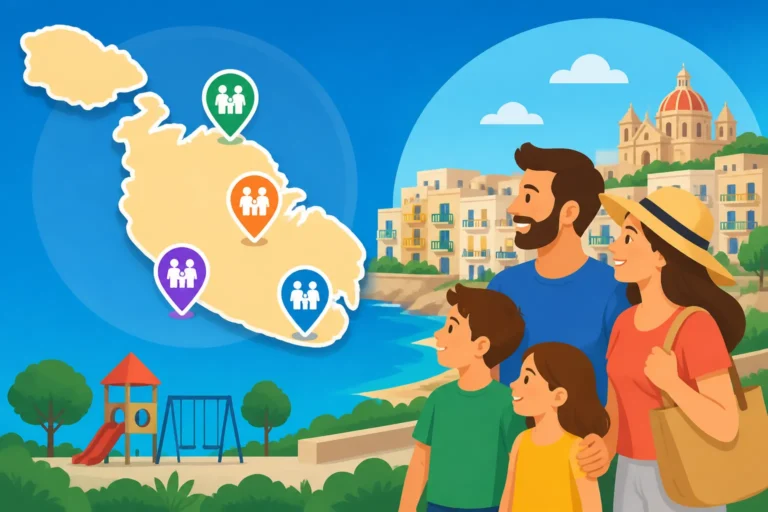
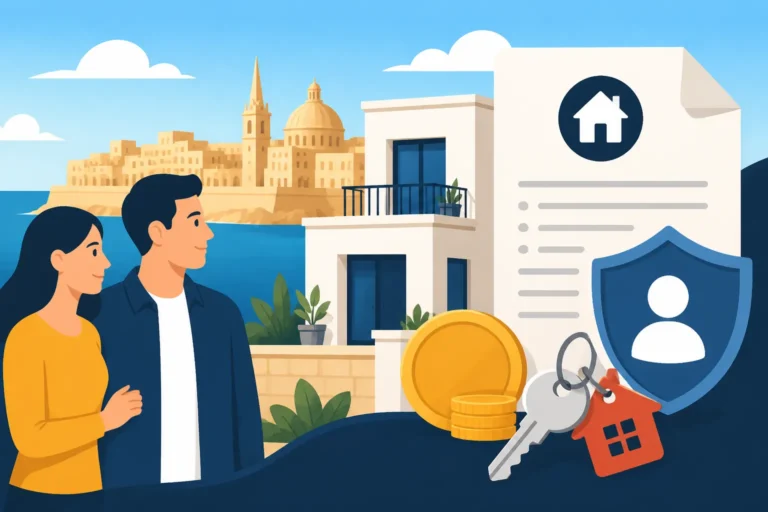
Renting in Malta can be an experience in itself. While there's a good selection of properties, especially in popular areas like Sliema, St Julian's, and Swieqi, finding something that perfectly matches your expectations and budget can take time. Landlords often require the first month's rent, a security deposit (usually one month's rent), and sometimes an agency fee upfront. Be prepared for apartments that might lack central heating (common here, but makes winter damp), or rely heavily on air conditioning for cooling in summer and heating in winter. The lease agreement needs to be registered with the Housing Authority, a vital step to protect your rights as a tenant and ensure you get residential utility rates. For a more detailed look into what to expect, refer to How Hard Is It to Find a Rental Property in Malta?. If you're pondering which location is right for you, diving into Which Areas Are Best for Families in Malta? could provide some insight.
Here’s a snapshot of common rental expectations versus reality:
| Aspect | Common Expat Expectation | Maltese Reality |
|---|---|---|
| Heating/Cooling | Central heating in winter, efficient AC in summer | Primarily AC for both heating and cooling; winter can be damp and chilly indoors without good insulation. |
| Utility Bills | Fairly predictable flat rate or mild tiered system | Tiered tariffs can lead to unexpectedly high bills if not registered correctly as a resident. |
| Lease Registration | Simple signature between tenant/landlord | Mandatory registration with Housing Authority; essential for tenant rights and utility rates. |
| Apartment Size | Generous spaces often for the price | Newer builds can be compact; older properties might have more space but also more maintenance needs. |
| Noise Levels | Quiet residential areas outside main hubs | Construction noise is prevalent across the island; village feasts often mean fireworks and band marches. |
| Furnishing | Usually fully furnished, but quality varies | Often fully furnished, but furnishings can range from modern chic to decades-old, well-loved pieces. |
Getting Around the Island
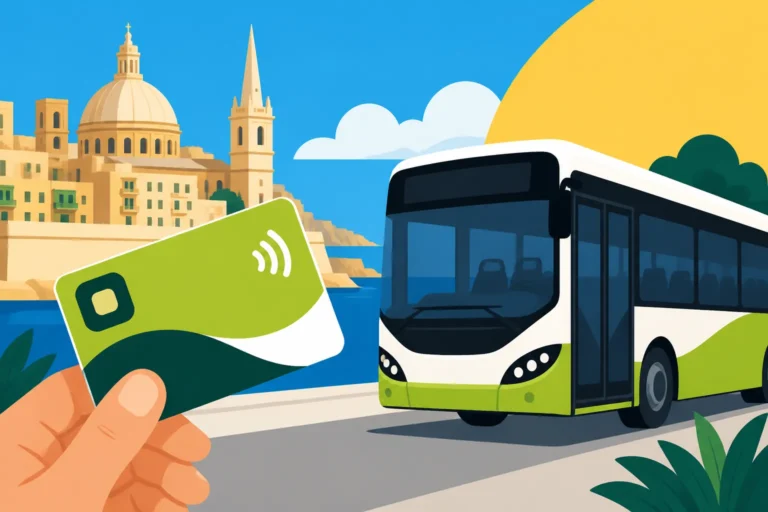
Malta is small, which is both a blessing and a curse when it comes to transport. The public transport system, primarily buses, offers free travel for Tallinja card holders (once you’re a resident), making it an affordable way to get around. However, buses can be notoriously unreliable, especially during peak hours, with delays and overcrowded services being common complaints. While efforts are being made to improve efficiency, many expats eventually opt for their own transport. If you want to dive deeper into the bus system, check out Is Public Transport Really Free in Malta?.
Driving in Malta is an experience in itself. Traffic can be heavy, especially in the central areas, and parking can be a nightmare in popular towns. Roads are generally well-maintained, but local driving habits can be… spirited. If you're moving your entire life here, perhaps with a lot of heavy items or cherished possessions, Sirelo could be a helpful resource for finding reputable international moving companies that understand the logistics of getting things to an island like Malta. Many expats quickly discover that walking is a great way to explore, though pavements can be narrow or non-existent in some areas. For shorter distances, ride-sharing apps like Bolt and eCabs are popular and relatively affordable alternatives to taxis.
Staying Connected
Beyond mobile data, getting your home internet sorted is crucial. Malta has a robust fibre optic network, so fast internet speeds are generally available. Providers like GO and Melita offer various packages bundling internet, TV, and phone services. While the setup process is typically straightforward, some patience might be required for installation appointments. For more specific advice on setting this up, our guide on Getting Internet and Mobile Service in Malta can be quite useful.
Embracing Local Culture and Community
Malta boasts a rich, vibrant culture deeply rooted in Mediterranean traditions, Catholicism, and a history of foreign influences. Integrating into this can be one of the most rewarding aspects of expat life.
The Maltese Pace of Life and Social Scene
One of the first things you’ll notice is the rhythm of life, especially outside the busy central commercial areas. Things often move at a more leisurely pace, and while this can initially clash with a fast-paced work environment, it’s also part of Malta’s charm. Sundays are traditionally for family, and many shops close, especially in smaller towns. Village feasts (festas) are a highlight of the summer, bringing communities together with fireworks, band marches, and street food. These are wonderful opportunities to experience authentic Maltese culture.
Building a social life as an expat can take effort. While the Maltese are generally welcoming, close-knit family ties mean that their existing social circles are often well-established. However, there’s a large and active expat community, particularly in areas like Sliema, St Julian's, and Swieqi. Online groups, expat meetups, and sports clubs are excellent ways to meet new people. Remember, everyone in Malta speaks English, which makes communication incredibly easy from day one. You might find some excellent advice on connecting with others in How Do I Find Other Expats in Malta?.
Food, Shopping, and Everyday Essentials
Malta's culinary scene is a delightful blend of Mediterranean, Italian, and North African influences. Fresh seafood is abundant, and traditional dishes like rabbit stew (fenek), pastizzi (flaky pastry filled with ricotta or peas), and ftira (a local flatbread pizza) are must-tries. Grocery shopping is done at local mini-markets, larger supermarkets (Lidl, PAMA, PAVI), and farmers' markets. Prices for groceries can sometimes be higher than on the continent due to import costs, but local produce is usually affordable and fresh.
For general shopping, you'll find familiar international brands alongside local boutiques. Valletta and Sliema are the main shopping hubs, offering a good mix of fashion, electronics, and home goods. While online shopping is growing, local delivery can sometimes be slow or nonexistent for smaller retailers, so an in-person visit is often preferred. The cost of living can be deceptive; while some things like public transport are cheap, others like imported goods or dining out frequently can add up. Our guide on the Cost of Living in Malta: Budgeting for the Real Numbers offers a realistic view.
Weathering the Seasons
Malta’s climate is a significant draw, but it also dictates much of daily life. Summers are long, hot, and dry, with temperatures often soaring above 30°C from June to September. This means a daily rhythm that often includes an afternoon siesta or avoiding outdoor activities during the hottest parts of the day. Hydration and seeking shade become paramount. If you're coming from a cooler climate, the intensity of the heat can be a shock; learning How Do I Cope with the Summer Heat in Malta? is essential.
Winters are mild but can be damp and chilly, especially indoors where traditional Maltese buildings often lack proper insulation. You might find yourself reaching for a dehumidifier and warm clothes even inside your apartment. Spring and autumn are arguably the most pleasant seasons, offering comfortable temperatures perfect for exploring. The shift in seasons impacts everything from what you wear to how you plan your weekends.
Balancing Work, Life, and Wellbeing
Expat life isn’t just about the fun stuff; it’s also about finding balance in your professional life and ensuring your wellbeing.
The Work Environment
Malta has a thriving job market, particularly in sectors like iGaming, finance, IT, and tourism. The official languages are Maltese and English, with English being the primary business language. This is a huge advantage for many expats, as it eliminates the immediate need to learn a new language for professional purposes. While it’s always appreciated to pick up a few Maltese phrases, you can absolutely build a successful career here relying solely on English. Our article on The English Advantage: Working and Living in Malta in English explores this in more detail.
Workplace culture is generally quite hierarchical but often friendly and personal. Networking is incredibly important, and relationships can play a significant role. Salary expectations should be realistic; while competitive in some sectors, they might not match Western European equivalents, but neither does the overall tax burden for many. Expect a standard 40-hour work week, and remember that annual leave and public holidays are generous.
Healthcare and Support Systems
Understanding the healthcare system is crucial for peace of mind. Malta offers a public healthcare system that is accessible to residents who are contributing to social security. While public healthcare is generally good, waiting times for certain specialists or non-urgent procedures can be long. For many, a combination of public and private healthcare is the preferred approach, often supplemented by private health insurance. Familiarising yourself with Healthcare in Malta for Foreign Residents: The Complete System Guide (2027) will give you a comprehensive overview.
Beyond physical health, mental health support is becoming increasingly recognised. There are public services available, but many expats opt for private therapists or counsellors, often easily found through online directories. Building a strong support network of friends, both expat and local, can also be invaluable for navigating the ups and downs of life in a new country.
All in all, daily life as an expat in Malta is a unique blend of island charm and practical challenges. It requires adaptability, a good sense of humour, and an open mind. But for those who embrace its quirks, Malta offers a truly rewarding and enriching experience.
Disclaimer
Please note that while this guide aims to provide accurate and up-to-date information, regulations and procedures in Malta can change. It is always advisable to verify specific details with official Maltese government sources or relevant authorities. This content is for informational purposes only and does not constitute legal, financial, or medical advice.