Dealing with Identità: Applications, Biometrics, and the eResidence Card
Navigating the labyrinthine world of Maltese bureaucracy can feel like a full-time job in itself, and for many newcomers, Identità is often the first, and most daunting, hurdle. From piecing together an endless list of documents to endless waiting for processing, the journey to securing your legal right to reside on this beautiful island can be a test of patience. This comprehensive guide is here to unravel the complexities of Identità, helping you understand the application process, what to expect at your biometrics appointment, and finally, how to get your hands on that coveted eResidence card.
Understanding Identità: The Gatekeeper of Your Maltese Dream
When you first arrive in Malta, full of dreams and plans, the last thing you want to be thinking about is paperwork. Yet, the reality for every single foreigner, whether from the EU or a third country, is a mandatory encounter with Identità. This agency isn't just another government department; it's the central authority for all things related to identity management and residence permits in Malta. They hold the keys to your legal stay, your ability to work, access healthcare, and pretty much everything else.
What is Identità and Why Does it Matter?
Identità, officially known as the Identity Malta Agency, is the single national agency responsible for issuing passports, identity cards, and, crucially for us expats, residence permits. It took over these functions from various other entities, streamlining (at least in theory) the processes under one roof. For those of us who remember the "good old days" of Identity Malta, the name change to Identità might seem like a fresh coat of paint, but the core functions and, dare I say, the occasional bureaucratic quirks, remain.
Every single legal resident in Malta, whether you're here under a work permit, as a student, a retiree, or for family reunification, will need to register and obtain documentation through Identità. This means that your eResidence card, issued by them, is not just a piece of plastic; it's your official proof of identity and your entitlement to live and access services in Malta. Without it, you’ll find yourself unable to open a bank account, register for healthcare, get a local phone contract, or even rent property in some cases. It truly is the lynchpin of your life here, and understanding its role from the outset is paramount.
Navigating the Identità Portal: Your Digital First Impression
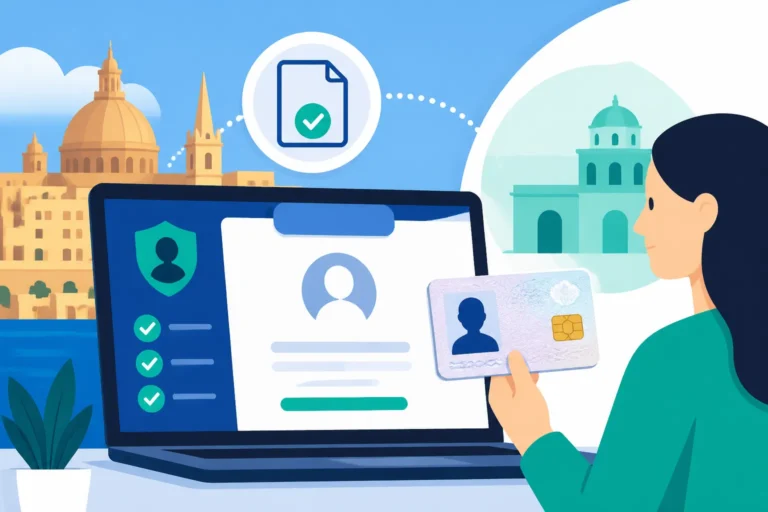
Before you even step foot into their offices, your journey with Identità usually begins online, on their dedicated portal. This is where you typically initiate your application, upload initial documents, and often book your necessary appointments. While the portal aims to simplify things, it can sometimes be a source of frustration. It’s designed to be comprehensive, but like many government digital platforms, it requires a careful hand.
I've heard countless stories, and experienced a few myself, of forms timing out, uploaded documents not saving, or obscure error messages appearing. My advice? Use a stable internet connection, preferably on a desktop computer, and try to complete sections thoroughly before moving on. Always save your progress frequently, and keep detailed notes of any application numbers or reference codes provided. The portal is your digital gateway, and getting this part right can save you a lot of headaches down the line. It's your digital first impression, and you want to make sure it's as complete and accurate as possible.
The Residence Permit Application Process: More Than Just Forms
The journey to your eResidence card is paved with forms, documents, and patience. Whether you're applying for a work permit (often combined with a residence permit), a student visa, or simply registering your EU rights, the general framework of the application process through Identità follows a similar, meticulous path.
Initial Application Submission: The Paperwork Mountain
This is where the true test of your organizational skills begins. Most residence permit applications require a hefty stack of documents. We're talking passport copies, birth certificates, marriage certificates, police conduct certificates from both your home country and Malta, comprehensive bank statements proving sufficient funds, proof of accommodation (a signed lease agreement registered with the Housing Authority), and often a medical fitness certificate. For those coming for work, you'll need your employment contract, employer's declarations, and sometimes even evidence that your employer advertised the job locally.
The key here is detail and accuracy. Any missing document, an expired certificate, or a document not translated into English or Maltese by a certified translator, can cause significant delays. I've known people who had their entire application paused because one stamp was missing or a date was ambiguous. Make sure every single piece of paper is exactly as requested. For detailed guidance on what criminal record checks are needed, be sure to check out our guide on the Police Conduct Certificate and Document Requirements in Malta. It's a mountain, no doubt, but one that's conquerable with careful preparation. When sending your belongings to Malta, services like Sirelo can manage the logistics of your move, freeing you up to focus on gathering these crucial documents.
Common Residence Permit Types Handled by Identità
Identità is the central point for almost all types of residence permits issued to foreigners in Malta. While the underlying process is similar, the specific forms and requirements will vary greatly depending on your reason for being here. You might be applying for a Single Permit, which cleverly combines both your work and residence authorisation into one document. Then there are student permits, family member permits for those joining relatives, and even specialized permits like the Nomad Residence Permit for digital nomads.
Each of these categories has its own unique eligibility criteria and an accompanying checklist of documents. For instance, a student will need proof of enrolment and financial means, whereas someone on a family reunification permit will need to prove their relationship and the primary applicant's stable income and suitable accommodation. It’s essential to identify the correct permit category for your circumstances to avoid unnecessary rejections or delays. If you're scratching your head trying to figure out which permit applies to you, our guide on Residence Permits in Malta: Types, Requirements, and How to Apply provides an excellent overview. For those specifically entering on a work permit, understanding The Single Permit as a Combined Work and Residence Permit in Malta is crucial.
Booking Appointments and Submitting Documents
Once you've wrestled with the online portal and gathered your formidable stack of papers, the next step is usually to book an appointment to submit your physical documents and undergo biometrics. This is where things can get a bit bottlenecked, as appointment slots can sometimes be scarce, especially during peak application periods. The Identità website will guide you on how to book these. Be prepared to check frequently if you don't find an immediate slot.
When your appointment day arrives, ensure you bring all original documents, even if you’ve already uploaded scans online. The staff will want to verify them against your copies. You’ll be assigned a ticket number and join the queue, often for what can feel like a considerable wait. Don't be surprised if your appointment is literally just to hand over your documents and get a quick check that nothing glaringly obvious is missing. It's a step in the process, not the final decision. For a deeper dive into this part of the journey, refer to our article on Booking Appointments and Submitting Documents to Identità. Patience is a virtue here, my friend.
The Biometrics Stage: Your Face and Fingers for Malta
Ah, biometrics. For many of us, this is the first time our physical presence really registers with the Maltese government machine. It’s a crucial step in the application process and generally marks the point where your physical data is officially captured for your eResidence card.
What to Expect at Your Biometrics Appointment
Typically, your biometrics appointment is either scheduled alongside your document submission, or as a separate follow-up appointment, depending on your permit type and how Identità is managing its workload at the time. When you attend, you’ll be asked to provide your fingerprints (usually all ten digits, rolled and flat), have a digital photograph taken, and provide an electronic signature.
The process itself is quite straightforward and usually takes only a few minutes once you’re called. However, punctuality is key, and you must bring all the requested documents, including your passport and the appointment confirmation. A small tip from a seasoned expat: try to keep your hands clean and free of cuts or excessive hand cream for your fingerprinting. For the photo, it's a standard passport-style shot, so no huge smiles or quirky poses – just a neutral expression looking directly at the camera. It’s a quick but significant step that truly puts your unique identity into the system.
Why Biometrics Are Necessary and What Happens Next
Biometrics are an essential security and identity verification measure. They create a unique, undeniable link between you and your eResidence card, making it harder for someone else to impersonate you. This data is also crucial for Malta's compliance with EU regulations regarding residence documents, ensuring a high standard of security across the Schengen Area.
Once your biometrics are successfully captured, it usually signifies that your application package is now complete and ready for full processing. This doesn't mean your card is ready, or even approved, but it does mean that all the necessary inputs are with Identità. From this point on, it’s largely a waiting game while your application is reviewed against all criteria. The wait can be agonizing, but having passed the biometrics stage means you’re officially in the queue. Our detailed guide on Biometrics and Collecting Your eResidence Card in Malta delves into more of these specifics.
The eResidence Card: Your Gateway to Maltese Life
After what can feel like an eternity, the moment you’ve been waiting for arrives: notification that your eResidence card is ready for collection. This small plastic card is far more than just an ID; it's your tangible proof of legal residency in Malta and your key to unlocking various aspects of life on the island.
Understanding the eResidence Card: More Than Just an ID
Your eResidence card is an official government-issued identification document. On the front, you’ll find your photograph, name, date of birth, and your unique Maltese ID card number – a critical identifier for everything from banking to utilities. It also clearly states your permit type (e.g., "Worker," "Student," "Family Member") and the validity period of your stay. The back contains additional information, including your fingerprints in digital format, along with other security features.
This card is your legal proof that you are permitted to reside in Malta. You'll need it for practically every official interaction: opening a bank account, registering with a health centre, obtaining a driver's license, and dealing with any other government service. For employees, it’s a vital document to show your employer for tax and social security purposes. Think of it as your Maltese passport to daily life. To really understand what all the little details on your card mean, our article on The eResidence Card: What It Shows and How to Read It is incredibly helpful. For a broader look at how this number connects to healthcare access, check out Getting Your Maltese ID Card Number: The Key to Accessing Healthcare.
Collecting Your eResidence Card: The Finish Line in Sight
When your eResidence card is ready, Identità will typically notify you via SMS or email. This notification will usually specify the collection point, which is generally their main office in Msida. Don't just show up; make sure you have the notification confirming readiness and that you know the designated collection hours.
When you go to collect, remember to bring your original passport and, if it’s a renewal, your expired eResidence card. They will verify your identity before handing over your new card. It's an incredibly satisfying moment, believe me. After all the paperwork, the waiting, and the stress, finally holding that card in your hand truly makes your move to Malta feel real and official. While delays can happen even at this final stage, they are far less common. Double-check all the details on the card immediately upon collection to ensure everything is correct, just in case.
Navigating Processing Times and Potential Delays
If there’s one thing every expat in Malta learns about Identità, it’s the importance of patience. Processing times are not always swift, and delays can, and often do, occur. It’s a reality of moving to a new country and dealing with a centralized agency managing thousands of applications.
Realistic Expectations for Identità Processing Times
Let’s be honest: expecting a quick turnaround from Identità is often setting yourself up for disappointment. While some straightforward applications, especially for EU citizens, might be processed in a matter of weeks, others can take several months. Non-EU Single Permits, for example, frequently take 2-4 months from the date of biometrics, and sometimes even longer, especially if there are queries or missing documents. Family reunification applications can also be protracted due to the detailed verification required.
Many factors contribute to these varying timelines: the sheer volume of applications Identità receives, the complexity of your specific case, whether you’ve submitted absolutely every document correctly, and even seasonal spikes in applications. The summer months, for instance, often see an influx of student permit applications, which can slow everything down. It’s incredibly frustrating when you’re in limbo, unable to fully settle, but managing your expectations and preparing for a potentially long wait is key to maintaining your sanity. Our article on Understanding Identità Processing Times and Delays goes into greater detail about what factors cause these variations.
What to Do If Your Application is Delayed or Refused
First, ensure you’re regularly checking the online portal for any status updates or requests for further information. Often, delays are due to Identità requiring an additional document or clarification. Respond to these requests promptly. If you haven’t heard anything for a significant period (beyond the typical processing time for your permit type), you can try emailing the relevant department at Identità or calling their helplines, though direct responses can sometimes be challenging to obtain.
In the unfortunate event that your application is refused, it’s a disheartening blow. However, it's not always the end of the road. Identità will provide a reason for the refusal. You generally have the right to appeal this decision to the Immigration Appeals Board. This is a formal process that often benefits from legal advice, especially if the grounds for refusal seem unclear or unjust. Don't hesitate to seek professional assistance. Learn more about your options if your permit is refused in our guide What Do I Do If My Maltese Permit Application Is Refused?, and delve into the appeals process with Appealing to the Immigration Appeals Board in Malta.
The Waiting Game: Living in Limbo and Travel Considerations
Living in Malta while your residence permit is pending can feel like being in an administrative purgatory. For non-EU citizens, this limbo often brings particular challenges. Your ability to open a bank account might be stalled, you might face difficulties renting long-term, and perhaps most importantly, your travel plans could be significantly impacted.
Leaving Malta while your permit application is pending, especially if you entered on a D-visa (national long-stay visa) that might be nearing its expiry or if you only have an "Approval in Principle" letter, carries risks. Re-entering the Schengen Area without a valid permit or appropriate visa can be problematic, potentially leading to denied re-entry. Always consult Identità or legal advice before planning any international travel during this period. Some people manage to travel with a stamp in their passport indicating pending status, but this is not guaranteed for all destinations. Being well-informed is crucial when contemplating travel during this period, and our article on Travelling While Your Maltese Permit Is Being Processed offers more detailed advice.
Post-Issuance Responsibilities and Renewals
Getting your eResidence card is a huge milestone, but it's not a 'set it and forget it' situation. There are ongoing responsibilities to ensure you remain compliant with Maltese immigration laws, and eventually, the cycle of renewal will begin again.
Keeping Your Details Up-to-Date with Identità
Life happens, and things change. You might move to a new apartment, get married, change your surname, or even switch employers. It is a legal obligation to inform Identità of any significant changes to your personal circumstances or your address within a specified timeframe. Failing to do so can lead to complications when you try to renew your permit, or worse, potential issues with your residence status.
Updating your address, for instance, usually involves providing a new registered lease agreement. For changes in employment, you might need new forms from your employer. While it can feel like more paperwork, it’s far less painful than trying to rectify years of outdated information. The Identità portal often has sections for reporting these changes, or you might need to book an appointment. Taking this responsibility seriously ensures a smoother journey in the long run. Our post on Updating Your Address and Status with Identità in Malta provides step-by-step instructions.
Renewing Your Residence Permit: A Cyclical Journey
Unless you've achieved long-term residency or citizenship, your eResidence card will have an expiry date, and before it looms, you'll need to begin the renewal process. Think of it as a mini version of your initial application, often less daunting because you’re already familiar with the Identità system. The good news is that renewals are typically processed faster than initial applications, especially if your circumstances haven't drastically changed.
The golden rule for renewals is to apply well in advance. I’m talking 2-3 months before your current card expires. This gives Identità ample time to process your application without leaving you in a precarious position with an expired permit. You’ll usually need updated versions of your original documents – current employment contracts, new lease agreements, up-to-date bank statements, and potentially a fresh police conduct certificate. Don't wait until the last minute; give yourself plenty of buffer time to gather everything and submit. For a detailed roadmap on how to approach this, refer to our guide on Renewing Your Maltese Residence Permit Before It Expires.
Insurance and Other Essential Considerations
Throughout your application process, and indeed for the entirety of your stay in Malta, certain practicalities are intertwined with your residence status. Health insurance is a prime example. For many non-EU permit holders, having adequate private health insurance is a mandatory requirement for your residence permit application and renewal. This is where providers like Cigna Global come in, offering comprehensive international health insurance plans that meet the strict requirements of your Maltese permit. They offer peace of mind, knowing you're covered for medical emergencies and general healthcare needs while you're navigating the public system.
Beyond insurance, proving sufficient means of subsistence and stable accommodation remains critical for both initial applications and renewals. Identità wants to ensure you can support yourself without becoming a burden on the state and that you have a legal place to live. When you’re dealing with the stress of moving internationally, managing all these administrative tasks can be overwhelming. Services like Sirelo can simplify your relocation by taking care of the practicalities of moving your household goods, giving you more time and mental space to focus on your Identità application and ensure all documentation is perfect. Being prepared on all these fronts makes the Identità journey significantly smoother.
Here's a quick look at common documents you might need for a typical Single Permit application:
| Document Category | Purpose | Notes/Tips |
|---|---|---|
| Personal ID | Proof of Identity and Nationality | Valid Passport (minimum 6 months validity), all pages copied. Old passports with previous visas/stamps if relevant. |
| Passport Photos | For application form and eResidence card | 2 recent passport-sized photos, adhering to ICAO standards (white background, no shadows, neutral expression). |
| Application Form | Official request for permit | Completed and signed. Ensure all sections are filled accurately. |
| Employment Docs | Proof of Job Offer & Employment in Malta | Engagement form/job offer letter, signed employment contract, Jobsplus Position Specific Vacancy form, employer’s declaration. |
| Proof of Accommodation | Valid place of residence in Malta | Registered Private Residential Lease Agreement (PRLA) for the entire duration of the permit sought. Or, a Declaration of Accommodation from owner if living with someone. |
| Financial Means | Proof of ability to support yourself | Recent bank statements (covering past 3-6 months), showing sufficient funds. Payslips, if already working. |
| Health Insurance | Mandatory health coverage | Comprehensive private health insurance policy covering all risks in Malta, valid for at least the permit duration. Cigna Global is a popular choice for expats. |
| Police Conduct Cert | Criminal record check | From your country of origin AND a Maltese Police Conduct Certificate. Foreign certificates must be apostilled/legalised and translated if not in English/Maltese. |
| Academic/Work Certs | Proof of qualifications for the job | Copies of relevant diplomas, degrees, professional licences, and CV. Translated if not in English. |
| Family Docs (if applicable) | Proof of family relationship if applying for dependents | Marriage certificates, birth certificates, adoption papers. Must be apostilled/legalised and translated. |
| Previous Residence (if applicable) | Evidence of prior legal residency/entry | Previous residence permits, entry visas, flight tickets, especially if you applied from within Malta. |
Disclaimer
Please remember that this guide provides general information and advice based on common experiences and publicly available data concerning Identità procedures in Malta. Immigration laws and procedures can change rapidly, and individual circumstances vary widely. This content is not a substitute for professional legal advice or official guidance from Identità or other relevant Maltese authorities. Always consult the official Identità website or seek personalized advice from an immigration lawyer or consultant for your specific situation.