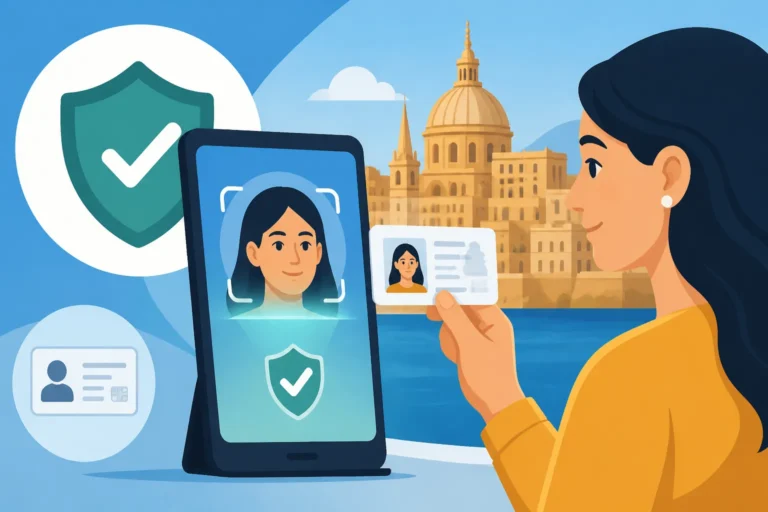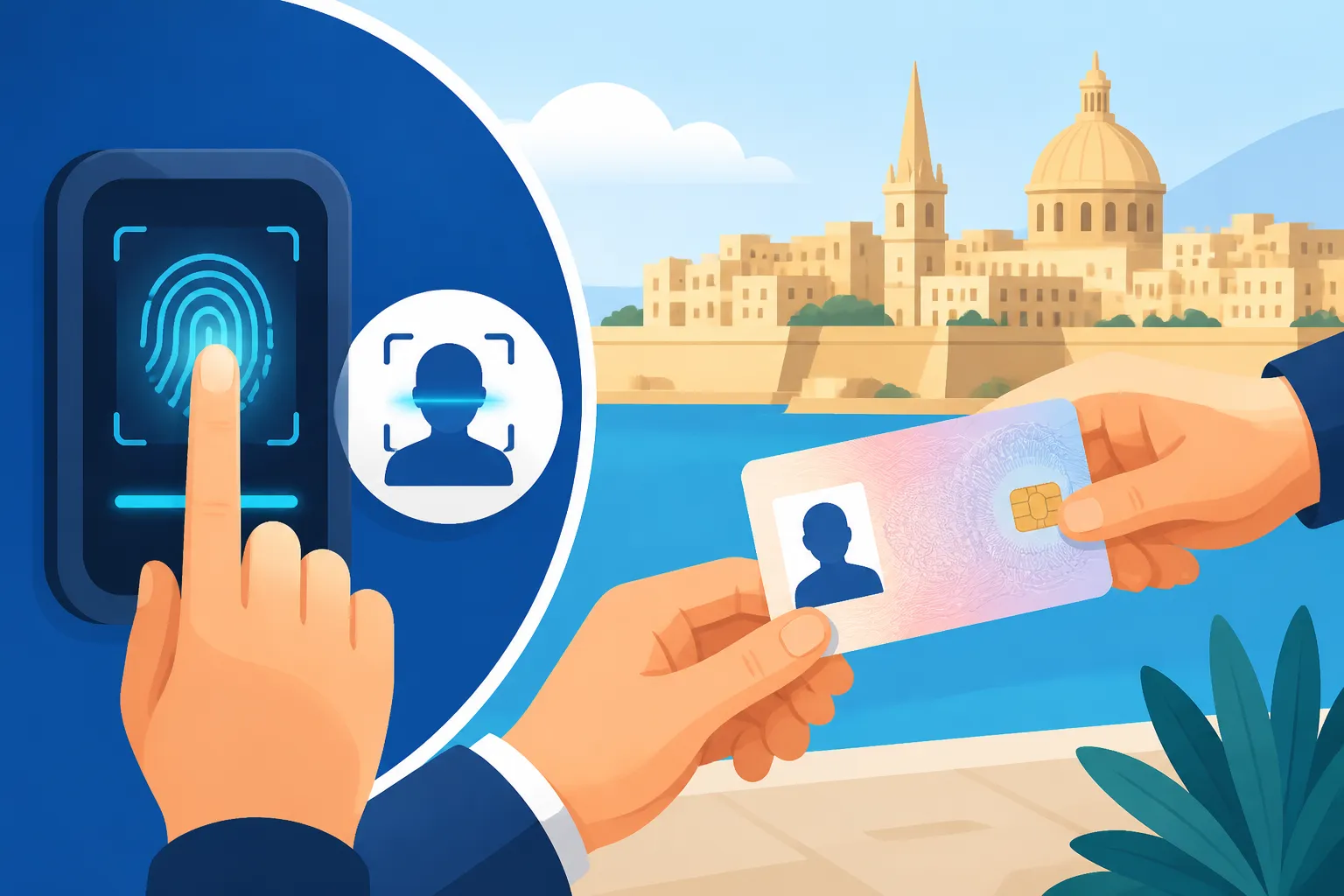
Biometrics and Collecting Your eResidence Card in Malta
Oh, the infamous eResidence card! If you’ve just submitted your residence permit application in Malta, you’re probably now bracing yourself for the next big hurdle: the biometrics appointment and the seemingly endless wait to actually get your hands on that little plastic rectangle. It’s a process that can feel incredibly opaque and, let’s be honest, often frustrating for newcomers. This guide is here to walk you through every step, from booking your biometric appointment to finally holding your eResidence card, validating all the quirks and challenges along the way.
The Waiting Game: Understanding the eResidence Card Process
When you first arrive in Malta, especially if you're coming from outside the EU/EEA, it feels like everything hinges on that eResidence card. It's more than just an ID; it's your key to unlocking everyday life here. Without it, simple tasks like opening a bank account or even registering for crucial public services can become a bureaucratic nightmare. I've been there, staring at my temporary paper receipt, feeling like I was living in limbo, and many of you are experiencing the same anxieties.
What is the eResidence Card and Why It's Crucial
The eResidence Card is Malta's official identification document for foreign residents, essentially your ID card here. It's issued by Identità (formerly Identity Malta Agency) and acts as proof of your legal right to reside in the country. This isn't just a fancy souvenir; it's absolutely fundamental to integrating into Maltese society. Your name, photo, and a unique ID card number – which is different from your passport number – are all encoded on it. It also specifies your residence status, such as whether you’re here on a single permit for work, as a student, a family member, or under a special programme like the Nomad Residence Permit.
Think about it this way: almost every official interaction you'll have in Malta will require this card or, at the very least, your unique Maltese ID card number. Want to register with a health centre? You'll need it. Applying for a bank account? Absolutely. Setting up utilities, enrolling children in school, even sometimes collecting a registered parcel from the post office – this card is your golden ticket. For many, it's the official confirmation that you're finally "in." Without it, you're constantly explaining your situation, carrying your passport everywhere, and often hitting roadblocks because institutions are wary of anything less than the official eResidence card. It's why the wait for it feels so long and fraught with anxiety. Learning about how to go about Getting Your Maltese ID Card Number: The Key to Accessing Healthcare will really bring home its importance.
The Journey from Application to Card Collection
The path from submitting your residence permit application to holding your eResidence card is rarely a straight line, and it often involves several stages. Initially, you'll submit your application, usually online via the Identità portal or in person, depending on your permit type. For many non-EU/EEA applicants, there’s an "Approval in Principle" stage, which means your permit is provisionally approved, often allowing you to enter Malta with a D-Visa (national long-stay visa) to finalise your application.
Once your application documents are submitted and ideally processed to a certain point, Identità will invite you for your biometrics appointment. This is a critical step, as it's where your physical identity (fingerprints and facial image) is officially captured and linked to your application. After the biometrics, it’s a period of waiting, often the most frustrating part. Identità needs to process everything, conduct background checks, and then physically produce your card. Finally, you’ll receive a notification – usually an SMS – telling you your card is ready for collection. This multi-stage process, with its various waiting periods and lack of real-time updates, is precisely what makes newcomers feel so much stress and uncertainty. Understanding how to track your application can help, but patience is still very much a virtue here.
The Biometric Appointment: Your Face and Fingers for Identità
The biometrics appointment is a mandatory step for almost all residence permit applicants in Malta. It's where you physically present yourself to Identità to have your fingerprints and facial image captured. It might sound straightforward, but like many administrative tasks in Malta, it has its own set of nuances and potential headaches.
Booking and Preparing for Your Biometrics Appointment
In the past, booking these appointments could be a bit of a free-for-all, often involving calling a busy phone line or showing up early hoping for a slot. Thankfully, Identità has largely moved to an online booking system, which, while not perfect, offers a more structured approach. You'll typically receive an email or an SMS inviting you to book your biometrics after your initial application has been reviewed. This notification will usually contain a link or instructions on how to proceed. It’s vital to respond promptly, as slots can fill up, and delays here push back your entire timeline.
When preparing for the appointment, organization is key. You absolutely must bring your valid passport – the original document, not just a copy. If you entered Malta on a D-Visa, bring that as well, and any other travel documents you used to enter the Schengen area. It’s also wise to bring a printout of your original application form, even if you submitted it online, and any approval-in-principle letters you may have received. Some people also recommend bringing a copy of your tenancy agreement and a utility bill, just in case, though these are typically for the initial application, it never hurts to be overprepared. Make sure your hands are clean and free from cuts or excessive dryness, as this can affect fingerprint quality. For a more detailed look into this step, check out Where Do I Give My Fingerprints for a Maltese Permit?.
What Happens During the Biometrics Appointment
Your biometrics appointment will take place at the Identità offices in Msida, specifically at the Ex-Trade Fair Grounds. When you arrive, you’ll usually take a number from a ticket machine, similar to queuing at a bank. Be prepared for a wait, even with an appointment slot, as delays are common. Once your number is called, you'll go to a counter where an Identità official will review your documents. They’ll likely compare your passport photo to your face, so no radical new hairstyles or facial hair since your passport photo was taken!
The actual biometrics capture involves a few steps:
- Fingerprints: You’ll be asked to place your fingers, one by one, and then both thumbs, onto a digital scanner. They'll need all ten digits. Sometimes, if the quality isn't good enough, they'll ask you to try again. This is where clean, moisturized hands can make a difference.
- Facial Scan: Your photo will be taken digitally. This is usually a straightforward process, much like a passport photo booth. They'll ask you to look straight ahead, without glasses or hats, and with a neutral expression.
- Signature: You’ll also provide a digital signature, which will be printed on your eResidence card.
The whole process itself is relatively quick once you're at the counter, perhaps 5-10 minutes. The biggest time consumer is often the queuing beforehand. Don't be shy about asking questions if something is unclear; while the staff are busy, most are helpful if approached politely.
Common Issues and How to Tackle Them
It wouldn't be a true Maltese administrative experience without a few potential hitches. One of the most common issues during biometrics is poor fingerprint quality. This can happen due to dry skin, cuts, or simply the scanner being finicky. If this occurs, they’ll ask you to re-scan. Don’t panic; it’s fairly normal. Sometimes using a little hand cream before you go can help, but avoid anything greasy right before scanning.
Another common frustration is the sheer waiting time, even with an appointment. Identità offices can be bustling, and staff levels might fluctuate. Bring a book, fully charge your phone, and mentally prepare for a potential delay. It’s a classic Maltese trait to just wait.
Language barriers can also pop up. While English is widely spoken in Malta, some Identità staff might be more comfortable in Maltese. If you struggle to understand instructions, don't hesitate to politely ask them to repeat or explain in simpler English. Having a clear, concise question ready can help.
Finally, system errors aren’t unheard of. Occasionally, the scanning equipment might malfunction, or their internal system might be slow. Again, this isn't your fault, and patience is the best approach. There's no point getting flustered; just follow their instructions and take a deep breath. Remember, this is a necessary step, and you’ll get through it.
The Anticipation: What Happens After Biometrics?
Once you’ve pressed your fingers against that scanner and had your photo taken, you might feel a sense of relief. You’ve done your part! Now, the ball is firmly in Identità's court. This is arguably the most nerve-wracking phase for many newcomers, as it's often characterized by a lack of communication and an unpredictable timeline.
Identità's Processing Times and Communication
Ah, the processing times. This is where the myth of "Maltese efficiency" truly unravels. Official timelines for eResidence card production can vary wildly, from a few weeks to several months, depending on the volume of applications, staff availability, and your specific permit type. Generally, Identità aims to process applications within a reasonable timeframe, but in reality, delays are common and frustratingly opaque. The official information might state one thing, but actual experiences often paint a different picture.
Identità's communication after your biometrics appointment is, to put it mildly, not their strongest suit. Don't expect regular updates or proactive emails informing you of your card's progress. Often, the first and only communication you'll receive is an SMS notifying you that your card is ready for collection. This lack of transparency can be incredibly stressful, especially if you have travel plans or need the card for other crucial administrative tasks. Many expats find themselves constantly checking their phones, refreshing their inboxes, and endlessly wondering, "How Long Does Identità Take to Decide a Residence Permit?"
When You Can Expect a Notification
The golden notification, signaling your card is ready, almost exclusively arrives via SMS. Sometimes, an email might also be sent, but the text message is the primary method. This SMS will typically state that your eResidence card is ready for collection and might specify the collection point (usually the same Identità office in Msida).
It’s crucial to ensure Identità has your correct and active Maltese mobile number and email address. If you change your number or email during the waiting period, you must inform them immediately, or you risk missing the vital notification. Missing this text can prolong your wait unnecessarily. Many new arrivals wonder, "When Will I Receive My eResidence Card in Malta?" The answer is, quite unhelpfully, "when it's ready," and only Identità knows the precise moment. This uncertainty is precisely why expats feel so much anxiety during this stage.
Temporary Proof of Residence and Travel
While you wait for your physical eResidence card, Identità typically provides you with a stamped receipt or a letter confirming your application is in process. This document is incredibly important as it serves as your temporary proof of residence. If you need to open a bank account, register for social security, or access healthcare, this receipt is usually accepted as interim proof. However, its acceptance can be a bit hit-or-miss with different institutions. Some might be perfectly fine with it, while others might insist on the physical card.
The biggest concern for many during this waiting period is travel. Can you leave Malta and re-enter without your physical eResidence card? This is a really tricky area and generally comes with a strong warning against it. While your permit is technically valid, border control officials in other Schengen countries or even upon re-entry to Malta might not recognise the receipt alone. They are often looking for the biometric eResidence card. If you must travel, it is imperative to check with Identità directly and potentially with the immigration authorities of your destination country before you depart. For a deeper dive into this, I highly recommend reading up on Travelling While Your Maltese Permit Is Being Processed. Many insurers, like Cigna Global, offer flexible health insurance plans that might cover you for various eventualities, but even they can't magically solve immigration paperwork issues. It’s always safer to wait for your physical card before making any international travel plans, even if it means putting holidays on hold.
Finally! Collecting Your eResidence Card in Malta
After what can feel like an eternity, that glorious SMS arrives. It's a moment of genuine relief, often celebrated with a sigh of exasperation and perhaps a small fist pump. But don't race out the door just yet; there are still a few things to keep in mind for the actual collection process.
The Official Collection Notification and What It Means
The SMS notification is usually quite brief, informing you that your card is ready and stating the collection point. For most, this will be the Identità offices in Msida. Occasionally, for residents of Gozo, collection might be arranged at the Gozo General Hospital or another designated point on the sister island, but the default is usually Msida. Pay close attention to any instructions regarding specific collection hours or whether you need to book a slot for collection. Generally, collection is during standard Identità office hours.
This message is your green light. It signifies that your application has been fully processed, your permit approved, and your card printed. It means the end of carrying around your passport or that flimsy receipt and the start of using your official Maltese ID.
What to Bring for Collection and Where to Go
When you head to collect your card, the requirements are usually minimal but essential:
- Your Passport: The same valid passport you used for your application and biometrics. This is crucial for identification.
- The SMS Notification: Have the text message on your phone, or better yet, take a screenshot or print it out. This proves you've been invited to collect.
- Your Original Application Receipt/Temporary Document: The paper you were given after your initial biometrics or when you first submitted your application. They often ask for this to verify your details and mark the application as complete.
The collection point is almost always the Identità offices at the Ex-Trade Fair Grounds in Msida. Head to the reception area, take a ticket for "card collection" or similar, and wait for your number to be called. The actual handover of the card is usually swift. For more specifics on the location, you can review Where Do I Collect My eResidence Card in Malta?. When moving your life and belongings, services like Sirelo can help with the logistics, but they can't fetch your eResidence card for you!
Inspecting Your Card and What to Do If There Are Errors
Once you receive your eResidence card, take a moment, right there at the counter, to thoroughly inspect it. Seriously, do not walk away without checking these details:
- Your Name: Ensure it matches your passport exactly.
- Your Photo: Is it actually you? Is it clear?
- Your Date of Birth: Double-check this critical piece of information.
- Your Nationality: Should be accurate.
- Your ID Card Number: Make sure it's clear and correct.
- Validity Dates: This is hugely important. Check the "valid from" and "valid until" dates. These define the duration of your residence permit.
- Permit Type: Does it reflect your actual permit (e.g., Single Permit, Family Member, Student)?
Discovering an error after you’ve left the building can be a real pain, often requiring another appointment and a prolonged waiting period for a corrected card. If you spot an error, point it out immediately to the Identità official. They should be able to guide you on the steps to take for correction, which might involve filling out a form and possibly waiting for a new card to be issued. While frustrating, it's far better to catch it then and there. Knowing exactly What It Shows and How to Read It can save you a lot of hassle.
Living with Your eResidence Card: Beyond Collection
Congratulations, you have your eResidence card! This isn’t just a piece of plastic; it's a symbol of your official status and your gateway to fully participating in life in Malta. Now, the real integration can begin.
The Importance of Your eResidence Card in Daily Life
Having your eResidence card is like finally having all the pieces of a puzzle click into place. Suddenly, tasks that were cumbersome or impossible become straightforward.
- Banking: Most Maltese banks, like BOV and HSBC, will not finalize your account setup without a valid eResidence card. While some may allow you to start the process with your permit application receipt, the card is almost always required for full activation and access to all services.
- Healthcare: To register with a local health centre and access public healthcare services, your ID card number from your eResidence card is essential. This is how you confirm your entitlement. Understanding how this connects to your social security contributions is crucial for accessing services.
- Employment: Your employer will need a copy of your eResidence card for their records and to ensure your legal right to work is documented. Your ID number is also linked to your social security and tax registrations.
- Utilities: When setting up accounts with ARMS for electricity and water, or with local internet providers like GO or Epic, your eResidence card proves your residency status, often unlocking lower 'residential' tariffs rather than the higher 'non-residential' rates.
- General Administration: From picking up registered mail to signing rental agreements, buying a car, or even getting a library card, the eResidence card streamlines nearly every administrative interaction. It signifies you are a legitimate, registered resident of the country. For more insights into setting up your life here, check out Getting Your Maltese eResidence Card and ID Number.
Renewals and Updates: Keeping Your Card Valid
Your eResidence card has a validity period, which matches your residence permit duration. Typically, work permits are for one year, sometimes two, while others like family reunification permits might be longer. It is absolutely crucial to be mindful of your card's expiry date. Do not wait until the last minute to apply for a renewal. Identità strongly advises starting the renewal process several months before your card expires, often 2-3 months in advance.
The renewal process involves submitting a new application, often with updated documents (e.g., a new employment contract, proof of funds, or a new rental agreement). You might also need to attend another biometrics appointment if your previous one was several years ago or if there have been significant changes to your appearance. Keep an eye on your passport validity too; your eResidence card cannot be valid beyond your passport's expiry date. For comprehensive details on this process, delve into Renewing Your Maltese Residence Permit Before It Expires.
Furthermore, if you change your address within Malta, or if there are significant changes to your employment or marital status, you are legally obliged to update Identità. This involves notifying them and potentially applying for a new eResidence card with the updated information. Failing to update your address, for example, can cause issues with receiving official correspondence. Updating Your Address and Status with Identità in Malta is a straightforward but essential step.
Losing Your Card: What Steps to Take
Losing your eResidence card can be a minor panic-inducing moment, but it's not the end of the world. Take a deep breath and follow these steps:
- Report to the Police: Your first step should be to report the loss or theft to the local police station immediately. They will provide you with a police report, which is essential for your next steps.
- Contact Identità: Get in touch with Identità as soon as possible to inform them of the loss. You will need to apply for a replacement card.
- Apply for a Replacement: You will likely need to fill out a new application form for a replacement card, provide a copy of the police report, and pay a fee. You may also need to attend another biometrics appointment, especially if your initial biometrics were taken a long time ago. The process for obtaining a replacement can take time, so be prepared for another waiting period.
While waiting for your replacement, carry a copy of your police report and any other valid identification you have (like your passport, if you haven’t lost that too!). It’s a hassle, but a necessary one to ensure your official identification in Malta is always accurate and valid. This entire process truly highlights why the eResidence card is so central to your life in Malta, from the first application to its daily use, and even in times of loss or renewal.
Disclaimer
The information provided in this guide is intended for general informational purposes only and does not constitute legal, financial, or immigration advice. While every effort has been made to ensure accuracy, administrative processes and regulations in Malta are subject to change. It is always recommended to consult with Identità (Malta's identity agency) or a qualified immigration lawyer or consultant for the most current and specific advice pertaining to your individual circumstances.