Updating Your Address and Status with Identità in Malta
Moving to Malta, or even just moving houses within Malta, often feels like a never-ending dance with paperwork. And when it comes to keeping your official records straight with Identità, it can feel like you're trying to hit a moving target. But don't despair – getting your address and other vital statuses updated with Identità is absolutely critical for maintaining your legal residency, and while it can be a bit of a process, this guide is here to walk you through every step, validating your frustrations along the way.
Why Updating Your Identità Details is Absolutely Crucial
Ah, the dreaded paperwork! I know, I know, the thought of yet more forms and waiting rooms can make any expat want to pull their hair out. But trust me on this one, keeping your details with Identità (the agency responsible for identity management and residence permits in Malta) up-to-date isn't just a suggestion; it's a fundamental requirement that protects your legal standing here in Malta. Ignoring it can lead to all sorts of headaches you definitely don't want.
Legal Obligation for Foreign Residents
Let's cut to the chase: as a foreign resident in Malta, whether you're from the EU/EEA or a third country, you have a legal obligation to inform the authorities of any significant change to your circumstances. This isn't Malta being overly bureaucratic for the sake of it; it's a standard practice in most countries to ensure the state has accurate records of who is living within its borders and under what conditions. Your eResidence card isn't just an ID; it's your official proof of residence, and the information on it, and linked to it in the Identità system, needs to reflect your current reality.
Imagine this: you've finally found that perfect new apartment in St. Paul's Bay after years in Sliema, and you're so relieved the move is over. The last thing on your mind is yet another government form. But if your eResidence card states an old address, or if Identità's system holds outdated information, you're essentially operating with incorrect official data. This can affect everything from receiving official correspondence to renewing your permit down the line. It's like having an old address on your driver's license in your home country; it causes problems when you least expect it.
This legal duty is enshrined in Maltese law, specifically within the regulations governing immigration and residence. It's not just about convenience; it's about compliance. If you're wondering how strictly this is enforced, well, it's Malta, so sometimes things seem to move slowly, but when they do check, you want everything to be in order. Keeping your records impeccable can save you a world of stress later, especially when dealing with other governmental departments like the tax authorities or Jobsplus.
Consequences of Non-Compliance
So, what happens if you don't update your address or other crucial status changes with Identità? The consequences can range from mild annoyance to serious legal issues. At the milder end, you might miss important official letters, tax statements, or renewal notices that are sent to your old address. This can lead to missed deadlines, fines, or even issues with your utility bills if ARMS can't verify your registered address against Identità's records. Believe me, dealing with ARMS is enough of a challenge without adding incorrect data to the mix!
More seriously, inaccurate information could jeopardise your residence status when it comes time for renewal or if you apply for different types of permits, like a Long-Term Residence Status After Five Years in Malta. Identità assesses your eligibility based on the information they have on file, and discrepancies can raise red flags, causing significant delays or even outright refusal. For those on a Single Permit in Malta: Combined Work and Residence, an unreported job change could invalidate your permit entirely, leaving you in a very precarious position. Imagine your employer trying to renew your permit and finding out your residential details don't match, or that you changed jobs months ago without proper notification. It's a mess no one wants to untangle.
In extreme cases, persistent failure to comply with reporting obligations could even lead to administrative sanctions or, in the very worst-case scenario, revocation of your residence permit. While this is rare for a simple address change, it highlights the importance of taking these updates seriously. It's always better to be proactive than reactive when dealing with immigration matters. So, as much as it feels like an extra chore, getting these updates done promptly is a crucial part of living legally and comfortably here on the islands.
The Nitty-Gritty of Updating Your Address with Identità
Right, so you've moved house. Maybe you upgraded to a place with a proper sea view, or perhaps you found something more affordable in a quieter town after the hustle and bustle of St. Julian's. Whatever the reason, the boxes are unpacked (mostly!), and now it's time to tackle the dreaded address change with Identità. It sounds simple, but like many things administrative in Malta, it has its own specific rhythm.
When and How to Notify Identità of a New Address
First off, when do you actually have to notify them? The general rule of thumb is as soon as reasonably possible after your move. While there isn't always a strict, universally enforced deadline for address changes (unlike, say, a permit renewal), the legal obligation is to keep your records updated. Most people aim to do it within a few weeks of moving, certainly before any crucial correspondence might be sent to the old address. Think of it as part of your moving checklist, right after setting up your internet and figuring out the waste separation schedule.
The "how" often involves two main routes: online or in-person. Malta has been steadily improving its digital services, and the Identità portal (sometimes referred to as the eResidence portal) is your primary online hub. You'll need to log in with your eID, which means you need to have already registered for it. If you haven't, that's step one! For EU/EEA nationals, the process is generally simpler, often involving a direct online application. For third-country nationals, especially those on a Single Permit, the process might still require an in-person visit or submission of original documents after an initial online declaration. Always check the latest guidelines on the Identità website, as these things can change.
Remember that often, simply notifying them isn't enough; you'll typically need to submit a form and supporting documents. It’s not uncommon to initially declare a change online, only to be requested to present originals or sign something in person. Don't be surprised if you end up doing a bit of both! It’s just how it sometimes goes here.
Required Documents for Address Change
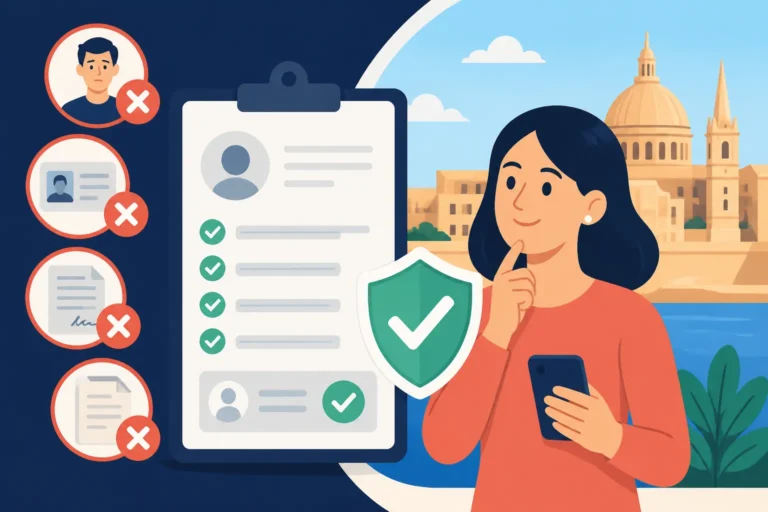
This is where you want to be prepared. Gathering your documents before you start the process will save you countless headaches and extra trips to Identità's offices in Marsa. What you need specifically can vary slightly based on your nationality and permit type, but here's a general list of what Identità usually asks for when you're changing your address:
- Your current eResidence Card: This is your primary identification and proof of existing residence.
- New Lease Agreement or Property Purchase Agreement: This is absolutely critical proof of your new residential address. Ensure the lease is properly registered with the Housing Authority, as Identità will often verify this. For non-EU citizens, remember the Lease Agreement Attestation Requirement for Non-EU Tenants in Malta.
- Utility Bill (Latest): A recent ARMS utility bill in your name for the new address can serve as additional proof of residency, though the lease is usually the primary document. If the utilities are still in the landlord's name, you might need a declaration from the landlord.
- Passport: Your valid passport might be required for identity verification, especially if you're a third-country national.
- Identità Application Form: There will be a specific form for changes of address, which you can usually download from their website or obtain at their offices. Fill it out completely and accurately.
It's always, always, always a good idea to bring originals and photocopies of everything. Even if they only ask for originals, having copies ready just in case they need to keep them or if a machine is down, is a life-saver. And make sure all documents are in English or Maltese, or officially translated if not.
The Online and In-Person Application Steps
Let's break down the actual steps you'll likely take, remembering that exact procedures can differ.
- Check the Identità Website: This is your first port of call. Go to the Identità website and look for the section on "Changes in Circumstances" or "Address Change." They usually have downloadable forms and a guide.
- Gather Your Documents: As mentioned above, get everything in order. Make copies!
- Online Declaration (if applicable): For many, especially EU/EEA citizens, there might be an option to initiate the change through the Identità online portal using your eID login. You might be able to upload scanned documents here.
- Booking an Appointment (if required): If you're a third-country national or if the online system directs you, you'll likely need to book an appointment to submit documents in person. The Identità booking system can be finicky; some applicants reportedly log in at midnight to grab a slot. Be persistent.
- In-Person Submission: Head to the Identità offices in Marsa (or possibly a regional office if available for your specific case, but Marsa is the main hub). Bring all your documents. Be prepared for a wait, even with an appointment. Staff will review your documents and process your request. You might be asked to sign a declaration.
- Biometrics (Rare for Address Change, but possible): While rare for a simple address change, if your eResidence card is also due for renewal soon, or if there's a significant change in your appearance not on file, they might ask for new biometrics.
- Collection of New eResidence Card: After processing, you'll typically receive an SMS or email notification that your new card is ready for collection, again usually from Identità in Marsa. This can take weeks, sometimes months.
A note on the lease agreement: Identità needs proof that your new residence is legitimate. If your lease isn't registered with the Housing Authority, this can cause issues. Ensure your landlord registers it promptly, as required by law under the Private Residential Leases Act. If you used a moving company like Sirelo for your big move, they might have resources or contacts who can advise on local registration specifics, though it's primarily your landlord's responsibility.
Navigating Status Changes with Identità
Beyond just moving house, life happens! You might get a new job, get married, have a baby, or even separate from a partner. All these significant life events can impact your residence status in Malta, especially for non-EU citizens, and it's essential to report them to Identità. It’s not just about updating a piece of plastic; it’s about maintaining the legal basis of your stay.
Changing Employment Status
This is a big one, especially for those on a Single Permit. Your Single Permit is intrinsically linked to your specific employment with a specific employer. So, if you change jobs, you absolutely must update Identità. This isn't just a courtesy; it's a legal requirement that often means applying for a new Single Permit or a variation of your existing one.
- Switching Employers: If you're changing employers, you generally cannot just start working for the new company. You need to apply for a new Single Permit. This usually involves your new employer initiating the process, often after your previous employer has informed Jobsplus of your termination. You can't just quietly transition; your legal right to work is tied to the permit for a specific role and company. The procedure for this is quite detailed and usually falls under Changing Employers on a Single Permit in Malta: The Rules or even needing a new permit if you switch jobs. Expect it to be a process, not a quick update.
- Becoming Self-Employed: If you decide to ditch the corporate grind and become a freelancer or start your own business, this is a significant status change. You'll need to apply for a Self-Employment in Malta: Registering a Business and Going Freelance permit. This is a completely different permit type and requires a full application, not just an update.
- Losing Your Job: If you lose your job, this also needs to be reported. What Happens to Your Permit If You Lose Your Job in Malta is a critical piece of information. There are usually grace periods to find new employment, but you cannot simply ignore it, as your right to reside might be impacted.
The key takeaway here is that any change to your employment, particularly for third-country nationals, is not a minor adjustment; it's a fundamental alteration to the conditions of your residence permit. Always consult the Identità guidelines or seek legal advice if you're unsure.
Marital Status and Family Composition Changes
Life partnerships are another area where Identità needs to be kept in the loop. These changes can affect your own permit, as well as the permits of any dependants.
- Getting Married (or Divorced): If you get married in Malta or abroad, and this impacts your surname or your eligibility for a spouse's permit, you'll need to inform Identità. For instance, if you were on a student permit and marry an EU citizen, your path to residence might change. Conversely, a divorce can also have implications, especially for those who gained residence through marriage to a Maltese or EU citizen. You'll need your marriage certificate (or divorce decree) and potentially a new passport if your name changes.
- Having Children: Congratulations, you've welcomed a little Malteser (or future Malteser!) into the world! Now, you need to ensure your child is registered for a residence permit, especially if they are not automatically Maltese citizens by birth. This often involves applying for a Family-Member Residence Permits for Joining Someone in Malta for your newborn, and it will require their birth certificate. This process usually links to How Do I Register a Newborn for Healthcare in Malta? too.
- Family Reunification: If you're bringing other family members to Malta, such as parents or siblings (under specific criteria), this falls under Family Reunification in Malta: Bringing Your Loved Ones. This is a separate application process entirely, not just a simple update, and requires proving financial means and adequate accommodation.
These changes are significant and often require presenting official certificates (marriage, birth, divorce) translated into English or Maltese. It's a bit like juggling, keeping all these official balls in the air, but it’s part of the expat journey.
Other Significant Life Events
Beyond employment and family, there are a few other scenarios where updating Identità is prudent or required:
- Change of Nationality: If you acquire a new nationality, you must update Identità. This is crucial for verifying your status, especially if it affects your EU/non-EU standing.
- Passport Renewal: While your eResidence card isn't tied directly to your passport number in the same way your permit is tied to your employment, if you renew your passport, it's a good idea to update Identità with the new passport details, as the old one is technically invalid. This is especially true if your permit specifies the old passport number.
- Name Change (for reasons other than marriage): If you legally change your name for any reason, you'll need to update all your official documents, including your eResidence card. This will require the legal document proving the name change.
In all these cases, the rule of thumb is: if it changes information on your eResidence card or the underlying conditions of your permit, notify Identità. It might mean a new card issue, but it's worth it for peace of mind.
Common Challenges and How to Overcome Them When Updating Identità
Let's be real: dealing with bureaucracy in a foreign country can be a soul-crushing experience. Malta, with its unique blend of charm and administrative quirks, is no exception. When it comes to updating your address or status with Identità, you're bound to hit a few snags. But forewarned is forearmed, and knowing what to expect can help you navigate these choppy waters with a bit more grace (and less shouting into the void).
Navigating the Identità Portal and Bureaucracy
Ah, the Identità portal. It's meant to be a convenience, but sometimes it feels like a maze designed by a particularly mischievous minotaur. You log in, forms are not where you expect them, links lead to dead ends, and error messages pop up without clear explanations. This is a common frustration, and you are not alone in feeling like you're speaking a different language than the system.
- Website Navigation: The portal's user interface isn't always intuitive. Forms might be nested under unexpected categories, or the search function might be less than stellar. My advice? Take a deep breath. Explore every menu. Sometimes, the form you need is buried under a generic "Other Applications" or "Change of Personal Details" section.
- Technical Glitches: From slow loading times to submission errors, technical issues can add layers of frustration. If you encounter persistent problems, try a different browser, clear your cache, or try again at a less busy time (early mornings or late evenings often work better).
- Booking Appointments: Booking appointments for in-person submissions can be a saga. Slots disappear faster than pastizzi on a Sunday morning. People often report having to check at specific times, like midnight or early in the morning, when new slots are released. Be patient, be persistent, and keep trying. It’s not a reflection of your competence, but simply how the system operates.
To truly conquer the portal, remember that patience is your most valuable asset. Keep screenshots of any errors or submissions for your records. If all else fails, a physical visit, even just to get clarity on the online process, might be your only recourse, frustrating as it is.
Dealing with Delays and Missing Documents
If there's one thing expats in Malta learn, it's the art of waiting. Identità processes can, at times, feel like they operate on island time, stretching from weeks into months, especially for new card issuance or complex status changes. And often, just when you think you're done, they'll ask for one more document.
- Expected Delays: After submitting an update, especially one that requires a new eResidence card, do not expect a speedy turnaround. Weeks, and sometimes months, are not uncommon. This can be particularly stressful if you need your updated card for travel or other administrative tasks. Plan ahead. If you know you're moving or changing jobs, start the process as early as possible.
- "Missing" Documents: You swore you submitted everything, but then you get an email (or worse, a letter to your old address) asking for a document you already provided. This happens. Systems aren't always perfect, and sometimes documents get misplaced or overlooked. The best way to mitigate this is to:
- Keep meticulous records: A digital folder on your computer with scans of everything you've ever submitted, dated and named clearly.
- Request confirmation: If possible, always ask for an acknowledgement of receipt for your documents, even if it's just a stamp on your copy.
- Be polite but firm: When asked for a document you know you've sent, calmly explain you've already submitted it and offer to resend/re-present.
This bureaucratic tango is part of the experience. It's annoying, but a calm, organised approach will serve you far better than frustration. Remember that even with potential delays, keeping your documentation for your residence permit in Malta up to date is key to avoiding further complications.
Language Barriers and Seeking Assistance
While English is an official language in Malta, and most Identità staff will speak it proficiently, sometimes technical or legal nuances can get lost in translation. Or you might simply prefer to have someone who understands the local system help you navigate.
- Clarifying Information: Don't hesitate to ask for clarification if you don't fully understand a question on a form or an instruction given by staff. It's better to ask twice than to make a mistake that causes further delays.
- Seeking Professional Help: For complex status changes, particularly those involving employment changes for third-country nationals, or family reunification, consider engaging a local immigration consultant or lawyer. While an added expense, their expertise can save you time, stress, and potential errors. They understand the intricacies and can often expedite processes or smooth over common issues. This is especially true if you're dealing with issues like How Do I Appeal a Residence Permit Refusal in Malta?.
- Community Support: The expat community in Malta is vibrant and generally very supportive. Facebook groups for expats in Malta are goldmines of shared experiences and advice. While not a substitute for official guidance, hearing how others tackled similar issues can provide valuable insights and a sense of solidarity. You'll often find people sharing tips on the best times to book Identità appointments or how they successfully navigated a tricky document request.
And if you're worried about private healthcare during any transition or delay, companies like Cigna Global offer excellent private health insurance options that can give you peace of mind, especially when you're unsure about your public healthcare access during a status change. It’s always good to have a backup plan for your well-being.
What Happens After You Update Your Details with Identità
You've done it! You've filled out the forms, submitted the documents, perhaps even endured a lengthy wait at the Identità offices. Now what? The process doesn't end the moment you walk out the door or click "submit." There's the waiting game, the collection of your new card, and understanding the ripple effects these updates have on your life here in Malta.
Receiving Your New eResidence Card
For most address or status changes, particularly if they involve a name change, a change in permit type, or new biometrics, you will eventually receive a brand-new eResidence card. This isn't usually an instant gratification kind of deal.
- The Notification: Typically, Identità will send you an SMS or an email when your new card is ready for collection. This notification will specify the collection point, which is usually their main offices in Marsa. Keep a close eye on your phone and email (and spam folder!), as sometimes these notifications can be brief or easily missed.
- Collection Process: When you go to collect your card, you'll need to bring your old eResidence card (if you have one) for surrender, and likely your passport for identification. The collection process itself is usually quicker than the submission part, but you might still encounter a short queue. Always double-check all the details on your new card before you leave the counter – your name, address, date of birth, permit type, and expiry date. Mistakes happen, and it's far easier to rectify them on the spot.
- Processing Times: As a rough guide, a simple address change might result in a new card in a few weeks to a couple of months. More complex status changes (like a new permit type due to employment change) can take longer, sometimes several months. Remember that these are estimates, and processing times can vary wildly depending on Identità's workload and national holidays. This is where the expat virtue of patience really comes into play!
Having your updated eResidence card is not just a formality; it's your key to accessing many services and confirming your legal status. It’s what you’ll use for everything from How to Open a Maltese Bank Account as a Newcomer to proving your identity for official purposes.
Impact on Other Services and Benefits
An update with Identità isn't an isolated event; it often has a knock-on effect on other aspects of your life in Malta. Think of your eResidence card as a central hub of your official existence here.
- Social Security and Healthcare: If your address or employment status changes, this can directly impact your Social Security Contributions in Malta and, consequently, your access to public healthcare. For instance, if you move from being employed to self-employed, your contribution class changes. Similarly, if your address changes, it might affect Which Health Centre Do I Go to After Moving to Malta?. Always inform the Department of Social Security and the Entitlement Unit if your circumstances affect your contributions or health entitlement.
- Tax Affairs: Your tax residence and any communication from the Inland Revenue Department (CFR) are linked to your registered address. An updated address ensures you receive your tax statements (like the FS3 or TA22/TA24 forms) and any correspondence regarding your income tax in Malta. If you've changed employment, your FSS (Final Settlement System) deductions will also be updated by your new employer, but the CFR needs your correct personal details.
- Banking: While many banks might not immediately require proof of an Identità address change, they will eventually ask for an updated proof of address (like a new utility bill in your name at the new address). Keeping your bank records consistent with your Identità records helps avoid issues, especially when renewing your bank's KYC (Know Your Customer) requirements.
- Utilities (ARMS): While ARMS (the utility provider) has its own registration process for electricity and water with ARMS and Enemalta in Malta, having your Identità details updated, especially your eResidence card number and official address, helps in getting the correct residential tariffs. Discrepancies here are a common pain point for expats who end up paying higher commercial rates simply because their residential status isn't properly registered or verified.
- Children's Schools: If you have children attending school in Malta, a change of address might impact their school catchment area or simply require updating their school records. Similarly, any changes in family composition (like a new child) need to be communicated to the relevant educational authorities.
In essence, your Identità updates are foundational. They feed into a multitude of other governmental and private services. Being proactive and thinking about these interconnected systems will save you from future bureaucratic headaches. Make a mental note (or better yet, a physical list!) of all the places where you need to update your address or status once your Identità documents are sorted. It’s a process, but it ensures your life here runs smoothly.
| Document/Status Change | Key Document Required (Primary) | Typical Processing Time (New Card) | Other Relevant Actions |
|---|---|---|---|
| Address Change | Registered Lease Agreement (new address) | 4-8 weeks | Update ARMS, banks, postal service |
| Employment Change | New Single Permit Application (new employer) | 8-16 weeks (full permit process) | Notify Jobsplus, new Social Security contributions |
| Marital Status Change | Marriage/Divorce Certificate | 4-12 weeks | Update passport (if name change), bank, tax |
| Newborn Child (permit for) | Birth Certificate | 8-16 weeks (new permit application) | Register for healthcare, Children's Allowance |
| Passport Renewal | New Passport | 4-8 weeks | Update bank, other official records (less urgent) |
Disclaimer
Please note that while every effort has been made to provide accurate and up-to-date information, immigration laws and administrative procedures in Malta can change. This guide is intended for informational purposes only and does not constitute legal advice. Always consult with Identità, Jobsplus, or a qualified immigration professional for advice tailored to your specific situation.