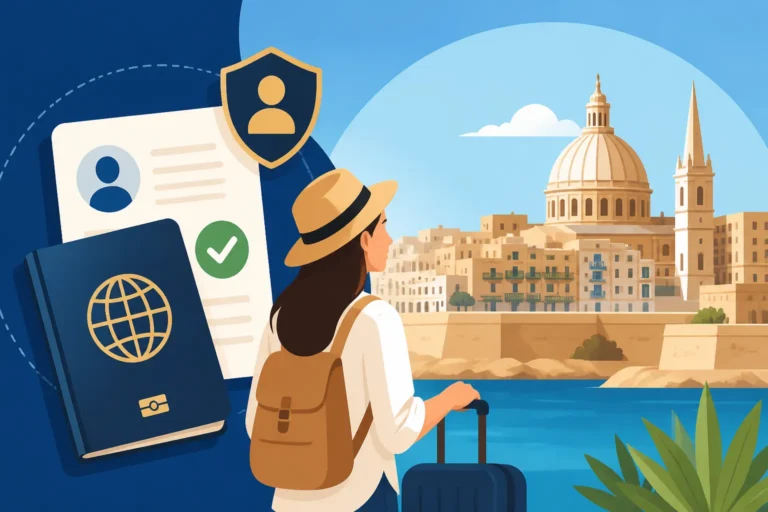
Visas, Appeals, and the Immigration Appeals Board in Malta
Oh, the sheer dread of opening an official letter from any government body, especially when it concerns your ability to live and thrive in a new country like Malta! Many of us expats have been there, our hearts sinking as we decipher bureaucratic language that often feels deliberately obscure. If you've ever faced a visa refusal, a permit challenge, or just felt completely overwhelmed by Malta's immigration system, this guide is for you. We'll demystify the process, explain your rights, and walk you through appealing decisions with the Immigration Appeals Board.
Understanding the Foundation: Visas Versus Residence Permits in Malta
Before diving into the complexities of appeals, it’s crucial to understand the fundamental difference between a visa and a residence permit in Malta. These terms are often used interchangeably by newcomers, leading to confusion and, sometimes, serious immigration issues. Getting this right is your very first step to a smooth stay.
The Short-Stay Schengen Visa: Your First Foot in the Door
For many non-EU nationals, a short-stay Schengen visa is often their first introduction to Malta, and indeed, to the Schengen Area as a whole. This visa allows you to enter and stay in Malta – and any other Schengen country – for a maximum of 90 days within any 180-day period. It's strictly for short visits: tourism, visiting family, short business trips, or even transit. It explicitly does not grant you the right to work or reside permanently.
Think of it as a temporary pass. It permits you to explore the stunning beaches, ancient temples, and vibrant cities for a limited time. However, this 90/180-day rule is firm and unforgiving. Exceeding it, even by a day, can have severe repercussions, from fines and deportation to future re-entry bans not just for Malta, but for the entire Schengen zone. Many keen travellers, excited by the island's charm, sometimes lose track of their days, which is a mistake that can derail future plans entirely.
The D-Visa National Long-Stay Visa: Bridging the Gap
Now, if your intention is to live in Malta for an extended period, perhaps for work, study, or family reunification, a short-stay visa simply won't cut it. This is where the D-Visa, or National Long-Stay Visa, often comes into play. The D-Visa is typically issued by Maltese embassies or consulates in your home country (or country of legal residence) and allows you to enter Malta for a longer, specific purpose before you can apply for your actual residence permit.
This visa is like a vital bridge. For example, if you've secured a job offer in Malta and have received "Approval in Principle" for a Single Permit, you'll often need a D-Visa to legally enter the country and complete the final stages of your residence permit application with Identità. It acknowledges your long-term intent, giving you legal entry and a temporary stay period while your main residence application is finalised. Without this, attempting to enter Malta on a short-stay visa with the intention of immediately applying for residence can be problematic and lead to questions from immigration officials upon arrival. If you're wondering, The D-Visa National Long-Stay Visa for Entering Malta covers this in more detail.
Residence Permits: The Long-Term Stay Solution
Unlike the temporary nature of visas, a residence permit is what truly allows you to live in Malta for an extended period, often years, and for a specific purpose like employment, studying, or joining family. These permits are issued by Identità (formerly Identity Malta), the official agency responsible for immigration and citizenship matters in Malta. Obtaining one is a comprehensive process that requires detailed documentation and meeting specific criteria related to your purpose of stay.
There are various types of residence permits, each tailored to different situations. The most common include the Single Permit (combining work and residence), the Student Residence Permit, the Nomad Residence Permit for digital nomads, and permits for family reunification. Each has its own set of requirements regarding income, accommodation, health insurance (private health insurance is often a mandatory requirement for non-EU permit holders, and services like Cigna Global are frequently used), and supporting documents. It’s a significant administrative undertaking, but once secured, it legitimises your long-term presence on the island and is the key to accessing services and building your life here. Understanding The Single Permit as a Combined Work and Residence Permit in Malta is often the starting point for many.
Navigating Initial Applications and Identità
So, you've decided to make the leap and move to Malta, or perhaps you're already here and need to regularise your stay. Your journey will inevitably lead you to Identità, the central authority for all things residence permits. It's a system that can be daunting, and frankly, a source of significant frustration for many expats. Patience, meticulous preparation, and a thick skin are your best allies.
The Identità Process: Application, Biometrics, and eResidence
The typical journey through Identità begins with submitting your application, often online, though some processes still require physical submission. This involves collating a mountain of documents – everything from your passport copies, marriage certificates, and birth certificates, to your employment contract, bank statements, and a copy of your registered lease agreement. Each document needs to be exactly as specified, often with certified translations if not in English. Missing just one obscure detail can send your application spiralling into delays.
Once your initial submission is reviewed, you'll usually be invited to an appointment to submit originals and undergo biometrics – fingerprinting and a photograph. This appointment, often booked weeks or months in advance, is a critical step. Make sure your passport is valid and accessible, and that you dress appropriately for the photo. After this, it’s a waiting game until your eResidence card is produced. For a full breakdown, check out Applying for an eResidence Document Through the Identità Portal. It’s easy to feel lost in the shuffle, but keeping detailed records of every interaction and document submitted is paramount.
Common Pitfalls and Delays in Visa and Permit Applications
Let's be brutally honest: delays are almost a rite of passage when dealing with Identità. The single most common pitfall, and the biggest cause of delays, is incomplete or incorrectly prepared documentation. Imagine a small paperclip missing from a stack of 50 documents; in some cases, that's enough to halt the entire process. Furthermore, demonstrating sufficient financial means is a recurring hurdle. Whether it’s proving you have enough savings as a self-sufficient person or showing a steady income through an employment contract, these requirements are rigorously checked.
Accommodation also presents unique challenges, particularly for non-EU nationals who often require an attested lease agreement. This means your landlord must register your lease with the Housing Authority and provide you with proof. Without this, your permit application simply cannot proceed. Processing times can stretch significantly, sometimes for months, especially during peak seasons or for complex cases. Managing your expectations and preparing for the long haul is key. If you're keen to dive deeper, Understanding Identità Processing Times and Delays offers valuable insights into what causes these frustrating hold-ups.
What to Do While Your Application Is Pending
The period between submitting your application and receiving your eResidence card can feel like an eternity, leaving many expats in a state of limbo. The burning question for most is: can I work or travel during this time? Generally, if you've applied for a Single Permit based on an "Approval in Principle" and have a D-Visa (if applicable), you might be allowed to start work. However, always seek explicit clarification from Identità or your employer's HR department, as this can vary.
When it comes to travel, the situation is even trickier. If you leave Malta while your application is still pending and you haven't received your eResidence card, re-entry can be complicated, if not impossible, especially if your initial D-Visa or permitted stay period has expired. Identità may issue a special letter confirming your application is under process, which might facilitate re-entry, but this is never guaranteed. Many advise against non-essential travel during this period. It’s a frustrating catch-22, but careful planning and knowing your status are crucial. For more details on this particular headache, look up Travelling While Your Maltese Permit Is Being Processed.
When Things Go Wrong: Refusals and Your Options
You’ve waited, you’ve hoped, and then the dreaded letter arrives: your visa or residence permit application has been refused. It’s a gut-wrenching moment, and it’s natural to feel disheartened, angry, or utterly confused. But this isn't necessarily the end of the road. Understanding why your application was refused and what recourse you have is paramount.
Common Reasons for Visa or Permit Refusal
Refusals aren't arbitrary, though they can certainly feel that way when you’re on the receiving end. The reasons are usually clearly stated in the refusal letter, and it's vital to dissect these points carefully. One common reason is a lack of sufficient funds – if Identità believes you cannot adequately support yourself (or your family), your application may be denied. Another frequent issue is incomplete or contradictory information, or worse, if authorities suspect false documentation has been provided. Even minor discrepancies between your application and supporting documents can raise red flags.
Public policy, public health, or national security concerns can also lead to refusals, especially if there are issues with your police conduct certificate or past immigration history. Not meeting the specific criteria for the permit type you applied for is another significant factor; for example, if your job role doesn't align with the requirements for a Key Employee Initiative permit. Lastly, inadequate accommodation, such as living in an overcrowded dwelling or having an unregistered lease, is a non-starter, particularly for family reunification permits. It’s a complex web, and each refusal is unique, but these are often the main culprits.
Receiving a Refusal Letter: The First Steps
The immediate aftermath of receiving a refusal letter can be emotionally charged, but it’s critical to remain calm and methodical. First and foremost, resist the urge to panic. Instead, read the refusal letter thoroughly, several times if necessary. It will explicitly state the reasons for the refusal, often citing specific articles of law or policy. These stated reasons are the foundation of any subsequent action you take, whether it’s reapplying or appealing.
Do not discard this letter; it’s your most important document moving forward. If anything is unclear, try to identify exactly which part of your application was deemed deficient. At this stage, it’s highly advisable to seek initial advice. While not everyone needs a lawyer for a simple reapplication, understanding the specific grounds of refusal will help you determine the best path. Don't be shy about reaching out to other expats who have faced similar challenges, but always cross-reference their advice with official sources or legal professionals.
Reapplying vs. Appealing: Which Path to Take?
Once you have a clear understanding of why your application was refused, you face a critical decision: should you reapply, or should you appeal the decision to the Immigration Appeals Board? The choice depends heavily on the nature of the refusal. If the refusal was due to a minor, easily rectifiable error – for instance, you forgot to include a bank statement, or a document needed an updated date – then reapplying might be the quicker and more straightforward option. You simply correct the deficiency and resubmit.
However, if you believe Identità made a factual error, misinterpreted your documents, or applied the law incorrectly, then an appeal is your proper course of action. An appeal challenges the original decision itself, arguing that it was flawed. This path is often more complex, time-consuming, and usually requires legal expertise. Crucially, both options come with strict time limits, which are non-negotiable. Missing a deadline for an appeal, for example, can permanently close that door. Therefore, understanding the specific legal and factual basis of your refusal is key to making an informed decision about your next move.
The Immigration Appeals Board (IAB): Your Right to Challenge
When all other avenues seem closed, or you genuinely believe an injustice has been done, the Immigration Appeals Board (IAB) stands as your last line of defence. It’s an independent body designed to review immigration decisions, offering a crucial layer of oversight to the often-opaque world of bureaucracy.
What is the Immigration Appeals Board and Its Role?
The Immigration Appeals Board is not part of Identità or the Passport Office; it's an autonomous quasi-judicial tribunal established to hear and determine appeals against decisions made by various immigration authorities in Malta. Its role is to ensure that these decisions are lawful, fair, and based on correct interpretations of facts and legislation. This independence is vital for ensuring impartiality in cases where you might feel the original decision-makers were mistaken.
The IAB is typically composed of a Chairperson and two members, who are usually legal professionals or individuals with extensive experience in administrative law. They review the evidence presented by both the appellant (you, the applicant) and the respondent (the immigration authority that made the original decision). It's a formal process, much like a court hearing, where you present your case and arguments for why the refusal should be overturned. This is a critical avenue for those who believe their case was mishandled, and it's your right to access it. For further reading, delving into Appealing to the Immigration Appeals Board in Malta can give you a clearer picture.
The Appeals Process: From Filing to Hearing
Initiating an appeal with the IAB involves strict adherence to procedures and deadlines. Typically, you have a very limited window – often as short as 15 days from the date you receive the refusal letter – to file your appeal. This is not a timeframe to take lightly. The appeal application must clearly state the grounds of appeal, detailing why you believe the original decision was wrong, and should be accompanied by all relevant supporting documents, including the refusal letter itself.
Once filed, the IAB will schedule a hearing. This is a formal proceeding where you (or your legal representative) will present your arguments, and the representative from the immigration authority will present theirs. You may be asked to give testimony or clarify points. It’s a serious affair, and being unprepared can be detrimental. The IAB will then consider all the evidence and arguments before delivering a decision, which could either uphold the original refusal or overturn it, sending the case back to Identità for reconsideration or granting the permit.
Here’s a quick overview of the key differences between reapplying and appealing:
| Feature | Reapplication | Appeal to Immigration Appeals Board (IAB) |
|---|---|---|
| Objective | Correct errors, submit new application. | Challenge the original refusal decision's validity. |
| Grounds | Minor omissions, easily fixable issues. | Factual error, legal misinterpretation, unfairness. |
| Cost | New application fees. | Appeal fees, potentially legal fees. |
| Timeline | Start fresh, new processing time. | Strict deadlines (e.g., 15 days), IAB process time. |
| Outcome | New decision based on corrected application. | Original decision overturned or upheld by IAB. |
| Complexity | Generally simpler, administrative. | More complex, quasi-judicial, often requires legal aid. |
| Risk | Still subject to refusal if issues persist. | If refused, limited further recourse (Judicial Review). |
Building a Strong Appeal: Evidence and Strategy
To succeed at the Immigration Appeals Board, you need to build a compelling and robust case. This means focusing your arguments precisely on the specific reasons for refusal stated in your letter. Don't rehash your entire life story; instead, systematically dismantle each point of the refusal with clear, undeniable evidence. For example, if your application was refused due to insufficient funds, provide updated, official bank statements, employment contracts, or letters from employers that unequivocally demonstrate your financial stability.
Crucially, while you can present new evidence, it should directly address the reasons for the original refusal. Simply adding a bunch of unrelated documents won't help. This is where legal representation becomes invaluable. An experienced immigration lawyer understands the nuances of Maltese immigration law, can articulate your arguments persuasively, and navigate the procedural complexities of the IAB. They can help you craft a strategy that maximises your chances of success. When considering your overall move to Malta, services like Sirelo can assist with the logistics of relocation, but for intricate legal challenges, specialized immigration legal advice is essential to avoid pitfalls that could lead to refusals in the first place.
Specific Scenarios and Related Issues
The journey through immigration in Malta isn't always linear. There are specific situations and issues that can arise, from accidental overstays to the complexities of bringing your loved ones to the island. Being aware of these can save you a lot of heartache and administrative headaches.
Overstaying Your Visa or Permit: Serious Consequences
This cannot be stressed enough: do not overstay your visa or permit in Malta. Whether it's a short-stay Schengen visa or a residence permit, exceeding your authorised period of stay carries severe and long-lasting consequences. At the very least, you face substantial fines. More seriously, you could face detention, deportation, and a re-entry ban not just for Malta, but potentially for the entire Schengen Area for several years. Imagine not being able to visit friends or family in any EU country because of a small oversight.
An overstay severely damages your immigration record and will make any future applications for visas or residence permits in Malta (or any other EU country) extremely difficult, if not impossible. It's a black mark that doesn't easily disappear. If you find yourself approaching the expiry date and your new permit isn't ready, immediately seek advice from Identità or an immigration lawyer. Do not wait until it's too late. The small fee for advice is nothing compared to the potential costs and lifelong impact of an overstay.
Updating Your Details with Identità
Life happens, and things change. You might move to a new apartment, get married, or change jobs. These seemingly minor life events have significant implications for your residence status in Malta, and it’s your responsibility to notify Identità of any changes. Forgetting to update your address, for example, can mean you miss critical correspondence regarding your permit renewal or status, leading to unforeseen complications.
The process for updating details usually involves submitting specific forms and supporting documents to Identità. For instance, a change of address requires proof of your new residence, like an updated lease agreement or utility bill. If you change employers on a Single Permit, you will almost certainly need to apply for a new Single Permit related to your new employment, or at least have your existing one amended. Failure to notify Identità of significant changes can be seen as misrepresentation or non-compliance, which could jeopardise your residence status down the line. To avoid unnecessary stress, it's always best to keep Identità in the loop. You can find more information on this vital step by looking up Updating Your Address and Status with Identità in Malta.
Navigating Permits for Family Members
Bringing your loved ones to Malta can be one of the most rewarding parts of your expat journey, but the family reunification process has its own set of administrative hurdles. For non-EU nationals, you generally need to demonstrate sufficient stable resources to support your family members without recourse to Malta's social assistance system, as well as adequate accommodation. The required income thresholds can be quite high, designed to ensure that new arrivals can truly integrate without financial strain.
Each family member, whether spouse or child, will require their own application and will need to meet specific criteria, including providing a robust health insurance policy. For many non-EU family members, securing private health insurance from reputable providers like Cigna Global is a non-negotiable requirement for their permit application. This ensures they have access to medical care and do not become a burden on the public healthcare system. Documentation proving your relationship – marriage certificates, birth certificates – must be official, sometimes apostilled or legalised, and often translated. It’s a detailed process that requires careful planning and significant financial preparation to ensure your entire family can legally reside on the island. For specifics on the insurance aspect, check out Private Health Insurance Requirements for Non-EU Permit Holders in Malta.
Seeking Professional Guidance and Support
Malta's immigration system, while clear in its written laws, can be bewildering in practice. There are times when navigating the bureaucracy alone feels like trying to row a dinghy through a storm. Knowing when to call in the experts can be the difference between a smooth resolution and prolonged frustration.
When to Hire an Immigration Lawyer or Consultant
While you can certainly try to navigate the initial permit application process on your own, there are specific scenarios where hiring an immigration lawyer or a reputable, licensed immigration consultant is not just helpful, but highly recommended. If your case is complex, if you have a history of previous refusals, if you face significant language barriers (though English is widely spoken in Malta, official documents can be tricky), or especially if you are appealing a decision to the Immigration Appeals Board, professional legal advice is invaluable.
A good immigration lawyer understands the intricate legal framework, can interpret vague refusal letters, and knows how to present your case most effectively. They can also represent you at hearings, which significantly reduces stress and increases your chances of a favourable outcome. Be sure to choose a lawyer or consultant who is properly licensed and has a strong track record in Maltese immigration law. While there's a cost involved, it often pales in comparison to the potential cost of delays, fines, or even deportation resulting from incorrect self-representation.
Other Support Networks and Resources
Beyond legal professionals, a wealth of informal support networks and resources exist that can offer practical advice and emotional support. Online expat forums and local Facebook groups for foreigners in Malta are vibrant communities where people share their experiences, tips, and warnings. While these shouldn't replace official advice, they can provide anecdotal evidence and help you feel less alone in your struggles. Many NGOs also offer support to migrants and asylum seekers, and while their primary focus might differ, they often have general knowledge about immigration procedures that can be helpful.
Always remember to cross-reference any information you receive. What worked for one person might not be applicable to your specific situation, as immigration rules are nuanced and constantly evolving. Use these networks for general guidance and community, but for specific legal questions or critical application steps, always consult official Identità resources or a qualified professional.
Moving Forward After Your Immigration Journey
Successfully obtaining your visa or residence permit is a huge milestone, but it's not the end of your immigration journey. Maintaining your status, planning for renewals, and understanding the long-term possibilities for residency and citizenship are crucial for a stable future in Malta.
Maintaining Your Status and Planning for Renewal
Your eResidence card has an expiry date, and marking that date prominently in your calendar is absolutely essential. Many expats find themselves scrambling at the last minute, only to discover that the renewal process is almost as extensive as the initial application. Start planning your renewal several months in advance of the expiry date. This means gathering updated documents, ensuring your financial situation still meets requirements, and confirming your accommodation details are in order.
Always keep meticulous copies of every single document you submit, as well as any official correspondence from Identità. This paper trail will be invaluable if there are any discrepancies or questions during your renewal. Remember, the onus is always on you to prove your entitlement to residence. The rules and requirements can change, so stay informed by checking the latest guidelines on the Identità website. For a more detailed walkthrough, Renewing Your Maltese Residence Permit Before It Expires is an excellent resource.
The Long-Term View: From Permit to Long-Term Residence and Citizenship
For those who envision a permanent life in Malta, understanding the pathway to long-term residence and eventually, Maltese citizenship, is an exciting prospect. After a continuous period of legal residence (typically five years for Long-Term Residence status), you may become eligible for a more stable status that offers greater rights and fewer renewal worries. This significant step provides enhanced security and integration into Maltese society.
The journey doesn't stop there. After accumulating a certain number of years as a legal resident, you might then be able to apply for Maltese citizenship through naturalisation. This process involves stricter criteria, including demonstrating good character, and in some cases, knowledge of Maltese language and culture. It's a testament to your commitment to the island and opens up a whole new world of opportunities as a full citizen of Malta and the European Union. For detailed information, exploring The Path to Long-Term and Permanent Residence in Malta is highly recommended.
Disclaimer
The information provided in this guide is intended for general informational purposes only and does not constitute legal advice. While we strive to provide accurate and up-to-date information, immigration laws and procedures in Malta are subject to change. It is essential to consult with Identità (the official immigration authority) or a qualified immigration lawyer for advice tailored to your specific situation. Reliance on any information in this guide is solely at your own risk.