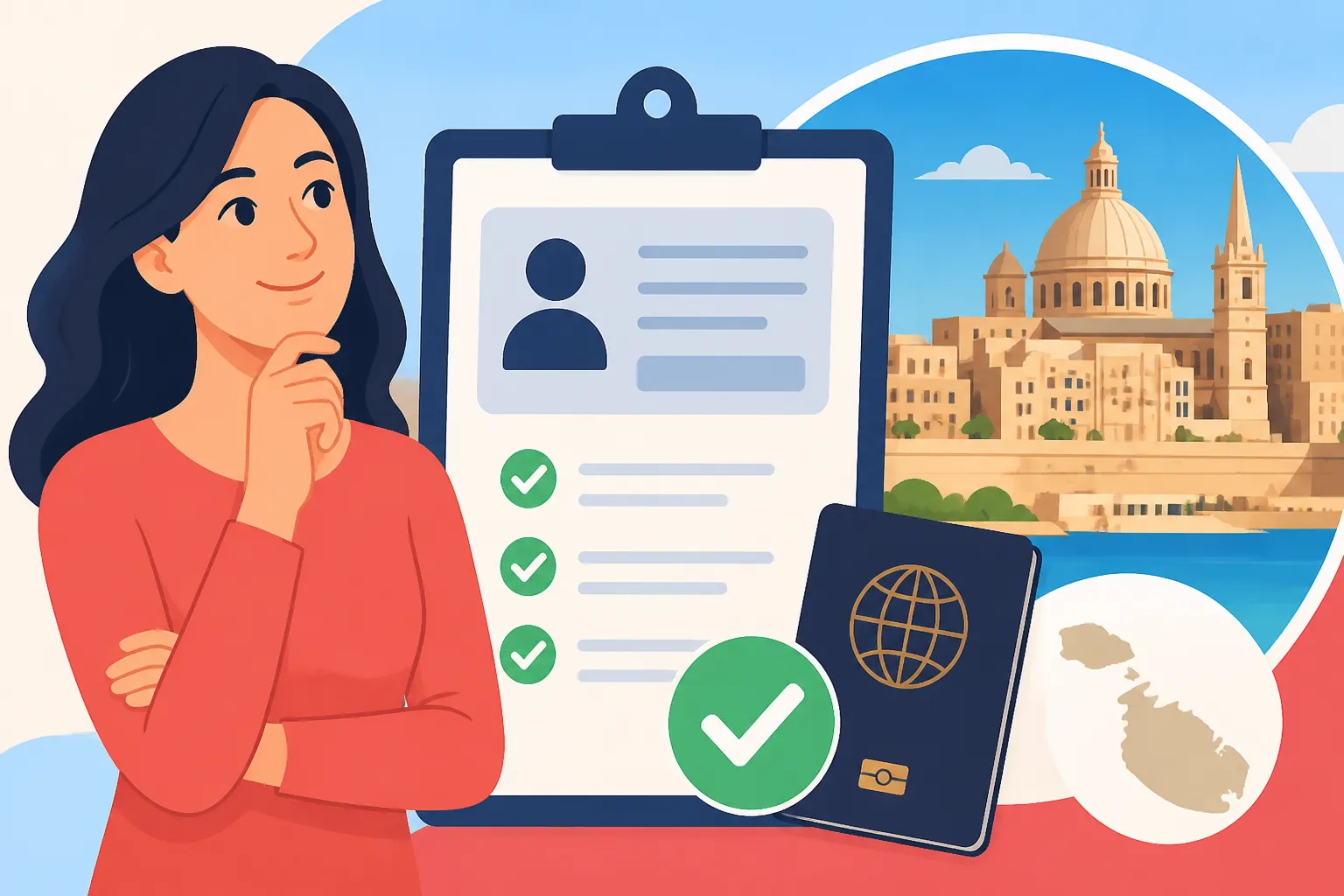
How Do I Apply for a Maltese Residence Permit?
Ah, the Maltese residence permit application – it’s a phrase that often conjures up a mixture of excitement about a new life and a healthy dose of dread about the paperwork. Many of us expats have been there, staring at forms, wondering if we’ve forgotten something crucial, or just feeling utterly overwhelmed by the process. This guide is here to demystify it all, offering a seasoned expat's perspective on how to apply for a Maltese residence permit, step by confusing step.
Understanding the Maltese Residence Permit Landscape
Before we dive into the nitty-gritty of the application itself, let's take a moment to understand what we're actually applying for. Malta, being a full member of the European Union, has different rules for EU/EEA citizens versus those coming from outside this bloc. If you’re an EU/EEA or Swiss national, your process is generally simpler, often involving a registration of residence rather than a full-blown permit application. You still need to register your presence and economic activity, but it's less daunting. However, if you’re coming from a third country – meaning outside the EU/EEA – then you absolutely need a residence permit to live and work here long-term.
The authority responsible for all things residence permits in Malta is called Identità (formerly Identity Malta). You'll hear that name a lot. They are the gatekeepers, the folks who review your documents, take your biometrics, and ultimately decide if you get to call Malta home. Their offices, located in Msida, become a familiar haunt for many during this process. It's easy to get frustrated with what can feel like a labyrinthine system, but understanding the various types of permits is your first weapon in this administrative battle.
There isn't just one "Maltese residence permit." Oh no, that would be too simple! There's a spectrum, each tailored to different circumstances. The most common one for those coming to work is the Single Permit. This little gem combines your work permit and your residence permit into one document, simplifying things slightly compared to some other countries. Then there are permits for students, for family reunification, for those on the Nomad Residence Permit, and for people under various other residence schemes. Each has its own set of criteria, and the trick is to identify exactly which one applies to you. For a deeper dive into the different categories, you might find our comprehensive guide on Residence Permits in Malta: Types, Requirements, and How to Apply incredibly helpful. Knowing which path you're on from the start can save you a world of headaches later down the line.
The Step-by-Step Application Process for Non-EU Citizens
Alright, let's get down to business. While each permit type has its specific nuances, there’s a general framework for how to apply for a Maltese residence permit that applies to most non-EU citizens. We'll focus on the Single Permit here, as it's the most common route for those moving to Malta for work.
Pre-Application Considerations: Laying the Groundwork
Before you even touch an application form, there are a few critical pieces you need to have in place. Think of these as your foundations; without them, the whole house of cards might tumble.
First and foremost, if you’re coming to work, you absolutely need a job offer from a Maltese employer. This isn't a "come and look for work" kind of country for non-EU citizens. Your prospective employer plays a huge role in the Single Permit application, often initiating the process on your behalf by submitting an initial application to Identità. They need to prove they couldn't find a suitable local or EU candidate for the role. This might involve advertising the position for a certain period, which is a requirement for employers hiring non-EU nationals. Make sure your employer is fully aware of their responsibilities in this process; a proactive HR department can make your life significantly easier.
Secondly, you need a place to live, or at least a plan for accommodation. Identità needs to see proof that you won't be homeless! This usually means a signed rental agreement or a promise of sale if you're buying. The address on this document will be tied to your residence, so ensure it’s accurate. Remember, your lease agreement might even need attestation, especially for non-EU tenants, as part of your permit application.
Finally, financial stability is key. You need to demonstrate that you can support yourself (and any dependants you bring) without becoming a burden on the Maltese state. This usually involves showing bank statements, your employment contract detailing your salary, and sometimes even a declaration of adequate financial means. The exact thresholds can vary, so it’s always best to check the latest guidelines directly on the Identità website. This also brings up the crucial topic of health insurance, which is mandatory for non-EU permit holders. Don't skimp on this! A good private policy, such as one from providers like Cigna Global, will ensure you meet the requirements and, more importantly, have peace of mind should you need medical care. You can learn more about Private Health Insurance Requirements for Non-EU Permit Holders in Malta to ensure you're fully covered.
Gathering the Mountain of Documents: Your Paper Trail
This is where the real fun begins – collecting the paperwork. You'll often feel like Identità needs your entire life story on paper, and honestly, they kind of do. Accuracy and completeness are paramount here. Missing even one seemingly small document can lead to frustrating delays and requests for further information.
Here’s a typical list of what you might need, though always, always refer to the specific checklist for your permit type on the Identità website, as it can change:
- Application Form: Duly filled and signed. Make sure every box is complete and legible.
- Copy of Passport: All pages, not just the data page. Ensure your passport has sufficient validity (usually at least 6 months beyond your intended stay).
- Passport-sized Photos: Recent, colour, against a white background, and meeting specific biometric standards. Don't underestimate this; Identità is particular.
- Employment Contract: Signed by both you and your employer, detailing your position, salary, and terms of employment.
- Jobsplus Engagement Form: This is usually filled out by your employer, confirming your employment registration.
- Employer’s Declaration: A letter from your employer confirming your employment and sometimes justifying the need to hire a third-country national.
- CV/Resume: Up-to-date and reflecting your professional experience.
- Educational Certificates & Qualifications: Copies of your degrees, diplomas, and any relevant professional certifications. These might need to be apostilled or legalised depending on your country of origin.
- Police Conduct Certificate: A certificate proving you have no criminal record. This is a big one and needs to be from your country of origin and sometimes also from Malta if you've been here on another visa.
- Proof of Accommodation: As mentioned, a rental agreement or property deed.
- Proof of Financial Means: Bank statements, payslips, or other evidence of sufficient funds.
- Health Insurance Policy: A comprehensive policy covering medical expenses, hospitalization, and repatriation. This is a non-negotiable for non-EU permits.
- Original D-Visa: If you entered Malta on a long-stay D-Visa for work, you’ll need a copy of this.
This list can feel overwhelming, like a treasure hunt where the treasure is your right to live here! When you're dealing with all these documents, especially if you've shipped your belongings with a company like Sirelo, it's easy for things to get lost in translation or in transit. Take your time, make copies of everything, and use a checklist. You can get more details on What Documents Do I Need for a Maltese Residence Permit? to ensure you haven't missed anything.
Submitting the Application: The Official Handover
Once your document portfolio is ready, it's time to submit it. For many permit types, particularly the Single Permit, your employer will initiate the application online through the Identità portal. Once they've submitted their part, you’ll typically be invited to submit your supporting documents, either by uploading them to the portal or by attending an appointment.
Attending an appointment at Identità can be a test of patience. The booking system itself can sometimes be a challenge, and once you're there, expect queues. Always arrive early and with all your original documents, as well as clear copies. Even if you've uploaded everything online, they often want to see the originals for verification. This is also the stage where you will provide your biometric data – your fingerprints and a digital photograph. This data is essential for your eResidence Card. If you're wondering Where Do I Give My Fingerprints for a Maltese Permit?, it's typically at the Identità offices during one of your appointments.
After submission, you enter the dreaded "waiting game." This is a period of anxious anticipation, where checking your email becomes a national sport. Identità will process your application, sometimes reaching out for clarification or additional documents. Be diligent in responding to any requests promptly. The processing times can vary widely, from a few weeks to several months, depending on the permit type, current caseload, and the completeness of your application. Patience, my friend, is your greatest virtue during this time. You can get a better idea of what to expect by looking at How Long Does Identità Take to Decide a Residence Permit?.
Common Pitfalls and How to Navigate Them
Even with the best preparation, the application process for a Maltese residence permit can throw a few curveballs your way. It's not uncommon to hit snags, but knowing what to look out for can help you navigate them more smoothly.
The Dreaded "Missing Document" Email
Picture this: you've submitted everything, you're patiently waiting, and then ping – an email from Identità asking for a document you swore you included, or one you didn't even know you needed. This is incredibly common. The best way to deal with it is to respond immediately and provide exactly what they ask for. Don't assume anything; if they ask for "proof of accommodation," and you sent a rental contract, but they still ask, it could be that a specific clause or signature was missing, or perhaps they need an attestation. Always ask for clarification if you're unsure what they mean. Sometimes, they might ask for a document that wasn't on the original checklist. While frustrating, it's part of the process, and quick compliance is key.
Delays and Managing Expectations
One of the biggest frustrations for expats is the unpredictability of processing times. You might hear from a friend that their permit was approved in six weeks, while yours drags on for three months. Various factors influence this, including the volume of applications, staffing levels at Identità, and the complexity of your individual case. During these periods, it’s natural to feel anxious. While you can send polite follow-up emails if the processing time significantly exceeds the typical timeframe, constant badgering rarely speeds things up and can even be counterproductive. Trust that your application is in the system, and be prepared for potential delays. During this waiting period, many wonder, Can I Stay in Malta While My Residence Permit Is Being Processed?. Generally, if you've submitted a valid application before your previous permit (or visa) expires, you are often allowed to stay in Malta until a decision is made, but it's crucial to confirm this with Identità, especially if you plan to travel.
Language Barriers and Communication Nuances
While Malta is predominantly English-speaking, especially in official capacities, some nuances in communication or official documents might still catch you off guard. Always double-check any instructions or requests you receive. If you're unsure about a specific term or requirement, don't hesitate to seek clarification. If you're using an immigration advisor (which many do for peace of mind), they can be invaluable here. The goal is to avoid misinterpretations that could lead to further delays.
Changing Circumstances During Application
Life happens, even when you're waiting for a residence permit. You might move house, change jobs, or get married. If any of your core information changes while your application is pending, you must inform Identità immediately. Failing to do so can lead to serious issues. For example, if your address changes, your eResidence Card will be issued with the wrong address, causing problems for everything from utility bills to accessing healthcare. Keep them updated, even if it feels like more paperwork.
After Your Permit is Approved: What's Next?
The moment of approval is a huge relief – congratulations! But the journey isn't quite over. There are still a few crucial steps to take to fully embed yourself in Maltese life.
Collecting Your eResidence Card
Once your permit is approved, you'll receive a notification, usually by email or through the online portal, informing you that your eResidence Card is ready for collection. This is your official ID card in Malta, a physical manifestation of your right to reside here. You'll need to go back to Identità in Msida to pick it up. Make sure to bring your passport for identification. The card will have your photo, personal details, and a unique Maltese ID card number. Understanding When Will I Receive My eResidence Card in Malta? can help you plan this final step.
Important Next Steps: Settling In Properly
Receiving your eResidence Card with its unique ID number is your golden ticket to unlocking many other essential services and integrating into Maltese society.
First, your Maltese ID card number (sometimes called your residence card number) is fundamental for practically everything else. It's your identifier for tax purposes, for accessing healthcare, and for interacting with most governmental services. It’s what allows you to, for example, register for the public healthcare system. Our guide on Getting Your Maltese ID Card Number: The Key to Accessing Healthcare provides more insight into its importance.
Next up, healthcare. With your permit and ID number, you can then proceed to register for public healthcare. If you're employed and paying social security contributions, you are typically entitled to access the public healthcare system, which is largely free at the point of use. This involves registering at your local health centre and choosing a General Practitioner (GP). It’s a crucial step for your well-being in Malta. You can find detailed steps on How Do I Register for Free Healthcare in Malta?.
You’ll also need to ensure your tax affairs are in order. Your employer will handle your income tax deductions (FSS) directly from your salary, but it’s still important to understand the Maltese tax system. You'll need a Tax Identification Number (TIN), which is often generated automatically when you register for social security, but it's good to confirm.
Finally, don't forget practicalities like setting up your utilities properly with ARMS, opening a local bank account (which can be notoriously difficult without a residence permit and ID card number), and ensuring your mobile phone and internet are sorted. These might seem minor, but they significantly impact your daily comfort and administrative ease.
The journey to obtaining a Maltese residence permit can be long and, at times, frustrating. But with careful preparation, patience, and a good understanding of the process, you'll soon be holding that precious eResidence Card and truly calling Malta your home. Welcome to the island life!
Disclaimer
The information provided in this guide is for general informational purposes only and does not constitute legal, financial, or immigration advice. While we strive to keep the information up-to-date and accurate, regulations and procedures in Malta can change frequently. It is always recommended to consult with official sources, such as Identità (Malta's agency for identity, citizenship, and residence) or a qualified immigration lawyer, for the most current and specific advice tailored to your individual situation.