Can My Children Join Me in Malta?
One of the biggest worries for any expat considering a move to Malta is, naturally, how to bring their family along. You dream of sun-kissed beaches and a vibrant new life, but the thought of navigating another country's immigration system with children in tow can feel like scaling Mount Everest in flip-flops. Rest assured, it is absolutely possible to have your children join you here, but the process, like many administrative tasks on the island, requires patience, precise documentation, and a clear understanding of the rules. This guide will walk you through everything you need to know, from the initial application hurdles to settling your little ones into their new island home.
Understanding the Legal Basis for Family Reunification in Malta
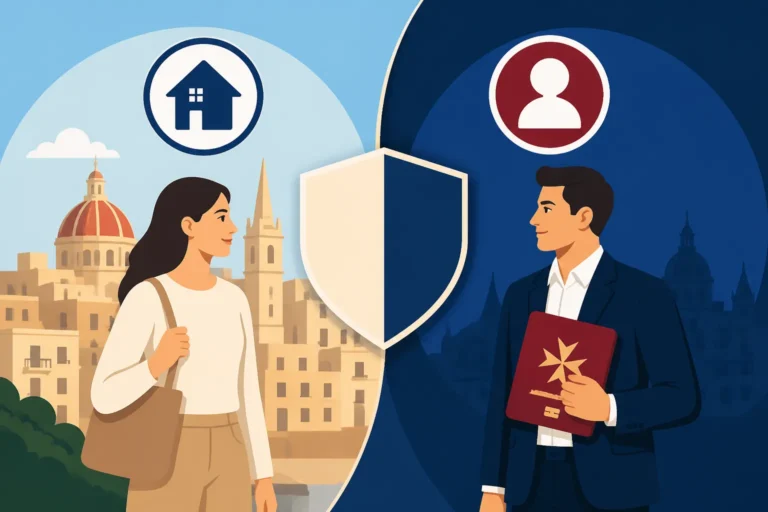
The foundational principle for bringing your children to Malta largely depends on your own residence status. Are you an EU/EEA/Swiss national, or do you hail from a non-EU country? This distinction is crucial, as the regulations, required documentation, and processing times can differ significantly. For both categories, however, the Maltese authorities, primarily Identità (the national agency responsible for identity, passports, and residency), require proof of your ability to support your children, provide suitable accommodation, and ensure their well-being. It’s not just about ticking boxes; it's about demonstrating that Malta will be a safe and stable home for them.
Family Reunification for EU/EEA and Swiss Nationals
If you’re an EU/EEA or Swiss citizen exercising your right to free movement, bringing your children to Malta is generally more straightforward than for non-EU nationals. Your children, as direct family members, also benefit from these rights. However, "straightforward" in Malta doesn't mean "instant." You still need to register their presence and obtain their eResidence documents. The key here is proving your own residence and the familial link.
You’ll typically need to provide your children's birth certificates to demonstrate their relationship to you, along with your own valid passport or national ID card. They will also need their own valid travel documents. The process usually involves making an appointment at Identità, submitting the forms, and undergoing biometrics. It’s important to note that while the rights are clear, the administrative steps can still feel a bit like wading through treacle. Don't expect to walk in and out in an hour; prepare for waiting times and potential requests for additional information. It’s a good idea to bring extra copies of everything, just in case.
Family Reunification for Non-EU Nationals
For those of us from outside the EU/EEA/Switzerland, the process is governed by specific family reunification provisions under Maltese immigration law. This route is often more demanding, with stricter criteria regarding income, accommodation, and the duration of your own permit. Your ability to sponsor your children is tied directly to your primary residence permit, such as a Single Permit. The authorities want to ensure that if they grant residence to your children, you can genuinely provide for them without relying on the Maltese welfare system. This means demonstrating a stable income and adequate housing.
The waiting period for family reunification applications for non-EU nationals can sometimes be lengthy, and decisions are made on a case-by-case basis. It's not uncommon to hear stories of families waiting months, even up to a year or more, for approvals. This can be incredibly frustrating, especially if your children are waiting in your home country. Planning is paramount here. Start gathering your documents and understanding the specific requirements well in advance of your desired move date. For a deeper dive into the overall process, you might want to read our guide on Family Reunification in Malta: Bringing Your Loved Ones.
Key Requirements for Bringing Your Children
Regardless of your nationality, there are several universal requirements you’ll need to meet when you want your children to join you in Malta. These are designed to ensure the welfare of the children and the stability of their new life. It’s not enough to simply say you’ll provide; you have to prove it with documentation.
Proof of Relationship and Identity
This is perhaps the most fundamental requirement. You must unequivocally demonstrate that the children are yours and that you have legal guardianship.
- Birth Certificates: Certified copies of your children's birth certificates are essential. These usually need to be apostilled or legalised by the appropriate authority in the country where they were issued, and then translated into English or Maltese by a recognised translator if they aren't already in one of those languages. This step can be a bureaucratic headache, so start early.
- Passports/Travel Documents: Each child will need a valid passport or national identity card (for EU/EEA/Swiss citizens) that has sufficient validity remaining, usually at least six months beyond the expected duration of their stay or permit.
- Custody/Guardianship Documents: If you are a single parent, or if there are specific custody arrangements, you will need legal documents proving you have sole or shared custody and the legal right to bring the children to Malta. This is especially important for ensuring that both parents consent to the move, preventing international child abduction issues.
Financial Sufficiency and Accommodation
Malta wants to ensure that children joining their parents will be financially supported and housed appropriately. This is where many non-EU applications can hit snags.
- Stable Income: For non-EU nationals, you will need to demonstrate a consistent and sufficient income that can support your entire family without recourse to public funds. Identità publishes specific thresholds, which are updated periodically. These thresholds usually involve a base amount for the primary applicant, plus additional amounts for each dependent. For example, in recent years, the threshold for a single applicant might be around the minimum wage, with an added percentage (e.g., 20-25%) for each dependent. This proof often comes in the form of employment contracts, recent payslips, and bank statements.
- Adequate Accommodation: You must prove you have suitable accommodation for your family. This means providing a registered rental agreement (Private Residential Lease Act registration is crucial) or proof of property ownership. The property must be large enough to comfortably house your family according to Maltese housing standards. For instance, a one-bedroom apartment might be considered suitable for a single person or a couple, but certainly not for a family with children. Expect to need at least two bedrooms for a family with one or two children. The authorities might even conduct checks to verify the living conditions. You'll need to make sure your lease is attested if you are a non-EU national, as this is a key document for your residence permit. This is also covered in What Accommodation Do I Need to Reunite My Family in Malta?.
- Health Insurance: This is a non-negotiable, particularly for non-EU nationals and sometimes even for EU nationals if they are not yet fully integrated into the public healthcare system through social security contributions. Your children will need private health insurance coverage for the duration of their stay, at least until they become eligible for public healthcare. This insurance must meet specific minimum coverage requirements set by Identità. Providers like Cigna Global offer expat health insurance tailored for international moves, which can cover these requirements. Ensuring comprehensive cover for your children’s health is not just a legal requirement but also a vital peace of mind, especially given the costs of private medical care in Malta if you don't have public entitlement.
| Requirement Area | EU/EEA/Swiss Nationals | Non-EU Nationals | Common Documentation |
|---|---|---|---|
| Proof of Relationship | Less stringent, familial link assumed | Highly stringent | Certified birth certificates (apostilled/legalised) |
| Identity/Travel Docs | Valid passport/ID card | Valid passport (with sufficient validity) | Passport copies, previous visa stamps |
| Custody | Required if not both parents | Required if not both parents present | Court orders, parental consent forms |
| Financial Sufficiency | Generally assumed if parent is working/self-sufficient | Strict income thresholds for primary applicant + dependents | Employment contract, payslips, bank statements |
| Accommodation | Registered lease/ownership | Registered lease/ownership (size criteria apply) | Rental contract, property deed, ARMS utility bill |
| Health Insurance | EHIC (initial) or public entitlement | Mandatory private health insurance | Insurance policy document from provider like Cigna Global |
| School Enrollment | Recommended for speedy integration | Often requested for proof of child's activity | Provisional acceptance letter, school registration |
| Police Conduct Cert. | Not usually for children | Not usually for children, but for parents | (For parent) Clean police record from home country |
School Enrollment or Activities
While not always a strict pre-requisite for the residence permit itself, demonstrating that your children will be enrolled in school or participating in other appropriate activities is highly recommended. It signals to the authorities that you are serious about integrating your family into Maltese society.
- Public vs. Private Schools: Malta offers state, church, and independent (private) schools. State schools are free, but spaces can be limited, especially in popular areas. Church schools are also free but require an application process often based on a ballot system. Private and international schools (such as Verdala International School or QSI International School of Malta) charge tuition fees. Having a provisional acceptance letter or proof of application from a school can significantly bolster your family reunification application. You can explore options in Schools in Malta: State, Church, and Independent Options.
- Childcare and Activities: For younger children not yet in compulsory schooling, proof of enrollment in a registered childcare facility or participation in organised activities can also be beneficial.
The Application Process with Identità
Navigating Identità, the agency responsible for residence permits, can be one of the most challenging aspects of moving to Malta. It’s infamous for its long queues, sometimes unclear communication, and requirements for seemingly endless documentation. My advice? Breathe, prepare, and double-check everything.
Step-by-Step for Family Reunification Applications
- Gather All Documents: Before you even think about making an appointment, ensure you have every single document listed above, plus multiple copies of each. This includes birth certificates, passports, marriage certificates (if applicable to prove the relationship of the parents), your current Maltese residence permit, proof of income, and your housing contract. All foreign documents must be translated into English or Maltese and often apostilled or legalised.
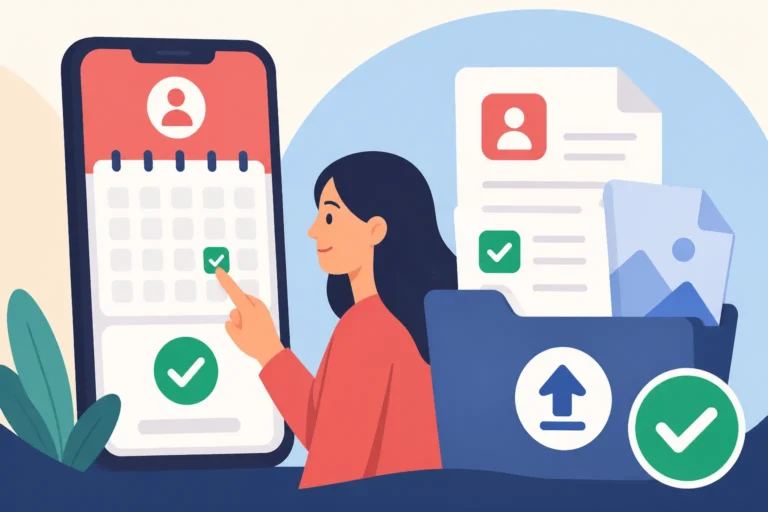
- Complete the Application Form: You’ll need to download and meticulously fill out the specific Family Member application form from the Identità website. Do not leave any fields blank; if something isn't applicable, write N/A.
- Book an Appointment: This is often done online through the Identità portal. Appointments can be hard to come by, especially during peak seasons, so book as far in advance as possible. It’s frustrating when you have everything ready but can't get an appointment for weeks.
- Attend the Appointment: On the day, arrive early. Bring all your original documents and the copies. The Identità staff will review your application, take your children’s biometric data (fingerprints and photo), and process the fees. Be prepared for potential questions and requests for additional documents on the spot. This is where patience is truly a virtue.
- Await Processing: Once submitted, your application enters the processing queue. This is where the notorious waiting times come into play. You can sometimes track your application status online, but don't expect real-time updates. The wait can be anywhere from a few weeks to several months, and sometimes even longer for non-EU citizens. The lack of transparency during this stage can be incredibly stressful, especially when you have children's lives hanging in the balance.
- Collection of eResidence Card: Once approved, you will typically receive an SMS or email notification to collect the eResidence cards. This usually requires another appointment at Identità. Make sure to check the card details carefully upon collection to ensure all information is correct. This card is your children's official proof of residence in Malta and will be needed for things like school enrollment, doctor's appointments, and travel. For details on your own card, you can refer to The eResidence Card: What It Shows and How to Read It.
Common Challenges and How to Overcome Them
The family reunification process, particularly for non-EU families, is rarely a walk in the park. Here are some common hurdles and how to approach them:
- Long Processing Times: This is probably the most cited frustration. The best strategy is early and thorough preparation. Apply as soon as you meet all criteria and have all documents in order. Avoid travel plans for your children that depend on the permit being approved by a certain date. If your children are waiting abroad, this delay can cause significant anxiety.
- Documentation Issues: Identità is known for being very particular. Missing one small signature or an un-apostilled document can send your application back to square one. My advice: use a checklist, get everything certified, translated by official means, and bring extra copies. When in doubt, call Identità (though getting through can be a challenge!) or seek advice from a reputable immigration consultant.
- Income and Accommodation Requirements: For non-EU nationals, meeting the financial thresholds and proving adequate housing can be tough, especially in Malta’s competitive rental market. Make sure your employment contract is clear, your payslips are consistent, and your bank statements reflect your ability to support your family. Your rental agreement needs to be legally sound and registered with the Housing Authority; an unregistered lease will cause problems. Remember to include your dependents in your lease agreement or get an official letter from your landlord stating they reside there.
- Communication Gaps: Sometimes, it feels like you're speaking different languages, even when both sides are speaking English. Don’t be afraid to ask for clarification, politely and persistently. Keep a detailed record of all correspondence and submissions.
- Changing Rules: Like many immigration systems, Malta's rules can evolve. What was true last year might be slightly different this year. Always refer to the latest information on the Identità website or consult with professionals.
It's also worth thinking about the practicalities of a move, especially with kids. Companies like Sirelo can help with the logistics of moving your belongings, reducing one less stress point during this busy period.
Settling Your Children into Life in Malta
Once the eResidence cards are in hand, the real fun begins: integrating your children into Maltese life. This island offers a unique experience, but it also has its quirks.
Education and Social Life
- School Integration: As mentioned, enrolling your children in school is crucial. State schools follow the Maltese curriculum, which includes compulsory Maltese language lessons. Private and international schools often follow British or international curricula and usually have English as the primary language of instruction. Children adapt quickly, but be prepared for a period of adjustment. Finding a good school community can significantly ease their transition.
- Language Barrier: English is an official language and widely spoken, especially in urban areas and schools. However, knowing some basic Maltese phrases can help children (and adults!) feel more connected to the local culture. For younger children, language immersion happens quickly in school.
- Extracurricular Activities: Malta has numerous sports clubs, dance schools, art classes, and youth organisations. Encouraging participation in these can help your children make friends outside of school and discover new hobbies. Football, swimming, and scouting are popular.
- Making Friends: Maltese children are generally friendly and welcoming. Many expat families also actively seek out other international families for playdates and support networks. Facebook groups for expat parents in Malta are excellent resources for this.
Healthcare Access for Children
Once your children have their eResidence cards and you are contributing to social security, they will generally be entitled to access Malta’s public healthcare system. This includes services at local health centres and Mater Dei Hospital.
- Registering at a Health Centre: You’ll need to register yourself and your children at your local health centre. This usually means choosing a General Practitioner (GP) for your family. Our guide on Registering with a Health Centre and Choosing a GP in Malta can help with this.
- Well-Baby Clinics and Vaccinations: For infants and young children, Malta has well-baby clinics that offer regular check-ups, vaccinations, and advice for new parents. The National Immunisation Schedule for Children in Malta is comprehensive.
- Emergency Care: In case of emergencies, you can take your child to the Accident and Emergency department at Mater Dei Hospital or call 112 for an ambulance. Emergency treatment is generally free at the point of use for entitled individuals.
- Dental and Eye Care: Public dental care is limited, mostly to emergencies and basic children's services. Most expats opt for private dentists. Eye exams for children are often covered through public schemes or private insurance, and there are plenty of opticians across the island.
Ensuring your children are covered by a robust health insurance plan, whether public or private, is paramount. Private health insurance, such as through Cigna Global, can offer quicker access to specialists and a wider choice of private clinics, which many expat families find beneficial, especially during the initial settling-in period or for specific needs.
Final Thoughts for Parents
Bringing your children to Malta is a significant life step that comes with its unique set of challenges and immense rewards. The administrative hurdles can be taxing, and the waiting periods can test your patience, but the end result—a new life for your family on a beautiful, diverse, and relatively safe island—is often worth it.
Remember to be prepared, stay organised, and seek support from other expat families or professional services when needed. Embrace the process, bureaucratic quirks and all, and look forward to seeing your children thrive in their new Mediterranean home. From adapting to the Maltese sun to making new friends at school, their journey will be as much an adventure as yours.
Disclaimer
The information provided in this guide is intended for general informational purposes only and does not constitute legal or immigration advice. Regulations in Malta are subject to change, and individual circumstances may vary. It is highly recommended to consult with Identità (the national agency for identity, passports, and residency) or a qualified immigration lawyer or consultant for the most accurate and up-to-date information regarding your specific situation.