Can I Stay in Malta After Divorcing My Maltese Spouse?
Going through a divorce is one of the toughest things anyone can experience, and when you’re an expat in Malta, it can feel like the ground beneath your feet has just given way. Beyond the emotional turmoil, there's the terrifying uncertainty about your legal right to remain in the country, especially if your residence permit was directly linked to your Maltese spouse. This guide aims to shed some light on the various pathways available to you, providing practical advice and empathetic understanding on how you might be able to secure your future here in Malta, even after your marriage has ended.
Understanding Your Current Residence Status in Malta
First things first, let’s be brutally honest: if your residence in Malta was solely dependent on your marriage to a Maltese citizen, a divorce absolutely throws a wrench into things. This is often the case for non-EU/EEA nationals who gained their residence permit through family reunification. It’s a terrifying prospect, but it’s crucial to understand that divorce does not automatically mean immediate deportation or that you have to pack your bags tomorrow. Malta's immigration authorities, Identità (formerly Identity Malta), do consider individual circumstances, but the process of securing independent residence will require proactive steps from your side.
The key here is understanding the basis of your current permit. Was it a family reunification permit? Was it a single permit that also covered your family members, but where you were the dependent? Or perhaps you had an independent work permit from the start? These distinctions are vital. If your permit explicitly states it's tied to your spouse, Identità will eventually need to be informed of your change in marital status. This is often an overlooked detail when you're caught up in the emotional maelstrom of a separation, but ignoring it can lead to bigger problems down the line. Many expats assume that as long as their physical eResidence card is valid, they’re fine. But the underlying legal basis for that card might have shifted.
Consider a common scenario: you moved to Malta on a family reunification visa or permit, sponsored by your Maltese husband or wife. Your right to reside was contingent on that marital bond. Once that bond is legally severed through divorce, your original permit technically loses its foundation. This doesn't mean you're instantly an illegal resident, but it does mean your existing permit will likely not be renewed on the same basis, and you'll need to apply for a new type of permit that reflects your independent status. It’s a huge administrative headache on top of everything else you’re going through, and the sense of vulnerability can be overwhelming. But please know, there are routes to explore.
Exploring Alternative Residence Pathways Post-Divorce
So, the marriage is over, but your life in Malta isn't. What are your options to stay? This is where you need to get strategic and, frankly, a bit assertive with the paperwork. Malta offers several avenues for non-EU/EEA nationals to reside independently, and your task now is to identify which one fits your situation best.
Securing a Work Permit
For many, the most straightforward path is to secure independent employment that qualifies you for a Single Permit. This means finding a job with a Maltese employer who is willing to sponsor your work and residence permit. The job market in Malta, particularly in sectors like iGaming, finance, IT, and hospitality, often seeks foreign talent, so this is a very viable option for many.
You’ll essentially be starting fresh with your immigration application, applying for a Single Permit in Malta: Combined Work and Residence, Step by Step. This permit consolidates both your work and residence permissions into one document. Your prospective employer will need to go through the process of demonstrating that they couldn’t find a suitable Maltese or EU candidate for the role, though this process is streamlined for certain sectors and highly skilled positions. You’ll also need to meet the specific criteria, including having a valid employment contract, fulfilling minimum salary requirements, and potentially undergoing the new Skills Pass process depending on your profession. The good news is that if you've already been living and working here, even if indirectly through your spouse's status, you might have some local experience and contacts that can help you land a new job. For a broader understanding, you might want to read our comprehensive guide on Working in Malta as a Foreigner: The Complete Guide (2027).
Demonstrating Financial Self-Sufficiency
Another option, particularly if you are not seeking employment or have independent means, is to apply for residence based on financial self-sufficiency. This usually falls under the "Economically Self-Sufficient" category. This permit type requires you to demonstrate that you have sufficient stable and regular resources to maintain yourself and any dependents without recourse to the Maltese social assistance system.
The financial thresholds for this category can be quite high, often requiring a certain amount of capital or a regular income stream from outside Malta. For instance, you might need to show evidence of pensions, investments, or other foreign income. This is a common route for retirees or individuals with substantial passive income. You'll need meticulous documentation to prove your financial standing, including bank statements, investment portfolios, and official income statements. It’s not just about having the money, but proving its legitimate source and its consistency. This might also require you to have comprehensive private health insurance, something companies like Cigna Global can offer, as you won't be paying into the Maltese social security system through employment.
Other Residence Programmes
Malta has several other residence programmes that might be applicable, depending on your individual circumstances and financial situation. These include:
- The Nomad Residence Permit: If you work remotely for an employer outside Malta or are self-employed with clients primarily abroad, this could be an excellent fit. The income threshold for the Nomad Residence Permit requires applicants to earn a gross monthly income of at least €2,700 (or €3,240 gross per month if you apply with family). This permit is designed for individuals who can perform their work independent of location, leveraging digital technologies. You can find more information on this particular path in our guide to The Nomad Residence Permit and Residence Programmes in Malta.
- The Malta Retirement Programme (MRP) or Global Residence Programme (GRP): These are specific tax residence programmes designed for non-Maltese individuals, offering beneficial tax rates on remitted income. They come with significant property rental or purchase requirements and a minimum tax contribution. These are generally for wealthier individuals seeking tax advantages, but if your financial situation allows, they offer a clear path to residence.
The key takeaway here is that you need to be proactive. Waiting for your existing permit to expire before exploring options is a risky strategy. Start researching these pathways, understanding their requirements, and gathering the necessary documentation as soon as you can.
Navigating the Administrative Hurdles with Identità
Dealing with Identità (the agency responsible for residence permits) is often the most frustrating part for any expat in Malta, and undergoing this process during a divorce can feel like an insurmountable challenge. The bureaucracy, the waiting times, and the sheer volume of paperwork can test anyone's patience.
Informing Identità of Your Change in Status
Legally, you are required to inform Identità of any significant change in your personal circumstances, and divorce certainly qualifies. While there isn't always a direct "divorce notification" form, you’ll typically do this when you apply for a new permit type or when renewing your existing one. Be prepared for them to ask for your divorce decree or other legal separation documents as part of your new application. It’s wise to get an official, translated copy of your divorce papers if they are not in English or Maltese.
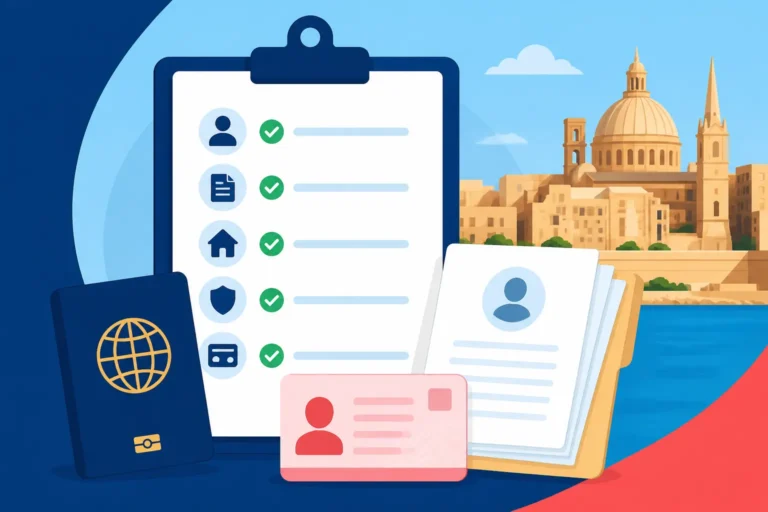
The process of applying for a new permit can be complex. You will need to book an appointment, often through their online portal, and submit a raft of documents. These typically include:
- Passport: A valid passport with sufficient validity.
- Application Form: The relevant application form for the specific permit you are seeking (e.g., Single Permit, Self-Sufficient).
- Proof of Accommodation: A rental agreement or property purchase agreement. This needs to be registered with the Housing Authority. Ensure your name is on it, not just your ex-spouse's. It might be helpful to review Housing and Living in Malta: The Complete Newcomer's Guide (2027) for insights into securing accommodation independently.
- Financial Means: Bank statements, employment contracts, pension statements, or other proof of stable income.
- Health Insurance: For many non-EU permit types, comprehensive private health insurance is mandatory. This is where a company like Cigna Global might be mentioned again, as public healthcare access is usually tied to social security contributions or specific EU rights. You’ll need a policy that covers medical repatriation and all medical expenses, for specific minimum amounts. For more detailed information, see Private Health Insurance Requirements for Non-EU Permit Holders in Malta.
- Police Conduct Certificate: A clean criminal record is almost always required.
- Divorce Decree: Official documentation proving the legal termination of your marriage.
You might find yourself needing to chase up documents, clarify details, and sometimes even re-submit paperwork due to minor errors. It’s incredibly stressful, but persistence is key. Make sure you keep copies of everything you submit and a record of all communication with Identità. Getting your Maltese ID Card Number: The Key to Accessing Healthcare might seem like a small detail, but it's intertwined with your permit application and crucial for many aspects of daily life.
Appealing a Refusal
What if your application for a new permit is refused? It’s a devastating thought, but it’s not necessarily the end of the road. Malta has an Immigration Appeals Board. If your application is rejected, you will receive a letter detailing the reasons for the refusal. You generally have a limited timeframe to lodge an appeal.
The appeal process involves submitting a formal appeal to the Immigration Appeals Board, clearly stating why you believe the decision should be overturned and providing any additional supporting documentation. This is often an area where seeking legal advice from an immigration lawyer in Malta is highly recommended. They can help you understand the legal grounds for appeal and present your case effectively. Remember, understanding Appealing to the Immigration Appeals Board in Malta is crucial if you find yourself in this difficult position.
Building a New Life: Practicalities and Support
Beyond the immigration paperwork, there are countless practical and emotional challenges that come with divorce, especially when you’re an expat. You’re not just ending a marriage; you're potentially disentangling an entire shared life in a foreign country.
Financial Planning and Budgeting
Your financial situation will almost certainly change. If you were previously relying on your spouse’s income or shared finances, you’ll now need to establish your own independent financial stability. This means looking at new bank accounts – How to Open a Maltese Bank Account as a Newcomer will guide you – and creating a realistic budget. Malta, while charming, can be surprisingly expensive, especially for housing and certain imported goods. Understanding the Cost of Living in Malta: Budgeting for the Real Numbers is more critical than ever.
You’ll need to consider how alimony or maintenance payments (if applicable from your divorce settlement) will impact your income and how they might need to be declared for tax purposes in Malta. Ensure you have a clear understanding of your financial rights and obligations stemming from the divorce, whether it was settled in Malta or abroad.
Housing and Daily Life
Finding new accommodation is often a priority. If you were living in a family home owned or rented by your spouse, you’ll need to find your own place. Renting in Malta can be competitive, and deposits, agency fees, and upfront costs can add up quickly. It's a daunting task to find a new home while dealing with so much emotional stress. Our guide on Renting a Home in Malta: Contracts, Deposits, and Tenant Rights can be a valuable resource.
Beyond housing, think about the smaller details: updating your address with Identità, ARMS (for utilities), and your bank. You’ll need to ensure all your bills are in your name. If you have children, their schooling arrangements and healthcare access will also need careful consideration, especially if your access was previously through your spouse.
Emotional Support and Community
Divorce is isolating, and even more so when your primary social circle might have been tied to your marital life or your spouse's family. It’s absolutely vital to seek emotional support. Look for expat groups on social media platforms like Facebook – Malta has many active communities where people share advice and offer solidarity. There are also professional counsellors and therapists in Malta who can provide support during this difficult time. While public mental health services exist, accessing them can be challenging, so finding an English-speaking private therapist might be a quicker route.
Reaching out to new communities, joining clubs or activities, or even simply connecting with other expats who have gone through similar experiences can make a world of difference. You might have arrived in Malta for love, but now you have the chance to build a life here for yourself, on your own terms. Remember, you’re not alone in this journey.
Moving Forward with Resilience
The journey of staying in Malta after divorcing your Maltese spouse is undeniably challenging, fraught with emotional pain and bureaucratic hurdles. However, it is far from impossible. With careful planning, a proactive approach to your immigration status, and a robust support system, you can carve out a fulfilling independent life in this beautiful archipelago.
It’s crucial to treat this period not just as an ending, but as a new beginning. Think about your long-term goals. Do you truly want to stay in Malta? If so, commit to understanding and navigating the immigration requirements. If the logistics of moving any belongings from a shared home or even potentially relocating to a new apartment feel overwhelming, remember there are services like Sirelo that can help you find movers and compare quotes, easing at least some of the practical burden during this trying time.
The Maltese administrative system can be slow and opaque at times, but arming yourself with knowledge and persistence will be your greatest assets. Seek professional advice when needed – whether it's legal counsel for immigration matters or financial advice to plan your new independent future. Your resilience in navigating these complexities will ultimately define your new chapter here in Malta.
| Permit Type | Primary Requirement | Key Considerations | Estimated Timeframe (Initial) |
|---|---|---|---|
| Single Permit | Job Offer from Maltese Employer | Employer sponsorship required, market labour test, minimum salary (depending on role), comprehensive documentation. Best for those actively seeking or securing employment. | 2-4 months |
| Economically Self-Sufficient | Sufficient Stable Resources | High financial thresholds, proof of consistent income/capital from outside Malta, private health insurance mandatory. Suitable for retirees or those with significant independent wealth. | 3-6 months |
| Nomad Residence Permit | Remote Work for Foreign Employer | Gross monthly income of €2,700+, remote work for non-Maltese entity or self-employed with foreign clients, private health insurance. Ideal for digital nomads. | 1-3 months |
| Global Residence Programme | Property Investment/Rent & Minimum Tax | Significant property investment or rental, annual minimum tax payment, strict eligibility criteria. For high-net-worth individuals seeking tax benefits. | 4-6 months |
Disclaimer
The information provided in this guide is for general informational purposes only and does not constitute legal or professional advice. Immigration laws and policies in Malta are subject to change. It is highly recommended to seek personalized advice from an immigration lawyer or consultant registered in Malta for your specific situation.