What If My Relationship Ends While on a Family Permit in Malta?
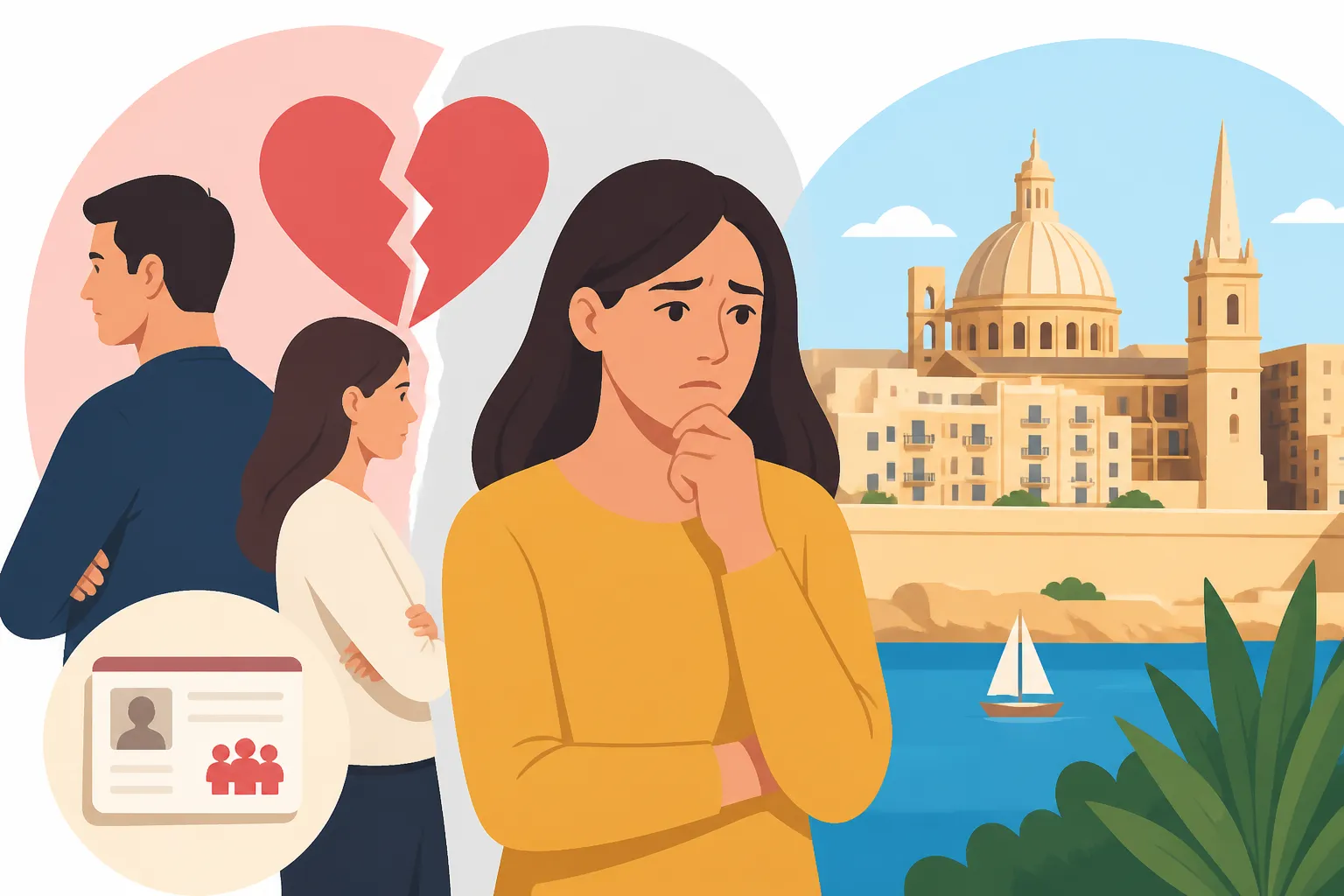
It’s a truly awful feeling when your relationship breaks down, but for expats living in Malta on a family permit, the emotional turmoil is often compounded by a terrifying question: "What happens to my residence status?" You’re not just dealing with heartbreak and the practicalities of separation; you’re also suddenly facing the very real possibility of losing your right to live in the country you’ve built a life in. This guide is here to walk you through the administrative maze, offering clear, empathetic advice on navigating the challenges and understanding your options if your relationship in Malta comes to an end.
Understanding Your Family Permit Status in Malta
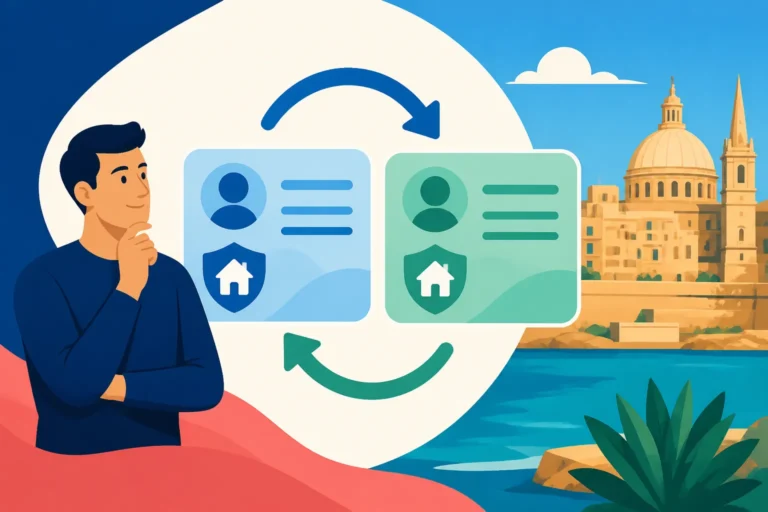
When you first arrived in Malta as a dependent on a family permit, the process likely felt quite straightforward, tied directly to your partner’s primary residence status. But once that foundation shifts, the ground beneath your own permit can feel incredibly shaky. It’s crucial to understand the initial basis of your permit and how your dependent status is viewed by the Maltese authorities, specifically Identità (the agency responsible for identity, citizenship, and residence).
The Foundation of Your Dependent Permit
A family permit in Malta is almost always derivative. This means your right to reside in the country is derived from and tied to the primary permit holder – your spouse, civil partner, or parent. Whether your partner is an EU/EEA citizen exercising their treaty rights, or a Third-Country National (TCN) holding a The Single Permit in Malta: Combined Work and Residence, Step by Step or a The Nomad Residence Permit and Residence Programmes in Malta, your permit exists because of their status and your proven relationship to them.
For example, if you were granted a permit under family reunification rules because your partner holds a work permit, your permit clearly states your relationship to them. The validity of your permit is typically linked to theirs, and crucially, it is contingent on the continuation of the underlying relationship that qualified you for the permit in the first place. This isn't just a formality; it's the legal backbone of your presence in Malta. If that relationship ceases to exist, your legal basis for residence, as a dependent, generally falls away. This can feel incredibly unfair, especially if you’ve been here for years, contributing to society, and have established a life independently of your partner’s day-to-day employment or activities.
Identifying a "Family Member" for Immigration Purposes
Under Maltese immigration law, and in line with EU directives, the definition of a "family member" for residence purposes is quite specific. It typically refers to spouses, registered partners, and dependent children. For unmarried partners, proving a stable and long-standing relationship might have been a hurdle even when applying for the initial permit. If that relationship ends, it's clear that you no longer fit the criteria.
For example, if you moved to Malta as the spouse of an EU citizen, your "family member" status allowed you to reside here. Once divorced or legally separated, especially if you’re a Third-Country National, you might no longer qualify as their "family member" in the eyes of immigration. Similarly, if you were here on a Family-Member Residence Permits for Joining Someone in Malta through a Third-Country National partner, the termination of that conjugal or civil partnership means you no longer meet the primary condition of your permit. It’s a harsh reality that can leave you feeling incredibly vulnerable and alone, as the bureaucratic definition of "family" doesn't often account for shared histories, friendships, or community ties you've built here.
Navigating the Immediate Aftermath: Practical and Legal Steps
The moment a relationship ends, especially one that underpins your legal right to reside in Malta, it can feel like your entire world has been turned upside down. Beyond the emotional wreckage, there are concrete, urgent steps you need to consider. Ignoring these administrative details won't make them go away; in fact, it could complicate your situation further down the line.
Notifying Identità: The Obligation and Its Implications
This is perhaps the most daunting step. While there isn't always a direct, immediate obligation to inform Identità the very second your relationship ends, the moment your marital or civil status changes, or if the primary permit holder withdraws their sponsorship, your current family permit is effectively invalidated. This means you are technically no longer residing in Malta legally under that permit.
The prudent and legally safer approach is to address this proactively. If your divorce or legal separation is finalised, or if your partner explicitly notifies Identità that you are no longer their dependent, your permit will likely be revoked or not renewed. Overstaying on an invalidated permit can lead to serious consequences, including fines, detention, and even deportation, making it incredibly difficult to return to Malta or other Schengen countries in the future. It's not a conversation anyone wants to have, but approaching Identità to explain your situation and explore options shows good faith and can often lead to more favourable outcomes than waiting for them to contact you. You can start by checking the Identità website or calling their customer service for guidance on Booking Appointments and Submitting Documents to Identità.
Securing Your Financial Future: Proving Means of Subsistence
One of the cornerstone requirements for any residence permit in Malta is proving you have sufficient means of subsistence – essentially, that you won't become a burden on the state. When you were on a family permit, this was likely covered by your partner's income. Now, independently, you need to show you can support yourself.
This is where the real stress kicks in. If you weren't working before, or if your income was supplementary, you'll need to demonstrate a stable source of funds. This could mean securing a job, showing significant savings, or proving a regular income from investments or pensions. If you're looking for work, having a clear plan is essential. Consider reaching out to recruitment agencies or checking job portals. Remember, your ability to secure a new permit often hinges on this financial stability. If your savings are now shared or uncertain, seeking legal advice on asset division is paramount, as you need tangible proof of your financial standing for future applications. If you were considering moving some of your belongings after separation, especially if you foresee needing to return to your home country eventually, researching removal services through platforms like Sirelo might give you an idea of potential costs, allowing you to factor this into your financial planning.
Re-evaluating Your Accommodation: Finding Stability
Housing is another massive challenge. Often, dependents live with the primary permit holder. A separation means you might need to find new accommodation, often quickly, which can be expensive and incredibly stressful in Malta's competitive rental market. Beyond the immediate practicalities of finding a place, your new residence will also need to be registered with Identità.
When applying for any new independent permit, proof of stable accommodation is a must. This means a valid rental contract in your name, or proof of property ownership. You'll need to show that your housing is adequate and secure. This might involve signing a new lease, or, if you're fortunate enough, retaining a share of the current property. Remember, The Lease Agreement Attestation Requirement for Non-EU Tenants in Malta is crucial, and your landlord will need to register any new lease with the Housing Authority within 10 days. Ensure you have all the necessary documentation for your new address ready for Identità. It’s a lot to juggle, especially when you're emotionally vulnerable, but having a roof over your head and a stable address is fundamental to maintaining your legal status.
Exploring Your Options for Continued Residence in Malta
Once the immediate shock and logistical scramble have begun to subside, your next critical step is to determine if and how you can remain in Malta independently. This means transitioning from a dependent status to one where your right to reside is based solely on your own merits.
Transitioning to an Independent Permit: Work, Study, or Digital Nomad
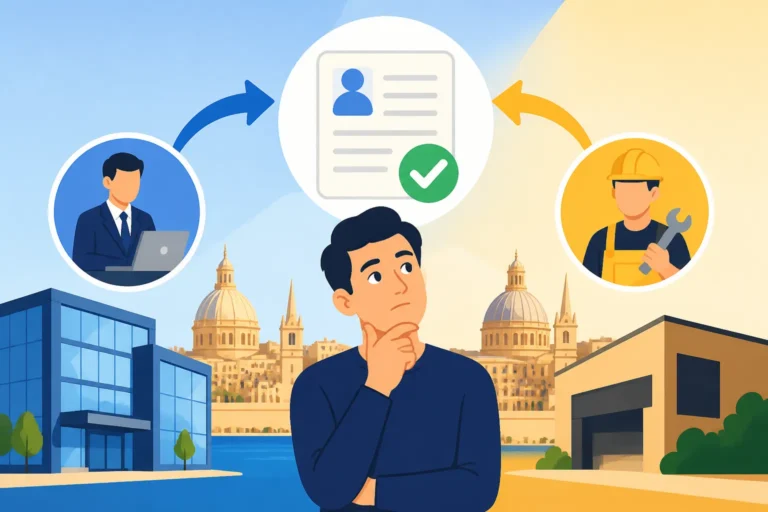
This is usually the most common and viable route for many Third-Country Nationals. Malta offers several pathways for independent residence, but each comes with its own set of criteria:
- Work Permit (Single Permit): If you have secured a job offer from a Maltese employer, you can apply for a How the Single Permit Application Works Between You and Your Employer. This permit combines both your work and residence authorisation. The challenge here is finding a job quickly that meets the criteria and for which an employer is willing to sponsor you. You’ll need to demonstrate your qualifications and that the job cannot be filled by an EU/EEA national. Keep in mind that securing a job offer can be tough, especially if your previous role was informal or if you haven't worked in Malta before.
- Study Permit: If you have the financial means and inclination, enrolling in a recognised educational institution in Malta can qualify you for a Student Residence Permits for Malta: Requirements and Renewal. This requires acceptance into a course and proof you can cover tuition fees and living expenses. It might not be a long-term solution but can buy you time to explore other options.
- Nomad Residence Permit: If you are employed by a company outside Malta or are self-employed and can work remotely, and earn above a certain threshold (currently €2,700 gross per month), you might be eligible for the What Is the Nomad Residence Permit in Malta?. This is an increasingly popular option for those with location-independent careers. However, it’s not for everyone, and the income threshold is a strict requirement. You'd need to provide robust evidence of your remote employment or freelancing income.
- Self-Employment Permit: For those with a clear business plan and sufficient capital, a self-employment permit might be an option. This is usually more complex, requiring a solid business proposal, proof of funds, and often a commitment to hire Maltese or EU staff.
It’s important to research the requirements for each of these permits meticulously. Identità will expect a complete application, and any missing documents or unclear information can lead to delays or refusal. Seeking advice from an immigration lawyer or specialist can be incredibly helpful here.
| Permit Type | Main Requirement | Key Challenge | Eligibility for Third-Country Nationals |
|---|---|---|---|
| Single Permit (Work) | Valid job offer from Maltese employer | Securing a job quickly, employer sponsorship | High, if job offer secured |
| Study Permit | Acceptance into recognised Maltese institution | Covering tuition/living costs, short-term solution | Moderate |
| Nomad Residence Permit | Remote work for non-Maltese employer/self-employed | Monthly income threshold (€2,700 gross) | High, if income/work criteria met |
| Self-Employment | Robust business plan, capital | Complex application, market saturation | Moderate to Low |
| Long-Term Residence | 5 years continuous legal residence | Time requirement, specific absences allowed | High, if continuous residence met |
Special Considerations for EU/EEA Family Members
If you are a Third-Country National and your former partner was an EU/EEA citizen exercising treaty rights in Malta, the rules are slightly different, and in some cases, potentially more favourable. EU law includes provisions that can allow a non-EU family member to retain their right of residence after a divorce or separation under specific circumstances, particularly if:
- The marriage or registered partnership lasted for at least three years, including one year in Malta, before the commencement of divorce/separation proceedings.
- You have custody of the EU citizen’s children.
- You have been granted a right of access to a minor child residing in Malta, provided the court considers it necessary.
- The divorce or separation was due to domestic violence against you.
In these situations, you might be able to retain your residence rights even without immediately securing an independent permit. However, you will need to demonstrate that you are working, self-employed, have sufficient resources, or are enrolled in an accredited course of study, similar to an EU citizen. This avenue offers a bit more flexibility, but the burden of proof rests firmly on you. You would still need to register this change with Identità.
Long-Term Residence Aspirations: What Changes?
If you've been living in Malta for several years on a family permit, you might have been accumulating time towards The Path to Long-Term and Permanent Residence in Malta. Generally, to qualify for long-term residence, you need to have resided legally and continuously in Malta for five years. However, the clock can be reset or paused if your legal status changes significantly, particularly if there’s a gap in your legal residence.
When your family permit ends, there is a period where your status is precarious. If you successfully transition to an independent permit (like a work or nomad permit) without a significant gap, your accumulated time might still count. However, if there’s a period where you are considered to be residing illegally, or if you leave Malta and return on a new, unrelated visa, this can impact your eligibility for long-term residence. It's critical to ensure a seamless transition between permits if long-term residence is your goal. This is an area where legal counsel from an immigration specialist is highly recommended, as the nuances of "continuous legal residence" can be tricky.
Supporting Yourself and Your Children Post-Separation
Beyond the legalities of your residence permit, a separation or divorce brings immense practical and emotional challenges. If you have children, their well-being becomes the paramount concern, and navigating healthcare, social services, and custody can be incredibly complex as a foreigner.
Healthcare Access and Social Support
When you were on a family permit, your access to Malta's public healthcare system was likely linked to your partner’s social security contributions or EU health rights. With the breakdown of the relationship, this can change.
- Public Healthcare: If you secure a new work permit and begin paying social security contributions, you will eventually become entitled to Malta's public healthcare. However, there might be a gap between your old entitlement ending and your new one beginning. During this interim, it's vital to ensure you have coverage. You might need to rely on your EHIC (if you're an EU citizen or formerly covered by one), or consider private health insurance. Companies like Cigna Global offer comprehensive expat insurance plans that could bridge this gap and provide peace of mind. Remember, emergency treatment at Mater Dei is generally free for everyone in urgent situations, but routine care is not. You should investigate How Malta's Public Healthcare Works: Entitlement, Contributions, and Costs to understand your evolving situation.
- Social Services: Malta has social services available for those in need, particularly for single parents or individuals facing financial hardship. Don't hesitate to reach out to entities like Aġenzija Appoġġ or the Ministry for Social Policy and Children’s Rights. They can offer guidance on support for children, housing assistance, or counselling services. While the bureaucracy can be daunting, these services exist to help residents during challenging times.
Child Custody and Support in Malta
If you have children, their care and custody will be a central concern. Maltese family law applies to all residents, regardless of nationality.
- Parental Responsibility: Generally, both parents retain parental responsibility for their children, even after separation or divorce. This includes decisions about their upbringing, education, and healthcare.
- Custody and Access: If you and your former partner cannot agree on custody and access arrangements, the Family Court in Malta will intervene to make decisions based on the child's best interests. This can be a lengthy and emotionally draining process. Legal representation is highly advisable.
- Child Maintenance: The non-custodial parent is typically obligated to contribute financially to the children's upbringing through child maintenance payments. The court will assess both parents' incomes and the children's needs when determining an appropriate amount.
- Children's Residence Status: If your children's residence permit was also tied to your former partner, their status might also be affected. However, if you are granted custody and secure your own independent residence permit, you can apply for your children’s dependent permits under your new status. This is why getting your own permit sorted is often the first priority. You might also need to understand how Children's Health in Malta: Well-Baby Clinics, Vaccinations, and School Health operates if your previous access to these services was via your partner.
Practical Support and Emotional Well-being
Dealing with a separation in a foreign country, potentially far from your usual support network, is incredibly tough. Don't underestimate the emotional toll this takes.
- Community and Friends: Lean on your friends and the expat community in Malta. There are many online groups and local meet-ups where you can find others who have gone through similar experiences. Shared stories and practical advice can be invaluable.
- Professional Counselling: Malta has mental health services, and seeking professional support can help you navigate the emotional challenges. Mental Health Support in Malta: Services, Therapy, and Mount Carmel Hospital lists some of the options available. Don't feel ashamed to ask for help; it's a sign of strength, especially when facing such a monumental life change.
- Legal Advice: For any questions regarding your immigration status, divorce, child custody, or financial settlements, investing in legal advice from a Maltese lawyer specialising in family or immigration law is non-negotiable. They can guide you through the specifics of your case and help protect your rights.
Ending a relationship is devastating, and when you’re an expat, it brings a unique layer of fear and uncertainty about your future in the country you call home. While the administrative hurdles can feel overwhelming, understanding your options, taking proactive steps, and seeking appropriate support can make all the difference in securing your future in Malta.
Disclaimer
The information provided in this guide is intended for general informational purposes only and does not constitute legal, financial, or immigration advice. While every effort has been made to ensure accuracy, laws and regulations in Malta are subject to change. It is essential to consult with qualified legal and immigration professionals for advice tailored to your specific situation. Reliance on any information in this article is solely at your own risk.