How Do I Get a European Health Insurance Card While Living in Malta?
Ah, the European Health Insurance Card (EHIC). For many of us who've packed up our lives and moved to Malta, this little card often feels like a magic key to healthcare across Europe, but actually getting one when you're a resident here can be shrouded in a surprising amount of confusion and red tape. You're not alone if you've found yourself scratching your head, wondering exactly how your Maltese residency and social security contributions translate into this crucial piece of plastic. Don't worry, I've been there, navigating the labyrinthine bureaucracy myself. This guide will walk you through everything you need to know about securing your EHIC while living in Malta, ensuring you're prepared for any unexpected health hiccups when travelling in Europe.
Understanding the EHIC and Your Eligibility in Malta
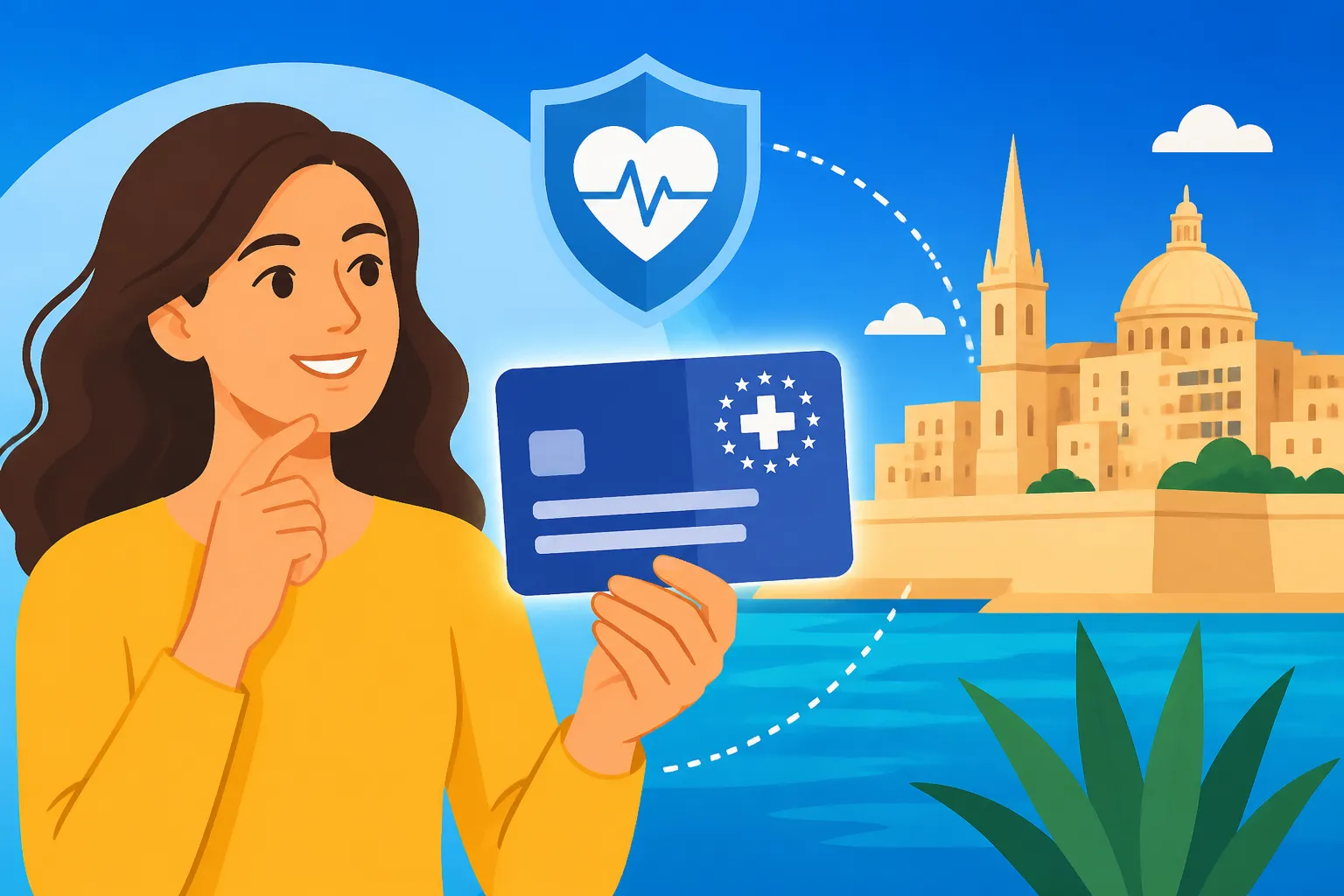
Let's cut through the jargon. The European Health Insurance Card is absolutely invaluable for anyone living in Malta but planning to travel within the European Union, European Economic Area, or Switzerland. It's designed to give you access to state-provided healthcare during a temporary stay in another member country, under the same conditions and at the same cost (free in many cases) as people insured in that country. It's not a travel insurance policy, and it certainly won't cover private healthcare or repatriation, but it's a vital safety net.
The Basics: What the EHIC Does and Doesn't Cover
First things first, let's clarify what this card is actually for. The EHIC covers medically necessary healthcare. What does "medically necessary" mean? Essentially, it's any treatment that cannot wait until you return to Malta. This could be anything from a sudden illness, an accident, or even routine maternity care or treatment for a pre-existing chronic condition that flares up. The key is that you'll receive care on the same terms as a local resident, which often means free at the point of use within the public system.
However, and this is crucial, the EHIC is not a substitute for comprehensive travel insurance. It won't cover you if you specifically travel to another country to receive medical treatment. It won't pay for private healthcare services, even if public options are limited in that country. Nor will it cover the costs of medical repatriation back to Malta if you become seriously ill or injured abroad. Think of it as your basic, public healthcare entitlement extending across borders, not an all-enencompassing medical shield. For anything beyond that basic public coverage, especially for non-urgent private treatment or unexpected emergencies that might require expensive transport back home, you'll still want to consider private travel insurance.
Who Qualifies for an EHIC as a Malta Resident?
This is where the rubber meets the road for expats. To qualify for a Maltese EHIC, you need to be legally resident in Malta and contributing to the Maltese social security system. This isn't just a casual link; your entitlement to public healthcare in Malta, and by extension your EHIC, is tied directly to your social security contributions. If you're employed, your employer should be deducting these contributions from your salary. If you're self-employed, you'll be paying Class 2 contributions.
So, the general rule of thumb is: if you're entitled to public healthcare in Malta, you're entitled to a Maltese EHIC. This usually means you've got your Maltese ID card number, you're registered with the local health authorities, and you're actively contributing. If you're an EU/EEA/Swiss citizen who has recently moved to Malta and are transferring your health rights (perhaps with an S1 form), you'll also eventually become eligible for a Maltese EHIC once your entitlement is fully processed through the local system. For non-EU nationals, your eligibility will primarily hinge on your employment status and active social security contributions, meaning you have registered for Health Entitlement with the Entitlement Unit in Malta.
It’s worth noting that if you're here on a specific type of permit, like a Nomad Residence Permit, or if you're a retiree not actively contributing to Malta's social security, you might not be eligible for a Maltese EHIC. In these cases, you would typically be required to have private health insurance as part of your permit conditions. Even if you're fully covered by Malta's public system, many expats find peace of mind in having supplementary private health insurance in Malta, which can offer faster access to specialists or cover treatments not fully available through public means.
The Step-by-Step Process to Apply for Your Maltese EHIC
Right, let's get down to the nitty-gritty of actually applying for this card. While the process isn't overly complicated, it does require you to have your ducks in a row. You'll primarily be dealing with the Maltese Ministry for Health's Entitlement Unit, who are responsible for issuing these cards.
Gathering Your Documents and Proving Entitlement
Before you even think about filling out a form, you need to ensure you have all the necessary documentation to prove your eligibility. This typically includes:
- Your Maltese eResidence Card: This is your official identification and proof of residency in Malta. Without it, things can get a bit stuck. Having your Maltese ID Card Number is key to accessing almost any public service.
- Proof of Social Security Contributions: For employees, this would usually be your FS3 form (your annual tax statement from your employer) or recent payslips showing social security deductions. For the self-employed, you'd need proof of your Class 2 contributions. The system is usually linked, so they can often check this digitally, but it's always good to have physical proof just in case.
- Proof of Registration with the Health Entitlement Unit (if applicable): If you've just moved here or have had specific circumstances, you might have a document from the Entitlement Unit confirming your eligibility for public healthcare.
- Application Form: This is usually available online or at their offices.
Sometimes, they might ask for further proof of residency, like a rental agreement or utility bills from ARMS. While it might feel like they're asking for the same things over and over, remember that each department has its own checks.
Submitting Your Application: Online vs. In-Person
The good news is that Malta offers a relatively straightforward way to apply for your EHIC.
Online Application:
This is, hands down, the easiest and most recommended method. You can usually apply directly through the Ministry for Health's dedicated online portal. You'll need an e-ID (your digital identity linked to your eResidence Card) to log in. The online form is generally user-friendly, and you'll be guided through uploading any necessary documents. Once submitted, you'll receive an acknowledgment. The beauty of the online system is that it's available 24/7, and you can track your application status.
In-Person Application:
If you prefer the old-school approach or encounter issues with the online portal, you can visit the Entitlement Unit offices. They are typically located in Valletta, though it's always wise to check the most up-to-date address and opening hours online before heading out. Be prepared for potential queues, especially during peak times. Bringing all your original documents, plus copies, is a must. The staff there are generally helpful, though patience is definitely a virtue when dealing with any bureaucracy.
Here's a quick comparison of the two methods:
| Feature | Online Application | In-Person Application |
|---|---|---|
| Convenience | High (24/7, from home) | Low (travel, office hours, queues) |
| Speed | Often faster processing | Can be faster if all documents are perfect, but waits |
| Documents | Digital uploads required | Physical originals + copies required |
| Interaction | Self-service, email/phone follow-up | Direct interaction with staff |
| Tracking | Online portal tracking | Requires follow-up calls or visits |
| Accessibility | Requires e-ID | Accessible to all with required documents |
Once your application is approved, your EHIC will usually be mailed to your registered address in Malta. The turnaround time can vary, so it's best not to leave it until the last minute before your trip!
Common Pitfalls and What to Do While You Wait
Waiting for any official document can be frustrating, and the EHIC is no exception. While Malta's system is fairly efficient, there can still be delays. Knowing how to navigate these and what your options are can save you a lot of stress.
Navigating Delays and Proving Entitlement in the Meantime
It's not uncommon for processing times to fluctuate, especially during busy periods. If you've applied online, you can check the status through the portal. If you applied in person, or if you're just feeling anxious, a polite phone call to the Entitlement Unit can sometimes provide an update.
What if you have a trip planned and your card hasn't arrived? Don't panic. If your application has been processed and approved, but you haven't received the physical card yet, you can request a Provisional Replacement Certificate (PRC). This document serves the same purpose as the EHIC and proves your entitlement to medically necessary healthcare abroad. You can often request this directly from the Entitlement Unit, and they might be able to email it to you promptly. It's an absolute lifesaver for those last-minute travel plans.
Remember, the EHIC confirms your existing health entitlement, it doesn't create it. Your eligibility stems from your contributions to the Maltese social security system, which also underpins how Malta's Public Healthcare Works: Entitlement, Contributions, and Costs. So, even if the card is delayed, your right to care is generally in place.
When the EHIC Isn't Enough: Private Insurance and Other Options
As much as we love the EHIC, it's vital to reiterate its limitations. It's a fantastic safety net for public healthcare during temporary stays, but it doesn't cover everything. For instance, if you require specific private medical services abroad, or if you end up needing to be airlifted back to Malta due to a serious accident, your EHIC won't help with those costs.
This is where private travel insurance, or even comprehensive private health insurance, becomes absolutely critical. For those of us living abroad, it's always a good idea to have that extra layer of protection. Companies like SafetyWing, for example, offer travel medical insurance designed for nomads and expats that can cover emergency medical situations, evacuations, and even provide some coverage back in your home country. While it's a different beast entirely from the EHIC, it fills in many of the gaps, giving you peace of mind that you're covered for those scenarios where the EHIC simply doesn't apply. Many non-EU permit holders are already required to have Private Health Insurance Requirements for Non-EU Permit Holders in Malta, but even EU citizens might find it beneficial.
Consider what your typical travel involves. Are you just popping over to Sicily for the weekend? The EHIC might be sufficient for basic emergencies. Are you going on an adventure holiday in the Alps? Then a robust travel insurance policy is definitely a must. It's all about assessing your risk and understanding what each type of coverage provides.
Maintaining and Renewing Your EHIC
Your Maltese EHIC isn't forever, unfortunately. It typically has a validity period, often for five years, but it's crucial to check the expiry date printed on your card. Don't let it sneak up on you!
Renewing your EHIC is generally a similar process to applying for the first time. You'll need to demonstrate your continued eligibility, which means proving you're still a resident in Malta and still contributing to social security. The online portal is usually the most efficient way to handle renewals. Simply log in, and you should find an option to renew your existing card. The system will likely pre-fill much of your information, but you might need to confirm your details or upload updated proof of contributions if requested.
It's a good habit to set a reminder for yourself a few months before your card is due to expire, giving you plenty of time to go through the renewal process without any last-minute stress before a planned trip. Keeping your details up to date with Identità, especially your address, is also vital to ensure your renewed card reaches you without issues.
Disclaimer
Please note that the information provided in this guide is for general informational purposes only and does not constitute legal or medical advice. Regulations and procedures regarding health entitlement and the European Health Insurance Card in Malta can change. It is always recommended to consult with the official Maltese health authorities, specifically the Entitlement Unit of the Ministry for Health, or a qualified professional for the most accurate and up-to-date information pertaining to your individual circumstances.