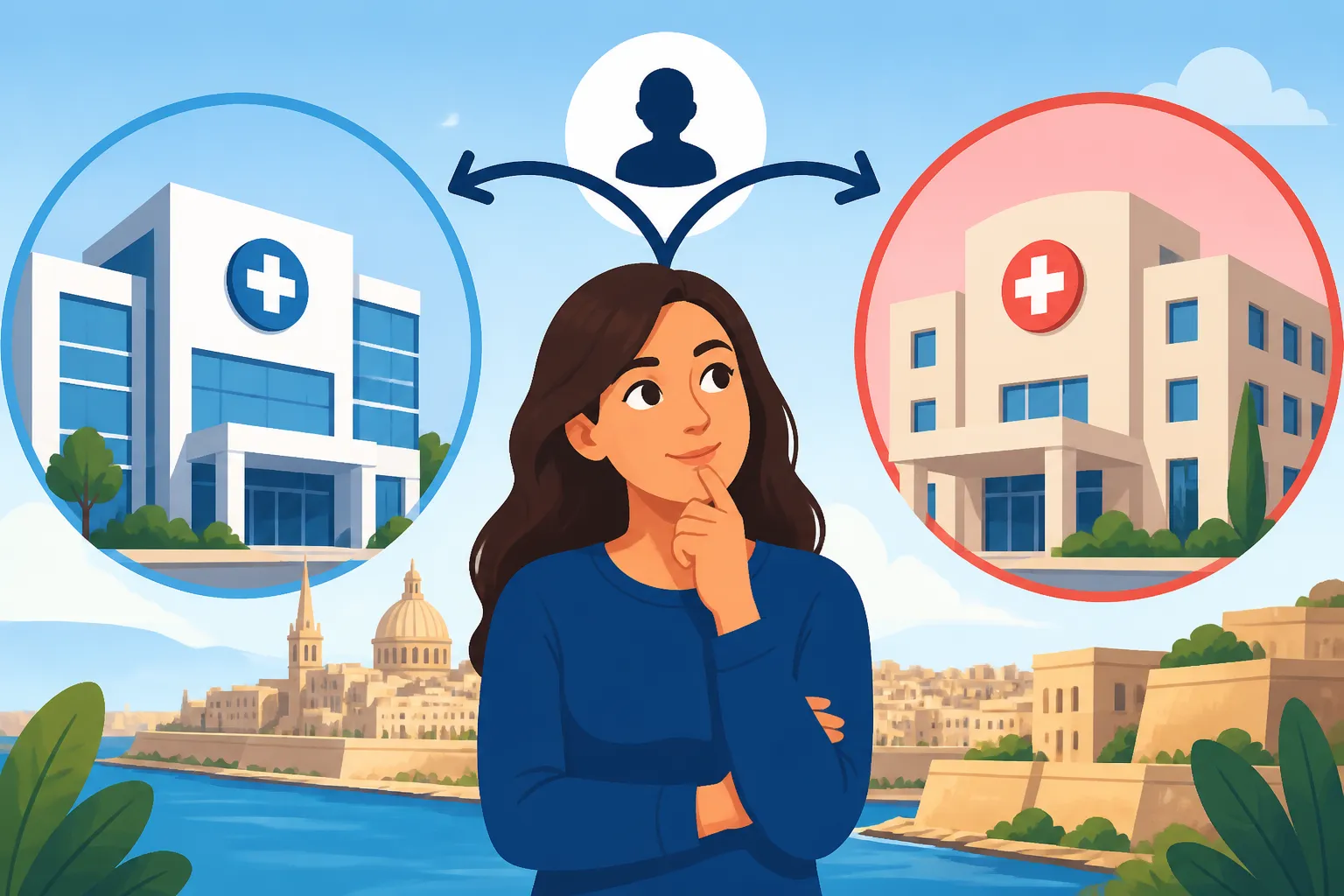
Can I Choose Which Hospital Treats Me in Malta?
Navigating the healthcare system in a new country often feels like trying to read a map in a language you haven't quite mastered yet. I remember the sheer panic I felt during my first year here when I realized that simply "picking a hospital" wasn't as straightforward as I had experienced back home. This guide breaks down exactly how hospital selection works in Malta so you can navigate the system with confidence.
The Public Healthcare Reality in Malta
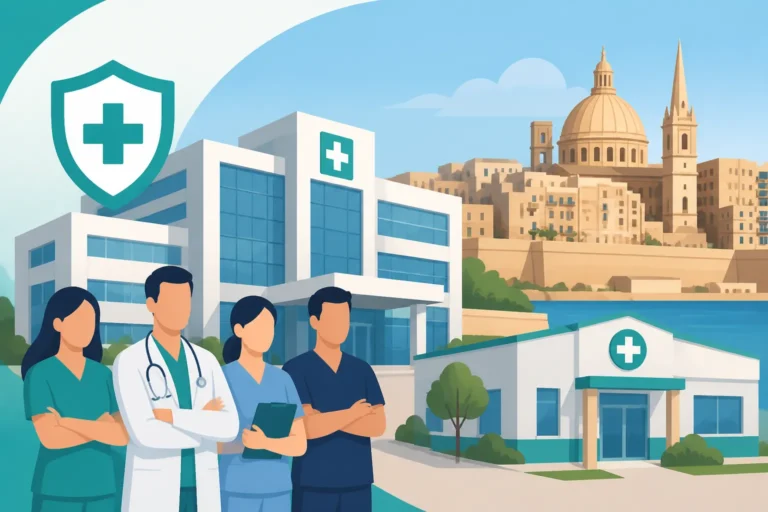
When you first land in Malta, you’ll quickly hear the name Mater Dei. It is the sun around which the Maltese public health system orbits. As the primary acute general hospital on the island, Mater Dei provides an incredible range of services, but it operates under a centralized structure. Unlike some countries where you might browse a list of public facilities and pick the one with the best reviews or the shortest wait time, the public system here is designed for efficiency through catchment areas.
If you are using the public system through your social security contributions, your "choice" is largely determined by where you live. For the vast majority of residents on the main island, Mater Dei is the destination for surgery, specialist consultations, and emergency care. If you are living on the sister island, your primary point of contact will be the Gozo General Hospital. Understanding how Mater Dei and Beyond: A Guide to Malta's Public Hospitals and Health Centres functions is essential because it sets the baseline for what you can expect as a resident.
While the care at Mater Dei is world-class, the lack of choice in the public sector is the trade-off for high-quality, free-at-the-point-of-use treatment. You are assigned to the specialists who are on duty or who have the next available slot in their clinic. For many expats, this lack of agency is one of the biggest culture shocks, leading many to seek out Private Healthcare and Insurance in Malta: When You Need Cover to regain that sense of control over their medical journey.
Choosing a Hospital via the Private Sector
The only way to truly "choose" which hospital treats you in Malta is to step outside the public system and into the private one. Malta has several high-quality private hospitals, such as St. James Hospital (with multiple branches) and St. Thomas Hospital. In these facilities, the power of choice shifts back to you. You can select the hospital based on its location, the specific specialists who operate there, or even the amenities of the private rooms.
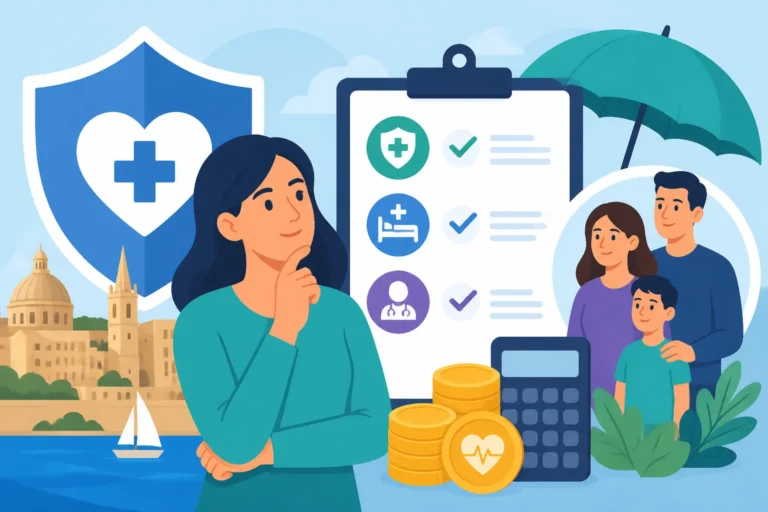
Choosing a private hospital often means significantly shorter waiting times for elective surgeries and diagnostic tests like MRIs or CT scans. When I needed a minor procedure a few years back, the public waitlist was several months long; by opting for a private facility, I was seen within ten days. This is where having a flexible insurance plan, such as SafetyWing, becomes incredibly valuable. It allows you to bypass the public queues and head straight to a facility of your choosing without the looming fear of a massive bill at discharge.
It is important to note that while you can choose the hospital in the private sector, the hospital itself must have the facilities required for your specific condition. Most private hospitals in Malta handle "cold" cases—scheduled surgeries and non-emergency diagnostics. For major trauma or highly complex cardiac and neurosurgical emergencies, even private patients are often stabilized and then transferred to Mater Dei, as it remains the only facility with the full weight of the national intensive care infrastructure.
The Role of the Referral System in Hospital Choice
In Malta, you don’t typically just walk into a hospital for treatment unless it is a dire emergency. The "gatekeeper" to hospital care is the General Practitioner (GP). Whether you are using the public or private system, the process almost always starts with a referral. If you visit a public health center, the doctor there will refer you to a specialist at Mater Dei. In this scenario, you have virtually no choice in which consultant you see; you are placed into the system based on the urgency of your case.
However, if you visit a private GP, you can often discuss which private hospital or specialist you would prefer. Many specialists in Malta actually work "double-duty"—they might spend their mornings at Mater Dei and their afternoons in private clinics or at private hospitals. By Finding a Doctor in Malta: GPs, Specialists, and the Referral System, you can identify a consultant you trust in the private sector and choose the hospital where they perform their private procedures.
This referral path is a critical part of How the Specialist Referral System Works in Malta's Public Hospitals. Even for those with private coverage like SafetyWing, starting with a clear referral from a GP ensures that your insurance claims are processed smoothly and that the hospital you choose is prepared for your specific clinical needs.
Emergency Care and the 112 System
In a medical emergency, the concept of "choice" essentially disappears for the sake of your safety. If you dial 112, the ambulance will take you to the nearest public emergency department. In Malta, that means Mater Dei; in Gozo, that means Gozo General. The emergency services are highly trained to get you to the facility that can provide immediate life-saving intervention, and in Malta, those resources are concentrated in the public sector.
I’ve had friends ask if they can request an ambulance take them to a private hospital instead. The short answer is no. Standard emergency medical services (EMS) are integrated into the public system. If you are in a life-threatening situation, the priority is stabilization. Once you are stabilized at Mater Dei, if you have private insurance, you may be able to request a transfer to a private hospital for your recovery and follow-up care.
For those moments that are urgent but not life-threatening—think a suspected broken bone or a deep cut that needs stitches—you do have a choice. You can choose to go to the Accident & Emergency department at Mater Dei, or you can go to a private hospital’s immediate care unit. The latter will involve a fee, but often results in a much faster experience. Understanding Emergency Medical Care in Malta: 112, A&E, and Urgent Help helps you decide which route is best for your specific situation.
Maternity Care: A Unique Choice for Expats
Maternity care is one of the few areas where the "choice" of hospital is a major topic of discussion among the expat community. If you choose the public route, you will likely give birth at Mater Dei. The maternity wing there is excellent and handles the most complex births in the country. Many expats find great comfort in knowing that the Neonatal Intensive Care Unit (NICU) is just down the hall.
However, many choose to go private for the continuity of care. In the private system, you can choose your obstetrician at the beginning of your pregnancy and ensure that same doctor is the one who delivers your baby at a private hospital. This level of personalized service is a major draw. If you are considering this, it is worth looking into Maternity Care in Malta: Antenatal Visits, Birth, and the Maternity Benefit to see how the costs and logistics differ between the two paths.
If you are planning to use a private hospital for birth, ensure your insurance, such as SafetyWing, is checked for maternity coverage and waiting periods. Private births in Malta are a significant investment, and choosing the right hospital and consultant early on is key to a stress-of-free experience.
Comparing Public and Private Hospital Options
| Feature | Public Hospital (e.g., Mater Dei) | Private Hospital (e.g., St. James) |
|---|---|---|
| Choice of Specialist | Assigned by the system | You choose your consultant |
| Waiting Times | Can be long for elective procedures | Generally very short (days/weeks) |
| Cost | Free for entitled residents | Paid (via insurance or out-of-pocket) |
| Amenities | Shared wards, standard hospital food | Private rooms, enhanced menu options |
| Emergency Access | Primary destination for all 112 calls | Walk-in urgent care only |
| Specialist Equipment | Most comprehensive in the country | High-end for specific elective surgeries |
Factors That Limit Your Hospital Choice
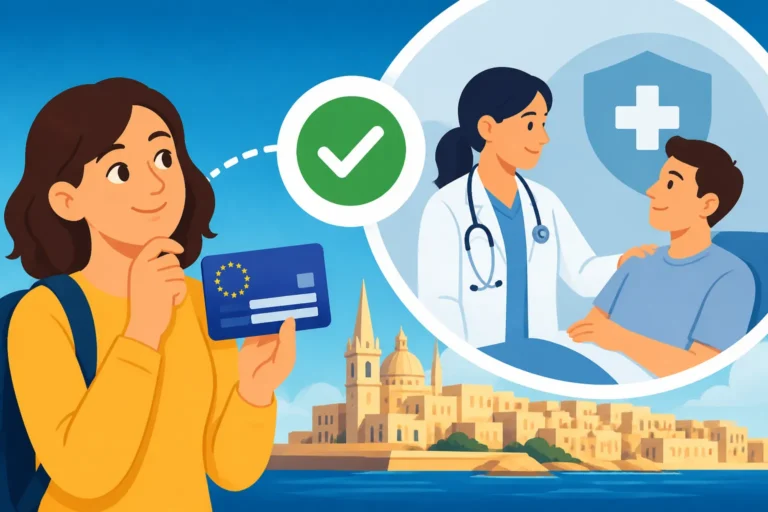
Even with the best insurance, there are practical factors in Malta that might limit which hospital treats you. The first is "Entitlement." To access the public system without a hefty bill at the end, you must prove you are paying social security or have an S1 form. Without this, even Mater Dei will charge you as a private patient. You can read more about this in Health Entitlement in Malta: How Social Security Contributions Unlock Free Care.
The second factor is the specific medical expertise required. Malta is a small island. While Mater Dei is a "jack of all trades," certain highly niche treatments may only be available there. Conversely, some orthopedic specialists might prefer to work almost exclusively out of a specific private clinic because they have a particular piece of equipment there.
Finally, your insurance policy is the ultimate decider if you aren't paying out-of-pocket. Plans like SafetyWing offer great flexibility, but you should always check if a specific hospital is within their preferred provider network or if they require pre-authorization for treatment at your chosen facility. Knowing What Public Healthcare Costs in Malta: Free Services and Paid Extras can help you decide when it is worth using the public system and when it's time to trigger your private coverage.
Navigating the "In-Between" of Public and Private
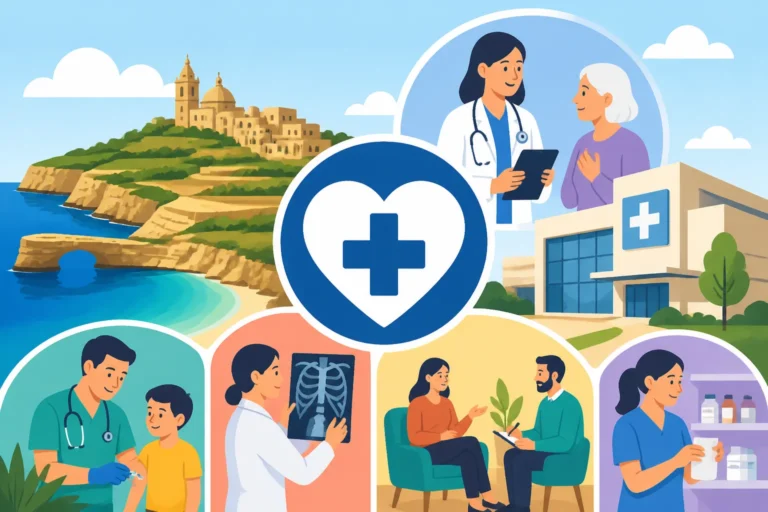
One of the most common mistakes I see newcomers make is thinking they have to choose one system and stick to it forever. In reality, most expats in Malta live in a hybrid world. You might use a public Health Centre for a routine prescription or a flu jab, but then choose a private hospital for a specialist consultation to avoid a six-month wait.
If you are currently waiting for your residency documents, you might be wondering, Can I See a Doctor in Malta Before My Health Entitlement Is Approved? The answer is yes, but it will likely be in the private sector. This is precisely why many digital nomads and new arrivals rely on SafetyWing during those first few months; it provides a safety net while you are still navigating the bureaucracy of Getting Your Maltese ID Card Number: The Key to Accessing Healthcare.
Once you have your ID card and your entitlement is sorted, you can afford to be more strategic. You can use the public system for the "big stuff" and the private hospitals for the "fast stuff." This flexibility is the secret to a stress-free life in Malta. Whether you are Registering with a Health Centre and Choosing a GP in Malta or booking a private room for a minor surgery, understanding your rights and options ensures you are never stuck without the care you need.
Disclaimer
The information provided in this guide is for general informational purposes only and does not constitute medical or legal advice. Healthcare regulations and entitlement criteria in Malta are subject to change. Always consult with the Maltese Health Authorities, Identità, or a qualified medical professional regarding your specific circumstances and entitlement to care. Insurance coverage is subject to the terms and conditions of your specific provider.