How Do I Switch Health Centre When I Move in Malta?
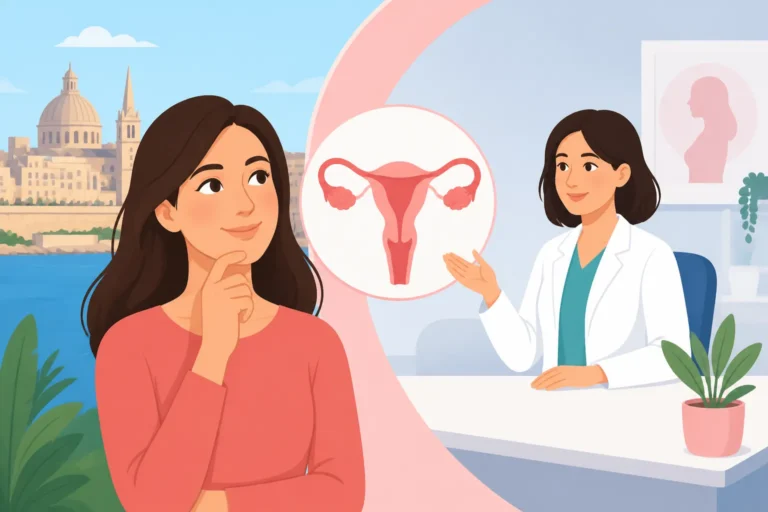
Moving from a sun-drenched apartment in Sliema to a quieter townhouse in Naxxar feels like a victory until you realize your health records are technically stuck in Gzira. I remember the sheer confusion of my first move here, assuming I could just walk into any clinic; instead, I was met with the classic "wrong catchment area" redirect. This guide solves exactly how to transition your public healthcare registration smoothly so you are never left stranded without a doctor.
Understanding the Catchment Area System in Malta
The public healthcare system in Malta is remarkably efficient once you are in it, but it operates on a very strict geographical basis. Unlike some countries where you can pick and choose a GP based on personal preference or proximity to your office, the Maltese Primary HealthCare system assigns you to a specific Health Centre based on your residential address. These are known as catchment areas. If you live in Birkirkara, you belong to the Mosta Health Centre; if you move to Marsascala, you transition to the Paola or Kirkop hub depending on the specific street.
This system exists to manage the patient load across the islands’ ten main regional hubs. When you move, you aren't just changing your commute; you are essentially changing your entire medical home base. This is the place where you will go for non-emergency GP visits, blood tests, dressings, and specialist clinics like diabetes or podiatry. If you show up at the "wrong" centre for a routine matter, the reception staff will politely—but firmly—inform you that you must go to the centre covering your new locality.
Validating this frustration is important: it can feel incredibly bureaucratic when you are already dealing with the stress of a move. However, the logic is sound. It ensures that the doctors at your local centre are familiar with the demographics of the area and that resources are distributed fairly. Before you make the jump, it is wise to check Which Health Centre Do I Go to After Moving to Malta? to identify exactly where your new medical home will be.
The Administrative Domino Effect Updating Your eResidence Card
In Malta, your address isn't just where you sleep; it is a core part of your legal identity. The very first step in switching your health centre isn't actually visiting the clinic—it is visiting Identità (formerly Identity Malta). Your eResidence card is the "master key" for the public health system. When you move, you are legally required to update your address on your residence document.
The health centre clerks rely on the address encoded on your ID card or the physical address printed on the back of it to verify your entitlement to their specific services. If you try to register at the Mosta Health Centre while your ID card still lists a flat in Msida, you will likely be turned away for anything other than an immediate, life-threatening emergency. This is why you must prioritize learning How Do I Update My Address with Identità in Malta? as soon as your new lease is signed.
Many expats try to bypass this by bringing a utility bill or a lease agreement to the health centre. While some clerks might be lenient for a one-off visit if you are visibly unwell, the official policy requires the ID card to match. This administrative hurdle is exactly why some newcomers choose to maintain a policy with SafetyWing during their transition period. Having that extra layer of coverage means that if you get a chest infection while waiting three weeks for your new ID card to arrive, you can simply visit a private family doctor in a local pharmacy without worrying about catchment areas or public registration delays.
The Physical Registration Process at Your New Health Centre
Once you have your updated eResidence card in hand, the process becomes much more straightforward, though it still requires a physical presence. You cannot typically "switch" health centres via a phone call or a simple email. You need to "re-register" at the new location to ensure their local database is updated and they can pull your records from the national system.
When you walk into your new regional hub—whether it is the bustling Floriana Health Centre or the modern facility in Paola—head straight to the registration or "Records" desk. You will need to present your new ID card. The clerk will look up your Getting Your Maltese ID Card Number: The Key to Accessing Healthcare in the system. They will then update your primary residence in the Health Department's database. This digital update is crucial because it also affects which pharmacy you use for the POYC (Pharmacy of Your Choice) scheme if you receive free chronic medication.
It is a good idea to perform this switch even if you aren't currently sick. There is nothing worse than needing a doctor at 7:00 PM on a Tuesday only to spend forty minutes arguing about your address at the front desk. By registering early, you ensure that when you eventually need to use the service for Registering with a Health Centre and Choosing a GP in Malta, your name is already on the local roster.
| Health Centre | Main Localities Covered | 24/7 Service Available |
|---|---|---|
| Mosta | Mosta, Naxxar, St. Paul's Bay, Mellieha | Yes |
| Floriana | Valletta, Floriana, Hamrun, Marsa | Yes |
| Paola | Paola, Tarxien, Fgura, Santa Lucija | Yes |
| Gzira | Sliema, Gzira, San Gwann, Msida | No (limited hours) |
| Kirkop | Zurrieq, Safi, Kirkop, Mqabba | No (limited hours) |
| Rabat | Rabat, Dingli, Mdina, Mtarfa | No (limited hours) |
| Gozo (Victoria) | All of Gozo | Yes (via Gozo General) |
Managing Your Medical Records and the myHealth Portal
One of the best things about the Maltese healthcare system is the centralized digital record, but it isn't always automatic in how it displays to every local clerk. When you switch centres, you want to make sure your history follows you. This is where the myHealth portal becomes your best friend. Instead of worrying about physical folders being carried from one town to another, the system uses your ID number to link your blood results, X-rays, and hospital discharge summaries.
After you have completed your address change, I highly recommend Booking Appointments and Using myHealth Online in Malta to verify that your "Preferred Health Centre" has been updated in the digital system. This portal allows you to see exactly what the doctors see. If you have been seeing a specialist at Mater Dei, they will be able to see your records regardless of which health centre you use, as How the Specialist Referral System Works in Malta's Public Hospitals is a national system, not a local one.
However, if you have physical copies of past records from abroad or from a private clinic in Malta, don't assume the new health centre has them. Keep a "Health Folder" with your move. When you have your first appointment at the new centre, bring any relevant hard copies of scans or blood tests. The GP can then choose to scan these into your national electronic record, ensuring continuity of care.
Navigating the Gap Private Options and Insurance
Let's be realistic: the transition between moving house, updating your ID card with Identità, and finally getting registered at a new health centre can take anywhere from two weeks to two months. During this gap, you are in a bit of a "healthcare limbo." You are no longer "resident" in your old town, but not yet "verified" in your new one.
This is where many veterans of the Malta expat scene rely on Private Healthcare and Insurance in Malta: When You Need Cover. If you wake up with a fever during this transition, the easiest path is often to visit a private GP. Most pharmacies in Malta have a doctor's clinic attached where a consultation costs between €15 and €30. This bypasses the catchment area issue entirely, as private doctors do not care where you live.
For more significant issues, having a robust international plan like SafetyWing is a lifesaver. It provides a safety net that the public system’s bureaucracy sometimes can't. If you require urgent diagnostic testing or want to see a specialist without waiting for the public referral lag that sometimes happens during a move, private coverage ensures you aren't stuck waiting for a plastic card to arrive in the mail. SafetyWing is particularly popular for those who are here on a Nomad Residence Permit, as they are often moving between short-term lets and facing the catchment area headache more frequently than most.
Special Considerations for Families and Chronic Care
If you are moving with children or managing a chronic condition, the switch requires even more precision. For parents, the "Well Baby" clinics and immunization schedules are tied to specific centres. When you move, you need to ensure your child's records are transferred so you don't miss a scheduled vaccination. You should visit the new health centre and specifically ask to speak with the immunization coordinator to confirm your child is now on their mailing list for invitations.
For those on the "Yellow Card" or "Pink Card" schemes (Schedule V), moving house affects your POYC registration. You receive your free medication from a specific local pharmacy. When you update your address at the health centre, you must also inform them which pharmacy in your new town you wish to use. They will provide you with a transfer form that you take to the new pharmacy. This ensures your "vouchers" or digital entitlements move with you, preventing a lapse in your medication supply.
Finally, remember that the public system is a right you earn through your residency and social security contributions. Even while you are waiting for the paperwork to clear, you are entitled to emergency care. If you have a true emergency, do not worry about catchment areas; go directly to Mater Dei or call 112. The bureaucracy is for the routine; the humanity of the system is for the urgent. Ensuring you know How Do I Get a Maltese eResidence Card? is the long-term fix, but the private sector and emergency services are there to catch you in the meantime.
Disclaimer
The information provided in this guide is for educational and informational purposes only. While every effort has been made to ensure the accuracy of the details regarding the Maltese healthcare system as of 2026, administrative procedures and government policies at Identità and the Primary HealthCare department can change without notice. This guide does not constitute legal or medical advice. Always consult with the official relevant Maltese authorities or a qualified healthcare professional regarding your specific circumstances. We do not accept responsibility for any delays or issues arising from the use of this information.