How Do I Make a Complaint About Medical Care in Malta?
When you're an expat in a new country, facing a medical issue is stressful enough. But when you feel that the care you've received falls short, or worse, has caused harm, navigating the complaint system can feel like an impossible task. It’s a frustrating scenario many of us have faced, feeling adrift in a foreign system, unsure where to turn. This guide is here to demystify the process, walking you through the steps to formally complain about medical care in Malta, whether it’s within the public system or a private clinic.
Understanding Your Rights and When to Complain
It's absolutely vital to know that as a patient in Malta, you have rights, and these rights extend to lodging a complaint if you believe something has gone wrong with your medical care. This isn't about being difficult; it's about ensuring quality standards and patient safety for everyone, including us foreigners. So, if you've had an experience that left you feeling unheard, mistreated, or simply that professional standards weren't met, you're within your rights to speak up.
What Constitutes a Valid Complaint?
A "valid complaint" might sound formal, but it essentially means you have a legitimate concern that falls within the scope of medical ethics, professional conduct, or healthcare service delivery. It’s not just about a bad mood or a long wait, although sometimes those can be part of a broader issue. Think about situations like:
- Misdiagnosis or Delayed Diagnosis: If you feel a medical professional failed to correctly identify your condition, or delayed doing so, leading to poorer outcomes.
- Poor Communication: This is a big one for expats. Did the doctor explain your condition or treatment options clearly? Did they ensure you understood, especially if there was a language barrier? Or perhaps vital information wasn't passed on.
- Negligence or Malpractice: This is on the more serious end, involving a failure to provide the expected standard of care, leading to injury or harm.
- Administrative Errors: Sometimes, the complaint isn't about the medical treatment itself, but about billing errors, lost records, or issues with appointments and referrals. For example, issues you might face when trying to get your health entitlement sorted through the Entitlement Unit, or problems with booking appointments through the myHealth online portal.
- Disrespectful or Unprofessional Conduct: If a healthcare professional behaved inappropriately, discriminated against you, or breached your confidentiality.
- Issues with Medication: Problems with prescriptions, incorrect medication dispensed by a pharmacy, or adverse reactions not properly addressed. This is especially relevant if you're dealing with the POYC Pharmacy of Your Choice Scheme.
It's important to differentiate between a general dissatisfaction and a complaint based on a perceived failure in care or conduct. If you're unsure, it's always better to investigate and follow the process.
The Importance of Documentation
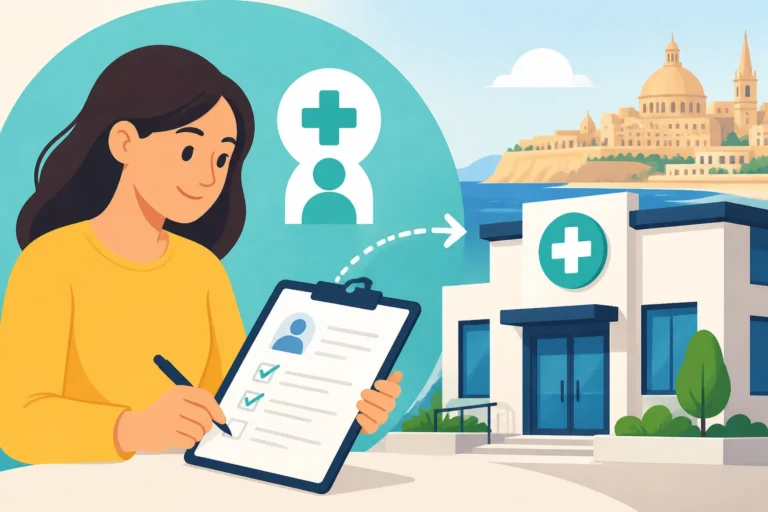
Honestly, this is your best friend when making any complaint, especially in a system you're still getting to grips with. Don't underestimate the power of a good paper trail. From the moment you feel something is amiss, start collecting everything.
What kind of documentation are we talking about?
- Dates and Times: When did the incident happen? When did you first notice the problem?
- Names of Staff: If you remember the names of doctors, nurses, or administrative staff involved, note them down. If not, describe them.
- Detailed Account: Write down exactly what happened, in chronological order. Be as specific as possible. What was said? What was done? How did you feel?
- Medical Records: Request copies of your medical records related to the incident. This is your right. You can often access these through the myHealth online portal once you've registered.
- Correspondence: Keep copies of any emails, letters, or official messages you've exchanged with the healthcare provider or institution.
- Witness Statements: If anyone else was present and witnessed the incident, ask if they'd be willing to provide a statement.
- Relevant Receipts or Bills: Especially useful if your complaint involves financial aspects, like incorrect billing or private treatment costs.
- Prescription Details: If it's medicine-related, keep the prescription and packaging.
Having solid evidence backs up your claims and helps the investigating body understand the situation clearly. It moves your complaint from "he said, she said" to a fact-based inquiry.
The Initial Steps: Informal Resolution and Gathering Information
Before launching into formal complaints, which can be time-consuming and emotionally draining, sometimes the quickest path to resolution is a direct, informal approach. It’s like clearing the air before calling in the heavy artillery.
Speaking Directly to the Provider or Facility
Often, issues can stem from misunderstandings or simple errors that can be resolved with an open conversation. Your first port of call, if you feel comfortable and safe doing so, should be to address your concerns directly with the healthcare provider or the management of the facility.
- For a GP or Specialist: If it's about a specific doctor, try to arrange a follow-up appointment to discuss your concerns. Prepare what you want to say beforehand.
- For a Health Centre: Speak to the charge nurse or the health centre manager. They are usually the first point of contact for service-related complaints. You can find information on how to register with a health centre in Malta, which might include details on their internal complaint procedures.
- For Mater Dei Hospital or Gozo General Hospital: These larger institutions will have a dedicated Patient Affairs or Customer Care office. Seek them out first. They are set up to hear and attempt to resolve complaints internally.
When you speak with them, clearly state your concerns, refer to your documentation (even if you just have notes), and explain what outcome you're hoping for. Sometimes, an apology, a clarification, or a quick fix is all that's needed. This direct approach can save a lot of hassle.
Collecting Evidence: Medical Records, Communication Logs
As mentioned earlier, documentation is paramount. Even if you're hoping for an informal resolution, having your facts straight and documented will strengthen your position. This is the stage where you actively gather everything that supports your case.
- Requesting Medical Records: You have a legal right to access your medical records. Make a formal request, ideally in writing (email is fine), to the clinic or hospital. Specify the dates and types of records you need. This might also involve using the myHealth online service to access your personal health data.
- Logging Communications: Keep a precise record of every conversation you have regarding your complaint – who you spoke to, when, what was discussed, and any agreed next steps.
- Gathering External Information: This could include researching the specific medical condition, relevant guidelines, or even testimonials from others with similar experiences (though official bodies will focus on facts).
Remember, the more thoroughly you prepare, the stronger your complaint will be, no matter which channel you end up using. Even if your initial private health insurance, like SafetyWing, doesn't directly handle the complaint process, they might offer support or advice on obtaining relevant medical documents if you needed care while travelling or on a temporary basis.
Formal Complaint Channels in Malta
When informal approaches don't work, or if the nature of the complaint is serious, it's time to go through formal channels. Malta has specific bodies responsible for overseeing healthcare standards and addressing patient grievances.
Complaining to the Superintendence of Public Health
If your complaint concerns the public healthcare system – think Mater Dei Hospital, Gozo General Hospital, or any of the local health centres – the Superintendence of Public Health is often the appropriate body. They are responsible for ensuring the proper delivery of healthcare services in Malta and for safeguarding public health.
You typically need to submit your complaint in writing. This should include:
- Your personal details (name, address, contact information, Maltese ID card number).
- The name of the patient (if different from the complainant).
- A clear, chronological account of the incident(s), including dates, times, and names of staff involved.
- Copies of all supporting documentation (medical records, correspondence, etc.).
- A clear statement of what you are complaining about and what outcome you are seeking.
The Superintendence will then usually acknowledge your complaint, initiate an investigation, and may contact you for further information. They might review internal hospital records, interview staff, or seek expert opinions. Their aim is to determine if established protocols were followed and if there were any breaches in standards.
Complaints Regarding Private Healthcare Providers
Private clinics, specialists, and hospitals operate somewhat differently from the public system, but you still have avenues for complaint. Many private facilities have their own internal complaint procedures, which you should always try first. Look for a "Patient Relations" or "Customer Care" department.
However, if their internal process doesn't satisfy you, or if your complaint involves serious professional misconduct, you might need to escalate.
- Superintendence of Public Health: For broader concerns about standards or licensing of private clinics, the Superintendence may still be relevant.
- The Medical Council of Malta: This is the key body for complaints concerning the professional conduct of individual doctors, dentists, or other healthcare professionals registered to practice in Malta, regardless of whether they work in public or private practice.
The Medical Council of Malta: Serious Professional Misconduct
The Medical Council of Malta is a statutory body established to regulate the medical profession in Malta. Its primary role is to ensure that medical practitioners uphold ethical and professional standards. If your complaint is about a doctor’s professional conduct, negligence, or a breach of medical ethics, this is where you need to go.
Examples of complaints handled by the Medical Council include:
- Gross negligence leading to patient harm.
- Serious breaches of patient confidentiality.
- Inappropriate or unethical behaviour.
- Practising without proper registration.
To make a complaint, you'll typically need to submit a formal letter or specific complaint form available on their website. Again, thorough documentation is crucial. The Council will review the complaint, and if it deems there is a case, it will initiate an investigation. This often involves gathering evidence, taking statements from both parties, and potentially holding a formal inquiry or hearing. The outcomes can range from a formal warning to suspension or even revocation of a doctor’s license to practice.
The Role of the Patients’ Rights Commissioner
Malta does have a Patients' Rights Commissioner, an independent office dedicated to safeguarding and promoting the rights of patients. This office acts as an ombudsman, providing an impartial avenue for patients to voice concerns and complaints about the healthcare system, both public and private.
The Commissioner's role is to:
- Receive and investigate complaints from patients.
- Advocate for patients' rights.
- Make recommendations to healthcare providers and policymakers to improve services.
- Provide advice and support to patients navigating the complaint process.
This is a valuable resource, especially for expats who might feel overwhelmed by the system. The Commissioner can help mediate disputes, guide you through the process, and provide an independent review of your situation. You can usually contact them directly via their official website or office. This can be a particularly helpful step if you feel you're hitting a brick wall with other channels or need guidance on which path to take.
Navigating the Process: What to Expect and Potential Outcomes
Making a formal complaint is rarely a quick process. It requires patience and persistence. Understanding what to expect can help manage your expectations and reduce stress.
Timelines and Communication
Once you've submitted a formal complaint, expect an acknowledgement within a few working days or weeks. After that, the investigation itself can take time. Factors influencing the timeline include:
- Complexity of the Case: Simple administrative errors might be resolved quickly, while complex cases involving clinical judgment or serious misconduct will take much longer, potentially months.
- Availability of Witnesses/Evidence: Gathering all necessary information takes time.
- Workload of the Investigating Body: These bodies often have many cases on their plates.
You should expect to be kept informed of the progress of your complaint, even if it's just periodic updates that "the investigation is ongoing." If you don't hear anything for an extended period, it's perfectly acceptable to follow up with a polite email or phone call. Keep a log of these follow-ups, too!
Possible Resolutions
The outcome of a complaint isn't always what you might initially expect, especially if you're thinking purely in terms of financial compensation. Administrative complaints primarily focus on accountability, improving services, and preventing similar incidents.
Possible resolutions include:
- Apology and Explanation: Often, patients simply want an acknowledgement of wrongdoing and an explanation of what happened.
- Changes to Procedures: The investigation might identify systemic issues, leading to changes in hospital protocols, training for staff, or communication practices.
- Disciplinary Action: If a professional is found to have breached ethical or professional standards, disciplinary action ranging from a formal warning to suspension or revocation of their license might be taken by the Medical Council.
- Mediation or Reconciliation: The Patients' Rights Commissioner might facilitate a meeting between you and the provider to resolve the issue directly.
- Referral to Other Authorities: If the complaint uncovers criminal activity, the case might be referred to the police.
- Recommendations: The investigating body might issue recommendations to the healthcare institution or professional for improvement.
- Financial Compensation: While not the primary goal of these complaint procedures, if negligence resulted in financial loss or demonstrable harm, this can be an outcome, though it's often pursued through separate legal channels (malpractice suits), which are outside the scope of administrative complaints.
Remember, the goal is often to prevent future harm and uphold standards, which benefits all patients, including you and other expats moving to Malta.
Important Considerations for Expats
As a foreigner in Malta, you're facing unique challenges when it comes to healthcare, and these can be amplified when you need to make a complaint.
Language Barriers and Support
While English is widely spoken in Malta, especially in the medical community, complex medical terminology or highly nuanced conversations can still present a challenge. When making a complaint, clarity is key.
- Written Complaints: Always try to submit your complaint in writing in English. This creates a clear record and avoids misinterpretation.
- Translator/Interpreter: If you need to speak with someone in Maltese and you're not confident, ask for an interpreter. If none is available through the institution, consider bringing a trusted friend or professional translator. The same applies if you need to provide a statement in Maltese.
- Seeking Help from Fellow Expats: Sometimes, just talking through the situation with someone who understands the local context can be invaluable. Expat groups on social media can offer emotional support and sometimes practical tips, but always stick to official channels for formal complaints.
For assistance with specific issues like getting an ID card number, which is essential for almost all official processes, or registering with a health centre and choosing a GP in Malta, there are usually English-speaking staff available, but it's good to be prepared.
Understanding Maltese Medical Culture
Every country has its nuances in healthcare delivery. What might be considered standard procedure or communication style in Malta might differ from what you're used to. This isn't an excuse for poor care, but understanding it can sometimes help contextualize an experience.
- Directness: Maltese communication can sometimes be more direct than what you might be accustomed to, or conversely, some may shy away from delivering "bad news" too abruptly.
- Hierarchy: There can be a strong sense of hierarchy within medical institutions, which might influence how complaints are received or handled at different levels.
- Patient Advocacy: Actively advocating for yourself is important everywhere, but especially when navigating a new system. Don't be afraid to ask questions, even if you feel you're being repetitive.
How Private Health Insurance (e.g., SafetyWing) Can Assist
If you have private health insurance, like from SafetyWing, their primary role is typically to cover medical costs, not to handle complaints about the quality of care. However, they can still offer indirect support or assistance in specific scenarios:
- Documentation: Your insurer may require detailed medical reports or invoices to process claims. This process might inadvertently help you gather some of the documentation needed for your complaint.
- Access to Private Care: If your complaint involves the public system and you wish to seek a second opinion or further treatment privately, your insurance might cover these costs, allowing you to access care more quickly and potentially avoid long waiting times. Many expats choose private healthcare and insurance in Malta precisely for this faster access.
- Travel Insurance Aspects: If the medical incident occurred while you were on a temporary stay or travel and your SafetyWing policy covers travel medical incidents, they might offer guidance on obtaining necessary reports for their own claims process, which could feed into your complaint.
- Legal Advice (Indirectly): While an insurer won't typically provide legal advice for malpractice claims, having documented medical bills and reports from them could be relevant if you decide to pursue a legal route for compensation, which is a different path from administrative complaints.
It's always worth checking your policy details and contacting your private insurer if you think they might be able to help, even if it's just with documentation. They deal with medical information regularly and might have insights into navigating the system for information retrieval.
| Complaint Type | Initial Action | Formal Channels | Key Supporting Documents |
|---|---|---|---|
| Public Healthcare (Hospitals, Health Centres) | Speak to department head/Patient Affairs/Customer Care at facility. | Superintendence of Public Health | Dates, times, staff names, detailed incident account, medical records, correspondence. |
| Private Healthcare (Clinics, Specialists) | Speak to clinic management or specific practitioner. | Superintendence of Public Health (for facility standards), Medical Council of Malta (for professional conduct). | Dates, times, staff names, detailed incident account, medical records, correspondence, invoices. |
| Professional Misconduct (Any Practitioner) | N/A (unless informal discussion with doctor desired). | Medical Council of Malta | Detailed incident account, medical records, specific allegations of misconduct. |
| General Patient Rights/System Issues | N/A | Patients' Rights Commissioner | Any relevant information and documentation supporting your patient rights concern. |
Taking the step to complain about medical care can feel daunting, especially in a new country. But remember, it's about advocating for yourself and contributing to better healthcare standards for everyone. Gather your facts, follow the appropriate channels, and don't hesitate to seek support from resources like the Patients' Rights Commissioner. Your voice matters, and Malta's system is designed to listen when things go wrong.
Disclaimer
Please note that the information provided in this guide is for general informational purposes only and does not constitute legal or medical advice. Healthcare regulations and complaint procedures can change, and it is always advisable to consult the official websites of Maltese government bodies, such as the Superintendence of Public Health and the Medical Council of Malta, or seek independent legal counsel for the most accurate and up-to-date information regarding your specific situation.