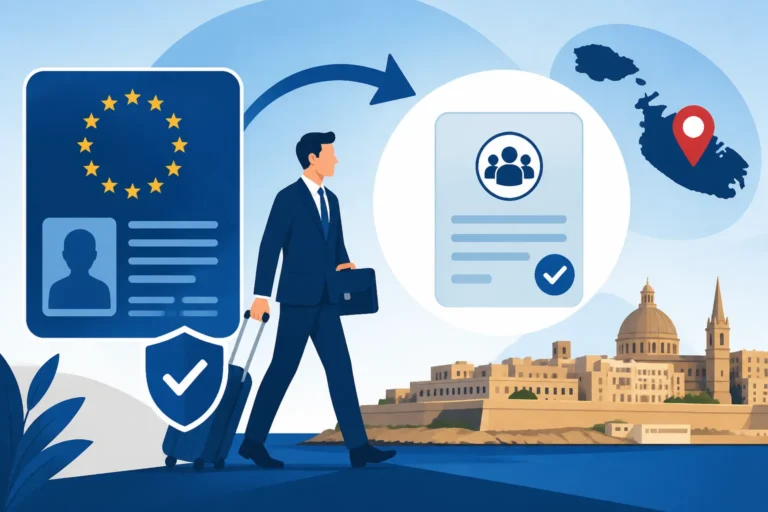
Job Hunting in Malta: Recruiters, Portals, and Networking
Moving to a new country and finding a job can feel like trying to solve a Rubik's Cube blindfolded. You've got the skills, the drive, and a genuine desire to build a life here in Malta, but navigating the local job market, understanding the unwritten rules, and figuring out where to even begin can be incredibly daunting. This guide is here to shed light on the often-murky waters of job hunting in Malta, exploring the most effective channels from online portals to the power of a well-placed connection.
Understanding Malta's Job Market Landscape
Malta, bless its tiny heart, has a surprisingly dynamic and often fiercely competitive job market, especially for expats. What might work in your home country might not fly here, and understanding the local nuances is half the battle. You’re not just looking for a job; you’re looking for a job in Malta, and that makes all the difference.
Key Industries and Growth Sectors
Malta’s economy has diversified quite a bit over the years, moving beyond just tourism, though that remains a significant player. For new arrivals, it's really important to know where the opportunities lie.
The iGaming sector, for instance, has been a massive magnet for international talent for years. Think online casinos, sports betting platforms, and all the tech, marketing, and customer support roles that go with them. It's a fast-paced environment, often very international, and generally a sector where English is the primary language of business. Many expats find their first jobs here, often in roles like customer service, risk management, or marketing. Then there's the financial services sector, which includes banking, insurance, and fintech. Malta has positioned itself as a hub for financial innovation, attracting companies looking for a stable EU base. This often means roles in compliance, auditing, accounting, and IT support. For those with a background in traditional finance, it can be a comfortable transition. Technology and IT are also consistently growing, with demand for software developers, network engineers, and data analysts across various industries. Remote work has also opened up opportunities, though local employment remains strong. Beyond these, healthcare is a constant need, particularly for medical professionals. Education, tourism (especially managerial and specialised roles), and manufacturing also provide a steady stream of opportunities, although some of these might require a more localised understanding or even some Maltese language skills.
The Importance of English and a Touch of Maltese
One of the biggest advantages for expats in Malta is that English is an official language, alongside Maltese. This means that for a vast majority of professional roles, especially in sectors like iGaming, financial services, and tech, English is not just accepted but often the required language of business. You'll find job descriptions almost exclusively in English, and interviews will certainly be conducted in English. This is a huge relief for many who fear a language barrier when moving abroad. You can definitely live and work in Malta using only English.
However, don't underestimate the goodwill you can build by showing an interest in Maltese. While not strictly necessary for most jobs, learning a few basic phrases can go a long way in everyday life and can even be a tie-breaker in some roles where you interact with the local population. It shows respect and a genuine desire to integrate. Resources like iTalki can be incredibly helpful if you decide to take the plunge and pick up some basic Maltese phrases. Imagine charming your colleagues or your local pastizzeria owner with a "Grazzi" or "Bonġu"! It's not about fluency, but about connection. For roles in the public sector, or jobs that involve direct, extensive interaction with the general public, knowing Maltese can be a significant advantage, and in some cases, a requirement. But generally speaking, your English skills will serve you very well in the Maltese professional landscape.
Navigating Online Job Portals
In today's digital age, online job portals are often the first port of call for anyone looking for work, and Malta is no exception. However, knowing which portals to focus on can save you a lot of time and frustration. It's not just about applying everywhere; it's about applying smarter.
Popular Maltese Job Boards
While international platforms are great, local job boards often have a more concentrated pool of Malta-specific roles, sometimes even before they hit the larger, more competitive sites. Think of them as your local market stalls, full of fresh produce.
One of the mainstays is Jobsplus, Malta’s national employment agency. Their website is a comprehensive resource, not just for job listings but also for information on employment regulations and registration. When you start working, you’ll be registering your employment with Jobsplus, so it’s a good idea to familiarise yourself with them early. While it might look a bit… government-y, it's an official source for vacancies across various sectors, from entry-level to professional roles. Another extremely popular local platform is KeepMePosted.com. This site has a very user-friendly interface and typically features a vast array of jobs, particularly strong in sectors like iGaming, finance, IT, and administrative roles. It’s frequently updated and many local companies use it as their primary recruitment channel. Similarly, Maltapark is a general classifieds website, but it also has a dedicated and active jobs section. You'll find a broader mix here, including trades, retail, and hospitality, alongside professional positions. It's worth checking regularly, as smaller businesses or individual employers often post here directly. MyJob.com.mt is another established player that focuses purely on career opportunities. Regularly checking these platforms, setting up job alerts, and tailoring your applications for each can significantly increase your chances of being seen by local employers.
International Platforms with a Maltese Presence
Don't just limit yourself to local sites; the global reach of international job platforms means many companies operating in Malta also post their vacancies there. These are your big, well-known supermarkets, with a wide selection.
Indeed, for example, is a global giant and has a strong presence in Malta. It aggregates listings from company websites and other job boards, making it a convenient one-stop shop for a broad overview of available roles. You can easily filter by location and industry, and its resume upload feature makes applying relatively straightforward. Similarly, Glassdoor, while known more for company reviews and salary insights, also has a robust jobs section for Malta. It's particularly useful if you want to get a sense of the company culture or typical salary ranges before applying. EURES, the European Job Mobility Portal, is another excellent resource, especially for EU/EEA citizens. It's designed to facilitate free movement of workers within Europe, so it often features jobs from Maltese employers actively seeking international talent. While some of these platforms might overlap with local listings, they often also carry exclusive postings from international companies with a presence on the island. Always make sure your location settings are correctly set to Malta, otherwise you might be swamped with irrelevant opportunities from other countries.
LinkedIn: Your Professional Hub
If you’re serious about your job hunt in Malta, LinkedIn isn't just an option; it's practically a necessity. It’s less a job board and more a dynamic professional ecosystem.
First and foremost, make sure your LinkedIn profile is fully updated, optimised with relevant keywords, and showcases your experience clearly. Think of it as your online CV and professional brand rolled into one. Recruiters in Malta actively use LinkedIn to source candidates, especially for more senior or specialised roles. Many companies post directly on their LinkedIn company pages, and it's also a great way to research potential employers. Beyond just applying to jobs listed on the platform, LinkedIn's true power lies in its networking capabilities. Connect with recruiters based in Malta, professionals in your target industry, and even current employees at companies you're interested in. Engage with posts, comment thoughtfully, and share relevant industry news. This visibility can lead to unexpected opportunities or referrals. Furthermore, many expat groups for Malta exist on LinkedIn, offering a space to share advice and opportunities. You might even find that people working at companies you admire share insights or advice. The key is to be active and visible, not just a passive consumer of job postings. A strong, active LinkedIn profile can be the digital handshake that opens doors.
The Role of Recruitment Agencies
For many expats, especially those new to the Maltese job market, recruitment agencies can be invaluable allies. They act as intermediaries, connecting job seekers with employers, and often have access to roles that aren't publicly advertised.
Why Use a Recruiter?
Recruitment agencies often have deep ties within specific industries and companies in Malta. They’re like insider guides, knowing the terrain far better than you can from the outside.
One of the primary benefits is their access to a wider range of opportunities. Many companies, particularly for specialised or senior positions, prefer to work directly with recruiters to fill roles, meaning these vacancies might never appear on public job boards. Recruiters also have an intimate knowledge of the local market, including typical salary expectations, company cultures, and even the quirks of the hiring process. This can be hugely beneficial when it comes to negotiating your package, as they can advise you on what’s standard for Malta, including benefits like health insurance or pension contributions. Moreover, a good recruiter can help you refine your CV and cover letter to suit Maltese employer expectations, offering valuable feedback that you might not get otherwise. They can also provide insights into interview styles and prepare you for specific questions. They essentially act as your advocate, selling your skills and experience to potential employers. And the best part? For job seekers, their services are usually free, as they are paid by the hiring companies. This makes them a no-brainer resource to tap into. They can be particularly helpful if you're exploring options within niches like iGaming, fintech, or IT, where they often have specialised consultants.
Top Recruitment Agencies in Malta
Malta has a healthy ecosystem of recruitment agencies, some focusing on broad sectors, others on specific niches. Knowing which ones to approach can save you time.
For broad sectors like administration, finance, HR, and general management, agencies like Castille Resources, Konnekt, and Broadwing Recruitment are often highly recommended. Castille, for example, is particularly strong in the IT and iGaming space, often having exclusive mandates for major industry players. Konnekt has a very wide reach, covering almost all professional sectors, and is known for its professional approach. Broadwing also covers a diverse range of industries and is quite active in the local market. For those in more niche areas, like specific engineering fields or high-level executive roles, it might be worth looking for specialist agencies that cater specifically to those areas. Sometimes, a quick Google search for "recruitment agency Malta [your industry]" can yield surprising results. Don't be shy to send your CV to a few relevant agencies, clearly stating your ideal role, experience, and the type of company culture you’re looking for. A good recruiter will keep your profile on file and reach out when suitable opportunities arise.
Managing Expectations with Recruiters
While recruiters can be fantastic, it's important to approach the relationship with realistic expectations. They're working for the client (the company), not just for you.
Firstly, communicate clearly and honestly about your skills, experience, and what you’re looking for. Don’t oversell or undersell yourself. Be upfront about any permit requirements you might have, as this is a critical factor for Maltese employers, especially for non-EU citizens who will need a Single Permit. If you can't be legally employed without sponsorship, ensure the recruiter understands this from the outset. Secondly, be patient. Recruitment can be a slow process, and you might not hear back immediately. Don't be afraid to follow up politely if you haven't heard anything in a reasonable timeframe, but avoid incessant calls or emails. Thirdly, remember that a recruiter is only as good as the roles they currently have on their books. If they don't have something for you right now, it doesn't mean you're unemployable; it just means the right fit hasn't come along yet. Maintain a professional relationship, and they might think of you when a new role appears. Always check job details carefully, and make sure the salary and terms align with your expectations before committing to an interview. Some expats also leverage financial advisors who specialise in international taxation, like Taxes for Expats, when considering a job offer to understand how their net income might be affected by Maltese tax laws, especially if they are coming from a country with a double taxation treaty with Malta. This ensures there are no surprises when it comes to your take-home pay.
Networking Your Way to Success
In a small country like Malta, who you know can often be just as important as what you know. Networking is a powerful, often overlooked, tool in your job hunting arsenal. It's about building genuine connections, not just collecting business cards.
Building Connections in the Maltese Community
The Maltese are generally very friendly and welcoming, and building connections within the local community can open doors you didn't even know existed.
Start by being open to social interactions. Join local sports clubs, take up a hobby, volunteer, or attend community events. Even casual conversations can lead to valuable leads or introductions. Many Maltese professionals are keen to help newcomers integrate, especially if you show genuine interest in their culture and country. Attending industry-specific events, workshops, or conferences (even virtual ones) is another excellent way to meet people in your field. Platforms like Meetup.com often list professional gatherings, tech meetups, or entrepreneurship events in Malta. Don't go in with a hard sell; focus on genuinely getting to know people, asking about their work, and sharing your own story. You’ll be surprised how often a casual chat about your background can lead to someone saying, “Oh, you should really talk to my friend at Company X.” This is the organic way things happen in Malta. Remember, relationships here are built on trust and personal connection, so investing time in building those relationships will pay dividends.
Expat Groups and Professional Associations
Connecting with fellow expats can provide not only emotional support but also practical advice and job leads. They’ve been in your shoes and understand the unique challenges of job hunting in Malta.
Facebook groups are a fantastic starting point. Search for "Expats in Malta," "Jobs in Malta," or "Professionals in Malta" groups. These communities are often buzzing with advice, job postings (sometimes informal ones), and recommendations for recruiters or companies. People share their experiences, warn about potential pitfalls, and celebrate successes. Beyond general expat groups, look for professional associations or industry-specific groups relevant to your field. For example, if you're in marketing, there might be a local marketing association; if you're in tech, specific tech meetups. These groups often have forums, events, or even mentorship programmes that can help you expand your network within your specific niche. The Malta Chamber of Commerce, Enterprise and Industry is another valuable resource, offering networking events and business directories. While some memberships might have fees, the opportunities to connect with key industry players can be well worth it. Leverage these communities for informal interviews, informational chats, and to learn about unadvertised vacancies. They're a goldmine of shared knowledge and collective experience.
Virtual Networking and Online Communities
Even if you’re not physically in Malta yet, or if your schedule makes in-person events tricky, virtual networking remains a powerful tool. The digital world has no borders, and Malta's professionals are active online.
As mentioned, LinkedIn is paramount. Beyond connecting with individuals, follow companies you admire in Malta. Engage with their posts, congratulate employees on new roles, and show genuine interest in their work. This subtle engagement can put you on their radar. Participating in online forums, webinars, and industry-specific discussions, even those not explicitly Malta-focused, can also help you connect with people who might have ties to the island. Consider attending online career fairs or virtual recruitment events specifically targeting Malta. Many international recruitment firms with a Maltese presence host such events. Another avenue could be professional groups on platforms like Reddit or dedicated industry Slack channels. While not always Malta-specific, you might find individuals there who have experience working in Malta or who can offer valuable global insights that are transferable. Always ensure your online presence is professional and reflects the image you want to project. The goal is to build a reputation as a knowledgeable and engaged professional, making people more likely to connect with you and consider you for opportunities.
Here's a quick comparison of the main job hunting methods:
| Method | Pros | Cons | Best For |
|---|---|---|---|
| Online Portals | Wide reach, easy to apply, 24/7 access, diverse range of jobs. | High competition, generic applications, can feel impersonal. | Entry-level to mid-level roles, quickly browsing a broad range of options. |
| Recruitment Agencies | Access to unadvertised roles, CV/interview coaching, market insights. | Limited to their client base, can be slow, sometimes push roles not ideal for you. | Specialised roles, mid-to-senior level, niche industries (e.g., iGaming, IT). |
| Networking | Access to hidden job market, personal recommendations, build relationships. | Time-consuming, results not guaranteed, requires proactive effort and social skills. | All levels, especially for higher-level or unique roles, long-term career building. |
Crafting Your Application: Malta-Specific Tips
So you’ve found some promising leads. Now comes the critical part: making your application stand out. While universal best practices apply, there are some Malta-specific nuances that can make or break your chances.
Tailoring Your CV and Cover Letter
Think of your CV and cover letter not as generic documents, but as bespoke suits tailored for the Maltese market. What flies in London or New York might not land as well here.
First, your CV: keep it concise, ideally two pages maximum. Employers in Malta appreciate clarity and directness. Ensure your contact details include your Maltese mobile number (if you have one) and a professional email address. Crucially, highlight any international experience, as many Maltese companies operate globally and value diverse perspectives. If you have any experience working in the EU, or with EU regulations, make that prominent. Include a brief, impactful personal statement or executive summary at the top that quickly communicates your value proposition and career goals. For specific advice, you can delve deeper into Writing a Maltese CV and Cover Letter That Get Noticed. Your cover letter is where you connect the dots for the employer. Don’t just repeat your CV. Explain why you are interested in that specific company and that specific role in Malta. Research the company, mention something specific about their work or values, and articulate how your skills align with their needs. If you’re a non-EU citizen, briefly state your work permit status or your understanding of the Single Permit process – this shows you’ve done your homework and are aware of the legal requirements. Avoid jargon that might be specific to your home country's industry if it's not universally understood. Always proofread meticulously; a clean, error-free application speaks volumes about your attention to detail.
Understanding Local Expectations and Red Tape
Malta is a fascinating blend of efficiency and bureaucracy, and the job application process can sometimes reflect this. Patience and thoroughness are key.
One thing you'll quickly realise is that things might move at a slightly different pace than you're used to. "Malta time" is a real concept, and it sometimes applies to recruitment processes too. Don't be discouraged if you don't hear back immediately. Following up politely after a week or two is generally acceptable. From a practical standpoint, be prepared for requests for various documents. When you eventually secure a job, your employer will likely need copies of your passport, educational certificates, and potentially references. For non-EU citizens, understanding the intricacies of the Single Permit application process is paramount, as your employer will be a key part of this. They will usually be the ones applying for your permit, and you'll need to provide all necessary documentation. It's a journey, and you can learn more about The Single Permit in Malta: Combined Work and Residence, Step by Step to be fully prepared. Also, be aware that a police conduct certificate is often a requirement for residence permits and some jobs, so having an idea of how to obtain one in Malta or from your home country can be helpful.
The Interview Process in Malta
The interview process in Malta generally follows international best practices, but there are a few cultural nuances worth noting.
First, professionalism is highly valued. Dress smartly, arrive on time (or a few minutes early), and be prepared. Research the company thoroughly and formulate thoughtful questions to ask at the end of the interview. This demonstrates your engagement and interest. Most interviews for professional roles will be conducted in English. While interviews might start formally, many Maltese interviewers appreciate a degree of warmth and personable interaction once the initial formalities are over. Don't be afraid to show a bit of your personality. Be ready to discuss your experience, your skills, and critically, why you want to work in Malta. Employers want to see that you're not just looking for a stepping stone but are genuinely interested in living and working on the island. If you're interviewing virtually, ensure you have a stable internet connection and a professional background. For some roles, especially in public-facing positions or where Maltese is spoken extensively, you might be asked to demonstrate some basic language skills, but this is rare for highly skilled expat roles. Finally, a handwritten thank-you note or a polite follow-up email after the interview can leave a positive lasting impression.
Beyond the Hunt: What to Expect Post-Offer
Congratulations, you've landed a job offer! While the main hunt is over, there are still a few important considerations, particularly for those new to Malta.
Permit Considerations and Sponsorship
For non-EU citizens, a job offer is often just the beginning of the immigration journey. Your employment is intrinsically linked to your residence permit.
The vast majority of non-EU citizens will require a Single Permit, which combines both your work and residence authorisation. Your employer is typically the one who initiates this application process on your behalf, so maintaining clear communication with them is crucial. They will provide you with the necessary documentation, such as an engagement form and a signed employment contract. It's important to understand that you generally cannot start working until your permit is approved. This can sometimes lead to a waiting period, and you can get an idea of How Long Does a Single Permit Application Take in Malta? to manage your expectations. Always ensure your passport has sufficient validity, usually at least six months beyond your intended stay. Renewing your permit is also an ongoing process, usually initiated by your employer before your current one expires. Keeping abreast of the requirements is key to a smooth transition and continued stay in Malta.
Salary Expectations and Cost of Living
Understanding what a Maltese salary means in real terms is vital for budgeting and ensuring a comfortable life.
Salaries in Malta can vary significantly by industry, experience, and role. While highly skilled positions in sectors like iGaming and finance can offer competitive packages, it's important to benchmark against local expectations rather than comparing directly to salaries in larger European economies or North America. The cost of living in Malta, while often considered lower than in some Western European capitals, has been steadily increasing, especially for rent in popular areas. Factors like utility bills, groceries, and transportation all play a part in your monthly outgoings. It’s highly recommended to research Cost of Living in Malta: Budgeting for the Real Numbers before accepting an offer to ensure your potential salary aligns with your lifestyle expectations. Also, remember that your take-home pay will be affected by income tax and social security contributions. Malta has a progressive tax system, and social security contributions are mandatory. Understanding Social Security Contributions and What They Fund in Malta will give you a clearer picture of your financial obligations and entitlements. Don't hesitate to ask prospective employers for a detailed breakdown of the compensation package, including any benefits like health insurance, mobile phone allowance, or relocation support. Being prepared financially will allow you to enjoy your new life in Malta without unnecessary stress.
Disclaimer
Please remember that while I strive to provide accurate and up-to-date information, the landscape of employment regulations and economic conditions in Malta can change. This guide is for informational purposes only and should not be considered legal or professional advice. Always consult official government sources, legal professionals, or certified financial advisors for specific guidance pertaining to your individual situation.