How Do I Register as a Jobseeker with Jobsplus in Malta?
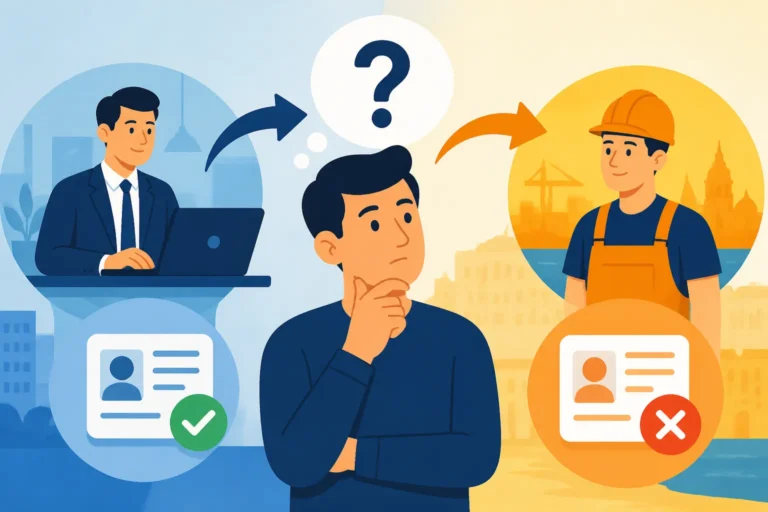
Oh, the sheer joy of navigating Maltese bureaucracy, eh? You've landed in this beautiful country, maybe with a job offer in hand, or perhaps with the brave intention of finding your feet and securing employment. Either way, at some point, you're going to hear about Jobsplus. It's not just a government department; it's the gateway to formal employment support and often a mandatory step for various permits and benefits. This guide will walk you through the often-confusing process of registering as a jobseeker with Jobsplus, ensuring you get it right the first time and understand what it means for your expat journey.
Why Bother Registering with Jobsplus in Malta? It's More Than Just a List!
When you first arrive in Malta, especially if you're not an EU citizen, it can feel like you're constantly chasing documents and approvals. And then someone mentions Jobsplus, and you might think, "Another hurdle?" But trust me, registering as a jobseeker with Jobsplus isn't just a bureaucratic checkbox; it's a fundamental step that ties into various aspects of your life here, from your employment status to your eligibility for certain benefits. It's Malta's national employment agency, and it's pivotal for both those actively seeking work and those who simply need to formalise their employment status.
Formalising Your Presence: The Link to Permits and Social Security
For many non-EU foreign nationals, registering with Jobsplus is a direct requirement tied to your residence and work permits. If you've come to Malta on a Single Permit, your employer will likely handle a lot of the initial paperwork that interacts with Jobsplus, but understanding the system is still crucial for you. For instance, if your employment status changes, you're laid off, or you decide to switch employers, your Jobsplus registration will become vitally important. It's how the authorities keep track of your employment situation and ensure you're compliant with immigration laws. Moreover, Jobsplus registration is intrinsically linked to your social security contributions, which in turn affect your access to things like healthcare in Malta and even sickness benefit if you ever need it. It's all part of the interconnected web of living and working here.
Unlocking Support: Training, Guidance, and Job Matching
Beyond the administrative necessity, Jobsplus actually offers resources that can genuinely help you. They're not just there to process papers; they're designed to facilitate employment. This includes access to job vacancies that employers are legally required to list with them, various training programmes, and even career guidance. While the expat community often relies on private recruiters and online job boards, Jobsplus remains a central point for understanding the local job market and accessing opportunities that might not be widely advertised elsewhere. Think of it as your official entry point into the Maltese labour ecosystem.
The Nitty-Gritty: How to Register as a Jobseeker with Jobsplus
Alright, let's get down to brass tacks. The process might seem daunting at first, but if you break it down, it's quite manageable. Jobsplus has made strides to digitise many of its services, but there are still nuances that require careful attention, especially for foreigners.
Eligibility: Who Can (and Must) Register?
Generally, anyone residing in Malta who is seeking employment and is of working age is eligible to register. However, for foreign nationals, specific conditions apply depending on your citizenship and residence status.
- EU/EEA/Swiss Nationals: If you're from an EU/EEA country or Switzerland, you generally have the same rights as Maltese citizens to seek and take up employment. You'll primarily need to register your residence with Identità to get your eResidence Card. Once that's sorted, registering with Jobsplus is a relatively straightforward process, mainly for accessing benefits or training, or if you're actively unemployed.
- Non-EU/EEA Nationals: This is where it gets a bit more complex. If you're a non-EU national, your ability to register as a jobseeker is directly linked to your work permit or residence permit status.
- Single Permit Holders: If you're employed on a Single Permit, your employer would have applied for your permit through Jobsplus (or Identità, which then liaises with Jobsplus). Your employment status is already known to them. If your employment ends, you'll need to inform Jobsplus and potentially register as unemployed to maintain your legal status while seeking new employment. This is a critical period where knowing your rights and obligations is key. What Happens to Your Permit If You Lose Your Job in Malta explains this in more detail.
- Other Permit Holders (e.g., Nomad Residence Permit, Student Permit): While these permits generally don't require you to be a jobseeker in the traditional sense, understanding your limitations is crucial. For example, Nomad Residence Permit holders are usually working remotely for a company outside Malta and are not considered part of the local labour market in the same way. Students on a Student Residence Permit may have specific restrictions on working hours and types of employment, requiring a separate Jobsplus licence to work while studying in Malta. Always check the specific conditions of your permit.
- Those Seeking a First Work Permit: If you're in Malta on a D-Visa (long-stay visa) or are transitioning from another status and need to apply for a work permit, your prospective employer usually initiates the process. Jobsplus plays a central role in approving the vacancy and the employment of third-country nationals, often requiring the employer to prove that no suitable Maltese or EU/EEA candidates were available for the role.
Required Documents: Don't Forget a Single Piece!
Malta, like many Mediterranean countries, loves its paperwork. When registering with Jobsplus, you absolutely must have all your ducks in a row. Missing even one document can lead to delays and frustration, sending you on a wild goose chase across the island.
Here's a general list of what you'll typically need, but always double-check the latest requirements on the Jobsplus website or by calling them, as these can sometimes change:
- Your eResidence Card (ID Card): This is non-negotiable. Your Maltese ID card number is your unique identifier for almost all administrative processes in Malta. If you're new and still waiting for yours, you might be in a bit of a holding pattern. You can't truly register as a jobseeker without it. Getting Your Maltese ID Card Number: The Key to Accessing Healthcare highlights its importance across various services.
- Passport: A valid passport is essential, especially for non-EU nationals, to verify your identity and nationality.
- Proof of Address: A recent utility bill (ARMS bill for electricity/water) or a rental agreement registered with the Housing Authority is usually sufficient. Remember, landlords need to register leases in Malta, so ensure yours is.
- Marriage Certificate (if applicable): If you're relying on your spouse's permit or applying for family reunification, this document will be needed.
- Curriculum Vitae (CV): While not strictly a 'registration' document, it's essential for utilizing Jobsplus's job matching services. Make sure your CV is up-to-date and clearly outlines your skills and experience. Writing a Maltese CV and Cover Letter That Get Noticed can help tailor it for the local market.
- Educational Certificates/Qualifications: Have copies of your diplomas and any professional certifications. If they're from abroad, you might need to get them recognised through the Malta Qualification Recognition Information Centre (MQRIC).
- Police Conduct Certificate: While not always required for initial jobseeker registration, it's frequently requested for various residence permits and employment licences, so it's good practice to have an idea of how to obtain one.
It's always a good idea to bring both original documents and photocopies. And a friendly word of advice: patience is a virtue when dealing with official processes in Malta!
The Registration Process: Online or In-Person?
Jobsplus has an online portal, which is often the most convenient way to initiate or manage your jobseeker registration. However, depending on your situation, an in-person visit might still be necessary, especially for the initial registration of non-EU nationals.
Online Registration (for initial EU/EEA, or existing jobseekers/employees)
- Access the Jobsplus e-Services Portal: Head over to the Jobsplus website. You'll need to register for an e-ID account if you haven't already. This is a general government portal that allows access to various online services, not just Jobsplus.
- Navigate to Jobseeker Services: Once logged in, look for the section related to "Jobseeker Registration" or "Employment Services."
- Fill in the Application Form: You'll be asked to provide personal details, contact information, educational background, work experience, and your job preferences. Be as thorough as possible.
- Upload Documents: You'll typically need to upload digital copies of your eResidence Card, passport, and CV.
- Submit and Await Confirmation: After submission, you'll receive a confirmation. Jobsplus will then review your application and may contact you for further information or to schedule an interview.
In-Person Registration (often required for initial non-EU registration or specific queries)
- Locate Your Nearest Jobsplus Office: Jobsplus has various offices across Malta. While there isn't a strict "which office" rule for initial registration like there is for health centres, it's advisable to check the main office locations in Ħal Far or Victoria, Gozo, or specific regional employment centres.
- Gather All Required Documents: As listed above, ensure you have both originals and copies.
- Book an Appointment (Highly Recommended): While walk-ins might be possible for some services, booking an appointment in advance can save you hours of waiting time. Check the Jobsplus website for their appointment booking system or contact them directly.
- Attend Your Appointment: During your appointment, a Jobsplus officer will guide you through the registration form, verify your documents, and discuss your employment history and job search goals. They might also provide information on available training programs or job vacancies. This is a good opportunity to ask questions about your specific situation.
- Receive Your Registration Confirmation: Once processed, you'll receive official confirmation of your jobseeker registration. This might be a physical document or an update to your online profile.
Remember, if you're a non-EU national, the employer usually starts the process for your work permit application. Once that's approved (the famous 'Approval in Principle'), and you're officially employed, Jobsplus then holds your employment records. If you then become unemployed, that's when you'd register as an active jobseeker.
Maintaining Your Jobseeker Status and What It Means
Registering with Jobsplus isn't a one-and-done deal. To keep your registration active and valid, especially if you're relying on it for your permit or benefits, there are certain responsibilities you need to uphold.
Regular Sign-Ins and Engagement
If you're registered as an unemployed jobseeker, you'll typically be required to sign in with Jobsplus at regular intervals. This is usually done online via their portal, but sometimes an in-person visit might be requested. This process confirms you are still actively seeking employment and are available for work. Failing to sign in can lead to your registration being suspended or cancelled, which can have serious implications for your residence status or eligibility for certain social security benefits. Jobsplus also expects you to show genuine engagement in your job search – simply signing in isn't enough; you should actively apply for suitable vacancies.
Updating Your Details and Seeking New Roles
Life in Malta changes quickly, and so might your circumstances. It's crucial to update Jobsplus about any changes to your:
- Contact Information: New phone number, email, or address. How Do I Update My Address with Identità in Malta? applies here too, as Jobsplus data often links with Identità.
- Qualifications or Skills: If you complete a new course or gain a certification, update your profile! This can open up new job opportunities.
- Employment Status: Crucially, if you find a job, you must inform Jobsplus immediately. Your jobseeker status will then be updated to 'employed.' Conversely, if you lose your job, you must register as unemployed.
- Availability for Work: If you become temporarily unavailable for work due to illness, for example, you should also inform them. This ties into your eligibility for things like Sickness Benefit in Malta.
Jobsplus provides resources to help you find work, and they do expect you to utilise them. This might include attending workshops, career guidance sessions, or applying for roles they suggest. Don't be afraid to take advantage of these resources; they can be invaluable, particularly if you're navigating a new job market. Perhaps you're looking to brush up on your language skills to better integrate? While Jobsplus might not offer direct language courses, platforms like iTalki can be a fantastic way to learn Maltese or improve your English for job interviews.
Beyond Registration: Making the Most of Jobsplus Services
Once you're successfully registered, Jobsplus offers a suite of services that can be beneficial for your career development and job search in Malta. Don't just register and forget about it; actively engage with what's on offer.
Training and Re-skilling Opportunities
Jobsplus often runs or promotes various training programmes designed to upskill the workforce. These can range from IT courses to hospitality training, and they are sometimes free or heavily subsidised. If you're looking to change careers or enhance your existing skills to make yourself more competitive in the Maltese job market, these programmes can be a game-changer. Keep an eye on their website or inquire at your local Jobsplus office about current offerings. Many expats find that adding local certifications or specialised skills makes their CV stand out.
Career Guidance and Support
Feeling a bit lost about your career path in a new country? Jobsplus offers career guidance services where you can discuss your options, strengths, and weaknesses with a professional advisor. They can help you identify suitable vacancies, refine your CV, and even prepare for interviews. This personalised support can be incredibly helpful, especially if you're trying to translate foreign qualifications or experience into a Maltese context. They can also offer insights into sectors that are currently hiring foreign workers in Malta.
Accessing the Jobsplus Job Vacancy Database
As mentioned, employers in Malta are often required to register vacancies with Jobsplus. This means their database is a valuable, though sometimes overlooked, source of job opportunities. While you should certainly use popular online job portals and recruitment agencies, regularly checking the Jobsplus vacancies can give you access to roles that might not be widely advertised elsewhere. It's another arrow in your quiver for Job Hunting in Malta: Recruiters, Portals, and Networking.
Understanding Your Social Security Entitlements
Your Jobsplus registration, particularly your employment history recorded with them, is directly linked to your social security contributions. These contributions are crucial as they determine your eligibility for various benefits, including unemployment benefits (if applicable), sickness benefit, and even future pension entitlements. Understanding How Maltese Health Entitlement Fits with Social Security Contributions is vital, as your contributions often unlock access to public healthcare. If you're self-employed, registering your employment with Jobsplus is still a crucial step, alongside registering with the Inland Revenue Department for your tax number (TIN) and paying your social security as a self-employed person in Malta. Similarly, for tax advice specific to your expat situation, consulting with a specialist like Taxes for Expats could be beneficial, ensuring you understand how your employment and social security contributions impact your overall tax liability.
Table: Key Differences in Jobsplus Engagement for Expats
| Feature | EU/EEA/Swiss Nationals | Non-EU/EEA Nationals |
|---|---|---|
| Initial Registration | Primarily for active job search or benefits. Often online. | Often linked to employer-initiated work permit (Single Permit) or required upon unemployment. May require in-person. |
| Primary Identifier | Maltese eResidence Card / ID Number | Maltese eResidence Card / ID Number |
| Permit Linkage | Generally no direct permit dependency for employment. | Direct link to work/residence permit validity. Unemployment registration is critical to maintain status. |
| Job Market Access | Full access to the labour market. | Access often tied to specific work permits/sectors; employers may need to prove no suitable local candidates. |
| Ongoing Obligations | Sign-ins for benefits, active job search. | Sign-ins for benefits/status, active job search to maintain legal residence if unemployed. |
| Key Documentation | ID, CV, qualifications. | ID, Passport, CV, qualifications, plus work permit/residence permit documents. |
Navigating Jobsplus might feel like another administrative hurdle, but approaching it with a clear understanding of its purpose and your obligations will make the process much smoother. It's an essential cog in the machinery of living and working in Malta, so embrace it, get your paperwork sorted, and you'll be one step closer to truly settling into island life.
Disclaimer
The information provided in this guide is for general informational purposes only and does not constitute legal, financial, or immigration advice. While we strive to keep the information up-to-date and accurate, regulations and procedures in Malta can change. Always consult official Jobsplus resources, legal professionals, or immigration advisors for advice specific to your individual circumstances.