Do Shops in Malta Still Accept Cash?
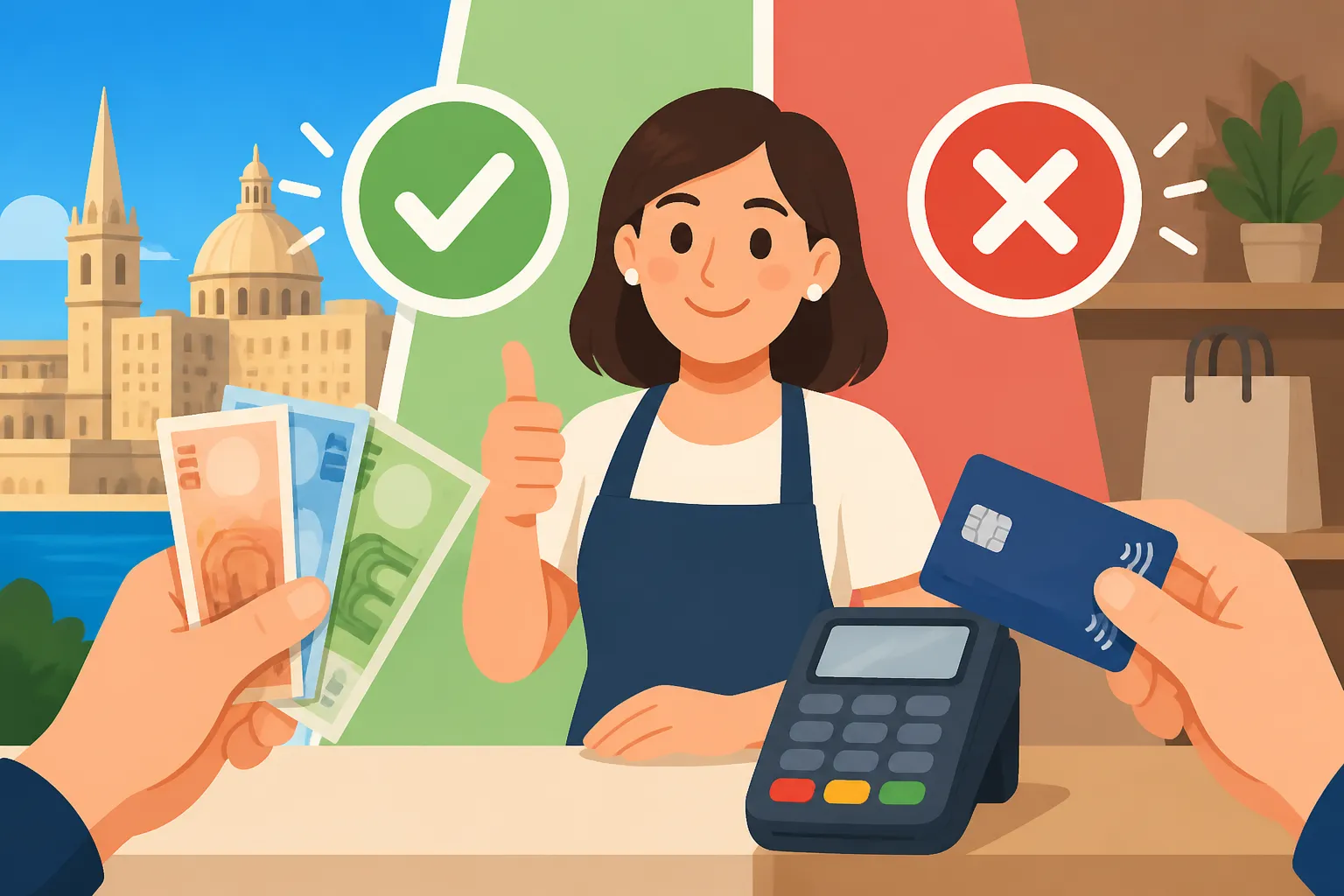
One of the first things many of us new to Malta wonder, especially if you’re coming from a country where contactless payment is king, is just how much cash you actually need to carry around. It’s a valid concern, because while Malta is very much a modern European nation, its relationship with cash versus card payments can sometimes feel like a charming step back in time, leading to a few head-scratching moments for the uninitiated. This guide will walk you through the nuances of payment methods on the island, so you'll always be prepared, whether you're grabbing a quick pastizz or doing your weekly shop.
The Enduring Role of Cash in Malta’s Daily Life
Despite the global push towards digital currencies and card-only establishments, cash remains a surprisingly prevalent and often preferred method of payment across Malta. You'll quickly learn that having a few euros in your pocket is not just a good idea; it's practically essential for seamless day-to-day living. This isn't out of any backwardness, but more a reflection of deeply ingrained local habits and the structure of many smaller businesses.
Everyday Transactions: Groceries, Markets, and Small Shops
When you first arrive, you might assume your card will cover everything, just like back home. While major supermarkets like Smart or Welbee's, and even many convenience stores (like those emblazoned with the popular 'Lidl' brand), are fully equipped for card payments, you’ll find that a significant portion of Malta’s charm lies in its smaller, independent shops. These ħwienet, as they’re known, range from the tiny corner grocery selling fresh bread and local produce to the beloved pastizzeriji serving up delicious savoury pastries. Many of these establishments, especially those run by older generations, either don’t have card machines, or they prefer cash transactions to avoid processing fees.
Imagine you're craving a freshly baked pastizz or a ftira for lunch. You pop into a bustling local pastizzerija, and after devouring your treat, you reach for your card – only to be met with a friendly but firm shake of the head and a pointing finger towards a small sign that says 'Cash Only'. Trust me, I’ve been there! It’s a common scenario. Similarly, if you’re buying fresh fruit and vegetables from a roadside vendor or a small butcher, cash is almost always expected. It’s part of the local fabric, and you’ll quickly adapt to carrying a few euros for these specific instances.
Services and Tradespeople: From Plumbers to Taxi Drivers
Beyond the small shops, cash often takes centre stage when dealing with various services and tradespeople. If you need a plumber, electrician, handyman, or even a cleaner, it’s highly probable they’ll prefer to be paid in cash. This is partly due to many operating as sole traders or very small businesses, where handling cash is simpler from an accounting perspective and, again, allows them to sidestep card processing fees.
Even some taxi services, particularly independent drivers or those you flag down rather than book through an app, might prefer cash. While popular ride-hailing apps like Bolt (which operates widely here) offer in-app card payments, if you’re using a traditional white taxi from a stand, or a smaller, local service, cash is often the default. The same goes for local barbers, hairdressers in smaller salons, and even some beauticians. It's not a universal rule, but it’s frequent enough that you should never assume card payment is guaranteed.
Public Transport and Local Festivities
For day-to-day transport, the Tallinja card for buses is incredibly convenient and mostly cashless once loaded. However, if you’re an infrequent user or a tourist, you can still buy a single ticket on board with cash, though it’s slightly more expensive than using a pre-loaded card. For those of us living here, having a Tallinja card is a game-changer for Public Transport in Malta: Free Bus Travel and the Tallinja Card.
However, when Malta truly comes alive during its vibrant village festas (feast days) or weekly open-air markets, cash becomes king once more. Stalls selling traditional sweets, drinks, or crafts at a festa will almost exclusively accept cash. Likewise, the bustling daily market in Valletta or the Sunday market in Marsaxlokk are predominantly cash-based affairs. These are places where the old traditions thrive, and so do the old payment methods. You'd feel out of place trying to tap your card for a bag of fresh strawberries at the market, and likely be unable to do so anyway.
Where Cards and Digital Payments Reign Supreme
While cash holds its own, don't get the impression that Malta is stuck in the past. The island has made significant strides in embracing modern payment technologies, especially in larger commercial settings and within the digital realm. Knowing where your card will be readily accepted can help you manage your cash flow effectively.
Supermarkets, Larger Retailers, and Restaurants
You can confidently use your debit or credit card at virtually all major supermarkets across Malta. Chains like Lidl, Smart, and Welbee's, along with larger convenience stores like Greens or Pavi/Pama, have excellent card facilities, including contactless payment options. The same applies to most modern retail stores, clothing boutiques, electronics shops, and larger pharmacies. If you're doing your main weekly grocery shop, you absolutely won't need to worry about having enough cash.
The restaurant scene in Malta is also largely card-friendly. From casual eateries to fine dining establishments, most restaurants, cafes, and bars will happily accept card payments. It's become standard practice, particularly in popular tourist and expat hubs like Sliema, St. Julian's, and Valletta. You can typically expect to pay by card without issue, though a small tip in cash is always appreciated.
Online Transactions and Digital Wallets
Malta's digital landscape has expanded considerably, making online transactions a breeze. If you're ordering groceries online, getting food delivered via apps like Bolt Food or Wolt, or shopping from local e-commerce sites, card payments are the norm. Most local businesses now have an online presence and secure payment gateways. This digital shift has made many aspects of daily life, from paying bills to ordering dinner, incredibly convenient from your couch.
For international money transfers or managing funds across different currencies, digital platforms are hugely popular among expats. Services like Wise (formerly TransferWise) are widely used for sending money home, receiving payments, or making online purchases without hefty bank fees. While not a direct point-of-sale option in most physical shops, these services are integral to managing your finances digitally in Malta, especially for those with foreign income. Speaking of managing finances, understanding Malta's tax system, which is complex for expats, is also crucial, and resources like Taxes for Expats can be invaluable in ensuring compliance, particularly when dealing with varied income streams.
Government Services and Larger Purchases
When it comes to official government services, many are now digital-first. For instance, applying for your How to Register for Health Entitlement with the Entitlement Unit in Malta, renewing your residence permit with Identità, or paying vehicle road tax can often be done online using a debit or credit card. This saves you the hassle of carrying large sums of cash or queuing at payment counters. The same generally applies to larger purchases, such as electronics, furniture from bigger stores, or booking accommodation. For example, if you're looking into Buying Property in Malta as a Foreigner: AIP Permits and the Process, every step of that process, from notary fees to down payments, will be handled through bank transfers or certified cheques, not wads of cash.
Even for utilities, while the ARMS utility bills can be a bit of a learning curve, they are certainly not a cash-only affair. You can pay your electricity and water bills online or set up direct debits from your Maltese bank account, which is much more practical than carrying cash to a payment office. Understanding Tiered Utility Tariffs and Registered Residents in Malta is also key here to avoid unexpected costs.
Navigating the Hybrid Payment Landscape: Practical Tips for Expats
As a newcomer, you’ll quickly realise that Malta operates on a 'best of both worlds' approach when it comes to payments. This hybrid system can be a little tricky to get used to, but with a few practical tips, you’ll master it in no time.
Always Carry Some Cash
This is perhaps the most crucial piece of advice any veteran expat will give you for living in Malta. Always, and I mean always, have some cash on you. It doesn't have to be a huge amount – a €20 note and a few smaller denominations (€5, €10, and a handful of change) should suffice for most impromptu cash-only situations. This means you won’t be caught out if you want to buy a bottle of water from a small kiosk, grab that delicious ġelat (ice cream) from a traditional parlour, or pay a small fee for a local service.
Think of it as your emergency fund for convenience. You might want to get a taxi from a less central location where ride-hailing app coverage is sparse, or perhaps you're visiting a village festa and want to experience the local crafts and food stalls. Without cash, you’d miss out. It’s a simple habit to cultivate, but one that will save you from minor frustrations time and again.
ATMs and Cash Machines: Where to Find Them
Fortunately, ATMs are readily available across Malta, especially in urban areas and popular towns. You’ll find them outside branches of the main banks, such as Bank of Valletta (BOV), HSBC Malta, and APS Bank. There are also independent ATMs in shopping centres and high-traffic tourist areas. Most ATMs accept international debit and credit cards, but be mindful of potential withdrawal fees from your home bank and sometimes from the ATM operator itself. It's always a good idea to check for any displayed charges before confirming your transaction.
While ATMs are widespread, they can sometimes run out of cash, especially on weekends or public holidays in smaller towns. So, if you know you'll need cash, it’s best to plan ahead and withdraw from an ATM in a main commercial hub like Sliema, St. Julian’s, or Valletta, where replenishment is more frequent. If you’re opening a local bank account, which is essential for many aspects of life here like managing your salary and paying local bills, you'll find that How to Open a Maltese Bank Account as a Newcomer usually makes ATM withdrawals free at your own bank's machines.
Understanding Local Preferences and Payment Methods
Part of integrating into Maltese life involves understanding and respecting local preferences. If you see a small shop or a market stall where everyone else is paying with cash, it’s a good sign that cash is expected. Don't be afraid to ask, "Do you take card?" or "Cash only?" (in English, which is widely spoken). Most people are very accommodating and will either say yes, point you to an ATM nearby, or confirm they only take cash.
Sometimes, even if a place has a card machine, it might be "out of order" or they might politely suggest cash. This isn't necessarily a scam; card machines can genuinely have technical issues, or the business might genuinely prefer cash for smaller transactions. Keep an eye out for signs at the till; sometimes they’ll indicate a minimum spend for card payments, for example, "Minimum €5 for card." Being flexible and having both options available will make your life much easier and your interactions more pleasant.
Payment Method Overview
To give you a clearer picture, here's a quick table outlining common payment methods for different types of transactions you'll encounter in Malta:
| Transaction Type | Preferred Payment Method | Card Acceptance (Typical) | Cash Acceptance (Typical) | Notes |
|---|---|---|---|---|
| Large Supermarkets (e.g., Lidl, Smart) | Card (contactless) | High | High | Almost always accept both. |
| Small Corner Shops / Ħwienet | Cash | Low to Medium | High | Many prefer cash, some have card machines for larger purchases. |
| Pastizzeriji / Bakeries | Cash | Low | High | Overwhelmingly cash-based for small, quick purchases. |
| Restaurants / Cafes / Bars | Card | High | High | Card is common, but cash tips are appreciated. |
| Market Stalls / Roadside Vendors | Cash | Very Low | High | Almost exclusively cash. |
| Public Buses (on board) | Cash (exact fare preferred) | Low | High | Tallinja Card is cashless; single tickets can be bought with cash. |
| Taxis (independent/stand) | Cash | Low to Medium | High | Often prefer cash; app-based taxis (Bolt) are cashless. |
| Tradespeople (plumber, electrician) | Cash | Very Low | High | Typically cash-preferred for ease of payment. |
| Online Shopping / Food Delivery Apps | Card (online) / Digital Wallet | High | N/A | Fully integrated digital payments. |
| Government Service Payments | Card (online/POS) | High | Medium | Increasingly digital, but some still offer cash options at payment centres. |
| Property Rent | Bank Transfer | N/A | N/A | Primarily bank transfers; avoid large cash payments for rent for security and record-keeping. |
The Future of Payments in Malta: A Gradual Shift
Malta, like the rest of the world, is on a trajectory towards increased digitalisation of payments, but it’s a journey with its own pace and local flavour. Understanding this gradual shift can help expats anticipate future changes while still appreciating current realities.
The Push for Digitalisation
The Maltese government and major financial institutions are actively encouraging the adoption of digital payments. Initiatives to promote online banking, contactless payments, and e-governance services are ongoing. The COVID-19 pandemic certainly accelerated this trend, with more businesses investing in card terminals and digital solutions. Banks like BOV and HSBC continue to upgrade their systems and offer more robust online banking platforms. Moreover, younger generations in Malta are just as tech-savvy as anywhere else, favouring card payments and digital wallets for convenience.
This push towards digitalisation also means that tasks like registering for your Getting Your Maltese ID Card Number: The Key to Accessing Healthcare or managing your tax affairs are becoming increasingly streamlined. Services like Taxes for Expats highlight the global trend towards digital record-keeping for tax purposes, and Malta is no exception. While a tax advisor can certainly help navigate the complexities of The Maltese Tax System Explained: Residence, Domicile, and Remittance, having a digital footprint for your transactions can simplify the process significantly.
Cultural Resistance and Traditional Practices
Despite the digital push, cash maintains a strong foothold due to cultural factors and the structure of Malta’s economy. Many smaller, family-run businesses, which form the backbone of local commerce, have always operated with cash and see little need to change. Older generations, who might be less comfortable with technology or have concerns about data privacy, often prefer cash transactions. This preference for tangibility and tradition is quite common and not something that will disappear overnight.
Furthermore, for many smaller businesses, the transaction fees associated with card payments can eat into already thin profit margins. This economic reality means that even if they have a card machine, they might prefer cash, especially for smaller purchases. It’s a pragmatic choice for many, and it underscores why the 'cash-only' sign persists in so many beloved local spots.
Implications for Foreigners: Preparing for Both Worlds
For you, as a foreigner living in Malta, the takeaway is clear: be prepared for a mixed payment landscape. You’ll thrive if you embrace flexibility and carry both cash and cards. This approach ensures you can participate fully in all aspects of Maltese life, from the modern shopping malls to the traditional village markets. Getting acquainted with the local banking system, understanding how Cost of Living in Malta: Budgeting for the Real Numbers includes these payment nuances, and setting up accounts with local banks or digital providers like Wise will put you in a strong position.
Ultimately, while the direction of travel is towards more digital payments, cash isn't going anywhere fast in Malta. It’s part of the island’s unique charm and a practical necessity for many. So, load up your Tallinja card, keep your bank card handy, but don't forget to stash a few euros in your wallet – you'll be glad you did!
Disclaimer
The information provided in this guide is intended for general informational purposes only and does not constitute professional financial, legal, or immigration advice. While every effort has been made to ensure accuracy and relevance as of the publication date, regulations and practices in Malta can change. Readers are strongly advised to consult with appropriate professionals, such as financial advisors, legal experts, or official government entities, for advice tailored to their specific circumstances.