How Much Is Children’s Allowance in Malta?
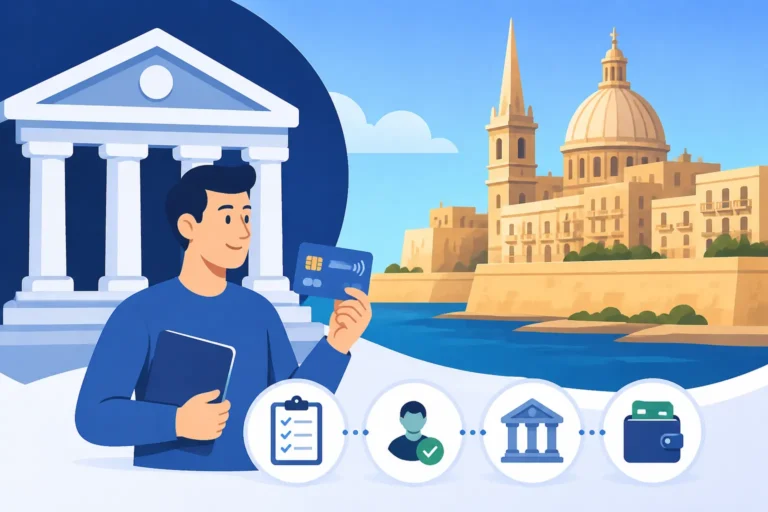
As an expat parent in Malta, one of the many things that can feel like deciphering ancient scrolls is navigating the local social benefits system. You hear whispers of "Children's Allowance," and immediately your mind jumps to questions: Is it for everyone? How much is it, really? And perhaps most importantly, how on earth do you even apply? Trust me, you're not alone in feeling this way. This guide is here to unravel the mystery of Malta's Children's Allowance, giving you the complete, nitty-gritty details, from who qualifies to how much you can expect, so you can manage your family's finances with a little less stress on this beautiful island.
Understanding Malta's Children's Allowance: More Than Just a Number
Let's be honest, when you're raising a family, every little bit helps, especially in a new country where the cost of living might surprise you. Malta's Children's Allowance is one of those crucial social safety nets designed to assist parents with the expenses of raising children. It’s not a universal benefit, however; it’s carefully structured around specific criteria, primarily focusing on residency and your family's income. This often leads to a fair bit of head-scratching for newcomers trying to figure out if they even stand a chance.
The scheme aims to provide financial support, acknowledging that kids, while absolutely wonderful, do come with a price tag – from nappies and school supplies to clothes and endless snacks! Understanding its nuances is vital, because what seems straightforward on paper can sometimes have unexpected twists when you're applying as an expat with potentially complex income streams or residency histories.
Who is Eligible for Children's Allowance in Malta?
First things first: eligibility. This isn't just about having children; it's about establishing your family's place within the Maltese social security framework. The core requirements revolve around your status as an "ordinary resident" and your contributions to the national insurance system. It’s a bit of a chicken-and-egg situation sometimes, as many social benefits are intrinsically linked to your social security payments.
To be eligible, at least one parent (or the legal guardian) must be considered an ordinary resident in Malta. This isn't just about physically living here; it implies an intention to reside here permanently or indefinitely, usually demonstrated by holding a valid residence permit and having established your life on the island. For most working expats, this box is ticked once you've secured your work and residence permits. Don't forget, establishing your residency correctly is often the gateway to accessing many public services, including healthcare, so getting your paperwork in order is crucial.
Secondly, and this is a big one for working expats, the claiming parent must be contributing to the Maltese social security system. This means you need to be either employed and paying Class 1 contributions or self-employed and paying Class 2 contributions. These contributions aren't just for healthcare; they underpin your entitlement to a range of social benefits, including sickness benefit, pension, and yes, children's allowance. If you’re an employee, your contributions are typically deducted automatically from your salary, which simplifies things. However, if you're self-employed, you'll need to be diligent in making your payments on time. You can learn more about the specifics of these contributions by reading our detailed guide on How Maltese Health Entitlement Fits with Social Security Contributions.
Finally, the allowance is for children from birth up until they turn 16. However, there’s an important extension: if your child is between 16 and 21 years old and is still attending full-time education, you can continue to claim the allowance for them. This provides much-needed support for families as their children move into post-secondary education. There are also provisions for children with specific needs or disabilities, where eligibility might extend beyond these age limits, reflecting the government's commitment to supporting vulnerable families.
The Income Threshold: How Family Earnings Affect Your Allowance
Now, let's talk about the money – specifically, your money. Malta's Children's Allowance is an income-tested benefit. This means that how much you earn as a family directly impacts whether you receive the allowance and, if so, how much. It’s not a universal handout; it’s designed to provide more support to families with lower incomes. This structure can sometimes catch higher-earning expat families off guard, as they might find themselves ineligible even though they are contributing to the social security system.
The Department of Social Security establishes specific income thresholds each year. These thresholds determine which bracket your family falls into and, consequently, the rate of allowance you'll receive. As of 2024, the maximum standard rate of Children's Allowance is typically awarded to families whose total parental income does not exceed a certain amount, usually around the €25,316 mark annually. If your combined income falls above this, the allowance starts to decrease incrementally.
It's crucial to understand what "total parental income" entails. This generally refers to the aggregated income of both parents (if applicable) for the preceding calendar year, before tax. For expats, this can get particularly complex if you have sources of income from outside Malta. While Malta operates on a remittance basis for certain tax residents, meaning foreign income not brought into Malta isn't taxed here, the Department of Social Security will typically assess your worldwide income to determine eligibility for social benefits. This is where clarity on your overall financial picture becomes paramount. Understanding Malta's intricate tax system, especially concerning residence, domicile, and remittance, can be quite challenging, so it’s worth consulting resources like our guide on The Maltese Tax System Explained: Residence, Domicile, and Remittance. Navigating these nuances can be a significant headache, and for many expats with varied financial portfolios, getting expert advice from services like Taxes for Expats can be invaluable in ensuring you're accurately reporting your income for both tax and social security purposes. Misunderstandings here can lead to delays or even rejection of your allowance application.
If your parental income falls into a higher bracket, say between €27,701 and €50,000, you might still be entitled to a reduced, flat rate of Children's Allowance. However, if your combined income exceeds the highest threshold (currently €50,000), you will generally not be entitled to the standard Children's Allowance. This approach ensures that the benefit is targeted towards those families who need it most, aligning with the broader philosophy of Malta's social welfare system. Keeping track of these thresholds and how they might change with annual budgets is essential for planning your family's finances.
Delving into the Numbers: Calculating Your Children's Allowance
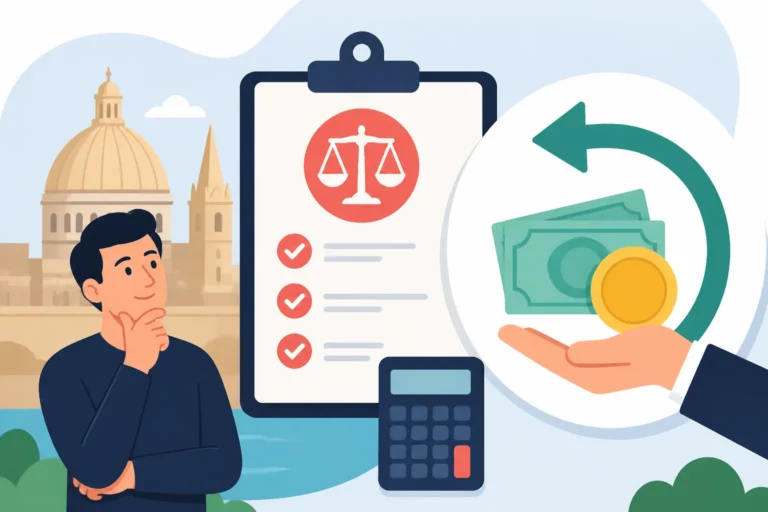
So, you've established your eligibility – fantastic! Now comes the part you've really been waiting for: how much can you actually expect to receive? The exact amount isn't a fixed figure for everyone; it’s a sliding scale, directly tied to your family's annual income. This income-testing mechanism means that families with lower earnings will receive a higher allowance, while those with higher earnings might receive a reduced or flat rate, or perhaps nothing at all above certain thresholds.
The figures are reviewed and often adjusted in the annual budget, usually coming into effect at the start of the year. While the core structure remains, the specific amounts can see slight increases to keep pace with the cost of living. It's always a good idea to check the most up-to-date figures, but I'll provide you with the general rates for 2024, which will give you a very solid indication.
The Standard Children's Allowance Rates
Let's break down the typical annual rates for Children's Allowance based on the parental income thresholds. Remember, these figures are per eligible child.
| Annual Parental Income (Gross) | Annual Children's Allowance (Per Child) | Notes |
|---|---|---|
| Up to €25,316 | €450 (Max. Standard Rate) | This is the highest standard rate for the Children's Allowance scheme. Families falling within this income bracket receive €450 per eligible child per year. |
| €25,317 – €27,700 | Varies, decreases gradually | Within this income bracket, the annual allowance amount per child will gradually decrease as parental income increases. The exact calculation is progressive, meaning the reduction is incremental. |
| €27,701 – €50,000 | €250 (Flat Rate) | Families whose income falls within this bracket receive a fixed flat rate of €250 per eligible child per year, regardless of where they fall within this range. This is a baseline allowance for moderately higher-earning families. |
| Above €50,000 | €0 | Generally, if your combined annual parental income exceeds €50,000, you will not be entitled to the standard Children's Allowance. There might be exceptions for specific scenarios or supplementary benefits, but not the core allowance. |
It's important to note that these figures represent the standard Children's Allowance. Malta also has supplementary benefits designed to further assist very low-income families, or those where one parent might be unable to work due to specific circumstances. These can top up the standard allowance, sometimes significantly, but they come with their own strict eligibility criteria. For example, some families might also be eligible for what is sometimes colloquially referred to as an 'in-work benefit' or additional children's bonus, which can bring the total annual support to higher figures for those with the lowest incomes. However, the table above reflects the foundational Children's Allowance.
For those with children aged between 16 and 21 who are still in full-time education, the same income thresholds and corresponding rates generally apply. You’ll need to provide proof of their ongoing enrollment to continue receiving the benefit. This extended support is incredibly helpful, especially as educational costs can accumulate rapidly during these crucial years.
Additional Benefits and Special Cases
Beyond the standard Children's Allowance, Malta's social security system offers other forms of support that expat families should be aware of, especially if their circumstances are particularly challenging. These additional benefits are designed to provide a more holistic safety net, acknowledging that family needs are diverse and can extend beyond basic monthly expenses.
One significant additional benefit is the Supplementary Allowance. This is targeted specifically at families and individuals with very low incomes who might be struggling to meet basic needs. Unlike the Children's Allowance, which focuses solely on the child, the Supplementary Allowance considers the household's overall financial situation, offering further relief. Eligibility for this is even more stringent than for the Children's Allowance, often requiring income to be below minimum wage thresholds or tied to specific social assistance programmes. It's an important aspect of the Maltese welfare state that aims to prevent families from falling into poverty.
For families raising children with disabilities, Malta offers enhanced support. This typically comes in the form of a Disability Allowance for children, which is paid in addition to the standard Children's Allowance. The criteria for this depend on the nature and severity of the child's disability, requiring medical certification and assessment by the relevant authorities. This crucial support helps parents cover the often higher costs associated with care, therapies, and special equipment for their children.
It's also worth noting that Children's Allowance is just one piece of the puzzle when it comes to family benefits in Malta. Parents also have access to benefits like the one-time Maternity Benefit, which is provided to mothers after childbirth, and various forms of leave, including Maternity, Paternity, and Parental Leave in Malta. These different provisions work together to support families from the earliest stages of parenthood through to their children's young adulthood. You can find a broader overview of these supports in our guide to Children's Allowance and Family Benefits in Malta. Each benefit has its own application process and criteria, so it’s essential to understand them individually if you believe you might be eligible.
The Application Process: Navigating the Maltese Bureaucracy
Alright, you've checked the boxes, understood the income implications, and you're ready to apply. While Malta has made strides in digitalizing its services, navigating the application process for social benefits can still feel like a bit of a labyrinth, especially for expats unfamiliar with local administrative practices. It's often not as simple as filling out one form and being done; it requires diligence, attention to detail, and sometimes, a good dose of patience.
The key to a smooth application is preparation. Gather all your documents, double-check every detail, and understand that the Maltese authorities will want to see proof of everything, from your residency status to your income. This meticulous approach is standard practice here, and anticipating it will save you a lot of frustration down the line.
Step-by-Step: How to Apply for Children's Allowance
The primary body responsible for administering the Children's Allowance is the Department of Social Security. While you used to have to visit their offices in person, much of the process can now be initiated or completed online, which is a blessing for busy parents.
Here’s a general step-by-step guide on how to apply:
- Obtain Necessary Forms: You can usually download the application form (Form CA 1) from the website of the Department of Social Security, or pick one up from their offices. Sometimes, you can even start an application directly through the mySocialSecurity online portal if you have your e-ID.
- Gather Your Documents: This is the most critical part. You'll need:
- Both Parents' eResidence Cards and ID Numbers: This proves your identity and residence status. If you're still waiting for yours, you might want to read Getting Your Maltese eResidence Card and ID Number for guidance.
- Children's Birth Certificates: Original or certified copies.
- Marriage Certificate (if applicable): To prove parental relationship.
- Lease Agreement/Proof of Residence: To further establish your ordinary residence in Malta. This is especially important for non-EU nationals.
- Income Statements/FS3 Forms: Your employer should provide you with an FS3 form at the end of each year, detailing your earnings and social security contributions. If you're self-employed, you'll need your tax returns (TA22 or TA24 forms) or other proof of income. This income information will be used to assess your eligibility against the thresholds mentioned earlier.
- Bank Account Details: For direct payment of the allowance.
- Proof of Full-Time Education (for children aged 16-21): A letter from the educational institution confirming enrollment.
- Complete the Form Carefully: Fill out every section completely and accurately. Any missing information or discrepancies can lead to delays. Double-check names, dates, and numbers.
- Submit Your Application: You can submit the form and supporting documents either online via the mySocialSecurity portal (if available for this specific application type and if you have an e-ID) or by sending them via registered mail to the Department of Social Security, or by visiting one of their district offices. For expats, visiting an office might be beneficial for clarification if you have complex circumstances, but always book an appointment if possible to avoid long waits.
- Application Timing: It's generally advised to apply as soon as possible after your child is born (or after you become eligible, e.g., by establishing residency). The allowance can sometimes be backdated, but it's best not to rely on this. For newborns, many parents integrate this into their process of How Do I Register a Newborn for Healthcare in Malta?.
Remember, the bureaucracy can be slow. Don't expect an instant decision. Be prepared to wait a few weeks, or even a couple of months, for processing.
What Happens After You Apply? Payments and Reviews
Once your application has been successfully submitted and processed, and you've been deemed eligible, the Department of Social Security will notify you of their decision. If approved, you’ll receive an official letter confirming your entitlement and the rate of allowance you’ll be receiving.
Payments for the Children's Allowance are typically made quarterly, meaning you'll receive a lump sum every three months, usually transferred directly into the Maltese bank account you provided during your application. This direct deposit method makes it convenient, as you don't have to worry about cheques or cash collections. If you have any foreign accounts and need to manage funds across borders, services like Wise can be incredibly helpful for moving money efficiently, though the allowance itself will be paid into a local Maltese account. Establishing a local bank account early on is crucial for this, and you can get tips from our guide on How to Open a Maltese Bank Account as a Newcomer.
It's vital to understand that your entitlement isn't set in stone forever. The Department of Social Security conducts annual reviews to reassess your eligibility, primarily based on your updated income. Around springtime each year, you might receive a request for updated income statements (e.g., your FS3 form from your employer for the previous year). This ensures that the allowance continues to be distributed fairly and according to the most current financial situation of your family. If your income has increased significantly, your allowance might be reduced or cease altogether. Conversely, if your income has decreased, you might become eligible for a higher rate.
This annual review process is why it's absolutely paramount to keep your information up-to-date with the Department of Social Security. If your circumstances change – for example, a significant change in employment, a child leaving full-time education, or moving address – you are legally obliged to notify them. Failing to do so could lead to overpayments, which you would then be required to pay back, creating unnecessary financial stress. Proactive communication with the authorities is always the best policy.
Practical Tips and Common Pitfalls for Expats
As an expat, you’re often navigating systems that weren't necessarily designed with international complexities in mind. This can make applying for something like Children's Allowance feel like an uphill battle, especially when you're already juggling work, family, and adapting to a new culture. But with a little foresight and understanding of common pitfalls, you can streamline the process and minimise the stress.
The key is to approach it with a pragmatic mindset, understanding that patience and thoroughness are your best friends when dealing with Maltese bureaucracy. Validate your own frustrations, but then equip yourself with the tools and knowledge to overcome them.
The Paperwork Mountain and Proving Residency
One of the most persistent complaints from expats across all administrative processes in Malta, including social benefits, is the sheer volume of paperwork and the meticulous scrutiny it receives. Applying for Children's Allowance is no exception. You might feel like you're handing over your entire life history, and truthfully, to some extent, you are!
The challenge for expats often lies in proving "ordinary residence." While your eResidence Card confirms your legal right to reside in Malta, the Department of Social Security looks for further evidence of your genuine intent to make Malta your home. This might include your lease agreement (or property ownership), utility bills, and even your history of social security contributions. Keep copies of every single document you submit, and maintain a meticulously organised file. When in doubt, provide more documentation rather than less. It might seem excessive, but it can prevent requests for further information and subsequent delays. You might find our guide on Residence Permits in Malta: Types, Requirements, and How to Apply helpful in understanding the broader context of proving your residential status.
Another common pitfall involves income verification, especially if you have a non-standard employment history or income from abroad. The Department of Social Security needs to be able to clearly see your previous year's income to calculate your allowance. If your income sources are complex, or if you only moved to Malta mid-year, providing clear, translated, and officially accepted proof of income can be a hurdle. This is where professional advice, perhaps from a tax consultant or a service like Taxes for Expats, can really smooth things over, ensuring that your financial declarations are accurate and presented in a format that the Maltese authorities understand. They can help bridge the gap between foreign financial reporting and Maltese requirements, making your allowance application much less fraught with difficulty.
Managing Finances and Staying Informed
Once you're receiving the Children's Allowance, effective financial management becomes paramount. It's a quarterly payment, so you need to factor this into your household budget rather than expecting monthly injections of cash. This means setting aside portions of the quarterly payment to cover regular, smaller expenses related to your children. Budgeting carefully for your family’s expenses is always a good idea in Malta, and you can get further tips in our article on the Cost of Living in Malta: Budgeting for the Real Numbers.
Beyond budgeting, staying informed about any changes to the allowance rates or eligibility criteria is crucial. The Maltese government often announces changes during the annual budget speech, which typically happens in October. These changes then usually come into effect from the following January. Keep an eye on local news, the Department of Social Security website, or expat community groups for updates. Ignorance of changes isn't usually accepted as an excuse for incorrect claims or overpayments.
Finally, consider the broader picture of your family's finances. If you have income or savings in other currencies, remember that exchange rates can fluctuate. While the Children's Allowance is paid in Euros, if other parts of your family's financial plan involve international transfers, tools like Wise can help you manage these effectively, ensuring that more of your money reaches your Maltese bank account without excessive fees. Every Euro saved on transfers or lost to poor exchange rates is a Euro less for your children’s needs. Being proactive and seeking clarity from official sources or trusted advisors will help ensure that your family can fully benefit from the support available while living in Malta.
Disclaimer
The information provided in this guide is for general informational purposes only and does not constitute legal, financial, or professional advice. While we strive to keep the information accurate and up-to-date, regulations and policies in Malta can change. Always consult with the official government sources, legal professionals, or financial advisors for advice tailored to your specific situation.