Can I Get a Maltese Phone Number Without a Residence Card?
Moving to Malta is exciting, but let's be real, the administrative side can feel like a never-ending quest for paperwork. One of the first things you need when you land, often even before your bags are fully unpacked, is a working phone. Yet, many of you arrive without that coveted eResidence card, and the big question looms: can you actually get a Maltese phone number and stay connected without it? Absolutely, and this guide is going to walk you through exactly how, so you can ditch the Wi-Fi hunt and start using your own data.
The Catch-22 of Maltese Admin: Residence Card First?
It’s a common frustration that many expats share, myself included, when you first arrive on these islands. It feels like every single administrative step, from opening a bank account to getting your utilities sorted, requires your Maltese eResidence card. You’re told it’s your key to everything, the holy grail of officialdom. And while it’s true that the eResidence card simplifies a lot of things once you have it in hand, the reality is you don't always need it for every single thing. This often creates a chicken-and-egg situation that leaves newcomers feeling stuck and bewildered, trying to navigate daily life without the very document that would make it easier.
Why the Residence Card Feels Like the Master Key
The eResidence card isn't just a piece of plastic; it's your official proof of legal residence in Malta, confirming your identity, your address, and your entitlement to various services. For many official bodies, it's the primary document they recognise. Without it, you might find yourself explaining your status over and over again, often encountering blank stares or a polite but firm "we need your ID card." This can be incredibly disheartening, especially when you're just trying to do something as simple as set up a phone. It makes you feel like an outsider, constantly having to justify your presence, even when you're fully within your rights to be here. The administrative burden can be a real emotional drain.
The Good News for Your Phone Number
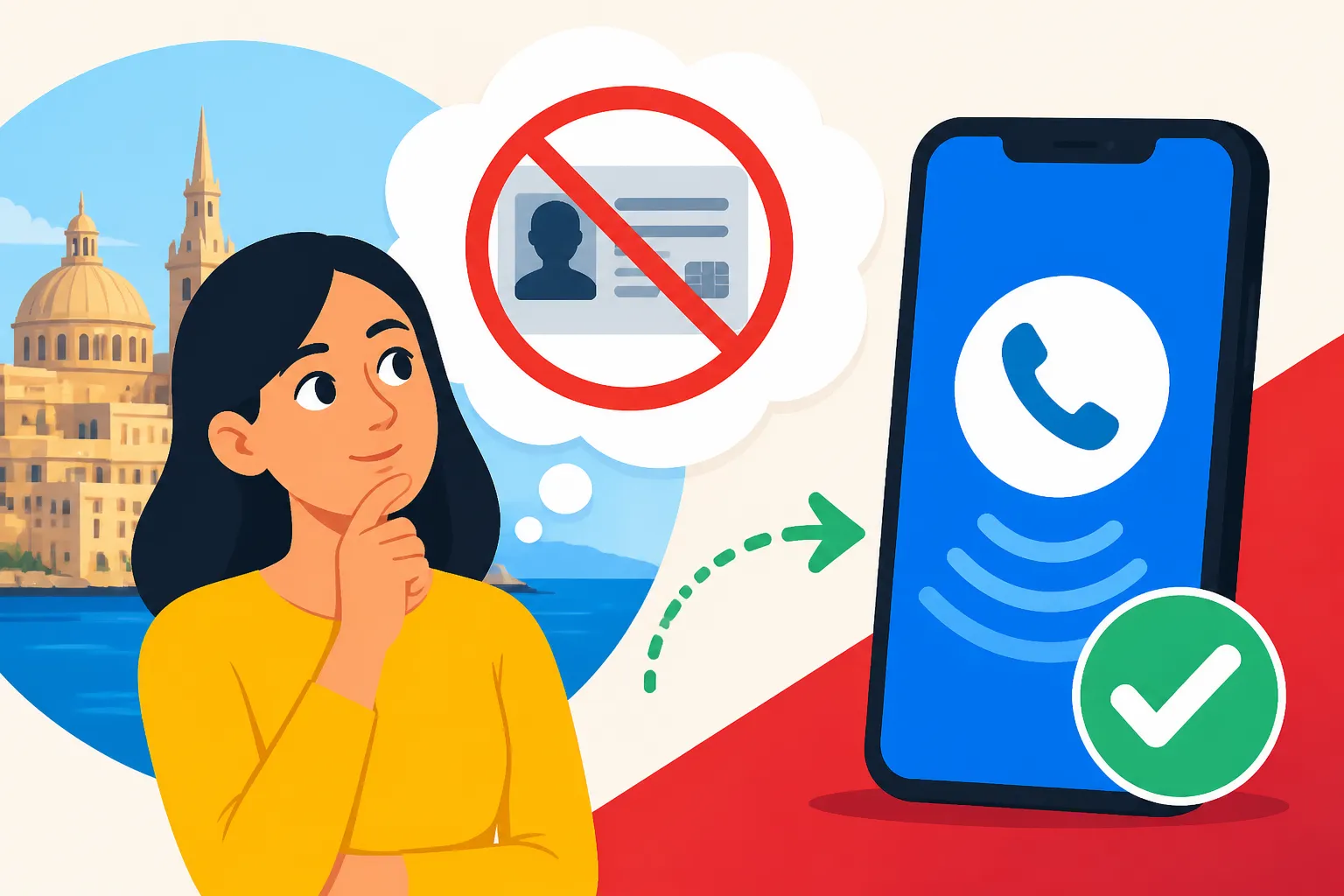
But here’s a massive sigh of relief for you: when it comes to getting a basic Maltese phone number, you absolutely can bypass the eResidence card requirement. For pre-paid services, the process is surprisingly straightforward and doesn't demand the extensive documentation you might expect for other services. This means you can get connected almost immediately upon arrival, allowing you to use navigation apps, contact your new landlord, or simply call home without relying on spotty Wi-Fi signals. It’s one of the few initial wins you’ll get in the Maltese administrative race, so celebrate it!
Your Options for Getting a Maltese SIM Card
Alright, let's dive into the practicalities of getting you connected. You have a couple of solid options available, each with its own benefits depending on how long you plan to stay and what your immediate needs are. The good news is that both routes are perfectly accessible even if your eResidence card is still a twinkle in Identità’s eye.
Pay-As-You-Go Prepaid SIM Cards
This is by far the easiest and quickest way to get a local number in Malta. You simply buy a SIM card, top it up with credit, and you’re good to go. There’s no lengthy contract, no credit checks, and crucially, no need for your eResidence card. It’s a lifeline for those first few weeks or months.
You can pick up a prepaid SIM card from pretty much anywhere that sells electronics or even just basic amenities. Your best bet is usually a dedicated store for one of the main telecom providers – think GO, Epic, or Melita – because the staff there can help you set it up on the spot and explain the various bundles. However, you'll also find them in most convenience stores, larger supermarkets, and kiosks. Just ask for a "prepaid SIM card" or a "top-up card" if you already have one.
When you purchase a prepaid SIM, you'll generally just need your passport or national ID (if you're an EU/EEA citizen). They'll take a quick copy for their records, and that’s often all it takes. No proof of Maltese address is typically required, or if it is, a temporary address like your Airbnb or hotel will suffice. Once you have the SIM, you can choose from various data, call, and SMS bundles that last for a certain period, usually 28 or 30 days. These bundles are perfect for managing your spending and ensuring you always have enough data to navigate the island or stay in touch. For example, some bundles offer generous amounts of data for a very reasonable price, a stark contrast to roaming charges. This flexibility is a godsend when you're still figuring out where to rent or how to apply for a long-term visa. It’s also much easier than trying to figure out how to navigate the rental market, especially if you're still waiting on that crucial residence permit. You can find more tips on these early administrative hurdles in our guide on Do I Need a Residence Permit to Rent in Malta?.
eSIMs for Immediate Connectivity
If you have a newer smartphone, an eSIM could be an even more convenient option. An eSIM, or embedded SIM, is a digital SIM card that allows you to activate a cellular plan without needing a physical SIM card. The biggest advantage here is that you can often purchase and activate an eSIM before you even land in Malta. Imagine stepping off the plane, turning on your phone, and already having local data and calls – pure bliss!
Many international eSIM providers offer plans for Malta. Services like Airalo are incredibly popular for this very reason. You simply download their app, choose a plan for Malta, pay for it, and follow a few simple steps to activate it on your phone. It’s a seamless process that removes the need to find a physical store or worry about documentation at all. This is particularly useful for short visits, digital nomads, or anyone who wants connectivity from the moment they arrive without any fuss. The plans are usually data-focused, which is perfect for maps, messaging apps, and browsing. While they might not provide a local Maltese phone number for calls, they give you the essential data connectivity you need. This immediate access to the internet can be a game-changer when you're fresh off the plane and trying to orient yourself, allowing you to bypass one of the initial logistical headaches. For more on getting connected with internet and mobile services generally, take a look at our full guide on Getting Internet and Mobile Service in Malta.
What You'll Need to Get Connected
So, you’ve decided on your preferred method of getting connected. Now, let’s talk about the nitty-gritty of what you'll actually need when you walk into that shop or click that 'buy now' button. It’s less intimidating than you might think, especially for prepaid options.
Essential Documents
For a physical prepaid SIM card from one of Malta's main providers like GO, Epic, or Melita, the requirements are pretty minimal, which is a huge relief for new arrivals.
- Your Passport: This is almost always sufficient. The staff will typically just need to see your valid passport to verify your identity. They might make a quick photocopy for their records, as part of their Know Your Customer (KYC) obligations, but that's usually the extent of it.
- National ID Card (for EU/EEA citizens): If you're from an EU or EEA country, your national ID card will serve the same purpose as a passport. It’s a readily accepted form of identification.
What you generally won't need for a prepaid SIM:
- Maltese eResidence Card: As we’ve established, this is the whole point! You can get a prepaid SIM without it.
- Proof of Maltese Address (usually): While some providers might ask for a local address for their internal records, a temporary address (like your hotel, Airbnb, or even your friend's place if you're staying with them) is usually perfectly acceptable for prepaid services. They're primarily interested in your identity, not your long-term residential status for a simple top-up SIM.
For an eSIM from an international provider like Airalo, you'll need even less physical documentation. You’ll just need:
- A Valid Payment Method: A credit card, debit card, or PayPal account to purchase the eSIM plan online.
- An eSIM-Compatible Device: Your phone needs to support eSIM technology, which most modern smartphones do.
It’s truly one of the simpler administrative tasks you'll face when settling in. Take this small victory and use it to power through the rest of your initial to-do list!
The Process: Simple Steps to Connectivity
Getting that physical SIM card into your phone is usually a breeze. Here’s a typical walkthrough of how it goes down, whether you’re strolling into a dedicated telecom shop or a small kiosk.
- Locate a Store: Head to a store for one of the main providers (GO, Epic, Melita) or a larger convenience store/kiosk. You'll find them in most towns, especially in popular expat areas like Sliema, St. Julian's, or Valletta.
- Ask for a Prepaid SIM: Simply tell the staff you want a "prepaid SIM card" or a "pay-as-you-go SIM." They’ll usually present you with a few options for initial bundles or starter packs.
- Present Your ID: Hand over your passport or EU/EEA national ID card. They’ll quickly scan or copy it. Don't be alarmed; this is standard procedure.
- Choose Your Plan/Bundle: The staff will explain the available bundles, which usually include a certain amount of data, calls, and texts for a fixed period (e.g., 28 or 30 days). Pick the one that suits your needs. If you’re unsure, a basic data-heavy bundle is often a good starting point. You can always change it later.
- Pay and Activate: Pay for the SIM card and your chosen bundle. The staff will often activate the SIM for you on the spot, inserting it into your phone and ensuring it connects to the network. Sometimes, you might need to dial a short code or send an SMS to activate the bundle yourself.
- Test It Out: Make a quick call or try to access the internet to ensure everything is working. If you have any trouble, the staff will be there to help.
- Topping Up: Once your initial bundle expires or you run out of credit/data, you'll need to top up. This can be done at the same stores, kiosks, online via the provider's website or app, or through scratch cards available at various retailers. It’s incredibly easy, so you won’t be left disconnected.
This whole process usually takes no more than 10-15 minutes, and you'll walk out with a fully functioning Maltese phone number. It's one of the few administrative tasks that feel genuinely efficient and user-friendly for new arrivals. It’s a huge relief to tick off such a vital item from your initial moving-to-Malta checklist. For other crucial steps to take right after you arrive, check out our guide on What Should I Do in My First Week After Moving to Malta?.
Beyond the Basics: Considerations for Long-Term
While a prepaid SIM is your best friend for initial connectivity, as you settle into Maltese life, you might start thinking about more permanent solutions. There are distinct advantages to moving from a pay-as-you-go setup to a contract-based plan, but these often bring back the familiar "eResidence card required" hurdle.
When a Contract Might Become Necessary
For many long-term residents, a post-paid contract becomes the preferred option eventually. Why? Because contracts often offer better value for money, especially if you're a heavy user of data, calls, or international minutes. They can also come with perks like discounted phone upgrades, family plans, or bundled services that include home internet and TV – something the major providers like Melita and GO are keen on offering. With a contract, you don't have to worry about constantly topping up or running out of credit at an inconvenient moment; you get a monthly bill and consistent service.
However, the catch here is that to get a post-paid contract, you will almost certainly need your Maltese eResidence card. Telecom providers need a higher level of verification and a guarantee of payment when entering into a contract. This usually involves:
- Your Maltese eResidence Card: This proves your legal right to reside in Malta and serves as your primary ID.
- Proof of Stable Maltese Address: This could be a utility bill in your name (which often requires your eResidence card to set up in the first place), or a rental agreement.
- Proof of Income or Employment: To assess your creditworthiness, providers might ask for a recent payslip or an employment contract.
It's a step up in terms of bureaucracy, but by the time you're considering a contract, you'll likely have these documents in hand, or at least be well on your way to getting them. Don't fret if you're still waiting for that important piece of plastic; our comprehensive guide on How Do I Get a Maltese eResidence Card? can help you navigate that process. Once you have it, transitioning to a contract will be much smoother.
Keeping Your Number and Topping Up
Regardless of whether you stick with prepaid or eventually move to a contract, managing your phone number and credit is straightforward.
-
Prepaid Top-Ups: If you're on a prepaid plan, you can top up your credit in several ways.
- Physical Vouchers: Buy scratch cards from virtually any corner shop, supermarket, or petrol station. You scratch off a code and dial it into your phone.
- Online/App: All major providers have websites and mobile apps where you can top up directly using a debit or credit card. This is often the most convenient method.
- ATMs: Some bank ATMs also offer top-up services for the major networks.
- Direct Debit (rare for prepaid): Some providers might offer an auto-top-up option linked to a bank card, but this is less common for pure prepaid.
-
Number Portability: If you decide to switch providers – say, from GO to Epic, or vice versa – you can usually keep your existing Maltese phone number. This process is known as "number portability." You'll need to inform your new provider that you wish to port your number, and they will guide you through the process, which usually involves signing a form and confirming your details. It’s a standard service and ensures you don’t have to notify everyone of a new number.
It’s all designed to be user-friendly, ensuring you maintain consistent access to your phone services without unnecessary headaches. Just like managing your other bills, it becomes part of the routine. For guidance on other online payment systems in Malta, our article on How Do I Pay My ARMS Utility Bill Online in Malta? might be helpful.
Making the Right Choice for Your Situation
Choosing the right mobile phone plan in Malta really comes down to where you are in your expat journey and what your priorities are. There's no one-size-fits-all answer, but understanding the pros and cons of each option will help you make an informed decision.
Short-Term vs. Long-Term Needs
When you first arrive, your needs are typically short-term: immediate connectivity, flexibility, and minimal bureaucracy. This is where prepaid SIM cards and eSIMs truly shine.
- Prepaid/eSIM for Initial Arrival and Flexibility:
- Pros: Easy to obtain, no residence card required, no contracts, flexible top-ups, great for managing costs, ideal for short stays or while you're waiting for paperwork. eSIMs offer instant digital activation.
- Cons: Can sometimes be slightly more expensive per GB than a contract in the long run, no device subsidies, might not include certain long-term benefits or bundled home services. If you’re not vigilant, you might run out of credit at an inconvenient time.
As you settle in, secure your residence permit, and establish a local bank account and address, your needs shift towards stability and potentially better value. This is when a post-paid contract comes into play.
- Post-paid for Stability and Better Deals:
- Pros: Often better value for heavy users (more data, minutes), convenience of monthly billing, potential for device bundles or multi-service packages (internet, TV), better customer support for contract holders.
- Cons: Requires an eResidence card and proof of address/income, involves a fixed-term commitment (usually 12 or 24 months), can incur early termination fees if you leave the country unexpectedly.
For many, the journey starts with a prepaid SIM or an eSIM, providing that essential bridge during the initial, often chaotic, period of settling into Malta. Then, once the administrative dust settles and you feel more rooted, transitioning to a contract often makes financial and logistical sense.
Comparing Providers: GO, Epic, Melita
Malta has three main telecommunications providers, all of which offer a range of prepaid and post-paid options:
- GO: As one of Malta's oldest and largest providers, GO offers a comprehensive range of services, including mobile, internet, TV, and fixed-line. Their mobile plans are competitive, often with attractive bundles that combine data, calls, and texts. They have a wide network coverage across the islands. For those looking for integrated home services later on, GO is a strong contender.
- Epic: Formerly Vodafone Malta, Epic is a major player known for its strong focus on data-centric plans. They frequently offer generous data allowances at competitive prices, making them popular among younger expats and heavy internet users. Epic also has a good reputation for customer service and regularly rolls out new promotions.
- Melita: While perhaps best known for its internet and TV services, Melita also has a significant presence in the mobile market. They often appeal to customers looking for bundled packages that combine mobile, internet, and TV services into a single bill, which can simplify household finances. Their mobile-only plans are also competitive, especially for data.
Here’s a quick comparison table to help you visualize the initial steps:
| Feature | Prepaid SIM (GO, Epic, Melita) | eSIM (e.g., Airalo) | Post-Paid Contract (GO, Epic, Melita) |
|---|---|---|---|
| Residence Card Needed? | No (Passport/National ID sufficient) | No (Online purchase, no physical ID check) | Yes (eResidence Card and proof of address/income usually required) |
| Ease of Acquisition | Very Easy (Walk into store, quick setup) | Extremely Easy (Purchase and activate online before arrival) | Moderate (Application process, credit checks) |
| Initial Connectivity | Immediate | Immediate (Upon landing, if purchased beforehand) | Delayed (Once application is approved and SIM/eSIM delivered/activated) |
| Flexibility | High (No contract, top up as needed) | High (Short-term plans, switch easily) | Low (Fixed-term contract, early termination fees) |
| Cost Management | Excellent (Pay as you go, no surprise bills) | Excellent (Pre-purchased data packages) | Good (Fixed monthly bill, but watch out for overage charges) |
| Best For | New arrivals, short-term stays, budget control, awaiting documents | Travelers, digital nomads, instant data upon arrival | Long-term residents, heavy users, bundled services, device financing |
It’s always a good idea to visit the official websites of GO, Epic, and Melita, or pop into their stores once you arrive. They frequently update their offers and bundles, so what's best today might change tomorrow. Ask them directly about their current prepaid starter packs and any promotions. Comparing your options now will save you hassle later, helping you choose from the best options available in Malta.
Disclaimer
Please note that while I strive to provide the most current and accurate information based on my experience and available data, regulations and procedures in Malta can change. It is always advisable to verify specific requirements with the relevant telecommunications providers or official government entities as appropriate. This guide is for informational purposes only and does not constitute official legal or financial advice.