Do My Documents Need Certified English Translations for Malta?
Ah, the wonderful world of Maltese bureaucracy! If you’re anything like me when I first moved here, you’ve probably spent hours staring at a list of required documents, wondering if that birth certificate from your home country, written in Swedish or Tagalog, is actually going to fly with the authorities. It’s a common expat headache, trust me. So, let’s get straight to it: navigating the labyrinth of document requirements for your residence permit, specifically whether your precious papers need to be translated into English and, crucially, if those translations need to be "certified." This guide is here to shed some light on this often-confusing process, helping you avoid unnecessary delays and frustration.
Do My Documents Need Certified English Translations for Malta?
This is the million-dollar question for so many of us, and the short answer is: very often, yes, they do. Malta, while wonderfully English-speaking in daily life, still operates within a legal framework that prioritises official languages. For the vast majority of official documents submitted to Identità (the agency responsible for identity, citizenship, and permits) or other government entities, if they’re not originally in English or Maltese, they absolutely need to be translated. And it’s not just any translation; it usually has to be a certified one.
The reality is that while Malta is a bilingual nation with both Maltese and English as official languages, the administrative default for international documents leans heavily towards English. You might have a perfectly legitimate document in, say, German or Spanish, but if the person processing your application at Identità can't read it, it's effectively useless. This isn't about being difficult; it's about legal clarity and verification. They need to ensure that the document accurately states what it purports to state, without any room for misinterpretation or, heaven forbid, fraud. So, save yourself the back and forth, and assume that if your document isn’t in English or Maltese, a translation will be required.
The Official Stance: What Identità and Maltese Authorities Expect
Identità is the primary gatekeeper for your residence in Malta, and their word is law when it comes to documents. Their official guidelines, often found on their website, explicitly state that "all foreign public documents must be translated into English or Maltese by an official and warranted translator." This isn't a suggestion; it's a non-negotiable requirement. While some countries might be more flexible, Malta typically isn't, especially for core documents like birth certificates, marriage certificates, police conduct certificates, and academic qualifications.
The expectation is that the translation isn't just a casual conversion of text. It needs to carry the weight of official endorsement. What does this mean in practice? It means that your cousin who’s fluent in both languages, bless their heart, won’t be enough. Nor will a quick Google Translate job. The authorities need assurance that the translation is accurate and has been done by someone recognised as legitimate by a legal or governmental body. This helps maintain the integrity of the application process and ensures everyone is working from the same understanding of your submitted information.
What "Certified Translation" Truly Means in Malta
Now, what exactly constitutes a "certified translation" in the Maltese context? This can be a tricky one because the definition can vary slightly between countries. Here in Malta, or for documents submitted to Maltese authorities, it generally means a translation performed by a warranted (sworn) translator. This is a person who has been authorised by the Maltese courts or a similar official body in another EU member state to perform official translations. These translators typically stamp and sign their work, confirming its accuracy and their official capacity.
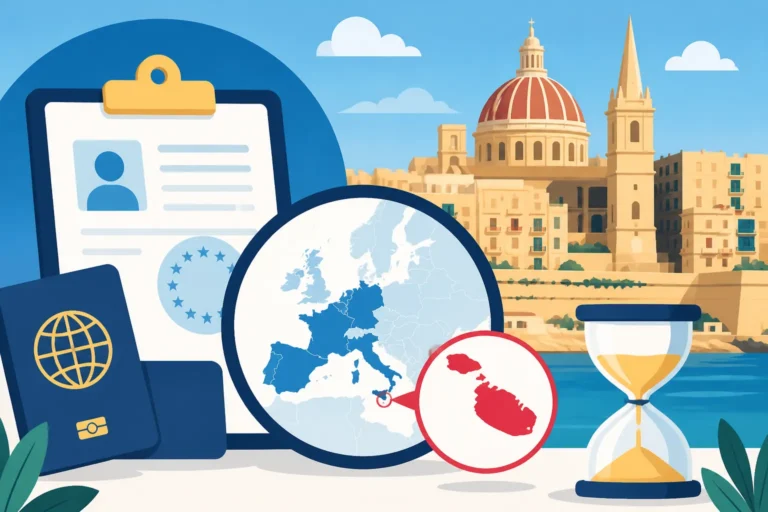
Beyond the translator's stamp, some documents may also require an Apostille. An Apostille is a certification issued by a designated authority in the country where the document was originally issued, confirming the authenticity of the signature and seal on the original document itself. For example, if you have a birth certificate from the US, you might need to get an Apostille from the US State Department on that original document before it's even translated (if it needs translation). The need for an Apostille often depends on whether your home country is a signatory to the Hague Apostille Convention. If your country is not part of this convention, you might need a more complex legalisation process, possibly involving your country's embassy or consulate in Malta (or vice-versa). Always, always check the specific requirements for your country of origin with Identità, because this is where the process can get particularly convoluted.
When and Why Translations Are Absolutely Necessary
It’s easy to feel like you’re jumping through hoops when dealing with these requirements, but there’s a solid rationale behind it. Imagine you’re applying for a work permit or trying to register for healthcare; the authorities need to know exactly who you are, your qualifications, your family status, and your legal standing. Misinterpretations can lead to serious issues. This is why certain types of documents are almost universally flagged for translation.
The good news is that documents originating from EU member states might sometimes get a slightly easier ride. Under EU regulations, some public documents (like birth, marriage, or death certificates) issued in one EU country are accepted by public authorities in another EU country without needing an Apostille or a certified translation, provided they are accompanied by a multilingual standard form. However, this isn't a blanket rule for all documents or all situations, and it's best to confirm with Identità if your specific document and situation qualify for this simplified process. For non-EU documents, expect the full translation and possibly apostille treatment.
Common Documents That Almost Always Require Translation
Let’s talk specifics. Based on my experience and what I've heard from countless other expats, here are the usual suspects when it comes to documents that almost certainly need certified English translations if not originally in English or Maltese:
- Birth Certificates: Essential for establishing your identity, age, and parentage, especially if you're applying for Family-Member Residence Permits for Joining Someone in Malta or registering children.
- Marriage Certificates: Crucial for proving marital status, which impacts many residence permit categories and social benefits.
- Police Conduct Certificates: Often required as part of your residence permit application to prove you have a clean criminal record. This is a big one; make sure you understand the requirements for The Police Conduct Certificate and Document Requirements in Malta for your specific nationality.
- Academic Certificates and Transcripts: If you're seeking to work in Malta and your qualifications are key to your job, or if you're applying for further studies, these will need to be understood. This ties into things like The Single Permit as a Combined Work and Residence Permit in Malta process.
- Divorce Decrees/Certificates: If applicable, these are critical for establishing your current marital status.
- Medical Reports: In specific instances, particularly for certain visa types or if you’re claiming medical entitlement, though often doctors here can manage common languages.
- Driving Licences: While you can often use your foreign licence for a period, when you exchange it, your original document will need to be translated if it's not in English.
It really is a case-by-case basis, but these are the ones that consistently pop up. The rule of thumb is: if it’s a document fundamental to proving your identity, legal status, or qualifications, assume it needs a certified translation. For a full checklist, consult official Identità resources and remember to check What Documents Do I Need for a Maltese Residence Permit?.
The Frustration of Varied Requirements: Why It's Not Always Clear
One of the biggest frustrations for us expats in Malta (and anywhere, really!) is the lack of crystal-clear, universally applied rules. You might hear one thing from a fellow expat who applied last year, another from an online forum, and something slightly different from the official website, and then a completely different interpretation from the person at the Identità desk! This isn't unique to Malta, but it can certainly feel that way when you're in the thick of it. The reality is that regulations can change, interpretations can vary, and sometimes, the specific type of permit you're applying for can have slightly different requirements. This ambiguity can lead to wasted time and money, getting translations you didn't need or, worse, not getting ones you did need.
I recall a friend who had her German birth certificate translated by a certified translator in Germany, complete with an Apostille. When she presented it here, it was initially questioned because the translator wasn’t "Maltese warranted." After some polite but firm explanation that Germany is an EU state and the translation was officially recognised there, it was eventually accepted. But it was a stressful few days. This highlights the importance of not just getting a certified translation, but sometimes being prepared to briefly explain the legitimacy of the certification if it's not from a Maltese-warranted translator. Being proactive and checking with Identità directly for the most up-to-date guidance for your specific situation is key, even if it means trying a couple of times to get consistent information. Delays in this area can easily feed into Understanding Identità Processing Times and Delays.
Finding a Reputable Translator and Avoiding Pitfalls
So, you’ve established that yes, you need a certified translation. Now what? The next step is finding someone qualified to do it. This isn't a process you want to cut corners on, as a rejected translation means more delays and costs.
It’s often best to get your translations done here in Malta if you can, or at least by a translator recognised by the Maltese legal system or those of other EU countries. If you’re coming from a non-EU country, it's generally safer to get the translation done by a sworn translator in Malta. They will be familiar with the exact format and requirements of Maltese authorities. If you must get it done in your home country, ensure the translator is legally certified and that their certification is verifiable. You might even need that certification to be apostilled as well, if that's a thing in your country. Yes, it can get that complicated!
Where to Find Certified Translators in Malta
Finding a certified translator in Malta isn't as hard as it might seem. Here are a few reliable avenues:
- The Courts of Justice: The Maltese Courts often maintain a list of warranted translators. This is perhaps the most official route to find someone who is unequivocally recognised by the Maltese legal system. A quick call to the Law Courts or a visit to their website might yield this list.
- Legal Firms: Many law firms that specialise in immigration or corporate services will either have in-house translators or work closely with a panel of trusted warranted translators. They often understand the specific nuances required by Identità and other government departments.
- Embassies/Consulates: Your country's embassy or consulate in Malta (if there is one) might have a list of recommended translators who deal with documents from your specific language.
- Professional Translation Associations: While Malta doesn't have a large independent association specifically for sworn translators that's easily searchable online for the general public, asking around in expat groups or forums for recommendations can also be useful. Just make sure to cross-reference their credentials.
When you contact a translator, always specify that you need a certified translation for official use in Malta, typically for Identità or a government department. Ask them if they are a warranted translator in Malta or another EU country, and if their certification is generally accepted by Maltese authorities. Don't be shy about asking these questions; it's your permit on the line!
Cost and Time: Budgeting for Translations
Certified translations are not cheap, and they're usually not quick either. This is another part of the "Malta move" budget that many newcomers don't factor in.
- Cost: Expect to pay anywhere from €30 to €80 (or more) per page, depending on the language, complexity, and urgency. For less common languages, the price can be higher. A standard birth certificate or marriage certificate might be a single page, but academic transcripts or police certificates from some countries could run to several pages, quickly adding up.
- Time: While a single-page document might be turned around in a few days, a more complex translation, or during busy periods, could take a week or two. If you also need an Apostille from your home country, factor in several weeks for that process alone.
My advice? Start looking into your translation needs as early as possible. Don't leave it until the last minute before your Identità appointment for Applying for an eResidence Document Through the Identità Portal. These administrative tasks are rarely fast in Malta, and translations are a prime example. Proactive planning can literally save you weeks of waiting and stress, impacting things like How Long Does Identità Take to Decide a Residence Permit?.
Tips for a Smoother Document Journey
Having navigated this path myself, I can tell you that a little foresight goes a long way. The key is to be meticulous, patient, and prepared for every eventuality.
Proactive Planning and Dealing with Original Documents
Here’s a small checklist that can save you a world of pain:
- Start Early: Seriously, as soon as you know you're moving to Malta, or even considering it, start looking at your documents. Gather originals, check their expiry dates, and identify anything not in English or Maltese.
- Verify Requirements: Always check the official Identità website for the specific permit you're applying for. The requirements for, say, a Nomad Residence Permit might differ slightly from a standard Single Permit as a Combined Work and Residence Permit in Malta. Don't rely solely on anecdotal advice.
- Get Multiple Copies: Make certified true copies of your original documents (and their translations!) before you submit them. Sometimes, authorities will keep originals, or you might need a copy for another application (e.g., bank, driving licence). Having multiple certified copies can prevent a lot of headaches later on. A local notary can usually certify copies of your originals.
- Keep Originals Safe: Never, ever hand over your only original document unless absolutely necessary. If you do, ensure you get a receipt and know when and how you'll get it back. Keep high-quality digital scans of everything, too, both original and translated versions.
- Bind Translations: Often, the certified translation will be physically attached to a photocopy of the original document by the translator, sometimes with a ribbon and seal, to ensure that the translation directly corresponds to the original. This is good practice.
Being organised and having all your ducks in a row for document submission, including translations, will significantly smooth out your experience when you go for your Biometrics and Collecting Your eResidence Card in Malta.
The Role of Contextual Brands
When you're dealing with the practicalities of a big move, from managing your finances to ensuring your family is covered, it’s not just about the government forms. Companies like Sirelo can be incredibly helpful for planning your move and understanding what needs to be transported, which implicitly includes thinking about the critical documents you'll need. They focus on making international removals easier, and part of that ease comes from having your personal documentation in order from the start.
And let’s not forget health! While public healthcare is available for entitled residents, having private health cover can offer peace of mind and quicker access to certain services. Many residence permits, especially for non-EU citizens, actually require you to have private health insurance. For example, if you're a non-EU permit holder, understanding Private Health Insurance Requirements for Non-EU Permit Holders in Malta is crucial. This is where a global provider like Cigna Global comes into play. While they won't translate your medical records for your permit, they provide the necessary insurance documentation that is in English, which is a key part of your permit application. Planning your health coverage early ensures that you have all the necessary paperwork ready for submission, further streamlining your permit application.
Key Document Translation Requirements Summary
To help you get a clear picture, here's a summary of typical requirements:
| Document Type | Language Requirement | Certified Translation Required? | Apostille/Legalisation? |
|---|---|---|---|
| Birth Certificate | English or Maltese | YES (if not original) | Often, depending on origin country (Hague Convention) |
| Marriage Certificate | English or Maltese | YES (if not original) | Often, depending on origin country |
| Police Conduct Certificate | English or Maltese | YES (if not original) | Sometimes, depending on origin country |
| Academic Certificates/Transcripts | English or Maltese | YES (if not original) | Sometimes, for specific professional registrations |
| Divorce Decree | English or Maltese | YES (if not original) | Often, depending on origin country |
| Original Driving Licence | English or Maltese (for exchange) | YES (if not original) | No, usually not needed for licence exchange |
| Medical Reports (for specific visas) | English or Maltese | YES (if not original) | Rarely, but always check |
| Passport/Travel Document | English (standard) | NO (generally already in English) | NO |
| Rental Agreement | English or Maltese | NO (usually drafted in one) | NO |
| Bank Statements | English (often provided by banks) | NO (unless bank issues in other language) | NO |
Disclaimer: This table provides general guidance. Specific requirements can vary based on your nationality, the type of permit you are applying for, and the specific Maltese authority requesting the document. Always verify the latest requirements directly with Identità or the relevant government department.
Ultimately, approaching the document translation process with a detailed, proactive mindset will save you untold stress. It's one of those essential, albeit tedious, steps in making Malta truly your home.
Disclaimer
The information provided in this article is for general guidance purposes only and does not constitute legal or professional advice. While we strive to keep the information up-to-date and accurate, regulations and procedures in Malta can change without prior notice. It is essential to consult with the official Maltese authorities (such as Identità, Jobsplus, or the relevant ministry) or a qualified legal professional for advice specific to your individual circumstances before making any decisions related to immigration, residence permits, or document requirements. We cannot be held responsible for any loss or inconvenience caused by relying on the information presented herein.