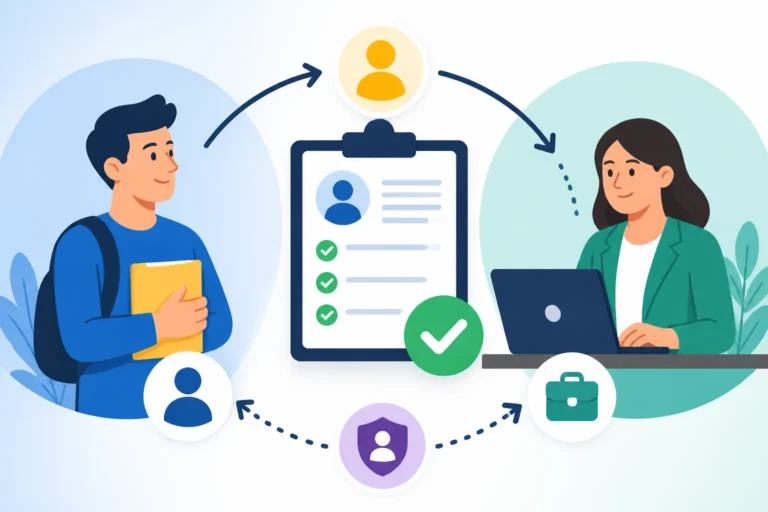
Jobsplus: Registering Your Employment and Finding Work in Malta
Ah, the wonderful world of Maltese bureaucracy! If you’ve just landed in Malta, brimming with excitement about starting a new life or career, you’ve probably quickly realised that there’s a labyrinth of administrative steps to navigate. One of the biggest, and often most confusing, hurdles for anyone looking to work here is understanding Jobsplus – the national employment agency. This guide is here to untangle that knot, walking you through everything you need to know about registering your employment, finding work, and dealing with Jobsplus as an expat in Malta.
Understanding Jobsplus: Malta's Employment Gateway
Let's face it, navigating a new country's administrative systems is rarely a walk in the park, and Malta is no exception. Jobsplus often feels like the central nervous system of employment here, and understanding its function is crucial for any foreigner hoping to work legally and smoothly. It’s not just a place for job listings; it's deeply integrated into your legal right to work and reside.
What Exactly is Jobsplus?
Jobsplus, formerly known as the Employment and Training Corporation (ETC), is Malta's public employment service. Think of it as the government body responsible for everything employment-related, from job matching and training initiatives to managing employment licences and social security contributions. It’s a bit of a multi-headed beast, really, and its reach extends to both employees and employers. For us expats, it’s the gateway to legitimate employment and, frankly, often a mandatory step for maintaining your residence permit. They handle registrations, cancellations, and renewals of employment, which are all critical pieces of your life here.
Why Jobsplus Matters for Foreigners
For EU/EEA citizens, Jobsplus primarily serves as a registration point for employment and a resource for job seeking. However, for those of us from outside the EU/EEA, Jobsplus plays an even more significant role. It's inextricably linked to your residence and work permit – specifically, the Single Permit in Malta: Combined Work and Residence, Step by Step. Your employer generally needs to apply for your work permit through Jobsplus (or rather, Identità, with Jobsplus being a crucial component of that application). Without a valid registration with Jobsplus, you simply cannot legally work in Malta. It's a foundational pillar of your status here, and any lapse in your registration can have serious consequences for your immigration status. This is why keeping your Jobsplus record up-to-date is not just an administrative formality, but a critical aspect of your legal right to be in Malta.
Your Legal Obligations as an Employee/Employer
Both you, as an employee, and your employer have specific legal obligations concerning Jobsplus. For the employee, primarily, your employment must be declared to Jobsplus by your employer. This is usually done through what's called an Engagement Form (Form E), which formally registers your start date, position, and other employment details. You are also expected to keep your personal details updated with them. If you change jobs, your old employer must submit a Termination Form (Form T), and your new employer must submit a new Engagement Form. It sounds straightforward, but delays or errors can cause headaches, especially if you're in the midst of renewing your residence permit.
For employers, the obligations are even more stringent. They are legally required to notify Jobsplus of all engagements and terminations within a strict timeframe – usually within one working day of the event. Failure to do so can result in hefty fines and complications for both parties. This is part of the regulatory framework to ensure proper employment conditions and social security contributions are paid, ensuring that everyone working in Malta is doing so legitimately and that their rights are protected. Understanding these obligations is key to a smooth transition into the Maltese workforce.
The All-Important Registration Process with Jobsplus
Alright, let's get down to brass tacks: how do you actually get registered with Jobsplus? This isn't always as intuitive as one might hope, and there are a few prerequisites that are absolutely non-negotiable before you even think about stepping into a Jobsplus office (or, more likely, dealing with their online portal).
Pre-requisites: Getting Your ID Card and TIN
Before Jobsplus can officially recognise you, you need to establish your basic identity and fiscal presence in Malta. The two big ones are your Maltese ID Card Number and your Tax Identification Number (TIN).
-
Maltese ID Card Number: This is paramount. Your Maltese ID card, or rather the nine-digit number on it (which will also be your eResidence card number for non-EU citizens), is your unique identifier in virtually all administrative dealings in Malta, including Jobsplus. Without it, you’re essentially a ghost in the system. The process of Getting Your Maltese ID Card Number: The Key to Accessing Healthcare is a journey in itself, often involving a trip to Identità and several weeks (or months, depending on the queue!) of waiting. So, make this a top priority as soon as you arrive and apply for your residence permit. Your employer cannot declare your employment to Jobsplus without this number.
-
Tax Identification Number (TIN): Equally important is your Getting Your Maltese Tax Identification Number (TIN). While Jobsplus deals with employment, the Inland Revenue Department (IRD) deals with your taxes, and these two government bodies communicate. Your TIN ensures that your social security contributions and income tax are correctly attributed to you. This is usually issued automatically once your residence is registered, but sometimes you might need to apply for it separately through the Inland Revenue Department. It’s vital for your employer to have this for payroll purposes.
It’s a bit of a chicken-and-egg situation sometimes, where you need a job to get a permit, and a permit to get an ID number, and an ID number to register for a job. This is one of the most common frustrations for new arrivals, so managing expectations and starting these processes early is vital.
Step-by-Step: Registering as a Jobseeker or Employee
Now, once you have your ID number and TIN, you can typically proceed with Jobsplus registration. There are two main scenarios: registering as a jobseeker or being registered as an employed person by your employer.
Registering as a Jobseeker:
If you're an EU citizen or hold a permit that allows you to seek employment (like certain D-Visas or an existing residence permit that allows job seeking), you might register yourself as a jobseeker. This typically involves:
- Accessing the Jobsplus Portal: Head over to the Jobsplus website. They have an online portal for jobseekers.
- Creating an Account: You'll need to create an account using your Maltese ID number.
- Filling in Your Details: This will involve providing personal details, educational qualifications, work experience, and preferred job sectors. Be as thorough as possible here.
- Uploading Your CV: Crucially, you'll need to upload a well-formatted CV. Remember, the Maltese job market has its own nuances, so tailoring your CV to local expectations is a good idea. Consider our guide on Writing a Maltese CV and Cover Letter That Get Noticed.
- Classification: Once registered, Jobsplus will classify you based on your qualifications and experience. This helps them match you with relevant job opportunities.
While registering as a jobseeker is a good step, many expats find that actively pursuing roles through recruitment agencies and direct applications is often more effective than waiting for Jobsplus to match them.
Being Registered as an Employee (Most Common for Non-EU):
For many non-EU citizens, especially those arriving on a Single Permit, your employer handles the bulk of the initial registration. This is How the Single Permit Application Works Between You and Your Employer.
- Employer Submits Engagement Form (Form E): Once you have your ID number and a signed employment contract, your employer will submit an Engagement Form (Form E) to Jobsplus. This form declares your employment details.
- Jobsplus Processes the Form: Jobsplus processes this form, linking your employment to your ID number and updating their records. This is the official start of your employment in Malta from a government perspective.
- Social Security Registration: This engagement also triggers your registration with the Social Security Department, ensuring you begin paying contributions, which in turn entitle you to public healthcare and other benefits. You can learn more about Social Security Contributions and What They Fund in Malta.
It's crucial to confirm with your employer that they have completed this step, as delays here can ripple through your other administrative processes.
The Employer's Role in Your Registration
Your employer is your crucial partner in navigating the Jobsplus landscape. For non-EU nationals, their role is particularly central, as they are typically the sponsor for your work permit.
The employer's responsibilities include:
- Applying for the Work Permit: For non-EU citizens, the employer usually initiates the work permit application (part of the Single Permit application) through Identità, with Jobsplus being consulted for labour market considerations.
- Submitting Engagement Forms (Form E): As mentioned, this form is submitted upon your start date, notifying Jobsplus of your employment. This ensures your employment is legally recognised.
- Submitting Termination Forms (Form T): If your employment ends, your employer must submit a Termination Form. This is just as important as the engagement form, as it marks the official end of that employment period with Jobsplus.
- Compliance with Quotas and Advertising: In some cases, employers hiring non-EU nationals must demonstrate that they couldn't find a suitable Maltese or EU candidate for the role. This often involves advertising the position through Jobsplus for a certain period.
What to do if your employer delays: This is a common pain point. If your employer is dragging their feet on submitting forms, politely but firmly remind them of their legal obligations. Explain the implications for your residence permit if the Jobsplus records aren't accurate. If issues persist, you might need to seek advice from the Department of Industrial and Employment Relations (DIER), though this is usually a last resort. Keep clear records of your correspondence and employment contract.
Navigating the Maltese Job Market with Jobsplus
Finding a job in a new country can feel like a full-time job in itself. While Jobsplus is the official channel, it's just one tool in your job-hunting arsenal. You'll need to diversify your approach to truly tap into the opportunities here.
Using the Jobsplus Job Matching Portal
The Jobsplus website hosts a job matching portal, which is essentially a national job board. Once you're registered as a jobseeker (as discussed above), you can use this platform.
- Searching for Vacancies: The portal allows you to search for jobs by keyword, industry, location, and other filters. It's often updated with vacancies across various sectors.
- Creating a Profile: Your jobseeker profile, which you create during registration, acts as a sort of online CV. Employers using the portal can potentially view your profile and reach out, or you can apply directly through the system.
- Email Alerts: You can set up email alerts for new vacancies that match your criteria, which can be a time-saver.
Is it effective? Opinions vary among expats. Some find it a useful starting point, especially for entry-level roles or specific industries. Others report that the best jobs often get filled through other channels before they even appear on Jobsplus, or that the response rate can be low. Nevertheless, it's a public and free resource, so it's always worth having an updated profile and regularly checking the listings. For some permit types, proving you have actively sought employment might even be a requirement, so having a Jobsplus profile can serve as evidence.
Beyond the Portal: Other Avenues for Job Seeking
While Jobsplus is important, it's rarely the only place you should be looking. To truly succeed in Finding a Job in Malta: Where to Look and How to Apply, you need to cast a wider net.
- Recruitment Agencies: Malta has a thriving recruitment agency scene, particularly in sectors like iGaming, Fintech, IT, and administrative roles. Agencies like Manpower, Castille Resources, and Konnekt are well-established and often have exclusive listings. They can be incredibly helpful in understanding the local market, refining your CV, and preparing for interviews.
- Online Job Boards: Beyond Jobsplus, platforms like LinkedIn, Times of Malta careers, MaltaPark, and various Facebook groups dedicated to jobs in Malta are frequently updated. Many companies prefer to list directly on these platforms or their own websites.
- Networking: Malta is a small island, and networking is incredibly powerful. Attend expat meetups, industry events, and join professional groups. You’d be surprised how often jobs are found through personal connections. Don't underestimate the power of a casual chat leading to a valuable lead.
- Company Websites: Many larger companies, especially those in the iGaming or financial services sectors, list their vacancies directly on their own career pages. If you have specific target companies, check their sites regularly.
Sector-Specific Insights and Opportunities
Malta's economy is vibrant but also quite specialised. Knowing which sectors are booming can significantly narrow your job search and improve your chances.
- iGaming: This is arguably Malta's largest and most prominent sector for expat employment. Roles range from customer service and marketing to IT, finance, and legal. The sector is highly international, making it a natural fit for foreigners.
- Financial Services: Including banking, insurance, and fintech, this sector offers numerous opportunities, especially for those with relevant qualifications and experience.
- IT and Tech: With a growing digital economy, demand for IT professionals, developers, and cybersecurity experts is consistently high.
- Tourism and Hospitality: While often seasonal, this sector always needs staff, especially for hotels, restaurants, and tour operations. English language skills are a huge asset here.
- Healthcare: There's a constant demand for healthcare professionals, though foreign qualifications may require validation.
Consider if your skills align with these growth areas. If not, research other niches. For example, remote work has also become more prevalent, and while not tied to a specific Maltese sector, it allows many to live in Malta while working for foreign companies. For those looking to register as self-employed, particularly in these growing sectors, Jobsplus also provides specific guidance on Registering as Self-Employed with Jobsplus and the CFR in Malta.
Beyond Basic Registration: What Else Jobsplus Offers
Jobsplus isn't just a bureaucracy; it also has a mandate to support workforce development and employment in Malta. While these services might be primarily geared towards Maltese nationals, some are also accessible and beneficial for foreigners living here.
Training Programmes and Skill Development
One of Jobsplus’ core functions is to provide training and upskilling opportunities. These can range from basic computer literacy courses to more specialised vocational training.
- Vocational Training: Jobsplus offers various programmes designed to equip individuals with practical skills needed in the job market. These could be in areas like hospitality, administration, or specific trades.
- Language Courses: While English is widely spoken in Malta, having some basic Maltese can significantly enhance your integration and job prospects, especially in public-facing roles. Jobsplus occasionally offers subsidised Maltese language courses, and if not, other platforms like iTalki can connect you with Maltese tutors for online learning, which can be a fantastic way to grasp the local tongue and impress potential employers.
- Entrepreneurship Training: For those looking to go the self-employed route, Jobsplus sometimes runs programmes focused on starting and running a business in Malta, which can be invaluable for navigating local regulations.
It's worth regularly checking the Jobsplus website or visiting one of their offices to inquire about current training programmes. Many are free or heavily subsidised, making them a great resource for professional development.
Support for the Self-Employed and Freelancers
If you're considering setting up your own business or working as a freelancer in Malta, Jobsplus is still a key player.
- Registration: You'll need to register your self-employment status with Jobsplus, typically through a specific declaration. This is separate from registering as an employee.
- Employment Licence (if applicable): Depending on your nationality and the nature of your self-employment, you might still need an employment licence (akin to a work permit for employed individuals). This is especially true for non-EU citizens. The process for freelancers and the self-employed has its own unique set of requirements.
- Business Support: While not extensive, Jobsplus can sometimes provide general guidance or refer you to other entities that support small businesses and startups. This is also where you'll be coordinating with the Inland Revenue Department for your tax obligations as a self-employed individual. Using resources like "Taxes for Expats" can be incredibly helpful for understanding your tax liabilities in this scenario.
Being self-employed means you wear many hats, and navigating the administrative side can be complex. Jobsplus is one of the first stops to ensure you’re legally operating.
Understanding Employment Licences and Permits
This is where the rubber truly meets the road for many non-EU expats. The term "employment licence" is often used interchangeably with "work permit" and is a critical document for your legal right to work in Malta.
- The Single Permit: For most non-EU nationals, your work and residence permits are combined into one document: the Single Permit. This permit is issued by Identità, but the employment aspect is vetted through Jobsplus.
- Key Employee Initiative (KEI) and Specialist Employee Initiative (SEI): Malta has specific fast-track schemes like the Key Employee Initiative (KEI): Fast-Track Permits in Malta and the Specialist Employee Initiative (SEI) in Malta Explained. These initiatives aim to attract highly skilled professionals by offering quicker processing times for their permits. Jobsplus is involved in assessing the eligibility for these schemes based on the nature of the employment.
- Renewals and Changes: If you're Changing Employers on a Single Permit in Malta: The Rules, you'll effectively need a new employment licence (and thus a new single permit application) linked to your new employer. Similarly, permit renewals are tied to your ongoing employment. Any change in your employment status must be reported to Jobsplus promptly to avoid issues.
A common pitfall is misunderstanding the longevity of your permit. A single permit is tied to a specific employer. If you leave that job, your permit's validity is directly impacted. This leads us to the critical topic of What Happens to Your Permit If You Lose Your Job in Malta, where Jobsplus plays a central role in marking the termination of your employment.
Here's a quick overview of Jobsplus registration types:
| Registration Type | Who Needs It | Key Purpose | Main Requirements (Foreigners) |
|---|---|---|---|
| Jobseeker | EU citizens, permit holders allowed to job hunt | Access Jobsplus job portal, record job search activity | Maltese ID number, valid residence status permitting job search, CV, personal details. |
| Employed (Form E) | All employed individuals | Legal declaration of employment, trigger for social security registration, basis for work/residence permit. | Maltese ID number, TIN, signed employment contract (employer submits). |
| Self-Employed | Individuals running their own business | Legal declaration of self-employment status, basis for work/residence permit (non-EU), social security. | Maltese ID number, TIN, business plan, specific permits/licences depending on activity (non-EU). |
| Termination (Form T) | All individuals leaving employment | Legal declaration of employment cessation, crucial for permit changes/renewals. | Submitted by employer upon end of contract. |
Troubleshooting and Common Challenges for Foreigners
Even with the best intentions and all the right documents, things can go awry. Dealing with government agencies in a foreign country requires patience, persistence, and a good dose of understanding for potential cultural differences.
Dealing with Application Delays and Bureaucracy
Ah, the infamous Maltese waiting game. Delays are, unfortunately, a common part of the administrative process here, and Jobsplus applications are no exception.
- Why Delays Happen: Understaffing, high volumes of applications, missing documentation, or simply the intricate dance between different departments (Jobsplus, Identità, Social Security) can all contribute to delays. It’s rarely personal, just part of the system.
- What You Can Do:
- Be Organised: Double-check everything before submission. A single missing signature or copy can send your application back to the bottom of the pile.
- Keep Copies: Keep digital and physical copies of every single document you submit and every piece of correspondence you receive.
- Follow Up (Politically): While constant badgering won't help, a polite follow-up email or call after a reasonable waiting period (e.g., beyond the stated processing time) is acceptable. Clearly state your name, ID number, and application type.
- Employer Assistance: Lean on your employer if they are responsible for parts of the submission. They often have established channels or contacts within these departments.
- Seek Professional Help: If delays are significantly impacting your ability to work or stay in Malta, consider seeking advice from an immigration consultant or employment lawyer.
Remember, the goal is to be persistent without being perceived as demanding. A friendly, patient approach often yields better results.
Language Barriers and Cultural Nuances in the Workplace
Malta is bilingual, with both Maltese and English being official languages. Most official communications and business dealings are conducted in English, but understanding the linguistic and cultural landscape can still be tricky.
- English Proficiency: Good news! Malta is generally very English-friendly. You will find that most employers, especially in international sectors, operate entirely in English. You can absolutely Can I Live and Work in Malta Using Only English? The answer is generally yes.
- Learning Maltese: While not strictly necessary for most jobs, making an effort to learn basic Maltese phrases can go a long way. It shows respect for the local culture, can help you connect with colleagues, and might even open doors to certain roles. Platforms like iTalki can be a great way to get started with learning the local language. Even just a few words can significantly improve your daily interactions and demonstrate your commitment to living here.
- Workplace Culture: Maltese workplace culture can vary. It tends to be more hierarchical than some Western European countries, with a strong emphasis on personal relationships. Direct confrontation is often avoided in favour of more indirect communication. Punctuality is generally expected, but meeting times can sometimes be a bit more fluid than in, say, Germany or Switzerland. Understanding these nuances can help you avoid misunderstandings and integrate more smoothly. Our guide on The Maltese Workplace: Culture, Contracts, and Your Rights offers deeper insights.
Staying Compliant and Avoiding Pitfalls
The last thing you want is to fall foul of immigration or employment regulations. Being proactive and informed is your best defence.
- Always Have a Valid Permit: Never, ever work in Malta without a valid employment licence/Single Permit. The consequences for both you and your employer can be severe, including fines, deportation, and being banned from re-entering the Schengen Area.
- Report Changes Promptly: If your job changes, if you move address, or if your marital status changes, you must notify Identità and, by extension, Jobsplus. Failing to do so can invalidate your permit. Our guide on What Happens to Your Permit If You Lose Your Job in Malta explains the urgency here.
- Understand Your Contract: Read your employment contract carefully. If anything is unclear, ask for clarification. Know your rights regarding working hours, pay, leave, and notice periods.
- Social Security and Tax: Ensure your employer is correctly deducting and remitting your social security contributions and income tax. These are crucial for your future pension entitlements, healthcare access, and overall legal standing. Resources like Taxes for Expats can help you understand your financial obligations here. You can also monitor your social security contributions through the online MySocialSecurity portal once you're registered.
The key is to always operate transparently and within the legal framework. While it can feel overwhelming at times, remember that countless expats have navigated this path successfully. Be patient, be organised, and don't hesitate to ask for help when you need it.
Disclaimer
Please note that while this guide provides comprehensive information based on current regulations and common expat experiences in Malta, laws and procedures can change. It is always recommended to verify the most up-to-date information directly with official Maltese government sources, such as Jobsplus, Identità, and the Department of Industrial and Employment Relations, or to consult with a qualified immigration or employment professional for personalised advice. This article is for informational purposes only and does not constitute legal advice.