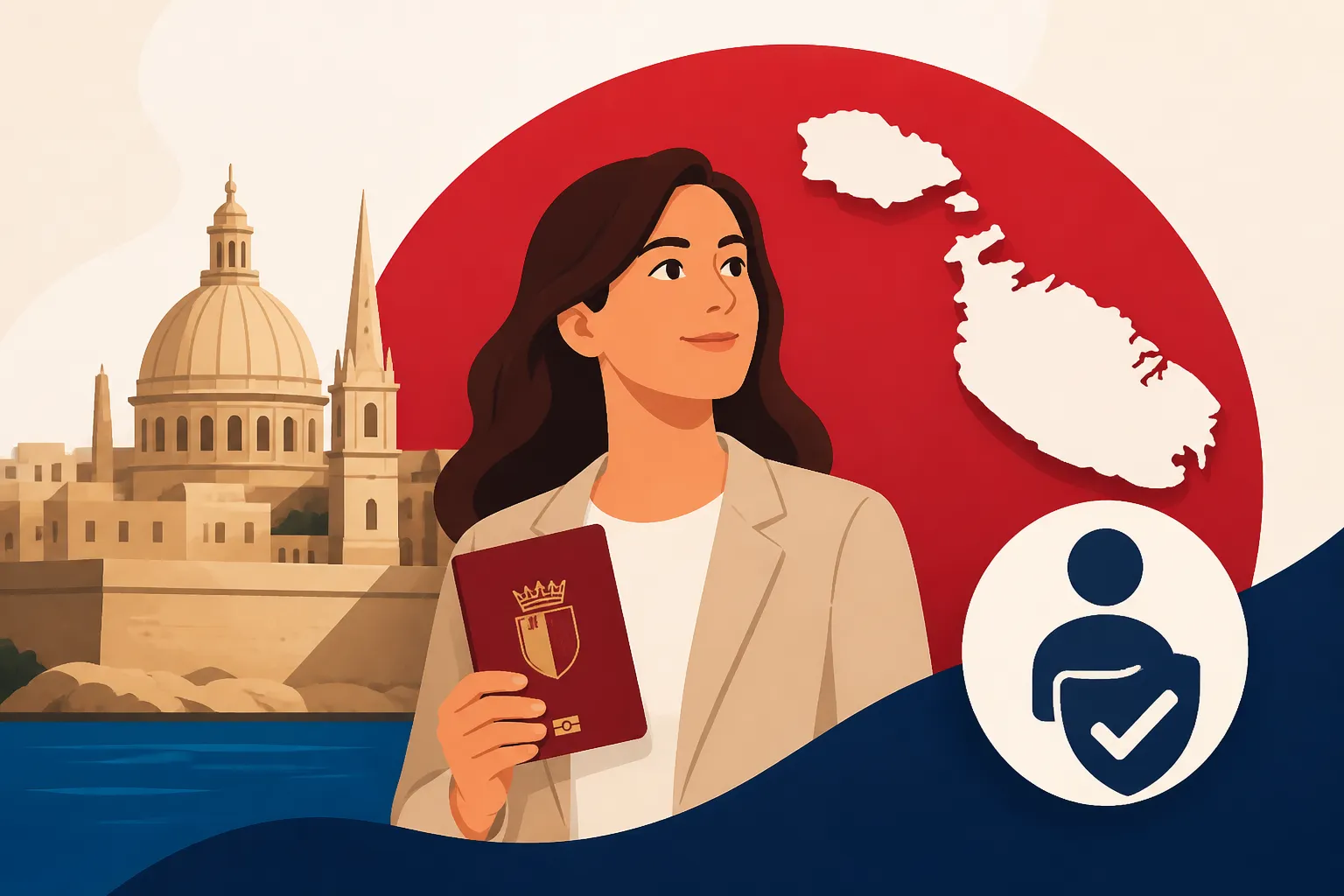
Maltese Citizenship by Naturalisation: Who Qualifies
Navigating the labyrinthine world of immigration and citizenship can feel like tackling a mythical beast, especially when you're dreaming of planting roots in a place like Malta. So many of us arrive here with the excitement of a new beginning, only to find the path to long-term stability shrouded in administrative mystery. This guide aims to demystify one of the most significant steps on that journey: understanding who truly qualifies for Maltese citizenship through naturalisation, moving beyond the myths to the hard facts and the human experience.
Understanding Naturalisation: It's Not a Simple Walk in the Park
When you first land in Malta, whether it’s for work, study, or just to soak up the Mediterranean sunshine, "citizenship" feels like a distant dream. Most foreigners start with residence permits, and maybe eye long-term residence. But naturalisation is a whole different ball game, a deep commitment that the Maltese authorities take very seriously. It's a testament to your integration and dedication to this beautiful island nation.
What Naturalisation Means in Malta
Naturalisation, in simple terms, is the legal process by which a non-Maltese national voluntarily becomes a citizen of Malta. It’s not about having Maltese heritage (that’s citizenship by descent), nor is it about investing a huge sum of money (that’s citizenship by investment, which is a separate, specific route). Naturalisation is earned primarily through a sustained period of living in Malta, abiding by its laws, and integrating into its society. It’s the ultimate recognition of your commitment to making Malta your true home.
It means that after years of navigating the quirks of Maltese bureaucracy, from getting your initial residence permit to renewing your eResidence card countless times, you’re finally saying, "I belong here, and I want to be officially recognised as such." It’s a huge step that brings with it the full rights and responsibilities of a Maltese citizen, including the right to vote, hold a Maltese passport, and generally participate fully in the democratic and social life of the country. For many of us expats, after years of feeling like a guest, it’s about finally feeling like a true local, albeit one with a funny accent.
The Difference from Residence or Permanent Residence
Let's be clear: having a residence permit, even a long-term one, is not the same as being a citizen. Your initial residence permit, often linked to your work or study, grants you the right to live here for a specific period under certain conditions. Then there's the coveted Long-Term Residence Status After Five Years in Malta, which, while a significant milestone, still doesn't confer citizenship. Long-term residents typically enjoy more stable rights than those on temporary permits, such as easier travel within the Schengen area and fewer bureaucratic hurdles for renewals. However, they are still considered foreign nationals.
The key differences are profound. As a resident, you still carry your original passport. You don't have the right to vote in general elections (though you can vote in local council and European Parliament elections if you're an EU citizen). Your right to remain in Malta is still dependent on meeting certain conditions, even with long-term residence, such as not being absent from Malta for excessively long periods. Citizenship, on the other hand, is a more robust, fundamental status. It grants you a Maltese passport, the right to vote in all elections, and a more inherent right to live in Malta, which is much harder to revoke. It essentially means you are no longer an "expat" in the legal sense, but a Maltese national, with all the protections and privileges that entail. It’s the difference between leasing a car long-term and owning it outright – a deeper, more permanent connection.
The Core Eligibility Criteria: Proving Your Ties to Malta
So, you’ve decided to go for it. You’ve had enough of the "foreigner" forms and you’re ready to call yourself Maltese. But what exactly does Malta expect from you? It's more than just showing up and living here for a bit. The criteria are designed to ensure genuine integration and commitment to the nation.
General Residence Requirements
This is usually the biggest hurdle for most people. For ordinary naturalisation, Malta typically requires you to have resided in the country for a substantial period. The general rule of thumb for non-EU/EEA/Swiss nationals seeking naturalisation is that you must have resided in Malta for at least six years out of the last seven years immediately preceding your application. Furthermore, it's particularly important that you have resided in Malta for the entire 12-month period immediately before the date of application. This "continuous residence" rule is critical and often trips people up. Short holidays are usually fine, but extended absences can break the continuity. For EU/EEA/Swiss citizens, the criteria for long-term residence are somewhat more straightforward, often requiring five years of continuous residence.
This isn’t just about having an address here; it’s about actually living here. The authorities will look at your utility bills, your employment history, your social security contributions, and possibly even bank statements to confirm your physical presence. They want to see that you've been a contributing member of society, not just someone with a mailing address in St. Julian's. It can be a real headache to keep track of every single day spent on the island, but believe me, it’s worth being meticulous about your travel dates if you’re serious about this path. And don't forget to continuously renew your eResidence card: a lapse in this could jeopardize your continuous residence claim. For those considering a big move to meet these criteria, resources like Sirelo can help plan your relocation, ensuring a smooth transition to start your clock ticking on Maltese residency.
The 'Good Character' Clause and Police Conduct
Maltese citizenship isn't just about time; it's about character. The authorities need to be satisfied that you are "of good character." This means you need a clean criminal record. You'll be required to provide a Police Conduct Certificate from Malta, and potentially from any other country where you’ve resided for a significant period in recent years. This isn't just a tick-box exercise; it's a fundamental assessment of your suitability to become a citizen.
Any past brushes with the law, even minor ones, could potentially complicate your application. While minor infractions might be overlooked in some circumstances, serious criminal offenses will almost certainly lead to a refusal. It’s about demonstrating that you respect the rule of law and will be a responsible member of Maltese society. This is why it’s so important to maintain a spotless record during your years of residency. It’s a clear message from the state: "We want citizens who contribute positively and abide by our norms." You can find more specific details on what is required by checking out the guide on What Police Conduct Certificate Do I Need for a Maltese Permit?.
Language Proficiency and Integration
While Malta is incredibly English-friendly, and many of us happily navigate daily life speaking only English, naturalisation often requires a demonstration of integration beyond just speaking the common tongue. Historically, there wasn't a formal language test, but the Citizenship Unit looks for a general level of integration. This often means having some familiarity with Maltese, even if it’s just basic conversational ability. It shows a willingness to embrace the local culture and not just live alongside it.
Beyond language, integration is about becoming part of the social fabric. This could be evidenced by your employment, your children attending local schools, participation in community activities, or even just a demonstrated understanding of Maltese customs and history. It's about showing that you’ve genuinely made Malta your home, not just your address. The application process, and potential interview, will often probe these aspects. They want to see that you're not just existing here, but thriving as part of the Maltese community, understanding its values and contributing to its well-being.
Specific Routes to Naturalisation: Tailoring Your Application
While the general criteria are broad, there are specific pathways to naturalisation, each with its own nuances. These routes recognise different life circumstances and connections to Malta.
Naturalisation After Long-Term Ordinary Residence
This is the most common path for expats who have built a life here independently. As mentioned, it generally requires those solid six years of residence out of seven, with the crucial continuous 12 months immediately before applying. This isn't just for EU citizens; it's for anyone who has maintained their legal residency status for the required duration. You would have likely gone through the process of Moving to Malta from Outside the EU/EEA: What You Need to Know initially, then progressively renewed your permits, eventually securing long-term residence status.
This route demands a comprehensive application that showcases your consistent presence and contribution. You’ll need every eResidence card you’ve ever had, proof of employment, tax records, social security statements, utility bills, and anything else that paints a picture of a well-established life in Malta. The authorities at Identità will scrutinise your file thoroughly. They want to see a clear, uninterrupted trajectory of commitment. It's not uncommon for them to ask for additional documentation, so keep meticulous records of everything, right down to your first rental agreement and every flight itinerary. Think of it as building a robust case that you are, in every meaningful way, a resident who has chosen to invest their life here.
Naturalisation Through Marriage to a Maltese Citizen
Falling in love and marrying a Maltese national certainly offers a distinct, and often faster, route to citizenship. However, it's not an automatic golden ticket. You typically need to be legally married to a Maltese citizen for at least five years, and crucially, you must have been residing in Malta with your spouse for a significant portion of that time, particularly for the five years preceding your application. The emphasis here is on a genuine and subsisting marriage, not one entered into solely for citizenship purposes.
The authorities will look for proof of your shared life – joint bank accounts, shared utility bills, a common address, family photos, and testimonials from friends and family. This pathway falls under the umbrella of Family Reunification in Malta: Bringing Your Loved Ones, but citizenship is a step beyond just residence. While this route might be perceived as easier, it still requires a diligent application and often an interview to verify the authenticity of the marriage and your integration into Maltese society. It's about demonstrating that you are not just married to a Maltese person, but that you are actively part of their life and, by extension, Malta's. This includes ensuring your spouse is a bona fide Maltese citizen with all the necessary documentation. You can delve deeper into this specific avenue by checking out the related guide on Citizenship by Descent and Marriage in Malta.
Naturalisation for Children Minors and Those Born in Malta
Children have slightly different rules, which can vary depending on their parents' status and where the child was born.
- Children born in Malta to foreign parents: Generally, simply being born on Maltese soil does not automatically grant Maltese citizenship by birth (unlike, for example, in the US). A child born in Malta to foreign parents will usually acquire the citizenship of their parents. However, if one or both parents later become naturalised Maltese citizens, the minor child can often be included in the parent’s application or apply for naturalisation themselves, often with less stringent residence requirements.
- Minors whose parents are naturalising: If you, as a parent, are successfully naturalised, your minor children (under 18) living with you in Malta can often be included in your application or apply separately under a more straightforward process. This is designed to keep families together.
- Children of naturalised parents (born abroad): If a child was born outside Malta to parents who subsequently naturalised, they might also have a path to citizenship, though this depends on various factors including the child's age, residence history, and the specific circumstances of the parents' naturalisation.
The underlying principle here is familial unity and ensuring that children who are genuinely integrated into Malta, through their parents’ status or their own long-term presence, have a path to full citizenship. These applications are generally handled with a view to the child's best interests, but they still require careful documentation and adherence to specific guidelines from Identità.
The Application Process: Navigating the Bureaucracy
So, you’ve checked all the boxes, gathered your courage, and decided to plunge into the application process. Be warned: it's not for the faint of heart, and it certainly won't be a quick jaunt.
Gathering Your Documents The Mountain of Paperwork
The Maltese authorities love paperwork, and the naturalisation process is where they truly shine in their request for documentation. You will need:
- All current and expired passports: To prove your identity and travel history.
- All eResidence cards: Every single one, from your very first permit to your latest. This is crucial for proving continuous residence. You can learn more about these indispensable cards in The eResidence Card: What It Shows and How to Read It.
- Birth certificate: Your original, apostilled/legalised, and officially translated into English if necessary.
- Marriage certificate (if applicable): Again, original, apostilled/legalised, and translated.
- Police conduct certificates: From Malta and any other country where you’ve resided.
- Proof of financial stability: Employment contracts, payslips, tax returns, bank statements. They want to see that you can support yourself and your dependents.
- Proof of address: Utility bills (ARMS), rental agreements, or property deeds, proving continuous residency.
- Social security statements: Demonstrating your contributions to the Maltese system.
- Letters of reference/support: From Maltese citizens who can attest to your good character and integration.
- A detailed chronological list of your addresses and travel history in and out of Malta.
This list is not exhaustive, and the Citizenship Unit at Identità might request additional documents based on your individual circumstances. The key is to be meticulously organised. Keep copies of everything, organise it logically, and expect to spend a considerable amount of time tracking down documents and potentially getting official translations. It's often helpful to keep a dedicated file or digital folder for your Maltese life's administrative trail.
| Document Type | Purpose | Notes |
|---|---|---|
| Passports | Identity & Travel History | All current and expired passports. |
| eResidence Cards | Proof of Residency in Malta | All cards, from first arrival to latest. |
| Birth Certificate | Proof of Identity & Parentage | Original, apostilled/legalised, translated if not in English. |
| Marriage Certificate | Spousal Link (if applicable) | Original, apostilled/legalised, translated if not in English. |
| Police Conduct | Good Character | From Malta and any other significant country of residence. |
| Financial Proof | Self-Sufficiency | Employment contracts, payslips, tax returns, bank statements. |
| Address Proof | Continuous Residency | Utility bills (ARMS), rental agreements, property deeds. |
| Social Security Statements | Contribution to Maltese System | Your yearly social security record. |
| Letters of Reference | Character & Integration | From reputable Maltese citizens. |
| Travel History Summary | Confirming Physical Presence | Detailed dates of entry and exit from Malta. |
Submission and Waiting Times The Test of Patience
Once you've amassed your mountain of documents, the application must be submitted to the Citizenship Unit, which falls under Identità (the Agency for Identity, Citizenship and Foreigners). You’ll likely need to book an appointment for submission, especially if you have complex queries. The actual submission is just the beginning of what can be a very long wait. Dealing with Identità: Applications, Biometrics, and the eResidence Card is a familiar experience for anyone living in Malta long-term, and citizenship applications are no exception to the general pace.
Processing times for naturalisation applications are notoriously long. We're talking years, not months. While there's no official published timeline, it's not uncommon for applicants to wait between two to five years, or even longer, for a decision. This period is used for extensive background checks, verification of documents, and internal administrative procedures. During this time, it’s crucial to maintain your residence status and continue living in Malta as usual. Changing your address or job? You'll need to inform Identità. It’s a test of endurance and patience, a constant reminder that Rome wasn’t built in a day, and neither is Maltese citizenship. It is also important to remember that during this long waiting period, it's wise to ensure continuous, comprehensive health coverage. While the public healthcare system is available, having a private option like Cigna Global can offer peace of mind, especially when you're in a period of bureaucratic limbo, awaiting such a significant life decision.
Post-Application: Interviews, Oaths, and Becoming a Citizen
After what feels like an eternity, you might finally get a call. This is where things get real, and you move closer to the finish line.
The Interview Stage
Not every applicant is called for an interview, but many are. If you are, consider it a positive sign that your application is progressing. The interview is usually conducted by an officer from the Citizenship Unit. This isn't a job interview, but more of a conversation designed to confirm the information in your application, assess your knowledge of Malta, and gauge your level of integration.
They might ask you about your life in Malta, why you want to become a citizen, your family, your job, your understanding of Maltese society, and even basic facts about the country’s history or government. They’ll also be looking for consistency with your application documents. It’s your chance to articulate your commitment to Malta and demonstrate that you are a genuine and sincere applicant. Be honest, be polite, and show your genuine connection to the island. It's not about being an expert on Maltese history, but about showing a respectful and engaged understanding of the country you wish to call your own.
The Oath of Allegiance and Certificate
If your application is successful, the final step is typically taking an Oath of Allegiance to Malta. This is a formal ceremony where you swear (or affirm) your loyalty to the Republic of Malta and its Constitution. It’s a symbolic and legal act that formally binds you to the country.
After taking the oath, you will be issued a Certificate of Naturalisation. This document is your official proof of Maltese citizenship. With this in hand, you can then apply for a Maltese passport, marking the culmination of years of hard work, dedication, and patient waiting. It's a moment of immense pride for many, a tangible symbol of their journey from expat to citizen. This is where the long process truly comes to an end, and you embrace your new identity with open arms.
Dual Citizenship and the Future: What Happens Next
Congratulations, you're a Maltese citizen! But what does that mean for your previous nationality? And what are the rights and responsibilities that come with your new passport?
Malta's Stance on Dual Citizenship
Good news! Malta generally allows dual citizenship. This means that, in most cases, you won't be required to renounce your original citizenship when you become a Maltese citizen. This is a significant advantage for many expats, allowing them to maintain ties and rights to their country of origin while fully embracing their new Maltese identity.
However, it's absolutely crucial to check the laws of your original country of citizenship. Not all countries permit dual nationality. Some might automatically revoke your original citizenship if you acquire another, regardless of Malta's stance. So, before you embark on the naturalisation journey, confirm the implications with your home country's embassy or consular services. It’s a critical step to avoid any unexpected complications down the line. Malta’s welcoming approach to dual citizenship is a testament to its recognition of a globalised world and the complex identities of its residents. You can explore this topic further in the guide on Dual Citizenship in Malta: What's Allowed.
The Rights and Responsibilities of a Maltese Citizen
Becoming a Maltese citizen bestows upon you a full suite of rights and, equally important, responsibilities.
- Rights: You gain the right to hold a Maltese passport, which is an EU passport, granting you freedom of movement within the European Union and visa-free access to numerous countries worldwide. You can vote in all Maltese elections (general, local council, and European Parliament). You have the right to reside in Malta indefinitely, without the need for permit renewals. You can also work in any EU country without additional work permits.
- Responsibilities: With these rights come responsibilities. You are expected to uphold the Maltese Constitution and laws, contribute to society, and, if called upon, fulfil civic duties. This includes things like paying taxes, abiding by local regulations, and generally being a law-abiding and contributing member of your new nation. It’s a reciprocal relationship: Malta has welcomed you, and now you are an integral part of its future. It’s the final stage of truly belonging, moving from being a welcome guest to a permanent, valued member of the family.
Disclaimer
The information provided in this guide is intended for general informational purposes only and does not constitute legal advice. While we strive to provide accurate and up-to-date information, immigration and citizenship laws and procedures in Malta are complex and subject to change. It is essential to consult with Identità (the Agency for Identity, Citizenship and Foreigners) or an independent immigration lawyer or consultant in Malta for advice tailored to your specific situation before making any decisions related to naturalisation.