Waste Separation and Recycling Rules in Malta
Oh, the waste separation in Malta! If you've just moved here, you're probably looking at those different coloured bins and bags, wondering what on earth goes where, and perhaps more importantly, when. Trust me, you're not alone. It’s one of those initial administrative hurdles that can feel utterly bewildering, especially when you’re still getting your head around finding your way around and dealing with all the other essentials like your Getting Your Maltese eResidence Card and ID Number. This guide is here to untangle the spaghetti of Maltese waste management, giving you the lowdown on the rules, the nuances, and the little quirks you’ll encounter as you settle into your new island home.
Understanding Malta's Waste Management System
When you first arrive, you might notice the bins are a bit… different. Malta, like many other EU countries, has been on a journey to improve its waste management, moving away from simple landfilling towards more robust recycling and organic waste separation. This isn’t just a bureaucratic whim; it’s a crucial effort to reduce the strain on our small island’s environment and align with European directives. For us expats, it means adding another layer of learning to our daily lives, but once you get the hang of it, it becomes second nature.
Why Waste Separation Matters in Malta
Being a tiny island nation, Malta has limited space. Landfills quickly fill up, and the environmental impact of overflowing waste is immediate and visible, affecting everything from air quality to the cleanliness of our beautiful coastlines. Waste separation directly tackles this by diverting valuable resources from landfills. When you conscientiously sort your rubbish into different bags, you're contributing to a greener Malta, reducing pollution, and helping the country meet its sustainability targets. It’s not just about compliance; it's about being a responsible resident in a place we all love to call home. Your efforts in separating a plastic bottle from a banana peel might seem small, but collectively, they make a massive difference.
The Role of Local Councils and the Ministry
Waste management in Malta is a joint effort, primarily managed by WasteServ Malta Ltd, a government entity responsible for the national waste infrastructure, including recycling plants and civic amenity sites. However, the day-to-day collection services are largely outsourced and coordinated by your specific Local Council. This is where a lot of the initial confusion for newcomers can stem from. What applies in Sliema might be slightly different in Mosta or even over in Gozo. The Ministry for the Environment, Energy and Enterprise sets the broader policy and regulatory framework, overseeing the entire system. Essentially, WasteServ provides the facilities and strategy, your Local Council arranges for the bins to be emptied, and you, the resident, are the essential first line of defence in the separation process.
The Evolution of Waste Collection
The way we manage waste here has changed quite a bit over the years. Not so long ago, it was mostly just "black bag" rubbish, with a few sporadic bring-in sites for recyclables. The introduction of the grey/green bag for mixed recyclables and, more recently, the white bag for organic waste has transformed how households approach waste. This evolution reflects a growing national commitment to sustainability, moving us closer to a circular economy. So, while it might feel like a new, slightly complex system, it’s actually a positive development. It means we’re all part of a larger, more conscious effort to keep Malta beautiful, and for those of us who have lived here through the various changes, it’s a welcome, if sometimes administratively challenging, improvement.
The Four Main Waste Streams: What Goes Where?
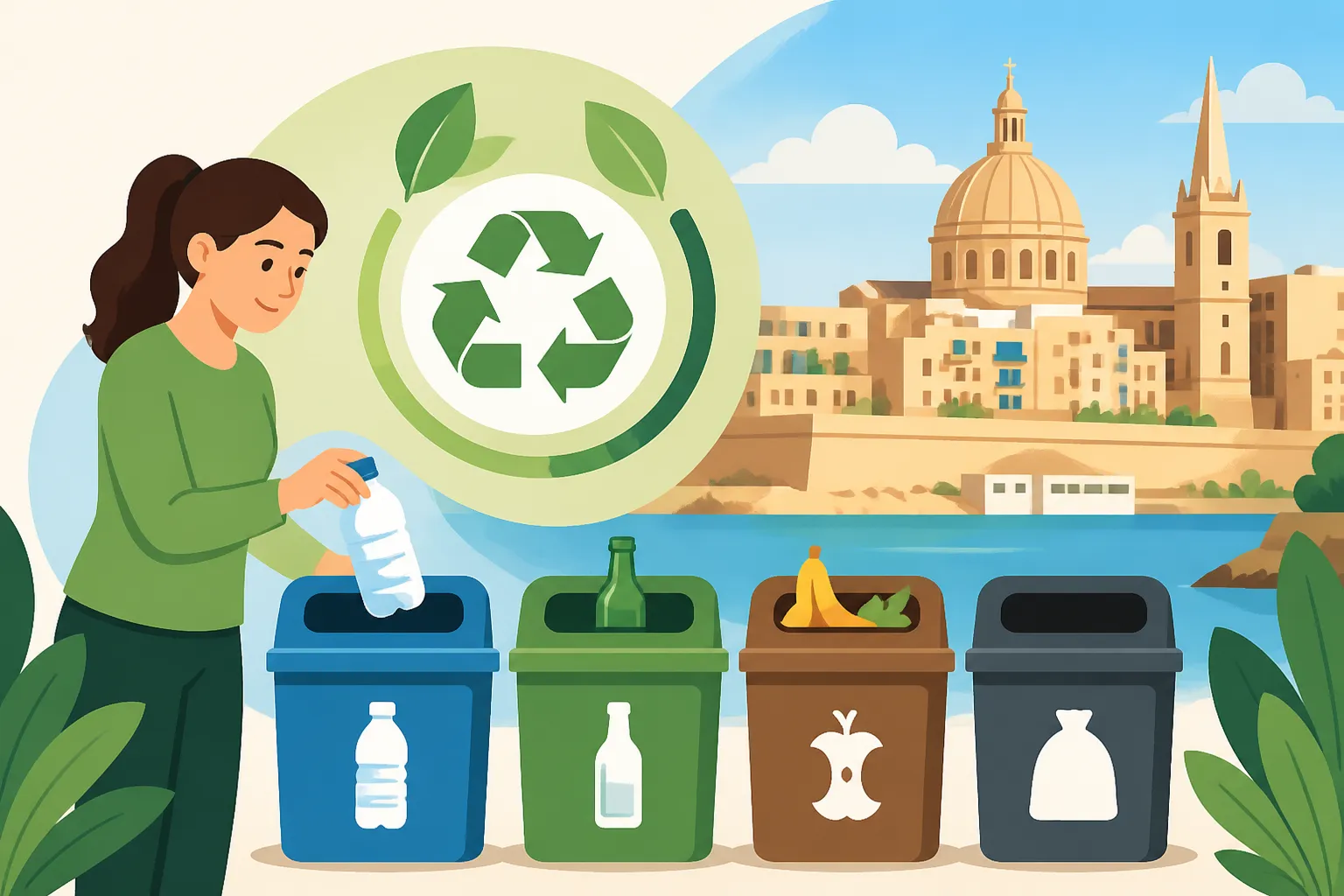
Alright, let's get down to brass tacks: the actual bags and what goes into them. This is the core of your daily waste management here. Forget everything you knew about waste disposal in your home country; Malta has its own specific system, and sticking to it is essential to ensure your waste is actually recycled or processed correctly. Getting this right from day one will save you a lot of grief (and potentially a stern look from a neighbour!).
| Waste Type | Bag Colour/Container | General Contents | Preparation | Typical Collection Frequency |
|---|---|---|---|---|
| Mixed General Waste | Black (or clear) Bag | Non-recyclable, non-organic, non-glass items (e.g., sanitary products, ash, broken ceramics, used nappies, contaminated packaging) | Place in a black bag, tie securely. | 3 times/week |
| Recyclables | Grey or Green Bag | Clean plastic (bottles, containers), metal (cans, foil), paper/cardboard (boxes, newspapers, cartons) | Rinse containers, flatten boxes. Do NOT include food residue or non-recyclables. | 2 times/week |
| Organic Waste | White Bag | All food waste (cooked/uncooked), fruit/veg peels, tea bags, coffee grounds, small garden waste (leaves, grass cuttings) | Place in a biodegradable white bag (often provided by council or sold at supermarkets), tie securely. | 3 times/week |
| Glass | Transparent Bag or dedicated Bin | Glass bottles, jars (no ceramics, mirrors, light bulbs) | Rinse, remove lids. | Once every 2 weeks/Monthly |
Note: Collection days and frequencies can vary significantly by Local Council. Always check your specific council's schedule.
Black Bag: Mixed General Waste
This is your 'residual waste' bag – anything that doesn't fit into the other specific categories. Think of it as the catch-all for the stuff that currently can't be recycled, composted, or specially disposed of. This includes items like used nappies, sanitary products, broken ceramics (like that plate you accidentally dropped while unpacking after your move, a scenario many of us have faced!), ash from fireplaces, non-recyclable plastic packaging (like crisp packets or cling film), and anything else contaminated with food that can't be cleaned.
It’s crucial to remember that this black bag is NOT for food waste, recyclables, or glass. Putting these items in the black bag defeats the purpose of the other collection streams. While it might seem easier to just chuck everything in one bag, resist the urge! You'll often see residents diligently separating their rubbish, and it’s a good practice to adopt quickly. These bags are collected frequently, usually three times a week, ensuring your home doesn't become a smelly holding pen for general waste, especially during Malta's sweltering summers.
Grey/Green Bag: Recyclables (Plastic, Metal, Cardboard)
This is perhaps the most satisfying bag to fill, knowing you’re contributing directly to recycling efforts. The grey or green bag is specifically for clean, dry recyclables. This includes most plastics (like water bottles, milk jugs, detergent containers, plastic food trays – just rinse them out!), metal items (tin cans, aluminium foil, empty aerosols), and paper/cardboard (newspapers, magazines, cereal boxes, corrugated cardboard). Flattening cardboard boxes before placing them in the bag is a great space-saving tip, particularly if you live in a smaller apartment, which is common when Renting a Home in Malta: Contracts, Deposits, and Tenant Rights.
A common mistake newcomers make is putting dirty or food-contaminated items into these bags. A pizza box stained with grease, for example, should go in the black bag (or, ideally, the organic bag if it's mostly food residue and the box is compostable, though standard cardboard goes in recyclables if clean). If you’re unsure, it’s always better to err on the side of caution and place it in the black bag, as one contaminated item can spoil an entire batch of recyclables. These bags are collected twice a week in most localities, so make sure you don’t miss your day!
White Bag: Organic Waste (Food Scraps)
The white bag is probably the most recent and significant addition to Malta’s waste management system, and it's dedicated solely to organic waste. This means all your food scraps – cooked or uncooked, meat, fish, fruit and vegetable peels, stale bread, coffee grounds, tea bags, even small garden waste like leaves and grass cuttings. These bags are designed to be compostable, breaking down along with their contents. Many local councils provide a starter pack of these bags, and you can easily buy more from most supermarkets.
The main idea here is to keep food waste out of landfills, where it produces methane, a potent greenhouse gas. Instead, it gets processed into compost or energy. Using a small kitchen bin with a lid specifically for organic waste can make daily separation much easier and keep your kitchen odour-free. Just remember to tie the white bags securely before placing them out for collection. Like the black bags, organic waste is typically collected three times a week, a necessity given Malta's warm climate and the nature of food waste.
Glass: Separate Collection
Glass has its own special day, usually once every two or four weeks, depending on your locality. It’s collected in transparent bags, which you can often get from your local council or simply use any clear bag that allows the collectors to see the contents. This is exclusively for glass bottles and jars. Think empty wine bottles, olive oil bottles, jam jars – all rinsed out with their lids removed.
What doesn't go in the glass collection? Ceramics, porcelain, mirrors, window panes, light bulbs, ovenware (like Pyrex), and drinking glasses. These items have different melting points and chemical compositions than standard container glass, and including them can contaminate the recycling process. If you have broken ceramics or old light bulbs, they belong in the black bag, or in the case of light bulbs and electronics, to a civic amenity site for proper disposal. Keep an eye on your local council's schedule for glass collection day – it's easy to forget if it's not a weekly occurrence!
Making Sense of Collection Days and Schedules
This is often the trickiest part for new arrivals. Malta isn't a one-size-fits-all island when it comes to rubbish collection. Each Local Council has its own specific schedule, and these can change with public holidays or even seasonal adjustments. It’s not uncommon to see expats, myself included, peering at bins down the street trying to figure out if it’s a grey bag day or a white bag day! Having a reliable local mobile plan, perhaps with an eSIM from a provider like Airalo, can be a godsend when you need to quickly check your local council's website for the updated schedule while you're out and about or even just to message a neighbour.
Decoding Your Local Council's Schedule
The first step, and honestly, the most important, is to identify your Local Council. This information will be tied to your address. Once you know which council governs your area (e.g., St Julian's, Swieqi, Marsaskala), you'll need to find their official website. Most councils have a dedicated section for waste collection schedules, often available as a downloadable PDF or a simple image. Some even have Facebook pages where they post updates.
Look for a calendar or list that clearly indicates which type of waste (black, grey/green, white, glass) is collected on which days of the week. Pay close attention to the times too; while most collections happen in the morning, some might start very early, meaning you need to put your bins out the night before. Don't be shy about asking locals or your landlord for clarity. Many apartment blocks will even have a printed schedule displayed in a common area. When you're first Setting Up Your Home in Malta: Utilities, Internet, and Insurance, finding this information should be high on your checklist.
Public Holidays and Collection Changes
Ah, public holidays. While a welcome break from work, they can throw a wrench into the waste collection schedule. It's almost a rite of passage for expats to forget about a public holiday, put their rubbish out as usual, and then watch it sit there for an extra day! Local Councils are usually good at announcing changes to collection days around public holidays. These announcements are often posted on their websites, social media channels, or sometimes even through notices placed in public areas.
If a regular collection day falls on a public holiday, the collection might be skipped entirely, or it might be moved to an alternative day, such as the day before or the day after. Always double-check! Leaving your rubbish out on a non-collection day, especially a black or white bag, isn't just unsightly; it can attract pests and result in fines from the local wardens. It's another small but significant detail you pick up when embracing Everyday Living in Malta: Shopping, Climate, and Local Customs.
Proper Placement and Timing for Bins
Knowing when to put out your rubbish is just as important as knowing what goes into which bag. Generally, rubbish should be placed outside your door, on the pavement, or in designated collection points, on the morning of collection day. Many councils specify that waste should be placed out between a certain time, often between 6:00 AM and 8:00 AM, to ensure it’s collected but not left out for too long.
Leaving bags out overnight, especially in popular residential areas like Sliema or St Julian's, can be problematic. Not only can they be knocked over by passers-by, but stray cats, which are abundant and beloved on the island, or other animals might tear into them, spreading rubbish and creating a mess. The local wardens also patrol, and you can be fined for putting rubbish out at the wrong time or on the wrong day. It's all part of learning the local rhythms, and soon you'll be instinctively timing your waste disposal like a seasoned local.
Beyond the Bins: Other Recycling and Disposal Options
While the coloured bags cover your daily household waste, there’s a whole other world of items that need special attention. From old furniture to hazardous materials, Malta has systems in place to handle these larger or more complex items, ensuring they don't end up where they shouldn't.
Bulky Refuse Collection Services
Got an old sofa, a broken washing machine, or a pile of moving boxes left over from when you shipped your belongings with services like Sirelo? You can't just leave these on the side of the road! Malta offers bulky refuse collection services, usually organised by your Local Council. These services are typically free for residents, but you need to book an appointment in advance. The process usually involves calling your council office or sometimes filling out an online form. They will then give you a specific day and time (or range of days) to place your bulky items outside your property for collection.
It's a fantastic service that prevents fly-tipping and ensures large items are disposed of responsibly. Make sure you book well in advance, especially during peak moving seasons, as slots can fill up. This is particularly useful if you're How Do I Dispose of Bulky Items in Malta? after furnishing your new apartment or clearing out an old one. Waiting for the last minute can lead to delays, so plan ahead!
Civic Amenity Sites (Recycling Centres)
For items that don’t fit into your regular bins but you want to ensure are recycled properly, Malta has several Civic Amenity Sites (CAS), also known as recycling centres. These facilities, run by WasteServ, are fantastic for a wide range of materials. Here, you can dispose of:
- Electronic Waste (WEEE): Old TVs, laptops, toasters, refrigerators, washing machines, light bulbs (CFLs and LEDs), batteries.
- Hazardous Household Waste: Paint, solvents, chemicals, motor oil (in sealed containers).
- Green Waste: Larger quantities of garden waste than what fits in your white bag.
- Wood: Furniture scraps, pallets (no treated wood or chipboard).
- Metal: Larger metal items.
- Plastic/Paper/Glass: If you missed collection day or have large quantities.
- Textiles: Old clothes, shoes, rags.
- Construction Waste: Small quantities of rubble.
You can find CAS locations across Malta and one in Gozo. They're usually open long hours, making it convenient to drop off items. Just drive in, and staff will direct you to the correct skips or containers for your items. It’s an invaluable resource for anyone wanting to be diligent about their waste disposal and an absolute must if you're doing any renovations or major clear-outs.
Disposing of Hazardous and Electronic Waste
Hazardous waste isn't just industrial chemicals; many common household items fall into this category, requiring careful disposal. Batteries, for instance, should never go into your regular black bin. You'll find battery collection points at many supermarkets, local council offices, and Civic Amenity Sites. Old medicines can be returned to pharmacies, which have dedicated bins for their safe disposal. Used engine oil, paints, solvents, and other chemicals should be taken to a Civic Amenity Site.
As for electronic waste (WEEE), anything with a plug or battery that no longer works needs to be disposed of at a CAS. This includes everything from your old mobile phone to a broken kettle. These items contain valuable materials that can be recovered and harmful substances that need to be processed safely. Ignoring proper disposal methods for hazardous and electronic waste can have serious environmental consequences, polluting our soil and water, so it's a critical area to get right.
Clothing and Textile Recycling
Those clothes you no longer wear, old towels, or fabric scraps don't need to go to landfill. Several charities and organisations in Malta operate clothing banks or collection points, usually large, often yellow or blue, bins strategically placed in various localities. These are fantastic for donating wearable clothing to those in need, but they also accept textiles that can be recycled.
Check with local charities like the Malta Community Chest Fund or even smaller local initiatives. Some Civic Amenity Sites also have dedicated textile recycling bins. Before dropping items off, make sure clothes are clean and dry. It's a great way to declutter your wardrobe sustainably, especially if you've done some extensive shopping to adapt to Malta's climate, which can be quite different from back home.
Common Challenges and Tips for Expats
Malta's waste system, while efficient once you know it, certainly has its quirks. For expats, these quirks can translate into genuine frustrations and a steep learning curve. But don't worry, with a bit of foresight and the right information, you can navigate it like a pro.
Dealing with Limited Space in Apartments
One of the biggest challenges for many living in Maltese apartments, particularly in dense urban areas like St Julian's or Sliema, is the sheer lack of space for multiple bins. Unlike houses with gardens or larger utility rooms, many apartments don’t have dedicated areas to store three types of bags plus glass. This is a common complaint, and it's understandable.
My advice? Get creative. Use smaller, stackable bins if possible. For organic waste, a small lidded caddy that sits on your kitchen counter can be emptied frequently into the larger white bag stored on a balcony or near the front door just before collection. For recyclables, designate a reusable shopping bag or a collapsible bin. Since collections are frequent, you won't have to store large amounts of waste for long. Regular trips to the bins are simply part of the rhythm of apartment living here, much like budgeting for the Cost of Living in Malta: Budgeting for the Real Numbers or getting used to the noise.
Navigating Language Barriers and Information
While English is an official language in Malta, and most official communications are bilingual, sometimes the specific details about hyper-local services like waste collection can be harder to find in English or require a bit of deciphering. Local council websites, in particular, might be more comprehensive in Maltese or have slightly outdated English sections.
Don’t be afraid to ask for help! Your landlord, neighbours, or even colleagues are usually a great source of information. Expats groups on social media platforms are also excellent for asking specific questions about your locality's schedule. Often, a quick post asking "What's the rubbish schedule for [your town]?" will yield helpful responses from fellow residents who've already figured it out. Building these connections is key to How Do I Find Other Expats in Malta? and navigating daily life.
Embracing a More Sustainable Lifestyle
Beyond just following the rules, living in Malta can really push you to embrace a more sustainable lifestyle. The visible impact of waste on such a small, beautiful island makes you acutely aware of your own consumption. Think about ways to reduce waste from the source:
- Reusable Shopping Bags: Carry them everywhere. Many supermarkets now charge for plastic bags.
- Water Bottles: Invest in a good reusable water bottle. While tap water is potable, many prefer bottled water, but that creates a lot of plastic waste. Consider a water filter for your home.
- Buy Local & Fresh: Visiting local markets for fresh produce often means less packaging than supermarket alternatives. This is also a great way to experience local culture!
- Repair, Don't Replace: Before throwing something away, consider if it can be repaired. There are many skilled tradespeople in Malta.
By integrating these practices into your daily life, you’ll find that waste separation becomes less of a chore and more of a natural extension of living responsibly on this beautiful Mediterranean rock. It all contributes to making your new home a better place, and it’s a wonderful way to connect with the island's spirit.
Disclaimer
The information provided in this guide is intended for general informational purposes only and is based on current regulations and common practices in Malta as of the publication date. Waste management rules, schedules, and services are subject to change by local councils and national authorities. Always consult your specific Local Council's official website or direct contact for the most accurate and up-to-date information pertaining to your residential area. While every effort has been made to ensure accuracy, no guarantee is given that the information is correct, complete, or up to date.