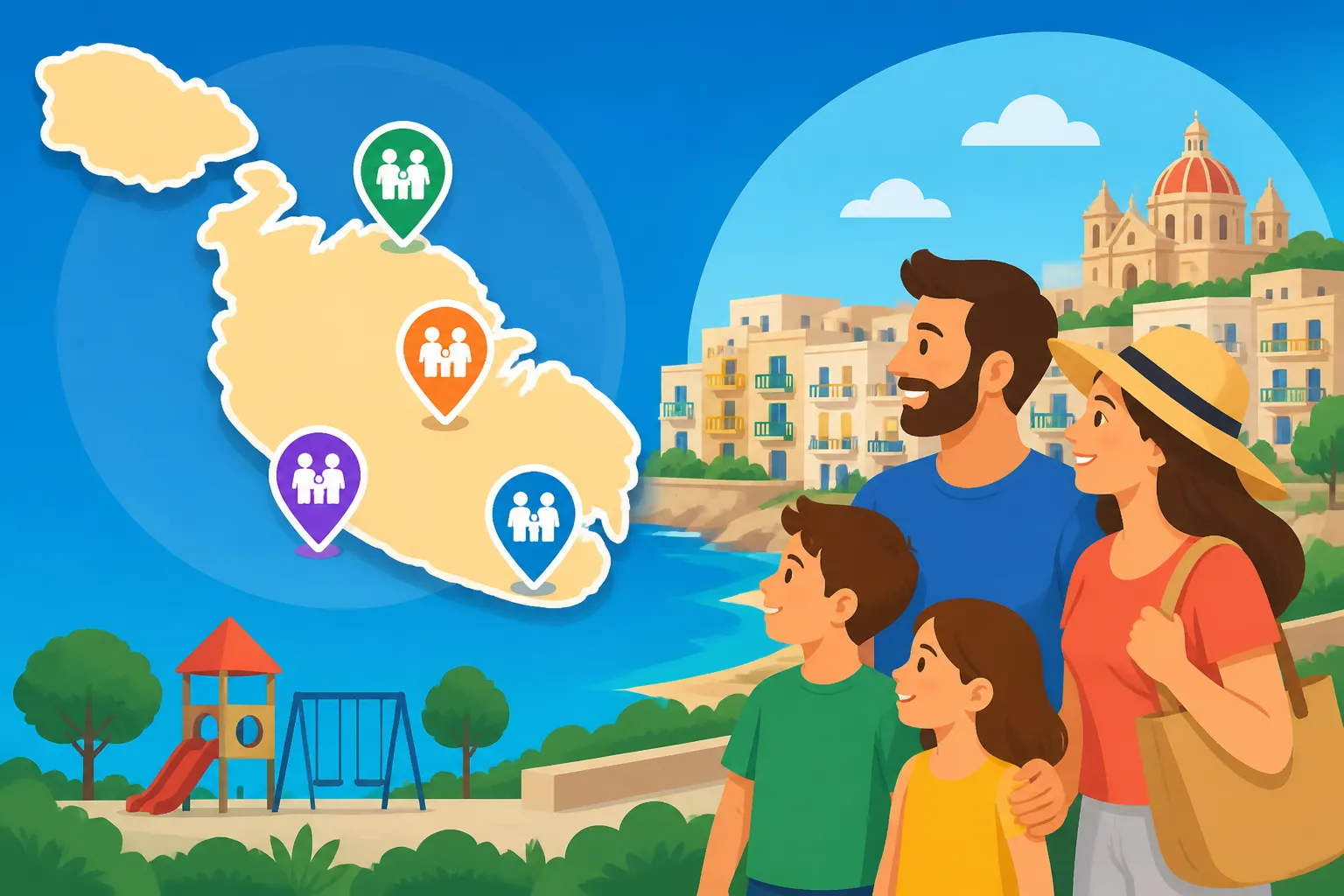
Which Areas Are Best for Families in Malta?
When you’re moving your whole life – and your little ones – to a new country like Malta, one of the biggest headaches is figuring out where on earth to actually settle down. It’s not just about finding a roof over your head; it’s about finding a home, a community where your kids can thrive, where you feel safe, and where the daily grind isn't a constant battle. This guide is here to cut through the noise and give you the real lowdown on the best areas for families in Malta, based on what truly matters to those of us who’ve navigated these waters.
The Unique Landscape of Family Life in Malta
Finding the perfect family spot in Malta isn't like picking a suburb in many other countries. Malta is tiny, densely populated, and often very urbanised, even outside of the main cities. What might look like a quiet residential street on a map could actually be a constant thoroughfare with narrow pavements. You’ll quickly learn that "green space" isn't always abundant, and traffic can be a nightmare. But don’t despair! There are definitely pockets of paradise, and understanding these nuances is your first step.
Balancing Urban Conveniences with Green Spaces
One of the most common trade-offs you’ll face in Malta is balancing the convenience of urban living – think easy access to shops, restaurants, and activities – with the desire for open spaces where kids can run free. Areas like Sliema and St Julian's are bustling with life, full of amenities, but green parks are few and far between. You’re more likely to find playgrounds tucked into residential blocks or promenades by the sea.
On the flip side, some of the traditionally "nicer" residential areas, while quieter, might still lack large, dedicated parks. Your definition of green space might evolve to include coastal walks, quieter village squares, or even just a spacious balcony. It's a mental shift, but an important one for managing expectations. What we tend to seek out as expats are often localities with good pavements for strollers, safe squares, and perhaps even some accessible rural pathways nearby.
Schooling and Childcare: A Major Factor
For families, schooling is often the make-or-break factor when choosing a location. Malta offers a diverse education system, including state, church, and independent schools. Your choice can significantly impact your daily commute and social life. Many expats opt for independent schools, which often follow an international curriculum and can have long waiting lists. These schools are primarily concentrated in specific areas, like Pembroke, Żabbar, or Lija, and attending one might mean daily school runs across the island if you live far away.
If you're considering the free childcare scheme, it's worth noting that facilities are available across the island, but proximity to your chosen school or workplace will still be key. We’ve all done that frantic rush from work to pick up kids, so minimising travel time is always a win. You can explore more about Childcare in Malta: Free Childcare Scheme and Early Years and Schools in Malta: State, Church, and Independent Options to get a clearer picture.
Safety and Community Vibes
Malta is, generally speaking, a very safe place to live. Violent crime is rare, and petty crime is minimal compared to many other European countries. This is a huge comfort for families. However, "safety" for a family also extends to things like pedestrian-friendly streets, minimal traffic, and a sense of community where neighbours look out for each other.
Many of the older villages, particularly those slightly inland, still retain a strong community feel. Here, you’ll find kids playing in the piazza and neighbours stopping to chat. The more modern, rapidly developed areas, while convenient, can sometimes feel a bit more transient and less communal. It’s important to visit these areas at different times of the day to get a true feel for the vibe before committing. If you’re planning a big move, remember services like Sirelo can help map out your logistical needs, making sure your family’s belongings arrive safely, no matter where you decide to call home.
Popular Mainland Areas for Families: Convenience and Connectivity
When most families think about moving to Malta, certain areas spring to mind due to their established expat communities, amenities, and perceived quality of life. These are often a safe bet, though they come with their own set of pros and cons.
Attard, Balzan, and Lija: The Three Villages Charm
Nestled in the central part of Malta, the "Three Villages" – Attard, Balzan, and Lija – are consistently popular with families, both local and expat. These villages offer a delightful mix of traditional Maltese architecture, larger homes with gardens (a rarity in Malta!), and a calmer pace of life than the bustling coastal towns.
- Pros: You'll find a good selection of spacious properties, often with outdoor space, which is highly sought after for families. The streets are generally quieter, and there's a lovely sense of community. There are several good schools in or near these areas, including reputable independent schools. Accessibility to Mater Dei Hospital, the main public hospital, is also reasonable. Public transport links are decent, connecting you to other parts of the island without being right in the thick of the traffic. You also benefit from being relatively central, making commutes to either the north or south of the island manageable.
- Cons: These areas can be on the pricier side for rent or purchase, reflecting their desirability. While charming, they aren't directly on the coast, so if daily beach trips are a must, you’ll need to drive. Amenities are good, but you might not find the same density of international restaurants or trendy cafes as in Sliema. Traffic, while better than in more urbanised areas, can still be an issue during peak school drop-off and pick-up times.
Swieqi and Pembroke: Modern Living with Amenities
For families seeking a more modern residential experience with excellent access to amenities and international schools, Swieqi and Pembroke are often at the top of the list. Located just north of St Julian's, these areas offer a mix of apartments, maisonettes, and some villas.
- Pros: Pembroke is particularly popular due to its proximity to several well-regarded independent schools, significantly reducing school run stress. Both areas boast good infrastructure, including supermarkets, pharmacies, and sports facilities. They are relatively new developments, which means wider roads (in some parts) and better parking than older villages. The proximity to St Julian's means you have a wealth of dining and entertainment options just a short walk or drive away, while still being slightly removed from the nightlife buzz. There are also some lovely coastal walks and a natural park area in Pembroke, offering a much-needed breath of fresh air.
- Cons: These areas can feel very residential, sometimes lacking the traditional Maltese charm of the older villages. Depending on your exact location, traffic can still be heavy, especially heading into St Julian's or Sliema. Rent can be quite high, comparable to the central Three Villages. While there are green spaces, they aren't vast open fields, so managing expectations about outdoor play areas is key.
Naxxar and Mosta: Northern Hubs with Space
Venturing a bit further north, Naxxar and Mosta offer a blend of traditional village life and modern conveniences, often with more space and slightly lower rental prices than the central or harbour areas. These towns are larger and more bustling than the Three Villages but still maintain a family-friendly atmosphere.
- Pros: You’ll find a broader range of housing options here, from older character homes to newer apartment blocks, often at more accessible prices. Both towns are self-sufficient, with large supermarkets, local shops, and good medical facilities. Mosta is famous for its impressive Rotunda church, and both areas host lively village feasts and community events throughout the year. Naxxar, in particular, has seen significant development in recent years, adding more modern amenities and dining options. They offer good access to the northern beaches and rural areas, perfect for weekend outings.
- Cons: Traffic through the town centres can be congested, particularly during peak hours, as they serve as major junctions for northern routes. While they offer good amenities, the nightlife and high-end dining scene are less pronounced than in the Sliema/St Julian's corridor. Commuting to the southern parts of the island for work might be a longer haul, but you can always explore public transport options. For those needing seamless connectivity while out and about, especially if you're frequently traveling between these northern towns and other parts of the island, a portable eSIM from Airalo can be a real lifesaver, ensuring your family stays connected without fuss.
Coastal and Quieter Family Havens: A Different Pace
If your family dreams of sea views, a slower pace, and easier access to Malta's stunning coastline, then heading to the northern or southern fringes might be more your speed. These areas offer a distinct lifestyle, often a bit more relaxed, but might require a different approach to daily logistics.
Mellieħa: Northern Retreat by the Sea
Mellieħa, situated at the very north of Malta, is a popular choice for families who prioritise proximity to beaches and a slightly quieter, more resort-like feel. It offers panoramic sea views, a beautiful village core, and some of Malta's largest sandy beaches just a short drive away.
- Pros: Unbeatable access to stunning beaches like Għadira Bay (Malta's largest sandy beach), Golden Bay, and Paradise Bay. Many properties offer breathtaking views, and the area is known for being generally well-maintained and picturesque. Mellieħa has a good selection of restaurants, shops, and services, catering well to residents and tourists alike. There’s a strong sense of community, and it feels more relaxed than the central areas. It's also the closest point on Malta to catch the ferry to Gozo, offering easy day trips or weekend getaways to the sister island.
- Cons: The "hilliness" of Mellieħa can be a challenge, especially with strollers or young children; walking everywhere isn't always feasible. It’s a longer commute to the central and southern business hubs of Malta, which could be a deal-breaker for some working parents. While beautiful, it can get very busy with tourists during the peak summer months. Rental prices, especially for properties with views, can be on the higher end, although you might find better value inland.
Marsaskala and Marsaxlokk: Southern Fishing Village Life
For families looking for a more authentic Maltese experience, a quieter coastal lifestyle, and generally more affordable housing, the southeastern towns of Marsaskala and Marsaxlokk are fantastic options. These areas offer charming harbours, fresh seafood, and a strong local community feel.
- Pros: Marsaskala, in particular, has developed into a bustling yet family-friendly town. It has a lovely promenade, playgrounds, and several small bays suitable for swimming. Marsaxlokk is famous for its Sunday fish market and picturesque fishing boats, offering a unique cultural experience. Housing is often more affordable here compared to the central or northern areas, and you might find larger apartments or maisonettes. The pace of life is slower, and there’s a real sense of community among residents. Access to the beautiful St Peter's Pool and other rugged coastal spots is also a bonus.
- Cons: Commuting to the main business districts (Sliema, St Julian's, Valletta) can take longer due to traffic and public transport routes. While charming, these towns might lack the sheer volume of international amenities (e.g., specialised grocery stores, certain types of international restaurants) found in the central areas. They are also further from the independent schools typically favoured by expats, potentially meaning longer school runs. It's important to consider the overall cost of living in Malta, as even with cheaper rent, other expenses can add up.
Living in Gozo with Family: The Sister Island Appeal
For families truly seeking an escape from the hustle and bustle, Gozo offers an idyllic alternative. Malta’s sister island is significantly quieter, greener, and boasts a much slower pace of life, making it a compelling choice for those prioritising tranquillity and nature.
- Pros: Gozo is incredibly safe, with virtually no traffic congestion outside of Victoria (Rabat). It's full of stunning natural beauty, from dramatic cliffs to serene beaches and lush valleys, providing endless opportunities for outdoor family adventures. Housing is generally more affordable than in Malta, and you’re more likely to find spacious farmhouses or villas with gardens and pools. The community spirit is incredibly strong, and everyone seems to know everyone. It’s a fantastic place for children to grow up experiencing nature and a tight-knit community. Explore more about Healthcare in Gozo: Gozo General Hospital and Inter-Island Transfers if this is a serious consideration.
- Cons: The biggest challenge is the ferry commute to Malta for work, specialist medical appointments, or specific schooling needs. While the ferry service is efficient, it adds time and cost to your daily routine. Job opportunities on Gozo are more limited, particularly for expats. While Gozo has its own hospital and health centres, some specialised medical care might require a trip to Mater Dei. Social life for adults might require more effort to seek out or create, especially for those used to the buzzing expat scene in Malta. But if you value peace and quiet above all else, Gozo is definitely worth considering. Find out more about Getting to Gozo: The Ferry, Fast Ferry, and Inter-Island Travel.
Practical Considerations When Choosing Your Family's Home
Beyond the charm of a village or the proximity to a beach, there are nuts-and-bolts considerations that every family needs to factor in. These practicalities can make or break your daily routine and overall quality of life.
Commuting, Traffic, and Public Transport
Malta’s small size means that nowhere is truly "far" in terms of distance, but traffic can make short distances feel like epic journeys. What looks like a 10-minute drive on a map can easily become 30-40 minutes during peak hours, especially around the Sliema/St Julian's area and the main arteries.
If you’re relying on public transport, it’s worth noting that while Public Transport in Malta: Free Bus Travel and the Tallinja Card is a fantastic initiative, bus routes can be circuitous, and services can sometimes be delayed. For families with young children, a car often becomes a necessity, adding to the expense and the challenge of finding parking. When choosing an area, consider:
- How far is your workplace?
- How far is your children's school or childcare?
- What are the peak-hour traffic conditions like on those routes?
- Are there direct bus routes, or will you need to change buses?
- Is parking readily available in the area you’re considering?
Many expat parents find themselves driving kids everywhere for after-school activities, playdates, and errands, so minimising those daily drives is crucial for sanity.
Budgeting for Rent and Utilities
Rental prices vary significantly across the island, and for families, housing costs are often the largest monthly expense. Generally, the central and coastal areas (Sliema, St Julian's, Three Villages) tend to be more expensive, while the south and Gozo offer more budget-friendly options. Larger properties, especially those with outdoor space, command a premium.
Don't forget to factor in utilities. Malta has a tiered utility tariff system, and electricity bills can be surprisingly high, especially if you rely heavily on air conditioning in the summer or electric heaters in the winter. It’s important to clarify with your landlord whether you will be charged at the residential or non-residential rate, as this makes a significant difference. Understanding the nuances of Setting Up Your Home in Malta: Utilities, Internet, and Insurance is essential to avoid nasty surprises. When planning your move, consider comprehensive guides like Housing and Living in Malta: The Complete Newcomer's Guide (2027) for a holistic view of financial commitments. Also, getting your Maltese tax identification number (TIN) is crucial for official matters, including potentially better utility rates if you register as a resident.
The Importance of a Good Support Network
Moving to a new country with a family can be isolating at first. Having a good support network – whether it’s other expat families, local friends, or community groups – is incredibly important for your well-being and your children’s adjustment. When you're choosing an area, consider:
- Are there other families in the neighbourhood?
- Are there local parks, playgrounds, or community centres where you can meet people?
- Are there international schools or nurseries that might have expat parent groups?
- How accessible are social groups and activities from your chosen location?
While you can always travel to meet friends, being able to walk to a local café for a quick chat, or having neighbours whose kids can play together, makes a huge difference to daily life. Finding a doctor in Malta that is convenient to your home is also a significant part of establishing that local support network. It’s all part of building your new life here, one connection at a time.
Comparing Family-Friendly Areas in Malta
To give you a clearer snapshot, here's a handy table comparing some of the key family-friendly areas we've discussed:
| Area | Best For | Pros | Cons |
|---|---|---|---|
| Attard, Balzan, Lija | Traditional charm, spacious homes, central | Quiet, safe, good schools, larger properties, strong community. | Higher rent, not on the coast, can lack bustling modern amenities. |
| Swieqi, Pembroke | Modern amenities, international schools | Proximity to schools, good infrastructure, coastal walks, modern feel. | Can be residential/lacking character, higher rent, traffic into St Julian's. |
| Naxxar, Mosta | Value for money, self-sufficient hubs, northern | More affordable housing, good local amenities, access to north beaches, vibrant local life. | Traffic in town centres, longer commute to south, less expat-centric social scene. |
| Mellieħa | Beach lovers, quieter resort feel, nature | Best beaches nearby, stunning views, relaxed pace, community feel, Gozo access. | Hilly terrain, longer commute to central Malta, busy with tourists in summer. |
| Marsaskala, Marsaxlokk | Authentic village life, coastal, value | More affordable, charming harbours, local community, good local amenities, southern beaches. | Longer commute to central Malta, fewer international amenities, limited school choices. |
| Gozo | Tranquillity, nature, slower pace, spacious | Very safe, quiet, natural beauty, larger properties, strong community, low traffic. | Ferry commute to Malta, limited job opportunities, less specialised medical care. |
Final Thoughts on Choosing Your Family's Slice of Malta
Choosing where to live in Malta as a family is a deeply personal decision, influenced by your budget, work location, schooling priorities, and lifestyle preferences. There's no single "best" area, but rather the best area for your family. Countless families make the move, and the ones who thrive are those who do their homework, visit potential areas, and temper their expectations with the realities of island living.
Take your time, visit these areas at different times of the day, talk to other expat families, and imagine your daily life unfolding there. Malta has a unique charm, and once you find your spot, it truly feels like home.
Disclaimer
The information provided in this article is intended for general guidance and informational purposes only. While every effort has been made to ensure accuracy, the specifics of legal, financial, health, and administrative procedures in Malta can change. Readers are strongly advised to seek independent professional advice tailored to their individual circumstances. This content does not constitute professional advice and should not be relied upon as such.