Healthcare in Gozo: Gozo General Hospital and Inter-Island Transfers
Living on the sister island of Gozo offers a tranquil pace of life that the main island of Malta often lacks, but it also brings a unique set of anxieties regarding medical access. I remember the first winter I spent in a drafty farmhouse in Xaghra, watching the white caps on the sea and wondering: if something goes wrong tonight, am I truly stuck? This guide clarifies exactly how Gozo General Hospital functions and how the crucial inter-island transfer system ensures you are never truly isolated from world-class care.
The Reality of Healthcare on Gozo: Local Expectations vs. Mainland Logistics
Moving to Gozo often means trading the convenience of being ten minutes away from a major teaching hospital for the charm of limestone alleys and hidden coves. However, the medical infrastructure here is surprisingly robust for an island of its size. You aren't just left to fend for yourself with a local GP and a prayer. The system is designed as an extension of the mainland, but with its own localized quirks that you need to understand before you actually need them.
Understanding the Gozitan Medical Landscape
The medical scene in Gozo revolves almost entirely around Victoria, known locally as Rabat. This is where you will find the main hospital and the primary health centre. Unlike the main island, where you might have multiple private hospitals and several sprawling public health hubs, Gozo's resources are concentrated. This makes things simpler in one way—you always know where to go—but it also means that for highly specialized procedures, you will likely become acquainted with the ferry or the helipad.
Expats often assume that because the island is small, the care is "basic." That hasn't been my experience. The medical staff at Gozo General are deeply embedded in the community and often go the extra mile. However, the hardware and the number of consultants are naturally more limited than what you’ll find at Mater Dei. For newcomers, especially those on a nomad visa who might be using SafetyWing while they wait for their local paperwork to clear, it’s vital to know that the public system is your primary safety net, but private clinics in Victoria are excellent for skipping the initial queues for a GP.
The Hub-and-Spoke Relationship with Mater Dei
Think of Gozo General Hospital as a high-functioning "spoke" to the "hub" of Mater Dei. For about 80% of what ails you—from broken bones and stitches to basic surgeries and chronic disease management—Gozo can handle it. For the other 20%, which includes major cardiac interventions, complex neurosurgery, or advanced oncology, the system is designed to move you to the mainland efficiently.
This relationship is formalized. If you are admitted to Gozo General and the doctors determine you need equipment only available in Msida, the transfer process begins immediately. You don't have to "apply" to move; it is a clinical decision. Knowing how Mater Dei and Beyond: A Guide to Malta's Public Hospitals and Health Centres function is just as important for a Gozitan resident as it is for someone living in Valletta, because your medical journey may very well start in Victoria and end in the center of Malta.
Public vs. Private Care on the Sister Island
While Gozo General is the crown jewel of public care here, the private sector is growing. Many residents use private GPs found in local pharmacies in towns like Nadur or Xewkija for day-to-day issues. This is often faster than waiting at the Victoria Health Centre. For specialized private tests, many Gozitans still travel to the mainland to visit clinics like St. James or DaVinci, though more visiting consultants are now making the trip to Gozo once or twice a week.
If you are a non-EU resident, having a solid insurance plan like SafetyWing can be a lifesaver during those first few months. It allows you to access private specialists in Victoria without worrying about the immediate cost, providing a bridge until you are fully integrated into the Maltese social security system and can enjoy the same rights as the locals.
Gozo General Hospital: Your Primary Point of Contact
Located on the outskirts of Victoria, Gozo General Hospital (GGH) is the only hospital on the island. It serves as an acute care facility, a long-term care home, and a specialized clinic hub all rolled into one. Walking through its corridors, you’ll notice a blend of old-world charm and modern medical technology. The hospital has seen significant investment in recent years, particularly in its emergency and diagnostic departments.
Emergency Department (A&E) and Urgent Care
The Accident and Emergency department at GGH is open 24/7. In my experience, the wait times here are often significantly shorter than at Mater Dei, simply due to the smaller population base. If you have a kitchen accident or a sudden fever, this is where you go. The staff are accustomed to dealing with everything from farm-related injuries to tourist-related diving accidents.
It is critical to know that Emergency Medical Care in Malta: 112, A&E, and Urgent Help is the standard. If you call 112 from a Gozitan landline or mobile, the ambulance that arrives will be dispatched from GGH. They are incredibly efficient at navigating the narrow, winding streets of the villages. For those living in more remote areas like Ghasri or San Lawrenz, having your Eircode-equivalent or a very clear landmark ready is essential, as GPS can sometimes be "creative" in the Gozitan countryside.
Outpatient Services and Specialized Clinics
GGH hosts a variety of outpatient clinics, meaning you don't always have to cross the channel to see a specialist. Clinics for diabetes, cardiology, orthopaedics, and physiotherapy are held regularly. Often, specialists from Mater Dei travel to Gozo on specific days of the week to see patients locally. This saves the Gozitan population thousands of ferry trips every year.
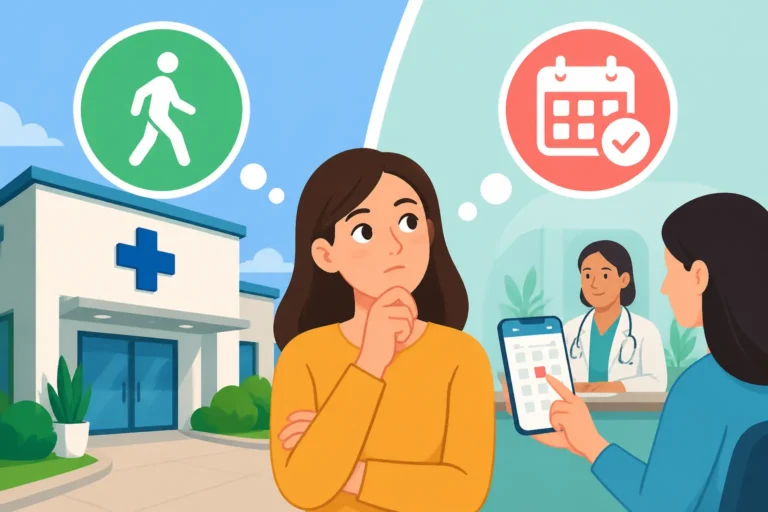
To access these, you generally need a referral from a GP, whether that’s a public doctor at the health centre or a private one. Understanding How the Specialist Referral System Works in Malta's Public Hospitals will help you navigate this without frustration. Once you have your referral, you’ll be given an appointment at the GGH outpatient hall. My advice? Always arrive 20 minutes early; the administrative pace in Gozo can be leisurely, but the doctors usually stick to their schedules.
Inpatient Wards and General Surgery
If you require surgery that isn't classified as highly complex, GGH has well-equipped operating theaters and several inpatient wards. The care is personalized; because the island is small, the nurses often know the families of the patients, which creates a very different atmosphere than the massive, bustling wards of Mater Dei.
However, there is a limit to inpatient capacity. During peak seasons or flu outbreaks, the hospital can get crowded. If the hospital reaches capacity or if your condition requires a specific type of intensive care unit (ICU) bed that is currently occupied, the inter-island transfer system kicks in. This is a standard operating procedure and shouldn't cause alarm; it's simply a way to ensure every patient gets the level of monitoring they need.
Navigating Inter-Island Medical Transfers
The most common question I get from expats moving to Gozo is: "What happens if I have a heart attack and the ferry isn't running?" It's a valid fear, but the answer is reassuring. The medical link between the islands is prioritized over almost everything else, including weather and commercial schedules.
The Role of the Air Ambulance Helicopter
For life-threatening emergencies, there is a dedicated helicopter air ambulance. The helipad is located in Xewkija, just a few minutes from the hospital. If a patient at GGH needs immediate surgery at Mater Dei, they are stabilized, rushed to the helipad, and flown directly to the roof of Mater Dei in Malta. The flight takes less than ten minutes.
This service is a lifeline during the rare "Grigal" storms when the Gozo Channel ferries might be suspended. The helicopter is staffed by highly trained emergency flight nurses and doctors. It is a well-oiled machine. For expats on temporary permits or digital nomads, ensure your insurance, such as SafetyWing, covers emergency evacuation, although in life-or-death situations, the Maltese state provides this service as part of its emergency response regardless of your initial paperwork.
Specialized Ground Ambulance Transfers via Ferry
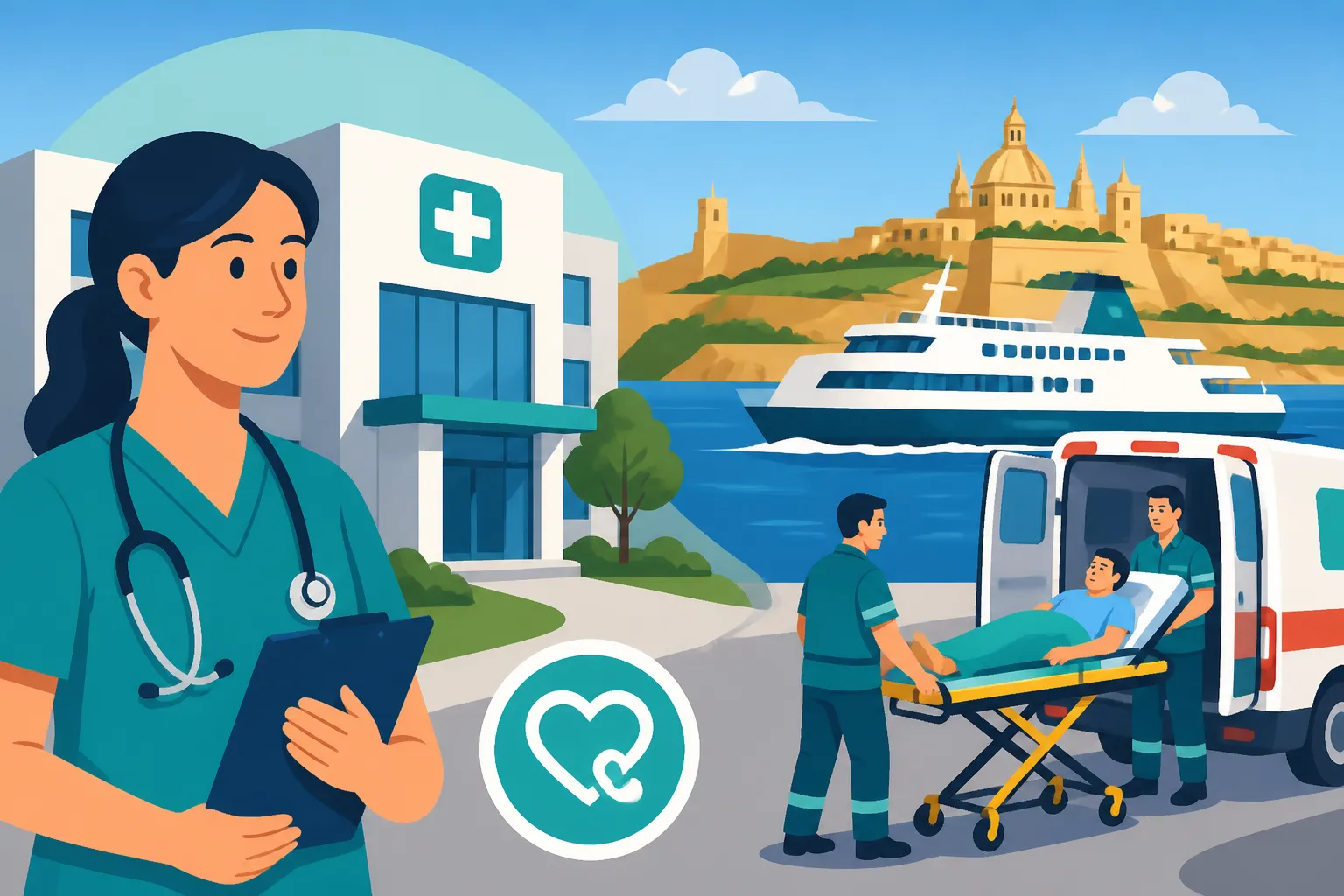
For patients who need to move to Mater Dei but are stable enough for a road journey, the "standard" transfer involves a dedicated ambulance. These ambulances have priority boarding on the Gozo Channel ferry. You’ll often see them with sirens blaring, driving straight onto the ramp while everyone else is still waiting in the terminal queue.
During the crossing, the patient remains in the ambulance, accompanied by medical staff. Once the ferry docks in Cirkewwa, the ambulance has a clear run down the coast road to Mater Dei. While it takes longer than the helicopter, it is a very common way for patients to be moved for scheduled surgeries or specialized imaging like certain types of MRIs that might be more readily available on the mainland.
Non-Urgent Patient Transport Services
Not all transfers are emergencies. Many Gozitan residents need to visit Mater Dei for routine oncology treatments, specialized dialysis, or specific consultant follow-ups. The government provides a "Patient Transport" service for those who cannot drive themselves or take the bus. This involves a minibus or a non-emergency ambulance that picks up patients from GGH or their homes, takes them across on the ferry, and drops them at the Mater Dei entrance.
Using this service requires some planning. You usually need to book it through the GGH administration several days in advance. It’s an incredible resource that keeps the elderly and those with limited mobility connected to the national healthcare hub. If you are new to the island and managing a chronic condition, Registering with a Health Centre and Choosing a GP in Malta is your first step toward accessing these transport logistics.
| Service Type | Transport Method | Typical Duration | Priority Level |
|---|---|---|---|
| Life-Threatening | Helicopter (Air Ambulance) | 10-15 mins | Critical |
| Urgent Inpatient | Priority Ambulance via Ferry | 60-90 mins | High |
| Scheduled Specialist | Non-Urgent Transport | 2 hours | Routine |
| Outpatient Follow-up | Personal Travel (Fast Ferry) | 45-60 mins | Routine |
Practical Advice for New Residents and Expats
Setting up your "medical life" on Gozo requires a bit of proactive admin. Don't wait until you have a blinding migraine or a broken toe to figure out where your ID card fits into the system. The Gozitans are helpful, but the bureaucracy follows the same rules as the mainland.
Registering with a Gozitan Health Centre
Your first port of call should be the Victoria Health Centre. This is located near the heart of the city and serves as the primary care hub for the entire island. You will need to present your eResidence card to register. If you haven't received your physical card yet, Getting Your Maltese ID Card Number: The Key to Accessing Healthcare is a process you should start the moment you arrive.
Once registered, you can access free GP services, nursing care, and even certain specialized services like podiatry and speech therapy. The health centre also handles blood tests and ECGs. It can get busy on Monday mornings, so we recommend going mid-week if your needs aren't urgent. Most expats find that having a "local" record at the Victoria Health Centre makes any future visits to the hospital much smoother.
Managing Chronic Conditions and Prescriptions locally
If you have a condition that requires regular medication, you’ll want to get onto the POYC (Pharmacy of Your Choice) scheme. This allows you to collect your state-funded medications from a pharmacy in your own village—whether that’s Ghajnsielem or San Lawrenz—rather than trekking to the hospital every time.
To set this up, you'll need to see a consultant at Gozo General who will fill out the necessary "Schedule V" (the famous yellow or pink cards) paperwork. This confirms your Health Entitlement in Malta: How Social Security Contributions Unlock Free Care and lists the specific medicines you are entitled to. It might take a few weeks for the paperwork to clear, so keep a supply of your current meds from home or use your SafetyWing coverage to buy them privately at a local pharmacy in the interim.
Health Insurance Considerations for Gozitan Life
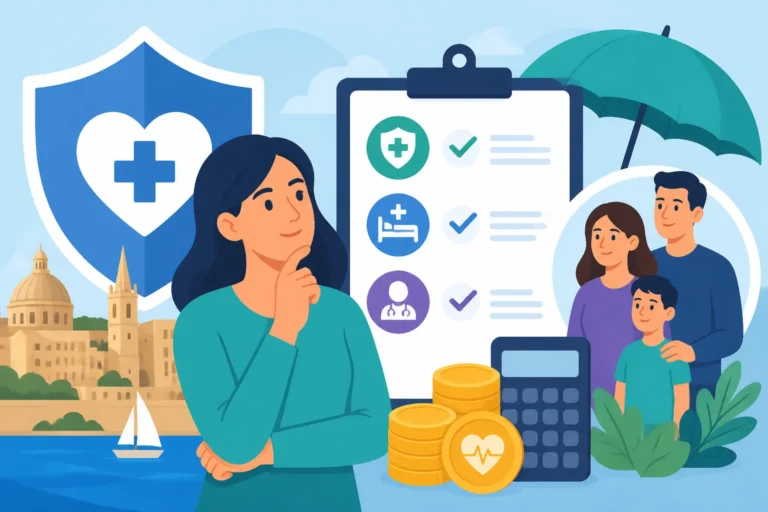
While public healthcare is excellent, many expats choose to maintain private insurance. In Gozo, this is particularly useful for accessing private specialists who consult in Victoria. There are several private multi-disciplinary clinics on the island where you can see a dermatologist, gynecologist, or pediatrician within a few days, rather than waiting for an outpatient slot at the hospital.
When choosing a policy, check if they have a direct billing agreement with the local private clinics. If you are a digital nomad or a retiree, Private Healthcare and Insurance in Malta: When You Need Cover is a topic worth researching deeply. Having that private cushion means that if you decide you’d rather see a specialist in a private setting on the mainland, your insurance can help cover the costs of the consultation and any private tests, giving you the best of both worlds.
Specialised Care: Maternity, Pediatrics, and Mental Health
For families and those needing specific support, Gozo offers dedicated services that are surprisingly intimate and high-quality. You aren't just a number here; you are part of the island’s community.
Giving Birth at Gozo General Hospital
The maternity ward at GGH is often praised by expat moms for its "boutique" feel. Because there are fewer births than at Mater Dei, the midwives can offer a lot of personalized attention. Most prenatal care can be done right in Victoria, including ultrasounds and blood work.
However, it is important to note that if a pregnancy is deemed "high-risk" or if there are complications expected that require a Neonatal Intensive Care Unit (NICU), the mother may be encouraged to give birth at Mater Dei. The safety of the baby is always the priority. For most standard births, though, staying in Gozo is a wonderful experience. If you’re planning a family, reading up on Maternity Care in Malta: Antenatal Visits, Birth, and the Maternity Benefit will give you a clear picture of what to expect from the national system.
Specialized Pediatric Care and Emergencies
GGH has a dedicated pediatric ward and pediatricians on call. For common childhood illnesses, the care is excellent. They are very used to "tourist tummy" and the various bumps and scrapes that come with island living.
In a pediatric emergency, the same transfer rules apply. If a child needs specialized pediatric surgery or intensive care, the helicopter or priority ambulance will be used. Most Gozitan parents are very comfortable with this system. They know that if their child is moved to the mainland, they are going to one of the best pediatric centers in the Mediterranean. As an expat, Family and Children's Healthcare in Malta: Maternity, Well-Baby, and Beyond should be your roadmap for keeping your little ones healthy while living on the sister island.
Accessing Mental Health Support on the Island
Mental health services are available through the Gozo Health Centre and a dedicated psychiatric unit at GGH. There has been a concerted effort to reduce the stigma and increase the availability of community-based mental health nurses on the island.
For those seeking therapy, there are several private English-speaking therapists who practice in Gozo. If your needs are more acute, the public system provides crisis intervention. While the main psychiatric hospital is on the mainland, Gozo maintains its own outpatient and inpatient psychiatric services to ensure residents don't have to leave their support networks unless absolutely necessary. Knowing that Mental Health Support in Malta: Services, Therapy, and Mount Carmel Hospital is part of the broader network can provide peace of mind if you or a loved one needs help.
Healthcare in Gozo: A Summary for Newcomers
Living in Gozo is a dream for many, and the healthcare system is designed to support that dream, not hinder it. By understanding that Gozo General Hospital is your primary anchor and that Mater Dei is your backup, you can settle into village life with confidence.
- Register early: Get your ID card and visit the Victoria Health Centre before you get sick.
- Know your routes: Understand the difference between the 112 emergency response and a routine referral.
- Bridge the gap: Use a service like SafetyWing while you wait for your official entitlement to ensure you have access to private care if needed.
- Embrace the system: The inter-island transfer system is a world-class feat of logistics; trust it if you ever need it.
Gozo might feel like a different world, but its medical heart is beat-for-beat with the rest of Malta. Whether you are sipping coffee in the Pjazza in Victoria or hiking the cliffs of Ta' Cenc, you are never more than a few minutes away from a system that cares for its own.
Disclaimer
This guide is for informational purposes only and is based on the personal experiences of an expat living in Malta and Gozo. It does not constitute professional medical or legal advice. Healthcare regulations and hospital management policies in Malta are subject to change. Always consult with a qualified medical professional or the official Malta Health Department for specific medical concerns or entitlement queries. For the latest on travel insurance and coverage, please refer to the specific terms and conditions of providers like SafetyWing.