Schools in Malta: State, Church, and Independent Options
Moving your family to a new country like Malta brings with it a whole host of considerations, and honestly, one of the biggest headaches can be figuring out the schooling system. It’s not just about finding a good school; it’s about understanding a completely different structure, application processes, and what each option truly offers your child. This guide is here to unravel the complexities of Malta’s state, church, and independent schools, helping you make an informed decision for your family.
Understanding Malta's Education System Foundation
When you first start looking into schools in Malta, you’ll quickly realise it’s not as straightforward as a simple public or private split you might be used to back home. The island nation has a rather unique educational landscape, deeply rooted in its history and culture, offering three distinct types of schools. This can be a bit overwhelming, especially when you’re also trying to navigate things like getting your residence permit or finding a place to live. Take a deep breath; we’ll break it down.
The Tripartite Structure: A Unique Blend
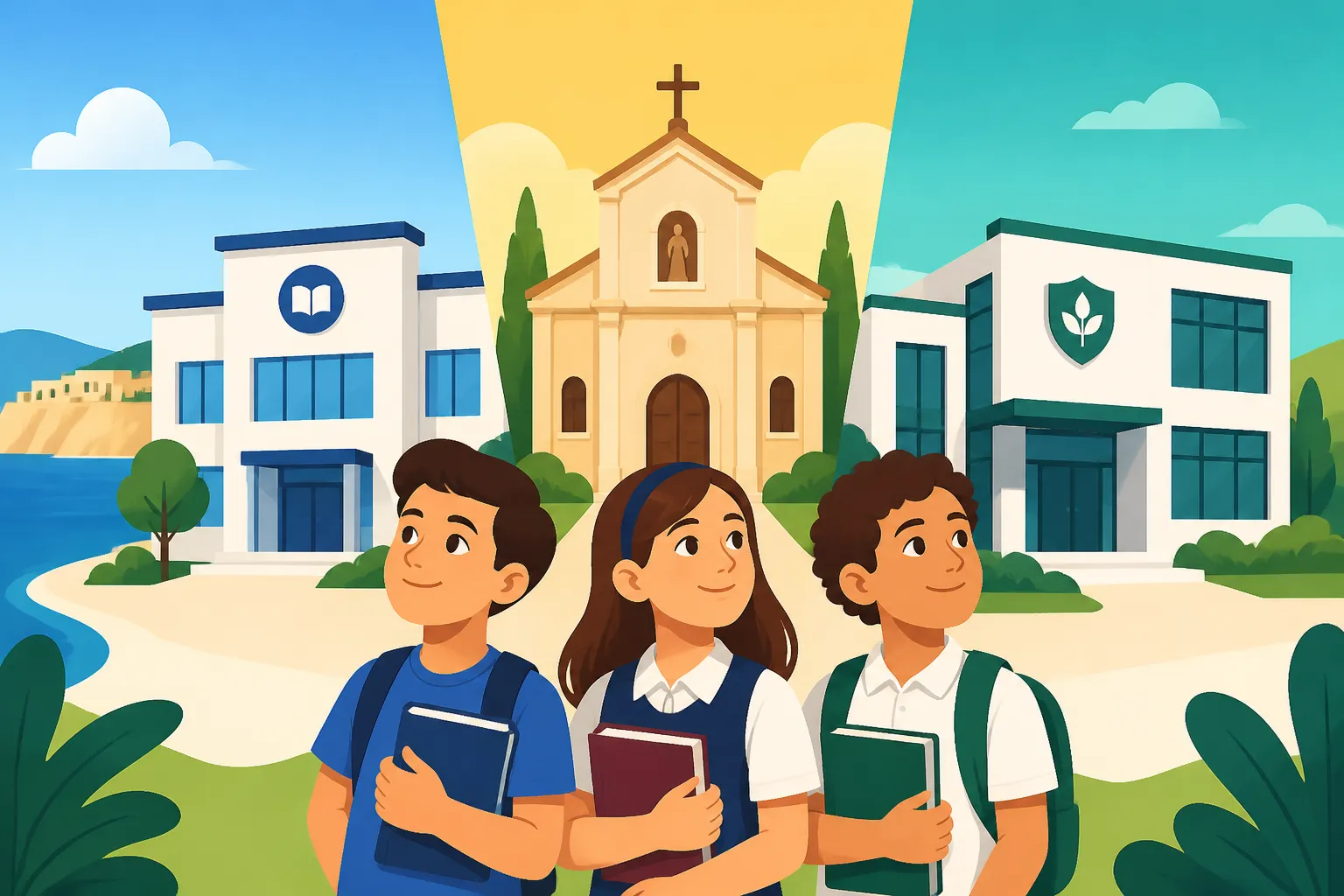
Malta’s education system is predominantly public, but with a significant presence of Church-run and independent schools that often cause a bit of confusion for newcomers. You've got State schools, which are government-funded and open to all residents; Church schools, which are run by the Catholic Church but are also largely government-funded, offering free education; and then Independent schools, which are privately run and tuition-based. Each category operates under slightly different rules, particularly concerning admission, curriculum nuances, and overall ethos. It’s this mix that gives parents choice, but also requires a good deal of research to understand where your child might best fit in.
For example, a family arriving from a country with a purely secular public system might find the presence and prominence of Church schools surprising, and wonder how that impacts daily life. Or, if you're looking for a specific international curriculum, you'll need to know which school types even offer that. This diverse structure means there's likely an option for every family, but identifying it means understanding the ins and outs of each. It's truly a distinctive aspect of life here, often sparking lively discussions among expat parents at the school gates.
Curriculum and Language of Instruction
Across all three types of schools in Malta, the national curriculum frameworks set by the Ministry for Education are generally followed, ensuring a baseline standard. However, the depth and breadth of subjects, as well as the approach to teaching, can vary significantly. Maltese and English are both official languages, and instruction typically occurs in both, especially in State and Church schools. Your child will definitely be exposed to both languages, which is fantastic for bilingual development but can be an initial challenge if they arrive with no prior Maltese language exposure.
In State and Church schools, subjects like Maltese, English, Mathematics, Science, and Social Studies form the core. While English is widely used for instruction, particularly in secondary education and for subjects like science, Maltese is a compulsory subject and often used in primary settings. Independent schools, particularly those catering to an international clientele, often offer international curricula like the International Baccalaureate (IB) or British curriculum (e.g., IGCSE, A-Levels), with English as the primary language of instruction. This makes them a popular choice for expat families who plan to move again or want to ensure their children have a consistent curriculum that is easily transferable. Understanding these linguistic and curricular nuances is crucial when you're deciding, as it directly impacts your child's integration and academic progress.
The State School Experience in Malta
State schools in Malta are often the first port of call for many families, especially those who are new to the island and are just settling in. They’re free at the point of access for all residents, regardless of nationality, which is a huge relief when you’re budgeting for a move. These schools are spread across various localities, managed by the Ministry for Education, and aim to provide a comprehensive education to all children living in Malta. While the 'free' aspect is undeniably attractive, it’s important to understand what the experience truly entails, as it might differ significantly from what you’re accustomed to.
Enrolment and Catchment Areas
The enrolment process for State schools is generally tied to your residential address. Each locality in Malta has designated schools, and your child will typically be assigned to a school within your catchment area. This means that where you choose to live directly impacts which State school your child attends. This can be a bit of a chicken-and-egg situation when you’re trying to find a home and a school simultaneously. It’s worth researching the schools in different areas before you commit to a rental agreement, as school quality and resources can vary. Families often prioritise living near a specific school, leading to vibrant communities around popular educational institutions.
The process usually involves registering with the relevant college (Malta is divided into a number of college networks, each overseeing a group of schools) and providing proof of residence, your child's birth certificate, and your eResidence card. You might find that some schools are oversubscribed, leading to discussions about zoning or alternative placements, though this is less common at the primary level. It's a system designed to ensure local children attend local schools, fostering community ties, but it can feel a bit rigid if you have specific preferences that don't align with your address.
Daily Life and Resources
Life in a Maltese State school is vibrant and often very community-oriented. Class sizes can vary, but generally, primary schools have a more intimate feel. Children wear uniforms, which are usually quite affordable and easily sourced. The academic day typically runs from around 8:30 AM to 2:30 PM, with variations for breaks and lunch. Facilities can range from older, charming buildings with historical character to newer, purpose-built structures, often with modern amenities like interactive whiteboards and computer labs. Most schools also offer extracurricular activities, though these might not be as extensive or specialised as those found in independent schools.
One common observation from expat parents is the strong focus on national holidays and cultural events, which can be a fantastic way for children to immerse themselves in Maltese culture. The integration of English and Maltese in the curriculum means children quickly become bilingual, which is a huge asset. Resources, while adequate, might sometimes feel stretched compared to what you'd find in a well-funded international private school, but the dedication of teachers is consistently high. Children get a solid grounding in core subjects, learn about their local environment, and build friendships within their community. Remember, while education is free, parents are usually expected to contribute towards school supplies, uniforms, and sometimes class trips, which is standard practice across the board.
Exploring Church Schools: Faith and Academics
Church schools hold a very special place in Malta's educational landscape, embodying a unique blend of faith-based values and academic rigour. Despite being run by the Catholic Church, they are almost entirely funded by the government, meaning they offer free education to students, much like State schools. This often comes as a surprise to newcomers, who might expect a fee-paying model similar to private religious schools in other countries. The combination of free tuition and a strong reputation for discipline and academic standards makes Church schools incredibly popular among both Maltese and expat families, leading to a highly competitive admission process.
Application and Ballot System
Gaining admission to a Church school in Malta is a distinctive and often nail-biting experience, primarily because places are allocated through an annual ballot system. With no tuition fees and a high demand for places, the number of applicants far exceeds the available spots, making the ballot a necessary, albeit nerve-wracking, mechanism. Parents apply online, typically in the preceding academic year, specifying their preferred schools. There are specific criteria that can give applicants a slight advantage, such as having siblings already attending the school, being a child of a school employee, or specific social cases. However, for most applicants, especially expat families without these pre-existing ties, it comes down to the luck of the draw.
The ballot itself is a public event, often streamed online, adding to the transparency and drama. It’s important to research the application timelines carefully and ensure all necessary documents, such as birth certificates, baptism certificates (if applicable), and proof of residence, are submitted correctly. This period can be quite stressful for parents, especially those who have pinned their hopes on a particular school. Having a strong digital connection is useful during this time, perhaps even with an eSIM from a provider like Airalo if you're still getting set up with local services. The sheer popularity of these schools is a testament to their perceived quality, but it also means parents need to be prepared for the possibility of not securing a place through the ballot alone.
Values, Ethos, and Expectations
Beyond the academics, Church schools are distinct due to their strong emphasis on Catholic values and moral formation. While you don’t necessarily need to be Catholic to attend (though preference may be given to baptised children in some instances), students are expected to participate in religious instruction and adhere to the school's ethos. This includes daily prayers, regular religious instruction classes, and participation in school Masses or other faith-based activities. For families seeking an education that reinforces spiritual and ethical development alongside academic learning, this can be a significant draw.
Academically, Church schools typically follow the national curriculum but often have a reputation for maintaining high standards, fostering a disciplined learning environment, and encouraging a strong work ethic. They are well-regarded for preparing students for national examinations and often achieve excellent results. Parents can expect regular communication, a focus on student behaviour, and generally smaller class sizes in some institutions. The community aspect is also very strong, with parents often actively involved in school life through various committees and events. For many, a Church school provides a nurturing environment where children grow holistically, embracing both knowledge and moral character, a valuable perspective often shared by parents who have relocated through services like Sirelo and settled into Maltese life.
Independent Schools: A Private Path
For families seeking a specific educational approach, an international curriculum, or simply a more tailored experience, independent schools in Malta offer a compelling alternative. These schools are privately owned and operated, relying on tuition fees for their funding. This means they often have greater autonomy in terms of curriculum design, facilities, and class sizes compared to their State and Church counterparts. They are a popular choice for expat families who value continuity with international educational systems or desire a broader range of extracurricular activities.
Diverse Curricula and Facilities
One of the primary attractions of independent schools in Malta is the diversity of curricula they offer. While some may follow the Maltese national curriculum, many also offer internationally recognised programmes such as the British curriculum (GCSEs, IGCSEs, A-Levels) or the International Baccalaureate (IB) Programme. This is incredibly beneficial for families who anticipate further international moves, as these qualifications are globally recognised and facilitate smoother transitions between different education systems. Schools like Verdala International School or QSI International School of Malta are well-known for their international curricula, drawing students from a multitude of nationalities.
Beyond academics, independent schools often boast impressive facilities that might include state-of-the-art science labs, extensive sports complexes, dedicated art and music studios, and even swimming pools. Class sizes are typically smaller, allowing for more individualised attention and a lower student-to-teacher ratio. This can be a huge advantage for children who thrive in more focused learning environments or require additional support. Furthermore, the range of extracurricular activities is usually much wider, encompassing everything from competitive sports and drama clubs to robotics and debating societies, providing a holistic educational experience.
Tuition Fees and Admission Criteria
The quality and facilities offered by independent schools come with a price tag. Tuition fees vary significantly depending on the school, the child's age, and the curriculum, often ranging from a few thousand Euros to over ten thousand Euros per year. On top of tuition, parents should budget for additional costs such as registration fees, enrolment fees, uniforms, textbooks, school trips, and extracurricular activities. It's a substantial financial commitment, so thorough research into the full cost implications is essential. When you’re budgeting for the Cost of Living in Malta: Budgeting for the Real Numbers, these fees will be a significant factor.
Admission to independent schools is generally based on an application process that includes reviewing previous academic records, interviews with the student and parents, and sometimes entrance examinations, particularly for older children. Unlike the ballot system of Church schools, places are offered directly, usually on a first-come, first-served basis once the application is complete and criteria are met. It’s advisable to apply well in advance, especially for popular schools or specific year groups, as places can fill up quickly. Many schools also have a strong support system for integrating new students, recognising that many come from abroad and might need extra help adjusting to a new environment and making new friends.
| School Type | Funding Source | Tuition Fees | Curriculum Basis | Admission Process | Religious Instruction | Key Benefit for Expats | Typical Class Size |
|---|---|---|---|---|---|---|---|
| State Schools | Government-funded | Free | Maltese National Curriculum | Catchment area based, residence required | No (optional) | Free, local integration, bilingual development | Medium to Large |
| Church Schools | Government-funded (via Church) | Free | Maltese National Curriculum | Competitive ballot, some priority criteria | Compulsory Catholic | Free, strong academic reputation, value-based education | Medium |
| Independent Schools | Private (tuition fees) | Paid | International (IB, British), some Maltese | Direct application, interviews, exams | Optional | International curricula, diverse facilities, smaller classes | Small to Medium |
Navigating the Application Process
So, you’ve done your research, weighed the pros and cons of each school type, and maybe even visited a few. Now comes the nitty-gritty: the application process. This can feel like navigating a bureaucratic maze, especially when you’re dealing with the specific requirements of a new country. It’s not just about filling out forms; it’s about understanding deadlines, gathering the right paperwork, and knowing who to contact. Patience, as with much of Maltese admin, is absolutely key here.
Required Documents and Deadlines
Regardless of whether you’re applying to a State, Church, or Independent school, there’s a consistent set of documents you’ll need to have at the ready. These typically include your child’s original birth certificate (and often a certified English translation if it’s not in English or Maltese), their passport, your passports, and crucially, your Maltese eResidence card. For those still waiting for their official permit, proving your legal residency in Malta can be a hurdle, so ensure your Getting Your Maltese ID Card Number: The Key to Accessing Healthcare process is well underway.
For State schools, proof of residence in the catchment area is paramount, usually in the form of a rental agreement registered with the Housing Authority or property ownership documents, along with recent utility bills. Church schools might additionally require a baptism certificate. Independent schools will definitely ask for previous school reports and sometimes letters of recommendation. Each school type has its own application windows and deadlines, which are usually announced publicly in the autumn for enrolment the following academic year. Missing these deadlines can mean missing out on a place entirely, so it’s vital to mark your calendar and even set reminders. Proactivity here saves a lot of stress down the line.
Tips for Securing a Place
Securing a school place in Malta, particularly for Church schools or popular independent ones, can be quite competitive. My biggest piece of advice is to start early – really early. As soon as you know you’re moving, or even before, begin researching schools and their specific application periods. Don’t hesitate to contact admissions offices directly, even if you just have general questions. They often deal with expat families and can provide valuable insights into their processes.
For State schools, your address is your golden ticket. If you have a strong preference for a particular State school, try to find accommodation within its designated catchment area. When you’re busy finding a rental property in Malta, keeping schooling options in mind can really help. For Church schools, understand that the ballot is pure chance for many, so it's wise to have a backup plan. Apply to multiple Church schools if you wish, and seriously consider State or Independent alternatives. For independent schools, a strong application that highlights your child’s academic achievements, interests, and any special talents can make a difference. Showing genuine interest in the school's ethos during interviews can also go a long way. And remember, persistence pays off; sometimes, a place might open up unexpectedly, so it’s worth staying in touch with the schools you’re interested in.
Beyond the Classroom: Support and Practicalities
Choosing the right school is just one piece of the puzzle when moving your family to Malta. Once your child is enrolled, there are other practical considerations that come into play, from ensuring they receive adequate support if they have special needs to figuring out the daily logistics of getting them to and from school. Understanding these aspects beforehand can help ease the transition for both you and your children, making their integration into Maltese school life much smoother.
Special Needs and Inclusive Education
Malta has a strong commitment to inclusive education, aiming to provide support for children with diverse learning needs across all school types. If your child has special educational needs (SEN), it's important to communicate this clearly during the application process, providing all relevant diagnoses and reports from previous schools or specialists. State schools, in particular, are mandated to provide inclusive education, often employing Learning Support Educators (LSEs) who work one-on-one or in small groups with students requiring additional assistance. These educators play a crucial role in adapting classroom materials and supporting students in achieving their individual learning goals.
While resources and the availability of specialised LSEs can sometimes be stretched due to demand, the system is designed to integrate children with SEN into mainstream classrooms as much as possible. Church and Independent schools also strive for inclusivity, though the level of specialised support might vary. Some independent schools may have dedicated learning support departments or offer smaller group interventions. It's highly recommended to discuss your child's specific needs directly with the school's administration or SEN coordinator well in advance to understand what provisions are available and how they can best support your child's development in Malta.
Getting Around: School Transport
One of the logistical challenges for many parents, especially those without a car, is navigating school transport. The good news is that Malta’s public transport system, particularly the free bus travel for Tallinja cardholders, can be very useful for older students, but for younger children, dedicated school transport is often the preferred option.
The Maltese government provides free school transport for students attending State and Church schools, provided they meet certain eligibility criteria, usually based on distance from home to school. This often involves pick-up and drop-off points, and routes can be quite extensive given the island's small size. It’s a huge benefit, relieving parents of daily commute stress. For independent schools, transport is typically arranged privately by parents, either through carpooling, private school bus services (which usually come at an additional cost), or public buses for older, independent students. When thinking about Public Transport in Malta: Free Bus Travel and the Tallinja Card, remember that school routes might be quite different from standard public lines. Planning your commute, whether by car, public transport, or school-arranged services, is a critical step in settling into your daily routine here. The journey to school can often be quite the adventure in Malta, especially during peak times!
Disclaimer
The information provided in this guide is intended for general informational purposes only and does not constitute legal, educational, or professional advice. While we strive to keep the information up-to-date and accurate, educational policies, application procedures, and school availability in Malta can change. Readers are strongly advised to verify all information with the official Maltese Ministry for Education, individual schools, and relevant authorities before making any decisions. We assume no responsibility for any loss or inconvenience sustained by any person using this guide.