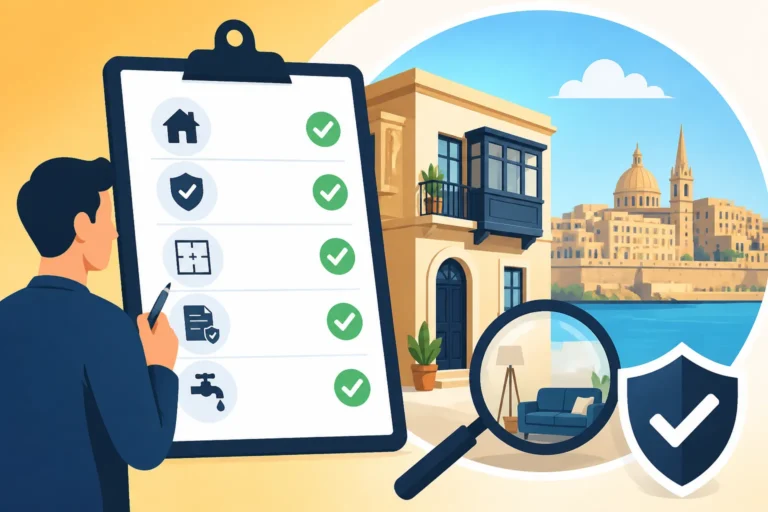
How to Find a Rental Property in Malta: Agents, Portals, and Groups
Finding a rental property in Malta can feel like a high-stakes scavenger hunt, especially if you’re new to the island and trying to decipher local customs and jargon. The market moves at lightning speed, properties vanish overnight, and it’s easy to feel overwhelmed by the sheer volume of options – or the frustrating lack of suitable ones. This guide is here to cut through the confusion, offering an expat’s perspective on navigating agents, online listings, and community groups to help you secure your perfect Maltese home.
Understanding Malta's Rental Market Realities
Before you even start scrolling through listings, it's crucial to understand the unique quirks and challenges of the Maltese rental market. It’s not like renting back home in many respects, and setting your expectations early can save you a lot of stress.
The Competitive Landscape and Seasonal Swings
Malta is a small island, and space is a premium commodity. This means the rental market, especially in popular areas like Sliema, St. Julian's, Gzira, and Swieqi, is fiercely competitive. When a good property comes on the market, it often gets snapped up within days, sometimes even hours. This fast pace can be exhilarating for landlords but incredibly stressful for prospective tenants. You need to be ready to act quickly.
Beyond the general demand, the market also experiences significant seasonal swings. The summer months, particularly July and August, see an influx of short-term renters, language school students, and new employees arriving for the peak season, driving up prices and reducing availability. Similarly, late summer/early autumn sees demand from university students. If you can, try to time your search for the quieter periods, like late autumn or winter, when there might be a slightly larger pool of available properties and perhaps a little more room for negotiation. However, even then, don't expect a leisurely pace.
Furnished vs. Unfurnished and What to Expect
One of the first things you’ll notice when browsing rentals in Malta is that the vast majority come fully furnished. And when we say "fully furnished," we mean it. This typically includes a fitted kitchen with major appliances (fridge, oven, hob), beds, wardrobes, a sofa, dining table, and often even smaller items like cutlery, pots, and pans. Some places might even come with linens and towels, though it’s always best to clarify.
While this can be incredibly convenient for newcomers, it does mean that genuinely unfurnished properties are quite rare. If you're hoping to bring all your own furniture and create a truly custom space, you might find your options severely limited and potentially more expensive, as these properties are often larger or cater to a specific, smaller niche. Be prepared to adapt and embrace the "Maltese furnished" style, which can range from perfectly modern and chic to charmingly (or alarmingly) vintage. Always ask for clear photos or a video tour to avoid surprises, as what one landlord considers "modern" might be quite different from your definition!
Navigating the World of Rental Agents
For many expats, especially those new to Malta, a rental agent is the first port of call. They can be invaluable, but it's important to understand how they operate and how to make the most of their services.
Why Use a Rental Agent in Malta?
Working with a rental agent has several distinct advantages that can significantly smooth your property search. Firstly, agents have access to a much wider inventory of properties, including some that might not even be advertised publicly yet. They often get listings directly from landlords before they hit the online portals. This "inside track" can give you a crucial edge in a competitive market.
Secondly, agents possess invaluable local knowledge. They know the different areas inside out – where the noise levels are higher, which streets have better parking, where the local amenities are, and which neighbourhoods might suit your lifestyle or commute. They can help you filter out unsuitable properties and focus on areas that genuinely meet your needs, saving you countless wasted viewings. They can also act as an intermediary for negotiations and help with understanding the local lease agreements. The downside, of course, is the cost. Tenants in Malta typically pay an agency fee equivalent to half a month's rent plus 18% VAT, paid upon signing the lease. While this can feel steep, many find the convenience and expertise worth the investment.
Choosing the Right Agent and What to Expect
Finding a good agent is key. Look for agents who specialize in long-term rentals (rather than just holiday lets) and ideally have experience working with expats. Recommendations from other expats in local groups can be golden. When you first contact an agent, be as clear and detailed as possible about your requirements: your maximum budget (including utilities), preferred areas, number of bedrooms, whether you need a pet-friendly property, your desired move-in date, and any non-negotiable features (e.g., air conditioning, balcony, specific parking needs). The more precise you are, the better they can tailor their search.
Once an agent has your brief, they'll start sending you listings and arranging viewings. Be prepared for a whirlwind! You might find yourself doing multiple viewings in a single day across different areas. It’s vital to be decisive. If you see something you like, express your interest immediately. Don't be afraid to ask plenty of questions during viewings about utilities, maintenance, neighbours, and connectivity. Many expat bloggers and guides recommend viewing at least 5-10 properties to get a feel for the market before making a decision. Remember, the agent works for you (and the landlord, in a way), so don't be rushed into something that doesn't feel right.
Exploring Online Portals and Platforms
While agents are a traditional route, a significant number of properties, especially from independent landlords, are listed online. Mastering these platforms is essential for a comprehensive search.
Major Rental Websites and Their Advantages
Malta has a thriving online property scene, and several platforms are staples for anyone searching for a home. Websites like MaltaPark (think local classifieds, often with direct landlord listings), Property Malta, and the property sections of larger agencies like RE/MAX and Frank Salt are excellent starting points. You might also find listings on international portals like Rightmove Malta, though these often link back to local agents. The primary advantage of these platforms is the sheer volume of listings available at your fingertips, allowing for 24/7 browsing and comparison from the comfort of your current home (or temporary accommodation). They also sometimes allow for direct contact with landlords, potentially bypassing agency fees.
However, be aware that not all listings are created equal. You'll often find outdated properties, duplicate listings from multiple agents, or even properties that are no longer available. It can be time-consuming to sift through everything, and communication can sometimes be slow. To make your search more effective, utilise filters meticulously (price, number of bedrooms, area, amenities) and set up email alerts for new listings that match your criteria. Check these sites daily, or even multiple times a day, as new properties come and go very quickly.
Social Media Groups and Community Forums
For a more grassroots approach, social media, particularly Facebook, has become an incredibly popular tool for finding rentals in Malta. There are numerous dedicated groups like "Malta Rentals," "Flatmates & Rooms for Rent in Malta," and larger community groups like "Expats in Malta" where landlords and tenants connect directly. The main draw here is the potential to avoid agency fees and communicate directly with landlords, which can lead to faster decision-making and sometimes more flexible terms. These groups also offer a sense of community, allowing you to ask questions and get advice from people who have been through the same process.
While the direct connection is great, it also comes with risks. Scams are unfortunately prevalent, so exercise extreme caution. Never pay a deposit or sign anything without physically viewing the property and verifying the landlord's identity. Be wary of listings that seem too good to be true or where the landlord is pushing for immediate payment without a viewing. Always insist on a formal lease agreement, even if it's a private rental. Engage with the community, ask for recommendations, and trust your gut. Remember, if you’re planning your move from afar, looking into broader services like Sirelo for international moving options can help coordinate your logistics once you've found your ideal spot. Having your moving plan in place can reduce stress once the rental search concludes.
Key Considerations Before and During Your Search
Before you dive headfirst into property viewings, it’s vital to have a clear picture of your budget and the administrative requirements. Malta's system has its own nuances, and being prepared can prevent nasty surprises.
Budgeting for More Than Just Rent
It’s easy to focus solely on the monthly rent figure, but relocating to Malta means budgeting for a host of other expenses. First, there's the security deposit, typically one month's rent, which you'll pay upfront along with the first month's rent. If you use an agent, add their agency fee (half a month's rent + 18% VAT). So, for a €1000/month apartment, you could be looking at €1000 (first month) + €1000 (deposit) + €590 (agency fee) = €2590 just to move in.
Then come the utility bills. Malta's electricity and water are managed by ARMS Ltd. It's crucial to understand Malta's tiered utility tariffs and registered residents in Malta. There are different rates for "residential" (which you get once registered as a resident and only one person per household) and "non-residential" (which is significantly higher). Make sure your landlord registers your lease with the Housing Authority and helps you transfer the ARMS account into your name, or at least ensures you are charged at the residential rate. Beyond electricity and water, budget for internet and mobile service, which can range from €25-€50+ per month depending on your package. Also, factor in waste collection fees and potentially building maintenance fees if you're in an apartment block.
Essential Documents and Requirements
Landlords in Malta, especially through agents, will generally ask for a few key documents to verify your identity and financial stability. Be prepared to provide:
- Your passport or national ID card.
- Your Maltese eResidence card or proof of application if you're a non-EU/EEA citizen. EU citizens will need to apply for their eResidence document within three months of arrival.
- Proof of employment and income: This could be an employment contract, recent payslips, or a letter from your employer stating your position and salary. For self-employed individuals, bank statements or a letter from your accountant may be required.
- References: Sometimes a previous landlord reference, or even a character reference, might be requested, though this is less common for first-time renters in Malta.
A crucial point, particularly for non-EU/EEA tenants, is the lease agreement attestation requirement for non-EU tenants in Malta. This means your lease agreement must be attested by Identità (the Maltese identity agency) as part of your residence permit application or renewal. Always ensure your landlord is aware of this and willing to cooperate, as a non-attested lease can cause issues with your immigration status. Having a comprehensive lease agreement that clearly outlines all terms and conditions is paramount to protecting your rights as a tenant.
The Viewing and Decision-Making Process
Once you start seeing properties, the real work begins. It’s not just about liking the look of a place; it's about making sure it's genuinely suitable for your life in Malta.
What to Look for During a Viewing
Visiting a potential home is more than just a quick walk-through. Be analytical and pragmatic. Beyond the aesthetics, pay close attention to practicalities:
- Dampness and ventilation: Malta’s humid climate can lead to damp issues, especially in older properties or ground-floor apartments. Look for signs of mould, peeling paint, or a musty smell. Check if windows open easily and if there are extractor fans in bathrooms.
- Natural light: Some Maltese apartments, particularly in dense urban areas, can be quite dark. Assess the amount of natural light in key living areas, especially if you work from home.
- Water pressure and heating: Test the taps, shower, and flush the toilet. Ask about the water heater type (solar, electric, gas) and its capacity.
- Connectivity: Ask about internet provision and mobile signal strength. While you'll likely use an eSIM service like Airalo for immediate data when you arrive, you’ll want reliable home internet.
- Noise levels: Visit at different times of day if possible. Is it on a busy street? Is there construction nearby? Malta is a lively island, but constant noise can impact your quality of life.
- Neighbourhood amenities: Walk around the immediate area. Are there supermarkets, pharmacies, bus stops, and green spaces nearby?
- Questions for the landlord/agent: Don't hesitate to ask about previous utility bills (to gauge average costs), maintenance history, any known issues with the property, the pet policy (even if you don't have pets, it indicates flexibility), and garbage collection schedules. Understanding what to check before signing a rental contract in Malta can save you a world of trouble down the line.
Making an Offer and Securing the Deal
Given the fast-paced market, once you find a property you genuinely like, you often need to make a decision quickly. "Sleeping on it" for too long might mean losing it to another eager tenant. Be prepared to submit an offer, which typically involves stating your desired monthly rent, preferred lease duration, and move-in date. While some negotiation might be possible, especially during quieter seasons or for properties that have been on the market for a while, don't expect huge discounts in prime areas.
If your offer is accepted, you’ll usually be asked to pay a "holding deposit" or "good faith deposit." This is typically a small sum (a few hundred euros) that reserves the property for you for a short period while the lease agreement is being prepared. It’s crucial to get a receipt for this payment and ensure the terms are clear: is it refundable if the lease doesn't go through due to issues with the landlord or property? Is it deducted from your first month's rent/security deposit? Never transfer large sums without a clear understanding and documentation. Once the lease is ready, you'll review and sign it, pay the first month's rent, security deposit, and agency fee (if applicable).
Finalizing Your Rental and Settling In
Congratulations, you've found your place! But the journey isn't over yet. There are crucial administrative steps to take to ensure a smooth transition into your new Maltese home.
The Lease Agreement and Registration
The lease agreement is your safeguard, so read every single clause thoroughly before signing. Pay particular attention to:
- Duration of the lease: Most standard leases are for 12 months, with options for renewal.
- Notice periods: What are the terms for terminating the lease early, and how much notice do both parties need to give? Your rights under Malta's Private Residential Leases Act are crucial here.
- Rent increase clauses: While there are caps on rent increases, ensure the clause aligns with the law.
- Maintenance responsibilities: Who is responsible for repairs of appliances, air conditioning, and general wear and tear?
- Inventory and condition report: This is absolutely vital. Before you move in, go through the property with the landlord/agent and document every item, its condition, and any existing damage with photos and a written list. This protects your security deposit when you eventually move out.
Crucially, all private residential leases in Malta must be registered with the Housing Authority by the landlord within 10 days of the lease commencing. This is a legal requirement designed to protect both tenants and landlords. Ensure your landlord provides you with proof of registration. If you are a non-EU tenant, this registration is often linked to your residence permit application. If you need to register for free healthcare in Malta, or understand how Maltese health entitlement fits with social security contributions, having your official residence established through this process is key.
Connecting Utilities and Getting Online
One of the first practical steps in your new home will be setting up your utilities and getting connected to the outside world. Electricity and water are provided by ARMS Ltd. As a new resident, you need to ensure the utility accounts are transferred into your name, or at least that you are registered as a resident in the property. This process involves filling out specific forms with ARMS and submitting a copy of your registered lease agreement and ID card. If this isn't done, you'll be stuck paying the much higher "non-residential" rates. Learning how to set up electricity and water with ARMS and Enemalta in Malta is an essential step that many new arrivals underestimate in its complexity.
For internet and mobile service, Malta has a few main providers, including GO, Epic, and Melita. It’s worth comparing their packages for speed, data allowances, and costs. Many providers offer bundles for internet and mobile. As soon as you arrive in Malta, one of the easiest ways to stay connected and coordinate these setups is to get an eSIM from providers like Airalo. This allows you to have data access instantly without hunting for a physical SIM card, which is invaluable for navigation, communication, and managing your initial admin tasks. Once you have your new address and eResidence card, you can then move to a long-term local plan for getting internet and mobile service in Malta.
| Feature | Rental Agents | Online Portals (e.g., MaltaPark, Property Malta) | Social Media Groups (e.g., Facebook) |
|---|---|---|---|
| Inventory Size | Wide range, including unadvertised properties | Very wide, but can include outdated listings | Growing, direct landlord listings |
| Fees | Tenant pays 0.5 month's rent + VAT | Generally no direct fees | Generally no direct fees |
| Local Knowledge | High expertise on areas, market trends | Low, relies on your own research | Moderate, relies on community advice |
| Time Commitment | Less for initial search, more for viewings | High for sifting through listings | Moderate, but requires active engagement |
| Communication | Professional, structured | Varies (direct landlord or agent) | Informal, can be fast or slow |
| Scam Risk | Low (with reputable agents) | Moderate (check landlords/agents) | High (requires significant due diligence) |
| Negotiation | Agent can negotiate on your behalf | Direct with landlord, varies | Direct with landlord, varies |
| Contract Help | Agent typically provides/reviews standard lease | Landlord provides, you must review carefully | Landlord provides, you must review carefully |
| Ideal For | Busy expats, first-timers, premium properties | Broad search, budget-conscious, tech-savvy | Direct deals, community support, specific needs |
Disclaimer
The information provided in this guide is for general informational purposes only and does not constitute legal, financial, or immigration advice. While we strive to keep the information up-to-date and accurate, regulations and market conditions in Malta can change rapidly. Always consult with relevant professionals (e.g., legal counsel, real estate agents, immigration experts) for advice tailored to your specific situation.