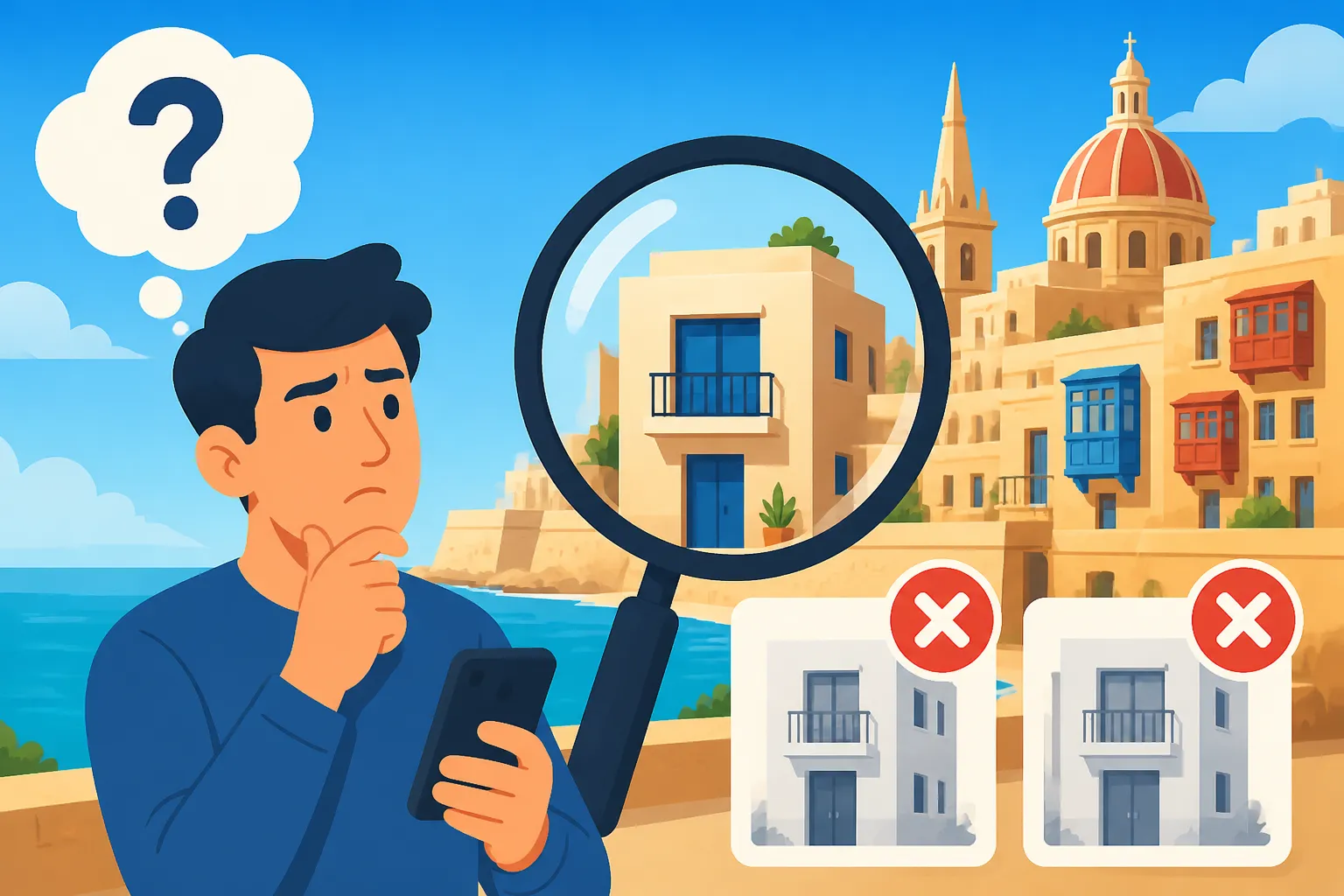
How Hard Is It to Find a Rental Property in Malta?
So, you're thinking of moving to Malta and wondering about finding a place to live. Let's be honest, trying to secure a rental property in a new country can feel like navigating a minefield, especially on a small island with its own unique quirks. This guide will walk you through the realistic challenges and equip you with practical strategies to make your rental search in Malta as smooth as possible, helping you avoid common frustrations many newcomers face.
The Reality of Malta's Rental Market: What to Expect
When people ask "How hard is it to find a rental property in Malta?", the honest answer is: it depends, but don't expect it to be a walk in the park. It's not impossible, not by a long shot, but it definitely requires patience, persistence, and a healthy dose of realism. Many expats arrive with romantic notions of finding an idyllic, cheap apartment by the sea within a week, only to be hit with the reality of a fast-paced market and specific local nuances.
The Good, the Bad, and the Bumpy
The "good" side is that there are plenty of rental properties available across the islands, from bustling urban flats to serene Gozitan farmhouses. Malta’s appeal to expats, digital nomads, and remote workers means the rental market is constantly churning. You'll find everything from basic, older apartments to modern, high-end units in brand-new developments. The sheer volume of options can sometimes feel overwhelming, but it also means there's usually something for everyone, provided your expectations are aligned with the market.
However, the "bad" and "bumpy" parts often come as a shock. The market moves incredibly fast. If you see something you like, you need to act on it immediately. Procrastination often means losing out to someone else who was quicker to put down a deposit. This can lead to a lot of frustration, especially when you're viewing multiple properties and trying to make a reasoned decision. It feels like a high-stakes game of musical chairs, and it’s easy to get disheartened after losing out on a few promising places. Furthermore, the quality can be inconsistent, with some properties being renovated to a high standard, while others might feel like a step back in time, complete with damp issues or older appliances, despite commanding similar prices in popular areas.
Factors That Influence Your Search Difficulty
Several key factors will heavily influence how easy or difficult your rental search turns out to be. Understanding these upfront can help you manage your expectations and strategize effectively. Without a clear picture of these, you might find yourself swimming against the current.
Time of Year Matters More Than You Think
Firstly, the time of year is crucial. The peak rental season in Malta typically runs from late summer (August/September) through to the start of the academic year (October/November). This is when students arrive, and many professionals start new jobs, leading to a massive surge in demand. Properties get snatched up within hours, prices can be inflated, and landlords might be less flexible on terms. If you're planning to move during these months, be prepared for intense competition and possibly higher rents. Conversely, the cooler, quieter months, say from January to April, tend to be a bit less frantic. There might be more inventory, slightly lower prices, and landlords might be more open to negotiation or longer lease terms. If your move dates are flexible, aiming for the off-peak season can significantly ease your stress.
Your Budget and Property Type: Be Realistic
Secondly, your budget and the type of property you're looking for will dictate your experience. If you’re seeking a modern, two-bedroom apartment in a prime location like Sliema or St Julian's, complete with air conditioning and sea views, then yes, it’s going to be harder to find a bargain, and you’ll need a robust budget. These areas are perpetually in high demand, and prices reflect that. Landlords here often expect higher rents and might be pickier about tenants. If your budget is tighter, or you’re looking for something unique like a traditional townhouse or a quiet village home, your search parameters change. You might need to expand your geographical search or compromise on modern amenities. It’s vital to be realistic about what your money can get you; Malta isn't as cheap as it once was, especially for quality rentals. If you are struggling with budgeting, remember to reference the guide on the Cost of Living in Malta: Budgeting for the Real Numbers.
Location, Location, Location: Popular vs. Quieter Areas
Finally, the specific location you’re targeting plays an immense role in the difficulty level. The Inner Harbour areas – Sliema, St Julian's, Gzira, Msida, Swieqi, Ta’ Xbiex – are the epicentres of expat life and, consequently, the most competitive rental markets. They offer amenities, nightlife, and proximity to major business hubs, which means higher demand and often higher prices. If you're set on these areas, you'll need to be fast and prepared to pay a premium. On the other hand, venturing slightly further afield to areas like Mosta, Birkirkara, Qawra, Mellieha, or even the Three Cities (Vittoriosa, Senglea, Cospicua) can open up more options that are often more spacious and more affordable. These areas still offer excellent amenities and public transport links but with less intense competition. And then there's Gozo, Malta's sister island, which offers an entirely different pace of life and a distinct rental market, often with lower prices and more traditional homes, perfect for those seeking tranquility. For a deeper dive into choices, check out Choosing Where to Live in Malta: Towns, Regions, and Gozo.
Navigating the Rental Hunt: Your Step-by-Step Approach
Finding a rental in Malta isn't just about spotting an ad and calling a number; it's a multi-faceted process that starts long before you even set foot on the island. Being prepared and methodical will save you a lot of heartache and wasted time. This approach aims to equip you with the foresight many expats wish they had before they started their search.
Setting Your Foundations: Before You Even Arrive
Before you even book your flights, laying some groundwork is essential. This pre-arrival phase can significantly streamline your actual property search once you’re on the ground. Think of it as your strategic blueprint.
First, dedicate serious time to researching areas and budgets. Don't just pick a place because it sounds nice or you saw a pretty photo online. Look into public transport routes, proximity to your workplace or social hubs, noise levels, and local amenities like supermarkets and pharmacies. For example, if you're working in St Julian's, consider areas like Swieqi, Pembroke, or even parts of Msida, which offer better value than St Julian's itself while still being a short commute. Be honest with yourself about your budget, factoring in not just rent, but also utilities, internet, and a realistic estimate for groceries and going out. A realistic budget is crucial for managing expectations and avoiding disappointment.
Next, it's vital to understand What Landlords in Malta Require Before They Rent to You. Generally, landlords will ask for a deposit (usually one month's rent), rent in advance (often one month, sometimes more), and a copy of your passport or ID. If you're moving from a non-EU country, they might also ask for proof of your employment contract or financial stability. Having these documents ready and easily accessible will make you a more attractive tenant and speed up the process significantly. It sounds basic, but having all your ducks in a row for document submission is a huge advantage in this fast-moving market.
Finally, ensure you have robust communication sorted. Once you arrive, you’ll be making calls, arranging viewings, and potentially negotiating. Relying solely on Wi-Fi might not cut it, especially when you’re out and about viewing properties. Consider getting a local SIM card or, even better for immediate connectivity upon arrival, an eSIM. Providers like Airalo offer convenient eSIM packages that activate instantly, giving you data and a stable connection from the moment you land. This ensures you can respond to agents and landlords promptly, which, as mentioned, is absolutely critical in Malta’s quick-moving market.
The Search Process: Online Portals and Agents
Once you’re in Malta (or even before, to get a feel for the market), the actual search begins. You have two main avenues: online platforms and real estate agents. Many expats combine both for the best results.
Utilizing online platforms and social media groups can be incredibly effective. Facebook groups like "Malta Accommodation/Flatmate Finder" or "Rental Properties in Malta" are bustling with direct listings from landlords and sub-lets. Dedicated property portals such as Maltapark and PropertyMarket also list a wide range of properties. The advantage here is that you might avoid agency fees. However, direct listings can often be less reliable in terms of accuracy or quick responses, and you're more susceptible to scams if you're not careful. Always be wary of deals that seem too good to be true and never pay a deposit before physically viewing a property. Remember to consult our guide on Avoiding Rental and Property Scams in Malta for critical safety advice.
Engaging with real estate agents is the most common route for new arrivals. Malta has numerous agencies, from large players like Frank Salt Real Estate and RE/MAX Malta to smaller, independent ones. Agents have access to a wider database of properties, can often arrange multiple viewings efficiently, and act as an intermediary with the landlord. The downside? You'll typically pay an agency fee, which is usually equivalent to half a month's rent plus VAT, paid upon signing the lease. While this can feel like an extra cost, a good agent can be invaluable in navigating the market, negotiating terms, and ensuring all paperwork is correct. Make sure to understand Who Pays the Agency Fee When Renting in Malta before you commit.
When it comes to viewing properties, don't rush. Take your time, ask questions, and be observant. Check the water pressure, test the internet signal, look for signs of damp, and inspect appliances. Ask about utility bills, especially if the property has a lot of air conditioning units, as electricity can be pricey. It's also wise to check What to Check Before Signing a Rental Contract in Malta beforehand, so you know exactly what to look for and what questions to ask. Don't be afraid to take photos or videos to help you remember details, especially if you're seeing several places in one day.
Making the Offer and Securing the Deal
You’ve found "the one" – now what? The process of making an offer and securing the lease is where many newcomers can feel a bit lost, as it differs from other countries. This is where clarity and quick action pay off.
The negotiation dance is definitely a thing in Malta, especially in the quieter months or if a property has been on the market for a while. Don't be afraid to make a reasonable offer below the asking price, or to negotiate on terms, such as a slightly longer lease or minor repairs before moving in. However, in peak season or for highly desirable properties, landlords might be less inclined to negotiate. Be prepared to be flexible, but also know your limits. A good agent can be a great asset here, as they often have a better understanding of what’s negotiable and what isn’t.
Once your offer is accepted, you’ll typically be asked to put down a holding deposit (sometimes called a booking fee), which signals your serious intent. This holding deposit is usually non-refundable if you back out without good reason. Following this, you'll formalize the agreement. This involves paying the main security deposit, which is almost always one month's rent, and the first month's rent in advance. It's crucial to understand How Much Deposit Do Landlords Require in Malta? and that this security deposit should be clearly outlined in your contract and typically returned at the end of your tenancy, provided the property is left in good condition.
The lease agreement will then be drawn up. Read it thoroughly. Ensure all terms you discussed are included, such as start and end dates, rent amount, payment schedule, inventory of contents, and responsibilities for maintenance. Don't sign anything you don't understand or agree with. If in doubt, seek legal advice, especially for long-term or significant leases. Once signed, the lease legally binds both you and the landlord.
Overcoming Common Hurdles and Making it Easier
Even with all your research and a great agent, there are unique Maltese hurdles you might encounter. Being aware of them and having strategies to overcome them can turn a potentially frustrating experience into a manageable one.
Documentation and Administration Woes
One of the biggest headaches for newcomers is the administrative loop that often ties into your rental. You need a rental contract for your residence permit, but sometimes you need a residence permit to get certain things sorted for your rental. It's a classic chicken-and-egg scenario that often leaves expats scratching their heads.
A prime example is getting your Maltese eResidence Card and ID number. This number is your key to unlocking so many services, including registering your lease, getting proper utility tariffs, and opening a bank account. However, applying for your eResidence Card requires proof of address, which is your rental contract. This means you often have to sign a lease and live there for a bit before you can get your card, making things feel precarious. Landlords might be wary of renting to someone without a valid permit or ID, creating a tricky situation. It's not impossible, but it demands patience and clear communication with both your landlord and Identità (the agency responsible for identity documents). For more clarity on this, refer to Getting Your Maltese eResidence Card and ID Number and Do I Need a Residence Permit to Rent in Malta?.
Furthermore, Malta has a legal requirement to register your private residential lease with the Housing Authority within 10 days of signing. This is crucial for your rights as a tenant. While it's primarily the landlord's responsibility, you should ensure it happens. If your lease isn't registered, you're not fully protected under the Private Residential Leases Act. Non-EU tenants also have an additional requirement: the lease agreement attestation. This is essentially a stamp of approval from the Housing Authority verifying your lease for immigration purposes. These administrative steps can feel like jumping through endless hoops, but they are necessary. Be proactive in asking your landlord or agent about the registration process and make sure you understand Do I Need to Register My Lease in Malta?. Knowing your tenant rights outlined in Your Rights Under Malta's Private Residential Leases Act is also paramount.
Cultural Nuances and Communication
Malta is wonderfully unique, and its cultural nuances extend to the rental market. What might be considered standard practice in your home country might be approached differently here. This is where empathy and flexibility come in handy.
The art of Maltese communication can sometimes be less direct than what you might be used to. Things might move at a slower pace, or replies might not be as immediate as you'd like. "Ma tarax" (you don't see it/it's not happening) or "Tajjeb" (good) can have various undertones. Persistence without being aggressive is key. Follow up politely if you don't hear back, but don't bombard agents or landlords. A friendly, consistent approach tends to yield better results than frustrated demands. Remember, many agents and landlords are dealing with multiple inquiries, often across different properties.
Patience and persistence truly are your best friends in this market. You might view ten properties, none of which quite fit, or lose out on a few before finally securing something. This is a common experience for many expats. Don't give up hope, and try not to take rejections personally. It's just the nature of a competitive market. It often takes longer than anticipated to find a suitable place, so factor that into your moving timeline. Arriving with the expectation that it might take a couple of weeks to find your ideal spot, rather than a few days, can alleviate a lot of stress.
Finally, managing expectations is vital. Not every property will be perfect. You might need to compromise on a sea view for a better price, or accept an older kitchen for a more central location. The perfect rental is rare anywhere, but particularly so in Malta where demand is high. Be open to different areas, property types, or even a slightly longer commute if it means securing a comfortable home within your budget. It's about finding the best fit for you right now, knowing you can always move when your first lease is up.
Moving Your Life: Logistics Beyond the Lease
Securing a rental is just one piece of the puzzle. The entire process of moving your life to Malta involves a host of other logistical considerations that tie into setting up your new home. Thinking about these early can save you from a mad scramble later.
Planning your move, especially if you're bringing significant belongings, requires foresight. Deciding what to bring versus what to buy new in Malta can impact your budget and how quickly you can settle in. If you're shipping furniture or boxes, looking into international moving companies like Sirelo can help you compare quotes and manage the complex logistics of moving across borders. They can often provide insights into customs regulations and the best routes for shipping your household goods, ensuring everything arrives smoothly and without unexpected costs.
Once you have your lease, you'll need to set up utilities – electricity and water with ARMS, and internet and mobile service. This is another area that can be surprisingly complex, particularly getting registered for the residential utility tariffs, which are significantly cheaper than the default non-residential rates. You'll need your eResidence Card and a registered lease for this. Delaying this process can mean paying much higher bills for months. For a comprehensive guide, check out Setting Up Electricity and Water with ARMS and Enemalta in Malta.
Lastly, always budget for the unexpected. Moving to a new country invariably comes with unforeseen costs, whether it's a higher-than-expected utility bill, needing to buy extra household items, or unexpected maintenance on your rental. Having a buffer in your finances can prevent these surprises from becoming major setbacks. A good rule of thumb is to have at least two to three months' worth of living expenses saved up for this transition phase. This financial cushion, combined with a pragmatic approach and the information in this guide, will make your Maltese rental journey much smoother.
Disclaimer
The information provided in this article is for general guidance and informational purposes only, and does not constitute legal or professional advice. While we strive to keep the information up-to-date and correct, rules, regulations, and market conditions in Malta can change rapidly. Always consult with relevant authorities, real estate professionals, or legal advisors for advice specific to your situation before making any decisions. We are not responsible for any actions taken based on the information provided herein.