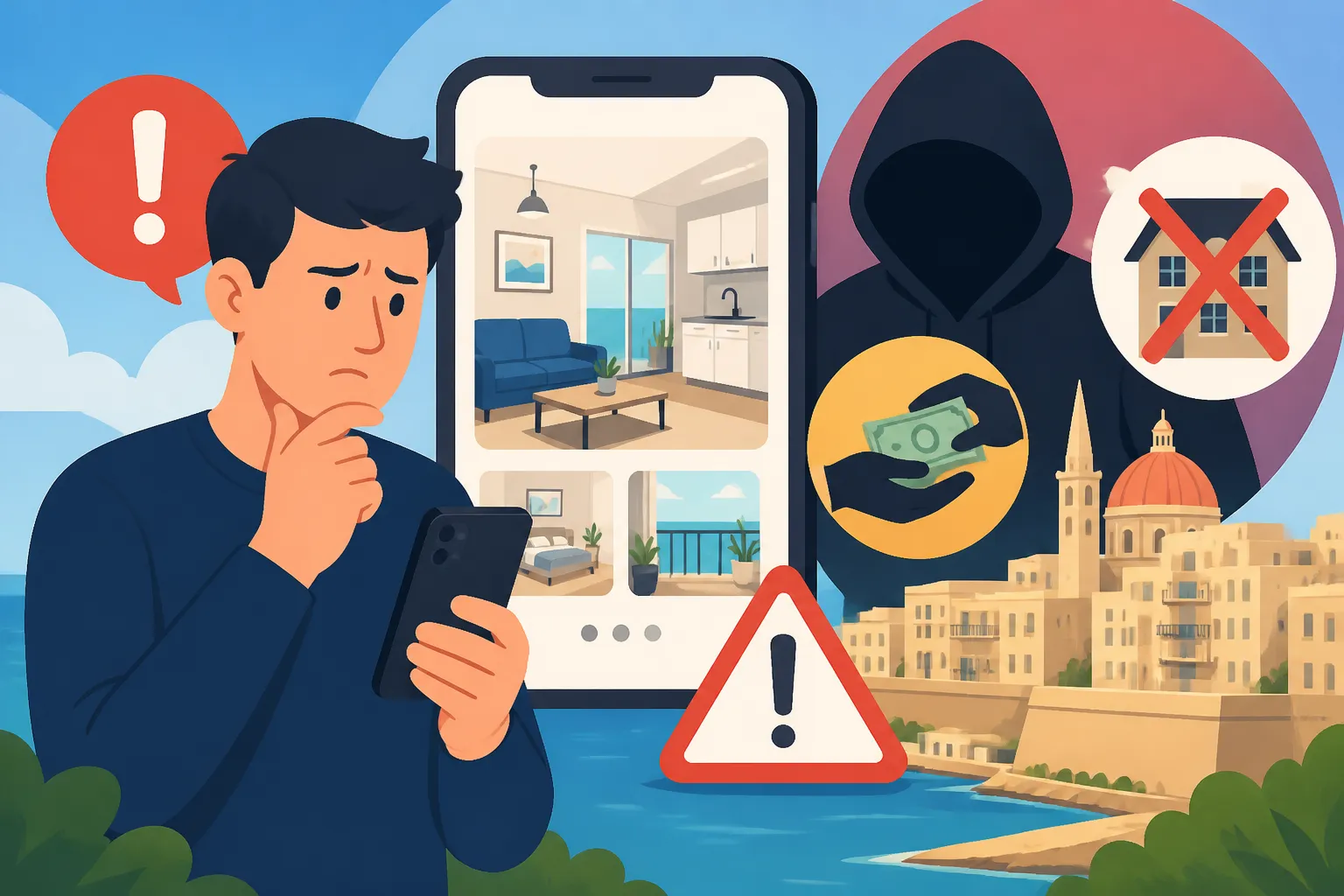
What Are the Warning Signs of a Rental Scam in Malta?
Oh, the rental market in Malta! It's a rite of passage for every expat, and often, it feels more like a gauntlet. Between the sheer speed at which properties fly off the market and the constant battle to secure something decent, it’s easy to feel overwhelmed. Newcomers are particularly vulnerable, eager to settle into their new island life, and sadly, this desperation can be exploited. One of the biggest fears, and a very real threat, is falling victim to a rental scam. It’s infuriating when you’re just trying to find a safe home, and some scoundrel is trying to prey on your goodwill. This guide is here to equip you with the knowledge to spot the red flags a mile off and protect your hard-earned money and peace of mind.
The All-Too-Common Red Flags of Maltese Rental Scams
Let's face it, when you're arriving in a new country, everything feels a bit uncertain. You're trying to figure out the bus routes, where to buy your groceries, and suddenly you're expected to navigate a cut-throat rental market. Scammers thrive on this unfamiliarity, often presenting situations that, to an experienced local, would immediately scream "fraud," but to a new arrival, might just seem like part of the island's unique charm or urgency.
Unrealistic Deals and "Too Good to Be True" Prices
This is probably the most glaring red flag, and yet, it catches so many people out. Malta's rental market, especially in popular expat areas like Sliema, St. Julian's, Gzira, or Swieqi, is vibrant, competitive, and let’s be honest, often pricey. Demand for quality accommodation consistently outstrips supply, which keeps rents relatively high.
So, imagine you're scrolling through Facebook Marketplace or a seemingly innocuous rental website, and you stumble upon a stunning, fully-furnished, three-bedroom apartment in a prime area of Sliema with sea views for, say, €700 a month. Meanwhile, all the other similar listings you've seen are hovering around €1,500 to €2,000. Your inner voice, perhaps a bit hopeful and weary from countless apartment searches, might whisper, "Wow, what a find! Maybe I just got lucky!"
But that little voice is dangerously wrong. In Malta, a deal that looks too good to be true almost always is. Scammers use these ridiculously low prices to hook desperate tenants. They know you’re tired of seeing tiny, overpriced studios or places that look like they haven’t been updated since the 70s. This fake bait is designed to make you suspend your disbelief and act impulsively, without doing proper due diligence. Always do your research on average rental prices in different localities. If something is significantly cheaper than anything else comparable, walk away. There's no secret stash of luxury apartments going for a song; it's a scam. For more on what to expect, you might want to read our guide on How Hard Is It to Find a Rental Property in Malta?.
Pressure Tactics and Urgency
Another classic scammer move is to create an artificial sense of urgency. They want you to make quick decisions without thinking things through, and definitely without asking too many questions or verifying details. You'll often hear lines like:
- "There are ten other people interested in this apartment, you need to pay the deposit today or it's gone!"
- "I'm leaving the country tomorrow, so if you want to secure it, you must send the money now."
- "My last tenant backed out at the last minute, so I need someone in immediately. First one to pay gets it."
While it's true that the rental market in Malta can move quickly, and desirable properties do get snapped up fast, a legitimate landlord or agent will still allow for proper procedures. They won't pressure you into skipping viewings, signing a contract without reading it, or making payments without proper documentation. Genuine urgency will usually manifest as a quick turnaround for viewing and contract signing, not as a demand for immediate, unsecured payments. Anyone trying to rush you through the process, especially before you've even seen the property or signed a proper lease, is a major red flag. They're trying to bypass the stages where their scam might be exposed.
Remote Viewing and Unwillingness to Show the Property
This is a huge one, especially for those of you trying to arrange accommodation before you've even arrived on the island. A common scam narrative involves a "landlord" who is currently living abroad – perhaps "working in the UK" or "stationed overseas" – and therefore, unable to show you the property in person. They might offer a virtual tour (which could be a video of an entirely different property, or even an AI-generated walkthrough), but they will vehemently refuse any request for an in-person viewing, or to have a trusted friend, family member, or agent view it on your behalf.
They'll have a perfectly plausible-sounding excuse for their absence, and they'll insist that because they're so far away, you need to handle everything remotely, including sending money. This is a classic tactic. Never, ever pay for a property you or a trusted representative haven't physically seen. The property might not exist, might already be rented, or might be completely different from the pictures.
If you're still abroad, this can be incredibly frustrating. While connecting with a local contact to view a property for you is ideal, it’s not always possible. If you must rely on virtual communication, ensure your connectivity is top-notch. Services offering eSIMs, like Airalo, can be incredibly helpful for maintaining a reliable connection for video calls and checking details while you're still outside Malta. But even with the clearest video call, always insist on proper verification steps. A legitimate agent or landlord will have no issue with a thorough viewing process, even if it requires a little coordination.
Suspicious Payment Requests and Unusual Communication
The way a landlord or agent communicates and requests payment can tell you a lot about their legitimacy. Scammers almost always deviate from standard, secure financial practices. Keep a sharp eye out for these warning signs.
Upfront Payments Before Contract or Viewing
This is, without a doubt, one of the most common and dangerous signs of a rental scam. A legitimate landlord or agency in Malta will never ask you to send a security deposit, first month's rent, or any kind of "holding fee" before you have:
- Physically viewed the property (or had a trusted representative do so).
- Received and thoroughly reviewed a proper, legal lease agreement.
- Signed the lease agreement.
Scammers, however, will push for these payments upfront, often citing the "urgency" we just discussed. They might claim it's to "reserve" the property, "prove your seriousness," or cover "administrative costs" while they're still abroad. Once you send that money, it's gone. Poof.
In Malta, the standard procedure is that you pay a security deposit (usually one month's rent) and the first month's rent at the same time you sign the rental contract. If you're going through an agency, they might charge an agency fee, but this too is usually settled upon contract signing. For a deeper dive into these initial costs, check out our article on Deposits, Agency Fees, and Upfront Costs When Renting in Malta. Moving to Malta already involves a lot of upfront expenses, and tools like Sirelo can help you organise your moving budget, but you should never factor in pre-contract payments for a non-existent apartment!
Unconventional Payment Methods
How they ask you to pay is just as important as when. Legitimate landlords and rental agencies in Malta will almost exclusively ask for payment via bank transfer to a Maltese bank account, or sometimes a direct debit setup. This is because bank transfers are traceable and linked to identifiable accounts.
Scammers, on the other hand, will demand untraceable methods. Be extremely wary if you are asked to pay via:
- Wire transfer services like Western Union or MoneyGram: These are designed for sending money to people you know and trust, often in emergencies. They offer little to no recourse if you are scammed.
- Cryptocurrency: While Malta is crypto-friendly in some aspects, it is not a standard method for paying rent or deposits.
- Gift cards: This is an absurd request for rent, but unfortunately, it happens.
- Third-party escrow services that aren't tied to a reputable bank or known platform: Scammers often create fake "escrow" websites to mimic legitimate services.
If a "landlord" insists on any of these methods, consider it a flashing red light. It's a clear indication they want to disappear with your money without a trace.
Poor Communication and Inconsistent Information
Pay close attention to the communication you receive. Legitimate agents and landlords will communicate professionally, clearly, and consistently. Scammers, not so much.
Watch out for:
- Grammatical errors and poor English: While not everyone's first language is English, excessively poor grammar or awkward phrasing in official communications can be a sign of a non-native English speaker who is also not a professional.
- Vague answers to specific questions: If you ask about the nearest bus stop or the utility bill setup, and you get a generic, evasive response, it’s a red flag. A genuine landlord would know these details.
- Inconsistencies in their story: Do they contradict themselves about their travel plans, the property's history, or their availability? Keep track of what they say.
- Reluctance to provide identification: If they won't give you their full name, ID number, or a physical address for their agency (if applicable), that's a problem.
Trust your instincts. If something feels off in their replies, or if they seem overly defensive when you ask for more details, it's time to be suspicious. A reliable way to confirm an agent's legitimacy is to check if they are registered with a real agency and cross-reference their contact details on the official agency website. If they're using a personal email address or a generic WhatsApp number for "official" communications, it's a concern.
Red Flags in Documentation and Legalities
When it comes to renting in Malta, there are specific legal requirements and documents that protect both landlord and tenant. Scammers will almost always try to circumvent these, which can leave you exposed and without any legal recourse.
Lack of a Proper Lease Agreement
In Malta, all private residential lease agreements must be registered with the Housing Authority. This isn't optional; it's a legal requirement under the Private Residential Leases Act. A proper lease agreement should be comprehensive, detailing the property, the term of the lease, the rent, the deposit, inventory, and the rights and obligations of both parties.
A scammer will often:
- Offer a flimsy, generic, or incomplete "contract": One that lacks crucial details or is clearly not compliant with Maltese law.
- Insist on an informal "handshake agreement": This leaves you with no legal protection whatsoever.
- Refuse to register the contract: They might claim it's "too much hassle" or "not necessary for short-term lets," but this is a lie. Even short-term leases must be registered.
If a landlord or agent is reluctant or refuses to provide a clear, legally compliant lease agreement, or to register it with the Housing Authority, they are operating illegally, and you should immediately withdraw. You can learn more about this crucial step in Registering Your Lease with the Housing Authority in Malta. Understanding Your Rights Under Malta's Private Residential Leases Act is also essential for navigating these waters safely.
Refusal to Provide Landlord/Agent Details
Transparency is key in any legitimate transaction. A genuine landlord or a reputable real estate agent will be happy to provide their full legal name, contact details, and proof of identity. If you're dealing with an agent, they should also be able to provide their agency's license number and physical office address.
Scammers, on the other hand, thrive in anonymity. They might:
- Use vague or generic names (e.g., "Mr. Smith, property owner").
- Refuse to share their ID card number or any personal identifying details.
- Operate solely through WhatsApp or anonymous email addresses, without ever offering a professional email or a physical meeting point.
- Avoid providing the official name of the property owner (which might be a company name or another individual).
Before you commit to anything, you need to know exactly who you're dealing with. Ask for photo ID, and if you're dealing with an agency, verify their existence and the agent's credentials by calling their main office number (found independently, not given by the "agent"). When you're making major relocation decisions, platforms like Sirelo often highlight the necessity of verifying all official documents and the identities of those you interact with – this applies doubly to your landlord. Your Getting Your Maltese eResidence Card and ID Number is vital for your own identity, and you should expect similar transparency from others.
Suspicious Online Listings and Fake Agents
The internet is a double-edged sword when it comes to finding rentals. It offers convenience but also a breeding ground for scams. Be vigilant about the source of your rental listings.
- Cloned Listings: Scammers often copy legitimate listings from real estate websites, then repost them with their own (fake) contact details and lower prices on less-regulated platforms like Facebook groups or Gumtree. The photos might look fantastic, but they belong to a real property that isn't actually available from the scammer.
- Fake Profiles: On social media, particularly, scammers create convincing but fake profiles to appear trustworthy. They might have a few friends, some generic posts, but no real history or community engagement.
- Non-existent Agencies: Some scammers even create fake websites for non-existent real estate agencies. Always double-check any agency by searching for their official registration details with the Maltese authorities or by looking for independent reviews.
When you're trying to verify details online, having reliable communication is paramount. An eSIM from a provider like Airalo can be incredibly useful for quickly cross-referencing information, making multiple calls, and checking different sources without worrying about roaming charges or spotty connections. Don't just trust a link given to you; independently search for the agency or landlord.
Actionable Steps to Protect Yourself from Rental Scams
Now that you know the warning signs, let's talk about how to proactively protect yourself. Being informed and cautious is your best defence in the Maltese rental market.
Verify Everything: Property, People, and Paperwork
This cannot be stressed enough: verify, verify, verify.
- Always View the Property in Person: Or send a trusted local friend, colleague, or a reputable, licensed real estate agent to view it on your behalf. They should check that the property matches the photos, is genuinely available, and that the "landlord" or "agent" has keys and access. This is the single most important step. If a viewing is refused, or constantly delayed, walk away.
- Check Identity and Ownership: A legitimate landlord or agent should be willing to provide their full name and ID. While tenants typically don't directly ask for property ownership documents, a reputable agent will have verified the landlord's ownership. If you have any doubts, or if dealing directly with an individual, you can ask for a copy of the utility bill (ARMS bill) for the property, which will have the owner's name on it. Be cautious if they refuse or provide something that looks doctored. For more on what landlords might legitimately ask from you, see What Landlords in Malta Require Before They Rent to You.
- Insist on a Legal Contract: As mentioned, all private residential lease agreements in Malta must be registered with the Housing Authority. Ensure the contract you sign is comprehensive, legally sound, and includes all necessary clauses, such as inventory, rental period, notice periods, and deposit return conditions. Never sign a blank document or one you don't fully understand. Take your time to read it thoroughly, and if possible, have someone else (ideally a legal professional) review it. This is crucial for your protection, as outlined in What to Check Before Signing a Rental Contract in Malta.
- Use Reputable Platforms and Agents: Stick to well-known Maltese real estate agencies (e.g., Frank Salt, Remax, Engel & Völkers, Perry Estate Agents) or established online portals that have some level of vetting. Be extremely cautious with unsolicited offers or deals found only on social media groups, unless recommended by trusted individuals and accompanied by all the above verification steps.
Secure Payments and Traceable Transactions
Protecting your money is paramount. Always ensure your payments are traceable and made at the correct stage of the process.
- Bank Transfers Only (to a Maltese Account): All legitimate payments for rent and deposits should be made via bank transfer to a Maltese bank account held in the name of the landlord or the official real estate agency. Avoid international wire transfers to unknown accounts.
- Never Pay Large Sums Upfront (Pre-Contract): As a rule of thumb, do not transfer any money for rent or deposit until you have physically seen the property, reviewed, and signed a legal lease agreement. The standard is one month's rent as a deposit and one month's rent in advance, paid upon signing.
- Get Receipts for Everything: Demand a receipt for every payment made, whether it's for the deposit, monthly rent, or agency fees. These receipts should clearly state the amount, date, purpose of payment, and the names of both the payer and recipient.
Trust Your Gut and Seek Local Advice
Sometimes, despite all the checks, something just feels off. That uneasy feeling in your stomach is usually there for a reason.
- If it feels too good to be true, it probably is.
- If you feel pressured or rushed, take a step back.
- If the communication is evasive or unprofessional, be cautious.
Don't hesitate to seek advice from fellow expats, local friends, or online expat communities. Many people have been through the rental process and can offer valuable insights or warn you about specific individuals or tactics. The Maltese Housing Authority is also a resource for inquiries regarding rental contracts and tenant rights. By staying vigilant and following these protective measures, you can significantly reduce your risk of falling victim to a rental scam and move closer to finding your perfect home on the island. For comprehensive advice, do review our article on Avoiding Rental and Property Scams in Malta.
Summary of Red Flags and Protective Measures
To quickly recap, here's a handy table to keep those alarm bells ringing:
| Category | Rental Scam Red Flags | Protective Measures |
|---|---|---|
| Pricing & Urgency | Unbelievably low rent for prime locations. | Research average rents; if too good to be true, it is. |
| Intense pressure to pay immediately due to "other interested parties" or "landlord leaving." | Take your time; legitimate landlords allow proper process. | |
| Property Access | Landlord always abroad, can't show property in person. | Always view in person or send a trusted representative. |
| Only offers virtual tours (could be fake/misleading). | Use virtual tours as a starting point, not a final decision. | |
| Payments | Requests for deposit/rent before viewing or signing contract. | Pay only upon contract signing, never before. |
| Demands payment via untraceable methods (Western Union, crypto, gift cards). | Use bank transfers to a Maltese account of the landlord/agency. | |
| No receipts provided for payments. | Insist on detailed receipts for all transactions. | |
| Documentation | Refusal to provide a legal, registered lease agreement. | Demand a proper, registered contract with the Housing Authority. |
| Vague or incomplete lease terms. | Read contract thoroughly; ensure it complies with PRLA. | |
| Identity & Trust | Landlord/agent unwilling to provide full identity or agency details. | Verify identity (ID, agency license); check agent reviews. |
| Inconsistent stories, poor communication, grammatical errors. | Trust your gut; look for professional, clear communication. | |
| Online Listings | Deals found only on unregulated platforms (e.g., Facebook groups). | Use reputable real estate agents and established portals. |
| Generic profiles, copied listings, fake agency websites. | Cross-reference listings; independently verify agents/agencies. |
Disclaimer
The information provided in this guide is for general informational purposes only and does not constitute legal advice. While we strive to provide accurate and up-to-date information, the rental market and regulations in Malta can change. Always consult with a qualified legal professional or the relevant Maltese authorities (e.g., Housing Authority) for advice specific to your situation. We are not liable for any loss or damage arising from reliance on the information in this article.