Can I Claim Back Money for Private Dental Care in Malta?
Oh, the dental dilemma in Malta! It's one of those things that catches so many of us expats off guard. You settle in, find your rhythm, and then BAM – a toothache or a routine check-up reminds you that healthcare, especially dental, works a bit differently here. I've been there, staring at a private dentist's bill and wondering, "Can I actually claim any of this back?" This guide is here to shed some much-needed light on whether you can recoup costs for private dental care in Malta and how to navigate the system.
Understanding the Public vs. Private Dental Landscape in Malta
When you first arrive in Malta, one of the biggest learning curves is figuring out the healthcare system, and dental care is a particularly distinct part of that. Unlike some countries where dental care might be heavily subsidised or even fully covered by the public system, Malta operates a bit differently. Most expats, myself included, quickly discover that while there is public dental provision, it’s often limited, leading many to seek private options.
Public Dental Provisions: What’s Really Available?
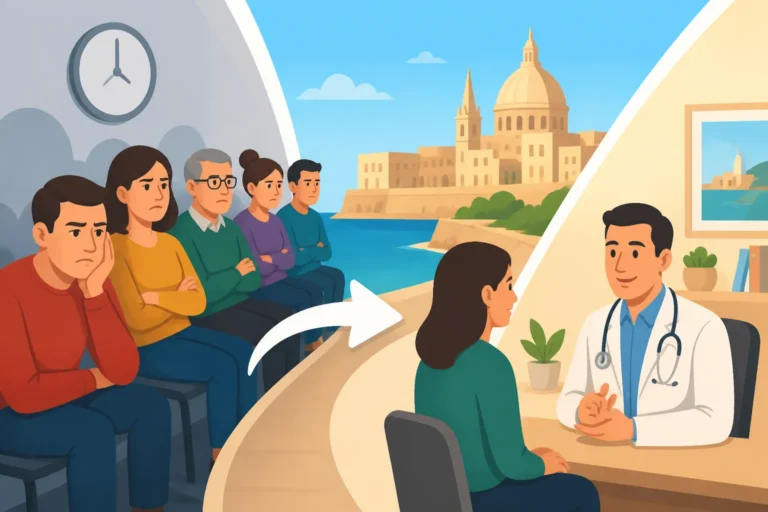
Malta's public healthcare system does offer some dental services, primarily through government health centres and Mater Dei Hospital. However, it's crucial to understand the scope and limitations of these services. Generally, public dental care focuses on emergency treatments, basic extractions, and some essential care, particularly for children and those with specific medical conditions. You might be able to get an emergency extraction at a health centre, or if you're referred to Mater Dei, more complex procedures might be considered, but often with long waiting lists and strict eligibility criteria. For instance, children under a certain age often have access to more comprehensive check-ups and basic treatments within the public system. It’s certainly not a system designed for routine cleanings, cosmetic work, or proactive preventative care for the general adult population. Many long-term residents will tell you that getting an appointment for anything beyond an urgent problem can be a challenge.
Why Private Dental Care Becomes the Go-To for Expats
Given the often-limited scope and potential waiting times in the public sector, most expats and even many locals opt for private dental care in Malta. This is where you'll find modern clinics, a wide range of services from routine check-ups and cleanings to complex restorative and cosmetic procedures, and readily available appointments. The vast majority of dentists you'll encounter will be operating privately, offering everything from simple fillings and root canals to orthodontics and implants. The quality of private dental care in Malta is generally very high, with many clinics boasting state-of-the-art equipment and highly trained professionals, many of whom have studied abroad and speak excellent English. This convenience and comprehensive service come at a cost, of course, which leads us to the big question of reimbursement. When you're looking for ongoing care, it's often a matter of finding a good private clinic that you trust, as detailed in our guide on Dental Care in Malta: Public Provision, Private Dentists, and Costs.
Reimbursement Options for Private Dental Care: Is it Possible?
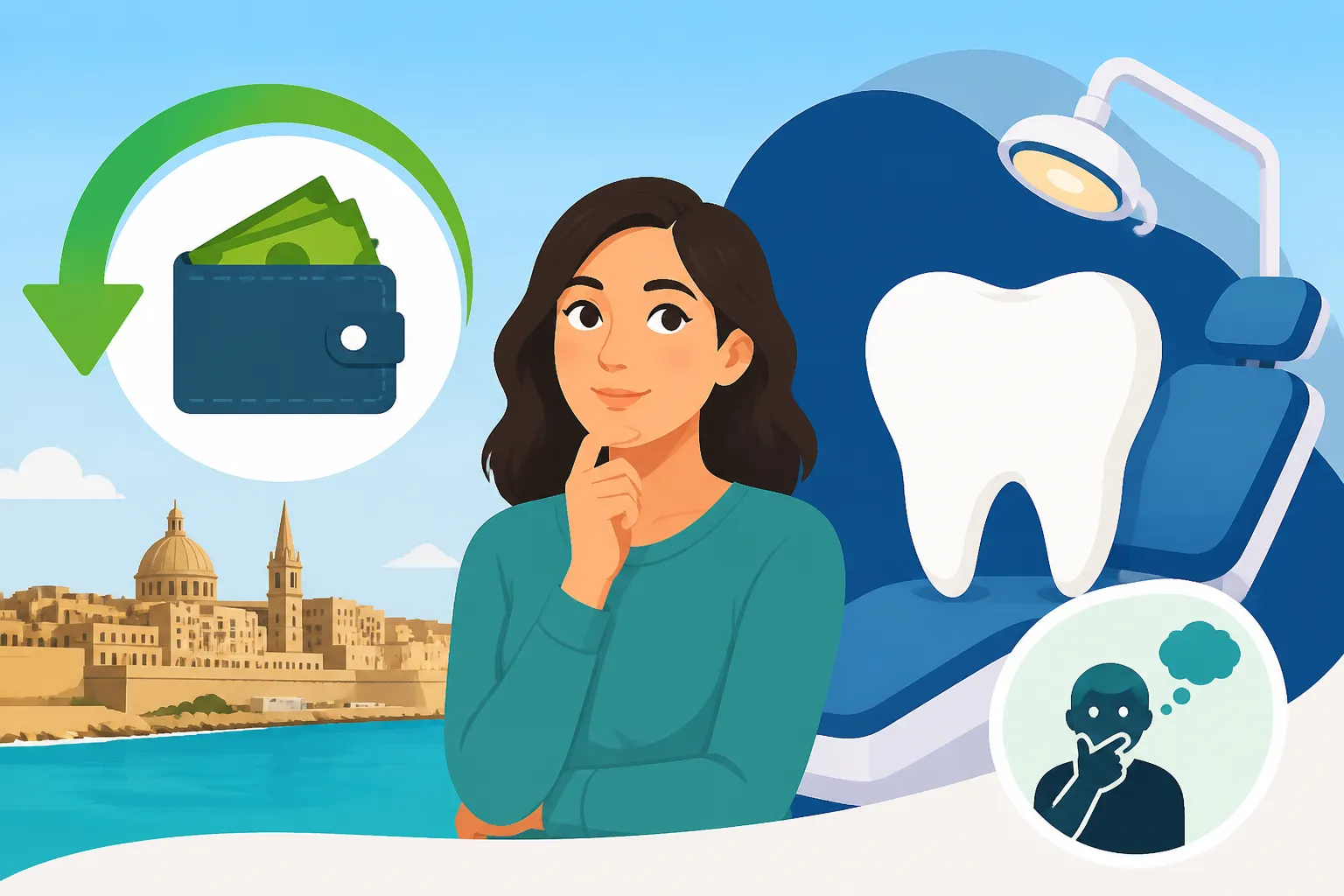
So, you've bitten the bullet and paid for your private dental treatment. Now you're wondering if any of that money can come back to you. The short answer for most standard private dental care in Malta is, unfortunately, "generally no" from the public system. However, it's not always a completely closed door, and there are nuances to consider.
The General Rule: No Public Reimbursement for Private Services
Malta's public healthcare system, funded by social security contributions, provides care directly through its own facilities. It doesn't typically reimburse individuals for services obtained privately, whether that's for a GP visit, specialist consultation, or dental work. If you choose to go to a private dentist, you are essentially opting out of the public system for that particular service and are responsible for the full cost. This is a crucial distinction and a common point of confusion for newcomers, especially those from countries with more integrated public/private healthcare models. The principle here is that if a public service exists (even if limited), there's no provision to claim back the cost of choosing a private alternative. This extends to general dental expenses like check-ups, cleanings, and common fillings, which are almost exclusively sought through private channels by adults in Malta.
Specific Exceptions and Scenarios to Consider
While direct reimbursement is rare, there might be very specific, limited exceptions, though these are often tied to unique medical circumstances or accidents, and usually involve the public system stepping in before you seek private care, rather than reimbursing you afterwards. For example, if a severe oral injury results from an accident covered by specific insurance (like a workplace injury) or if a dental issue is directly linked to a major medical condition that requires hospital intervention, there might be pathways for public coverage. These are highly specific and would usually involve referrals and treatment within Mater Dei Hospital itself, not reimbursement for a private clinic bill.
Another area that sometimes causes confusion is tax deductions. Unfortunately, as of the current tax regulations in Malta, there isn't a general provision for tax deductions on routine private medical or dental expenses for individuals. While businesses might deduct certain health-related expenses, personal dental bills typically do not qualify for a tax rebate or deduction from your personal income tax. This means that, unlike in some other countries where you can claim a percentage of your medical bills back on your annual tax return, Malta does not offer such a scheme for general private dental treatments. Therefore, for most expats, seeking to claim back money for private dental care through public channels or tax deductions is generally not a viable option.
Navigating Private Dental Insurance in Malta
Since public reimbursement is largely off the table, the next logical step for many expats (and a path I definitely recommend exploring!) is private dental insurance. This is where you can potentially claim back money, but it requires proactive planning and understanding of the various policies available.
Types of Private Health Insurance and Dental Coverage
When considering private health insurance in Malta, it’s important to distinguish between general health policies and those that specifically include dental coverage. Many standard private health insurance policies, like those offered by local providers such as Atlas Insurance or Bupa Malta, often have limited or no dental coverage built into their basic plans. They typically focus on hospital stays, specialist consultations, and sometimes prescription medicines. If dental care is included, it’s usually for emergency treatment following an accident, rather than routine or preventative care.
However, there are increasingly more comprehensive health insurance plans that offer optional dental add-ons or specific dental policies. These add-ons will usually cover a percentage of routine check-ups, cleanings, and basic restorative work (like fillings). More extensive procedures, such as crowns, bridges, or orthodontics, might have higher deductibles, lower reimbursement percentages, or specific waiting periods before they are covered. It’s crucial to read the fine print of any policy to understand exactly what’s covered, the limits per year, and any exclusions. For example, some policies might not cover pre-existing conditions or purely cosmetic procedures. Our guide on Private Health Insurance Requirements for Non-EU Permit Holders in Malta often highlights the necessity of such coverage for certain residency types, and dental is a key consideration.
What to Look For in a Dental Insurance Policy
When you're shopping for private dental insurance, or an add-on to your existing health policy, here are some key things to scrutinise:
- Coverage Limits: How much will they pay out per year for routine care, and for major restorative work?
- Reimbursement Percentage: Do they cover 100%, 80%, or 50% of the cost? You'll typically pay upfront and then claim back a percentage.
- Waiting Periods: Some policies have an initial period (e.g., 3-6 months) during which certain treatments (especially major ones) are not covered.
- Exclusions: What won't they cover? Cosmetic procedures, pre-existing conditions, orthodontics are common exclusions or require very specific, higher-tier plans.
- Network of Dentists: Can you go to any dentist, or only approved providers? Most policies in Malta offer flexibility, but it's worth checking.
- Deductibles/Excess: Is there an amount you need to pay yourself before the insurance kicks in?
Many expats choose international health insurance providers or travel medical insurance plans that can sometimes offer better dental benefits, especially for those with a more transient lifestyle. Companies like SafetyWing, for instance, are known for their travel medical insurance and specific nomad health insurance plans that might offer some emergency dental coverage or even broader dental options, depending on the specific policy chosen. While not a substitute for comprehensive dental insurance, it’s an option to consider, particularly for digital nomads or those who are frequently on the move, allowing for some peace of mind regarding unexpected dental emergencies wherever you are. They're designed with flexibility in mind, which is a huge plus for the expat community. If you're comparing options, take a good look at what SafetyWing offers in terms of dental emergencies versus routine care. For a deeper dive into choosing the right insurer, check out Choosing a Private Health Insurer in Malta: Cover, Costs, and Claims.
Here’s a quick overview to compare your options:
| Feature | Public Dental Care (Malta) | Private Dental Care (Malta) | Private Dental Insurance (Add-on/Standalone) |
|---|---|---|---|
| Availability | Limited, primarily emergency and basic extractions; often long waits. | Widespread, easy appointments, full range of services. | Varies by policy, requires enrollment. |
| Cost at Point of Use | Free for eligible services. | Full cost paid by patient upfront. | Full cost paid by patient upfront, then claim reimbursement. |
| Routine Check-ups | Very limited; mostly for children or specific cases. | Readily available, comprehensive. | Often covered (percentage) with specific plans. |
| Specialist Treatments | Extremely limited, only via referral for complex cases at Mater Dei. | Widely available (orthodontics, implants, etc.). | Variable coverage, often with limits and waiting periods. |
| Aesthetics/Cosmetic | Not available. | Widely available. | Generally not covered, or only in high-tier plans. |
| Reimbursement by State | Not applicable (services are free at point of use). | No. | Yes, as per policy terms and conditions. |
| Tax Deductions | No. | No. | No. |
Tips for Managing Dental Costs and Finding Affordable Care
Since direct public reimbursement for private dental care in Malta isn't generally a thing, and even private insurance might only cover a portion, it's wise to have strategies for managing these costs. A little bit of proactive planning can save you a lot of grief (and money!) down the line.
Prioritising Preventive Care and Regular Check-ups
The old adage "prevention is better than cure" couldn't be more true when it comes to dental health, especially in a country where direct public reimbursement for private care is not standard. Regular check-ups and professional cleanings are your first line of defense against more expensive problems. By catching small issues like cavities early, before they become major infections requiring root canals or extractions, you can significantly reduce your overall dental expenses. Many private clinics offer attractive packages for routine scaling and polishing, making it more affordable to maintain good oral hygiene. Don't skip these appointments just because you're paying out of pocket; they are an investment in your long-term dental health. Finding a reliable dentist for these routine visits is key, and you can usually find English-speaking practitioners with ease.
Comparing Clinics and Utilizing Payment Plans
The cost of private dental care can vary between clinics in Malta, so it pays to do a little research. Don't be afraid to call a few different practices and ask for price estimates for common procedures like check-ups, fillings, or cleanings. While quality should always be a priority, a bit of comparison shopping can help you find a clinic that offers good value. Websites for dental practices often list their services, and you can always request a consultation to discuss treatment options and associated costs. Some clinics might also offer payment plans for more expensive treatments, such as extensive restorative work or orthodontics. This can help spread the financial burden over several months, making it more manageable. While it's not a reimbursement, it certainly helps with budgeting. Always clarify the terms of any payment plan upfront, including interest (if any) and repayment schedule.
Considering Cross-Border Dental Treatment (with caution)
For very extensive or high-cost procedures, some expats might consider "dental tourism" to other countries where prices are significantly lower, particularly within Eastern Europe. While this can offer substantial savings, it comes with its own set of considerations. You'll need to factor in travel costs, accommodation, and the logistical challenges of follow-up appointments. More importantly, ensure that any work done abroad meets high standards and that you have a clear understanding of your rights and recourse should something go wrong. This approach needs careful research and consideration, and it might not be covered by your private Maltese health insurance. For emergency situations or routine care, sticking with a trusted local Maltese dentist is usually the most practical and safest option, especially if you have an insurance plan like SafetyWing that covers you for emergency dental care globally.
In conclusion, while the idea of claiming back money for private dental care in Malta might seem appealing, the reality is that the public system doesn't facilitate it for routine or elective treatments. Your best bet for financial relief lies in securing a robust private dental insurance policy or being vigilant with preventative care to avoid major expenses in the first place.
Disclaimer
The information provided in this article is intended for general guidance and informational purposes only, and does not constitute professional financial, medical, or legal advice. Regulations and policies in Malta regarding healthcare, insurance, and tax can change frequently. While we strive to provide accurate and up-to-date information, readers should always verify details with official Maltese government sources, qualified financial advisors, tax professionals, or healthcare providers before making any decisions. We recommend consulting directly with local experts for advice tailored to your specific situation.